Inside Africa’s Houses of Stone

Features July/August 2026

Archaeologists are rethinking how kings shared power beyond the great capitals of medieval Zimbabwe
Ad/AdobeStock
SHARE:

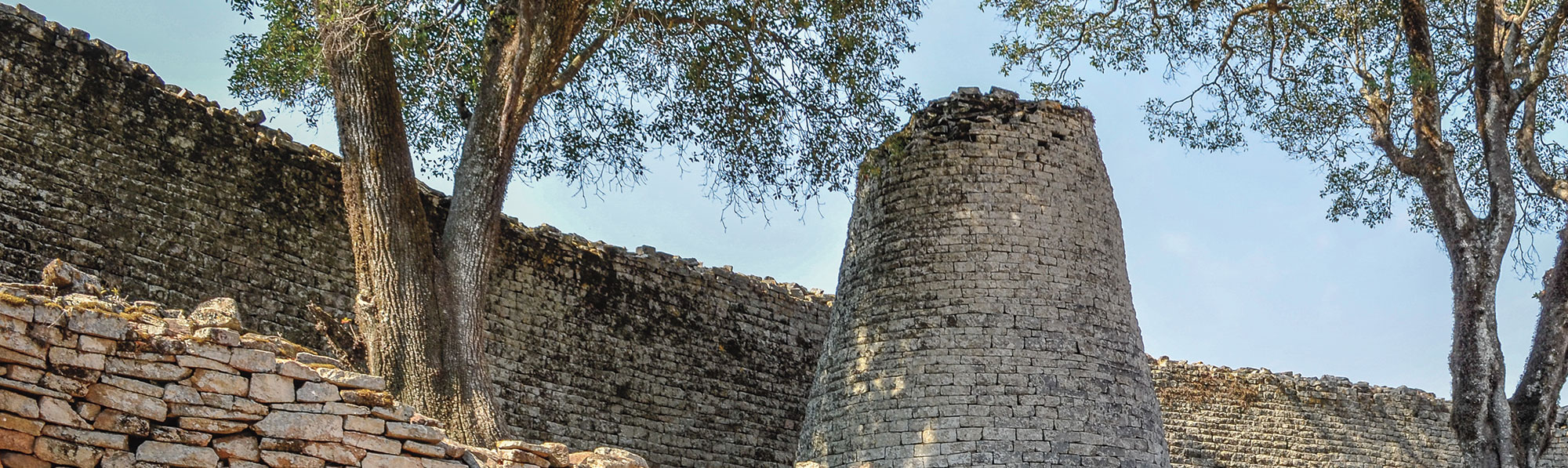
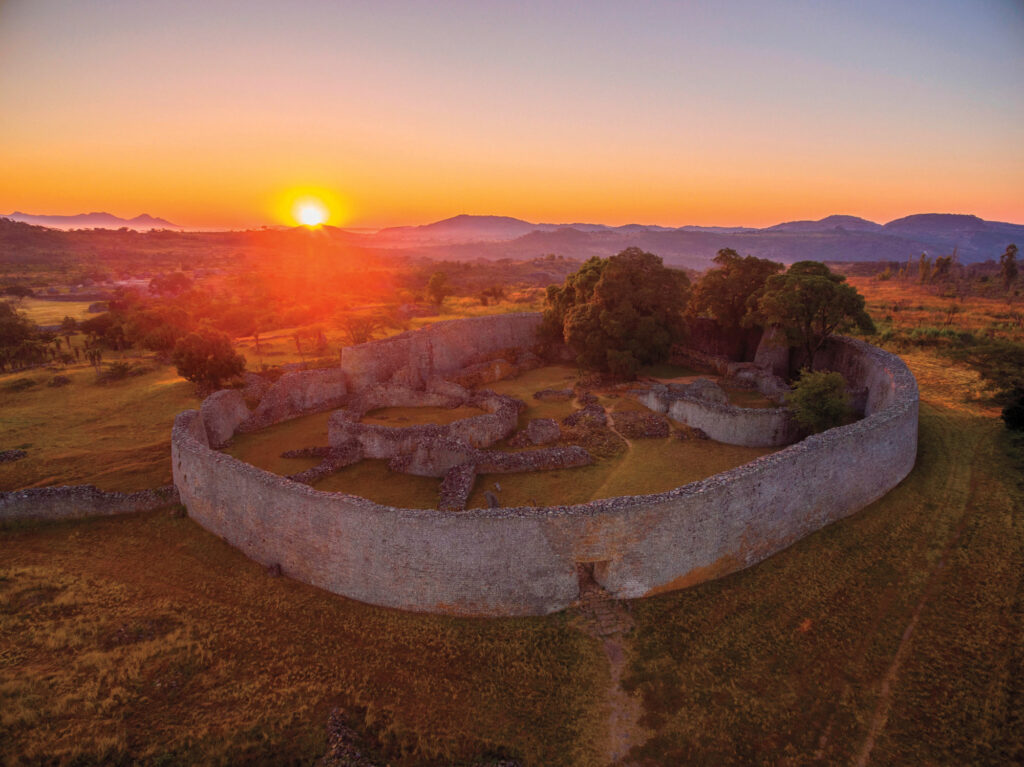
The hills of southern Zimbabwe are graced with the ruins of some 200 stone-walled settlements built over the last millennium. In Shona, the language spoken today by most of the country’s 17 million people, these are known as zimbabwe, or “houses of stone.” Since the mid-twentieth century, archaeologists have believed that ancestral Shona people who belonged to what is known as the Zimbabwe culture built the soaring drystone, or mortarless, walls beginning around 1200. Many settlements were constructed atop rocky promontories that rise above the country’s flat plains. Scholars think the largest settlements may have been home to up to 15,000 people, and some were still occupied when Portuguese explorers first arrived in the area in the sixteenth century. No written records document most of the roughly 500 years during which the zimbabwes flourished. Oral history and archaeological evidence, however, demonstrate that during this time, the Shona people maintained a robust relationship with Swahili traders of Africa’s eastern coast and exploited rich gold mines that played a critical role in the economy of the world around the Indian Ocean.  
Become a Digital Subscriber Today

Get full access to all content on the ARCHAEOLOGY website and our PDF archive going back to the first publication in March 1948.

Already a Subscriber? Sign In

  • Features July/August 2026

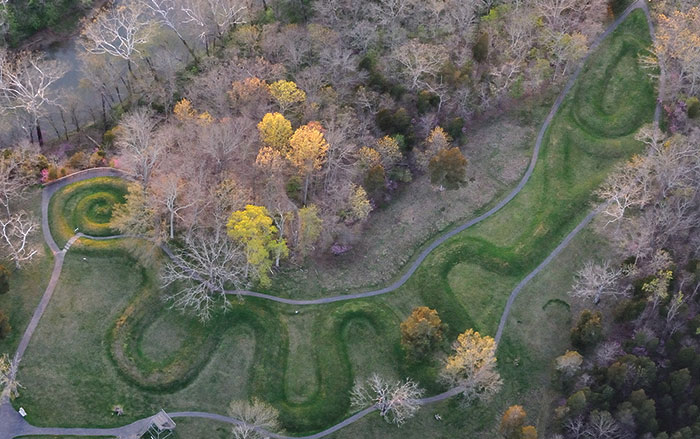
    Secrets of the Serpent

    Is a Native American origin story embedded in Ohio’s colossal earthwork?

    Read Article
    Serpent Mound
    Timothy E. Black
  • Features July/August 2026

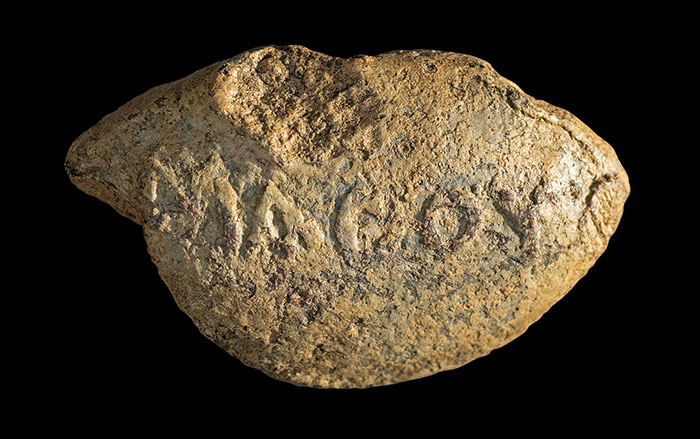
    Slinging Insults

    Greek and Roman soldiers fired pointed barbs at their enemies

    Read Article
    Lead sling bullet inscribed with the Greek inscription MATHOU
    Courtesy Michael Eisenberg
  • Features July/August 2026

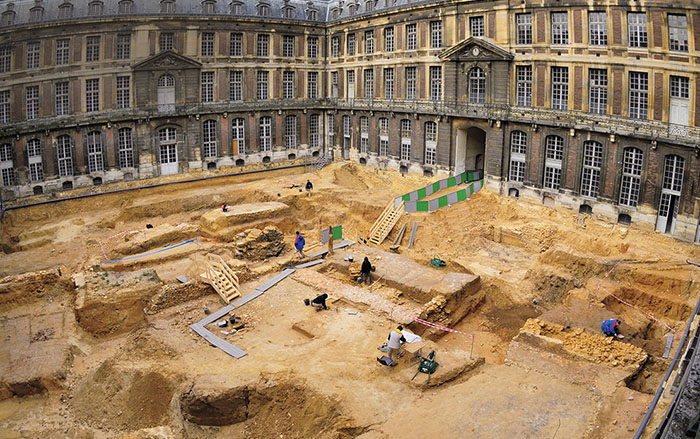
    Tennis, Anyone?

    Discovering the origins of the peculiar racket game that swept sixteenth-century France

    Read Article
    King Louis XIII's jeu de paume court at the Palace of Versailles
    © Denis Gliksman, Inrap
  • Letter from Boston July/August 2026

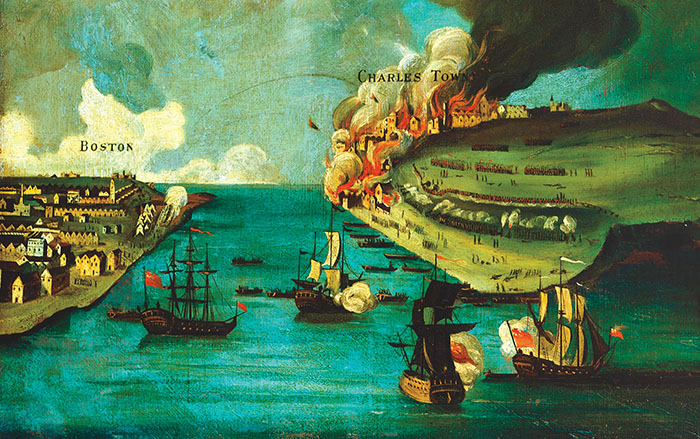
    In the Shadow of Bunker Hill

    The forgotten lives of the townspeople who lost everything in the early days of the American Revolution

    Read Article
    A late eighteenth-century painting titled View of the Attack on Bunker's Hill, with the Burning of Charles Town
    National Gallery of Art