

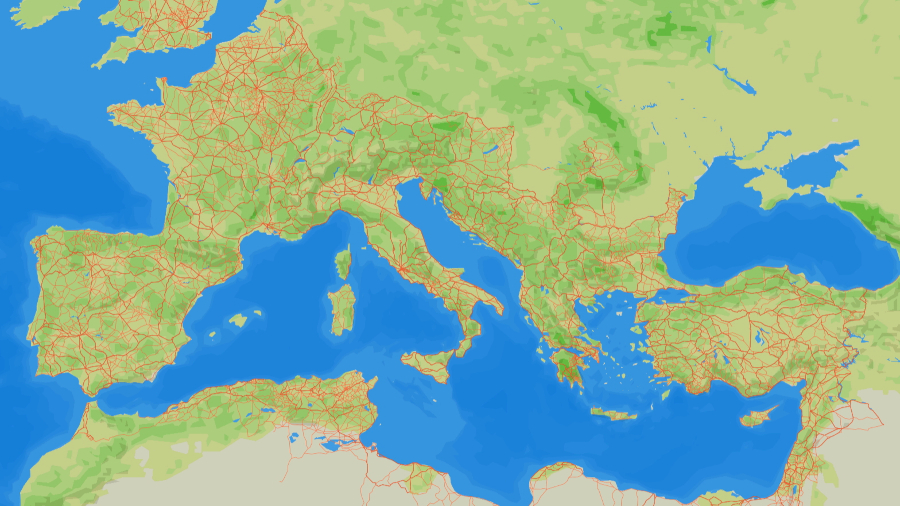
BARCELONA, SPAIN—ZME Science reports that a team of researchers led by Pau de Soto of the Autonomous University of Barcelona has created a high-resolution digital map of the entire known network of Roman roads called Itiner-e. These routes, as they were circa A.D. 150, cover some 186,000 miles. The study will help archaeologists calculate more accurate travel times across the Roman world, which would have had an effect on trade and warfare. De Soto and his colleagues began by extracting data from historic copies of Roman maps and the more than 8,000 known miliaria, or Roman milestones. Then they examined more recent historic maps, aerial photographs, and modern satellite imagery for glimpses of the ancient roads. Where physical evidence of roads had not survived, the researchers connected known milestones or any other archaeological evidence linked to roads by following the most plausible path along the topography. In all, less than three percent of the Roman roads in the study are well known and have been thoroughly mapped. Almost 90 percent of them fall into the category of “conjectured networks,” based upon the location of settlements, milestones, and other archaeological evidence. The final category consists of “hypothetical roads” presumed to have linked ancient cities, but no physical evidence for them has been found to date. Read the original scholarly article about this research in Scientific Data. To read about the discovery of a submerged section of a Roman road in the Venetian lagoon, go to "A Trip to Venice."
Network of Roman Roads Mapped
News November 11, 2025
Recommended Articles
Digs & Discoveries November/December 2026
Herculean Hilarity
Digs & Discoveries November/December 2026
Reclining with the River God
Digs & Discoveries September/October 2026
Hadrian’s Wall Keepsake
One Roman soldier brought home a special souvenir from his service in a faraway place
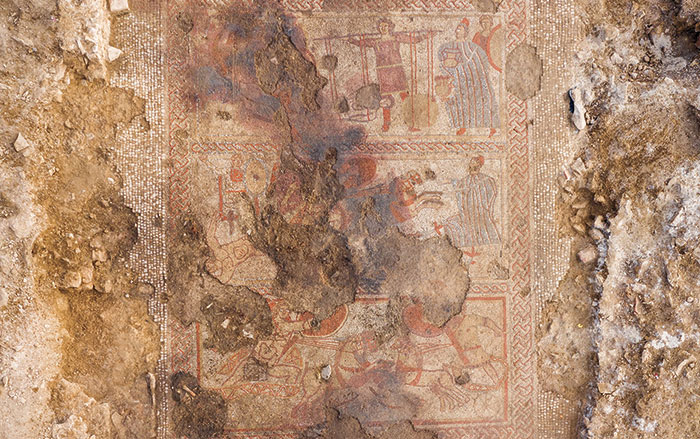
The Unexpected World of the Odyssey May/June 2026
Another Trojan War?
More to Discover
Features November/December 2025
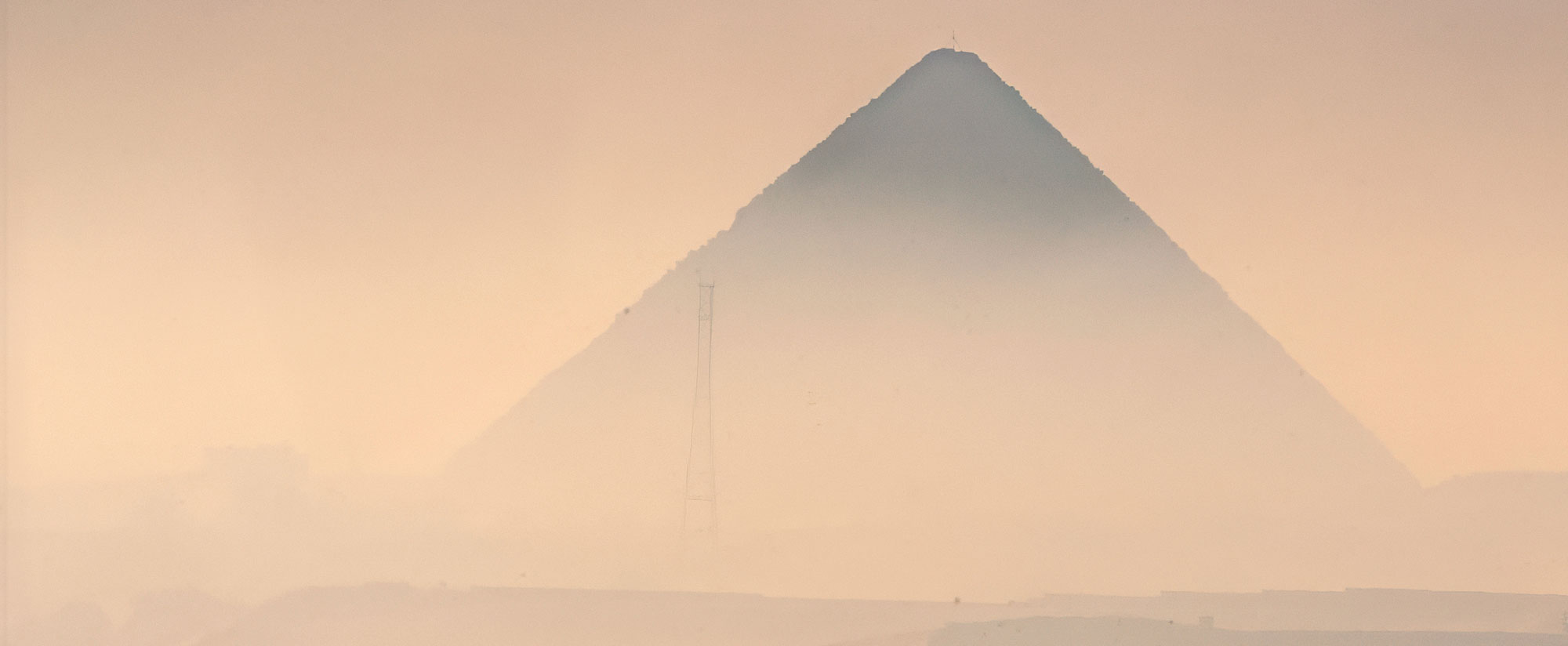
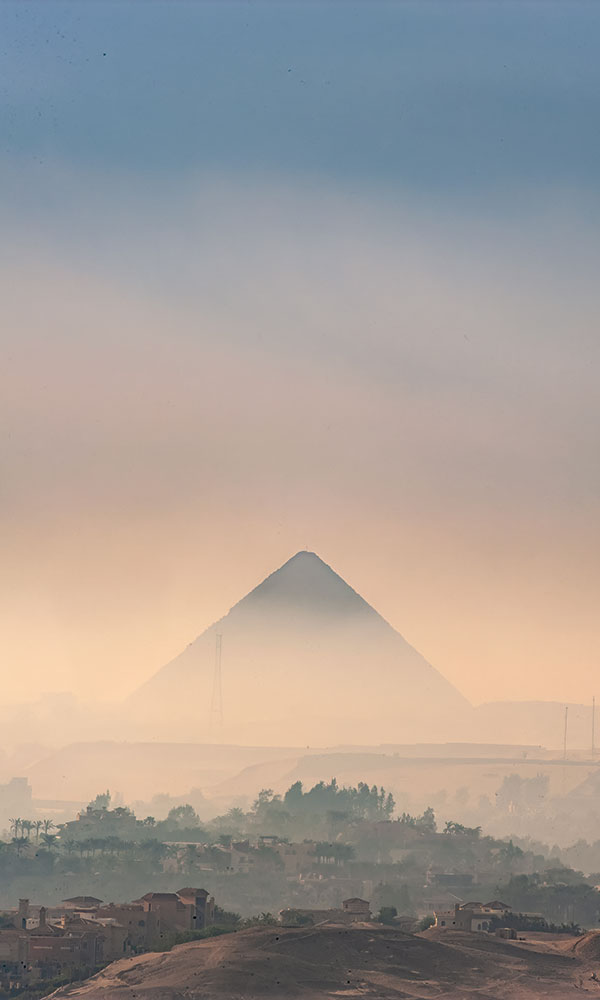
Secrets of the Seven Wonders
How archaeologists are rediscovering the ancient world's most marvelous monuments
-
Features November/December 2025
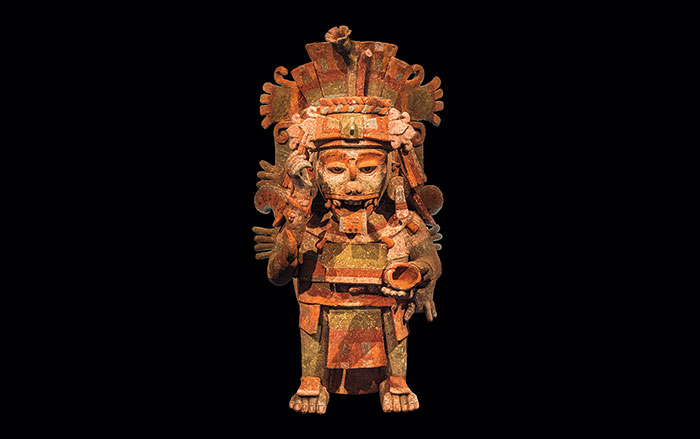
Acts of Faith
Evidence emerges of the day in 1562 when an infamous Spanish cleric tried to destroy Maya religion
 Adriana Rosas/Alamy
 -
Features November/December 2025
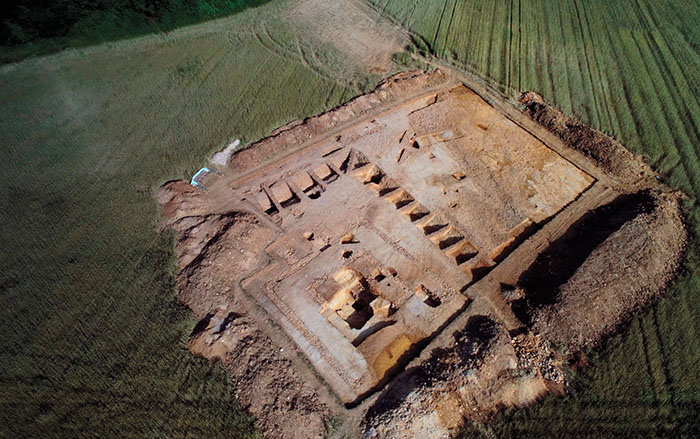
Temples to Tradition
A looted cache of bronzes compels archaeologists to explore Celtic sanctuaries across Burgundy
 M. Thivet, MSHE
 -
Features November/December 2025
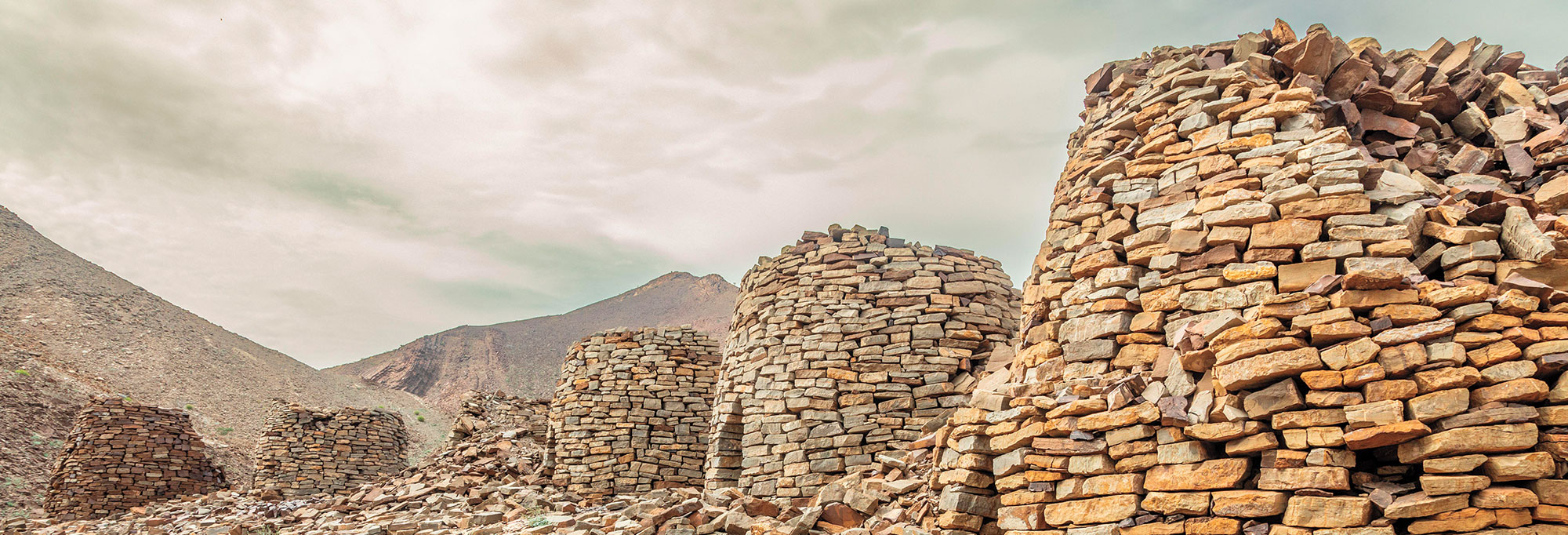
Oasis Makers of Arabia
Researchers are just beginning to understand how people thrived in the desert of Oman some 5,000 years ago
 Vadim Nefedov/Alamy
 -
Features November/December 2025
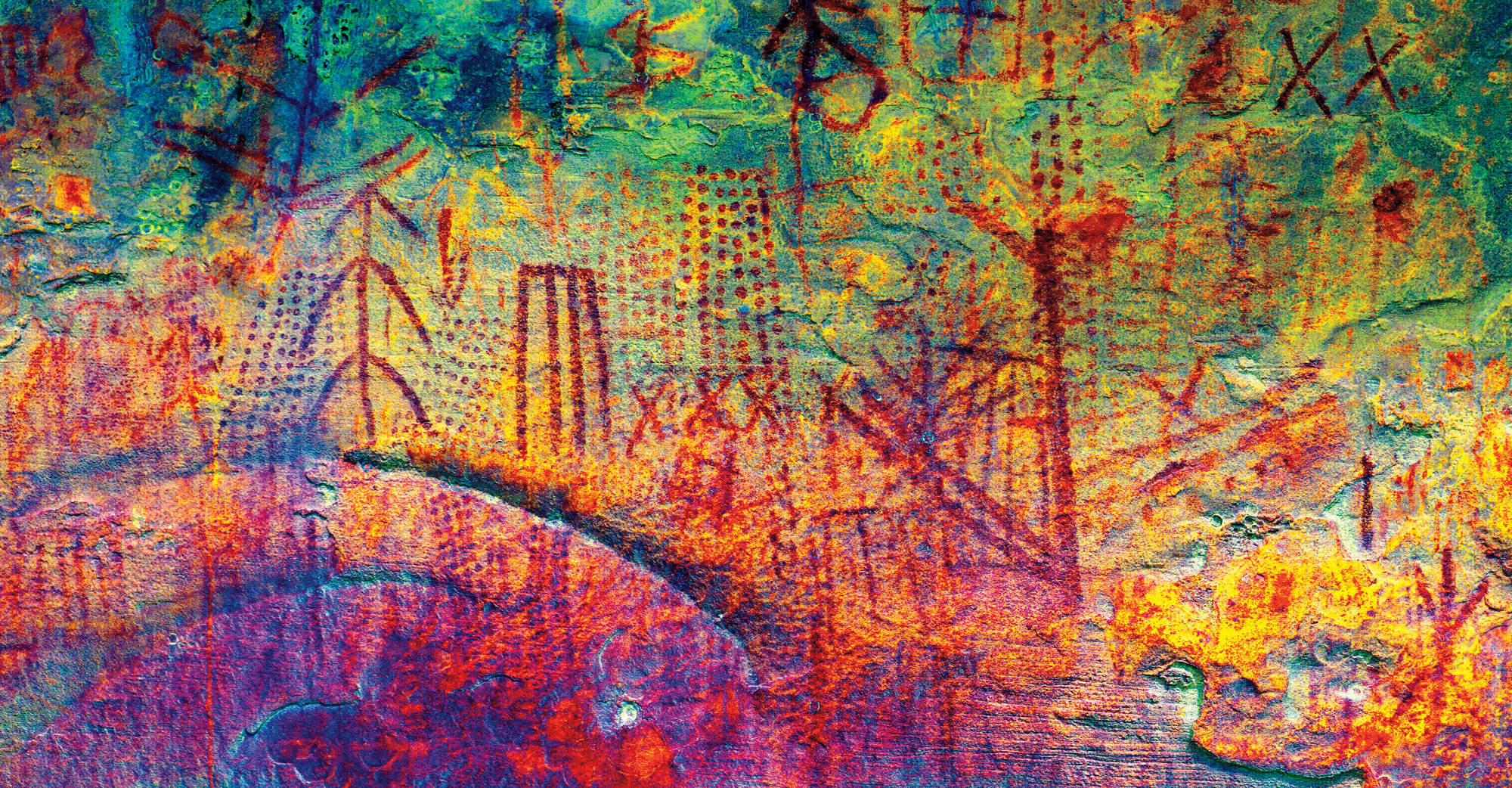
Searching for Venezuela’s Undiscovered Artists
Inspired by their otherworldly landscape, ancient people created a new rock art tradition
 José Miguel Pérez-Gómez