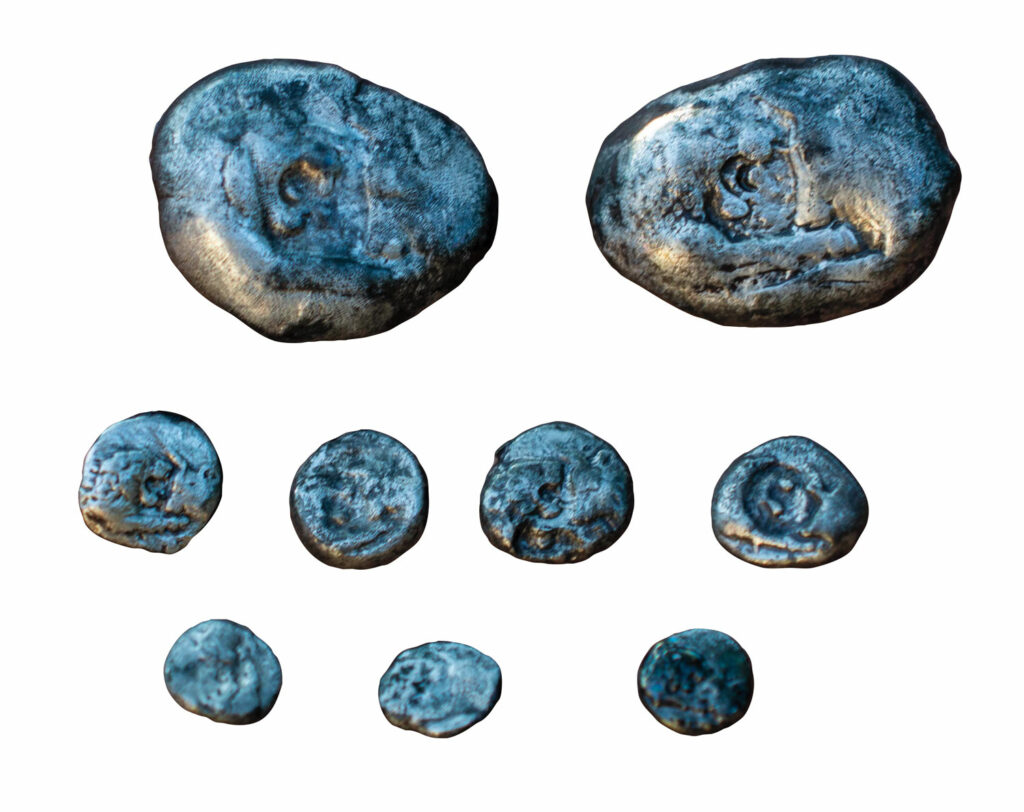
The Lydian Empire controlled western Anatolia from the Aegean Sea to modern Turkey’s region of Cappadocia in the seventh and first half of the sixth centuries b.c. During this period, the Lydians minted the world’s first coins, including some that date to the rule of their famously wealthy king Croesus (reigned 585–547 b.c.). The Lydian palace was built on an artificial terrace in the capital city of Sardis. Researchers previously unearthed what they believed were the palace’s oldest walls, which they dated to Croesus’ reign.
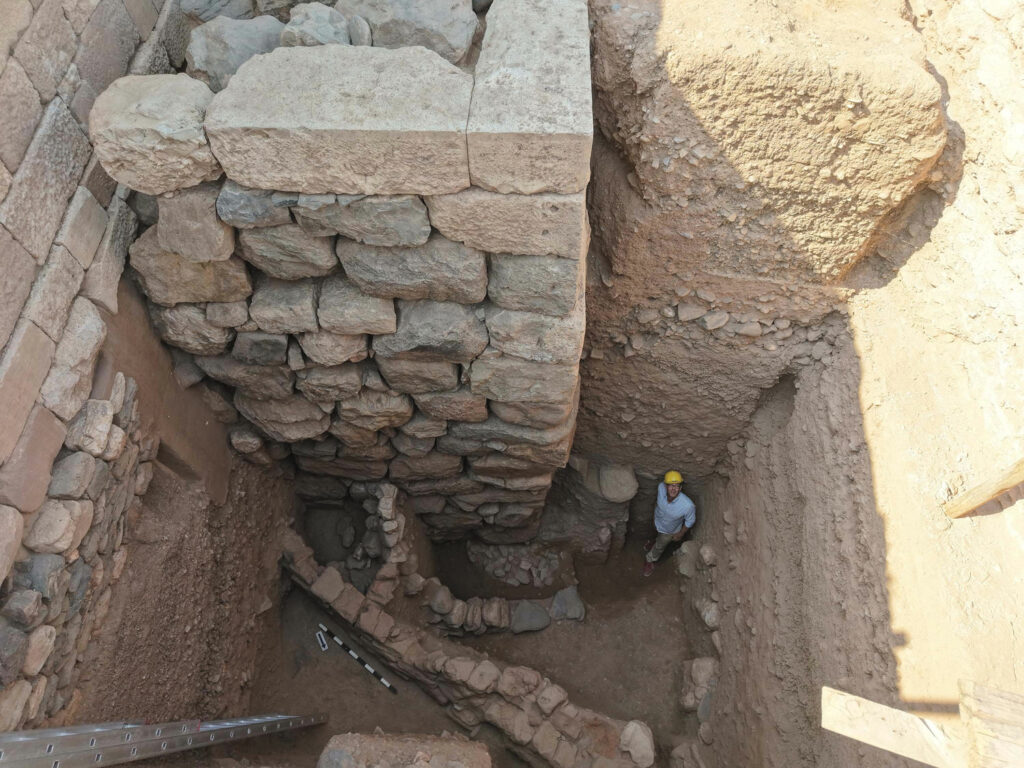
A team led by archaeologist Nicholas Cahill of the University of Wisconsin–Madison has now found earlier palace walls at Sardis, some of which date to the eighth, and perhaps even ninth, century b.c. “Since we have so few written sources from the Lydians themselves, we have always relied on Greek and Near Eastern literary sources,” Cahill says, “and they don’t mention Sardis before the seventh century b.c.” Previous excavations at the site had uncovered only traces of small houses predating this period. “These newly unearthed wall courses show that the Lydians were already building monumental architecture in the eighth century b.c.,” says Cahill. There are even earlier levels with evidence of terraces going back to the Early Bronze Age. “We have this incredible continuity,” Cahill says, “with monumental terracing over 1,500 years and the palace walls built and rebuilt on the same exact lines over centuries.”