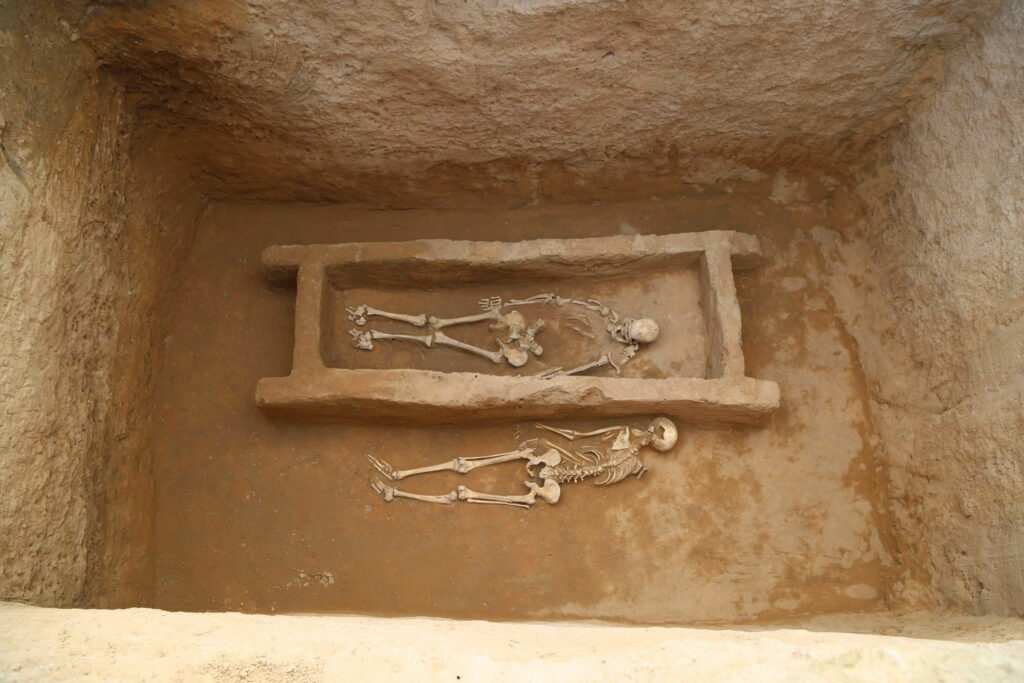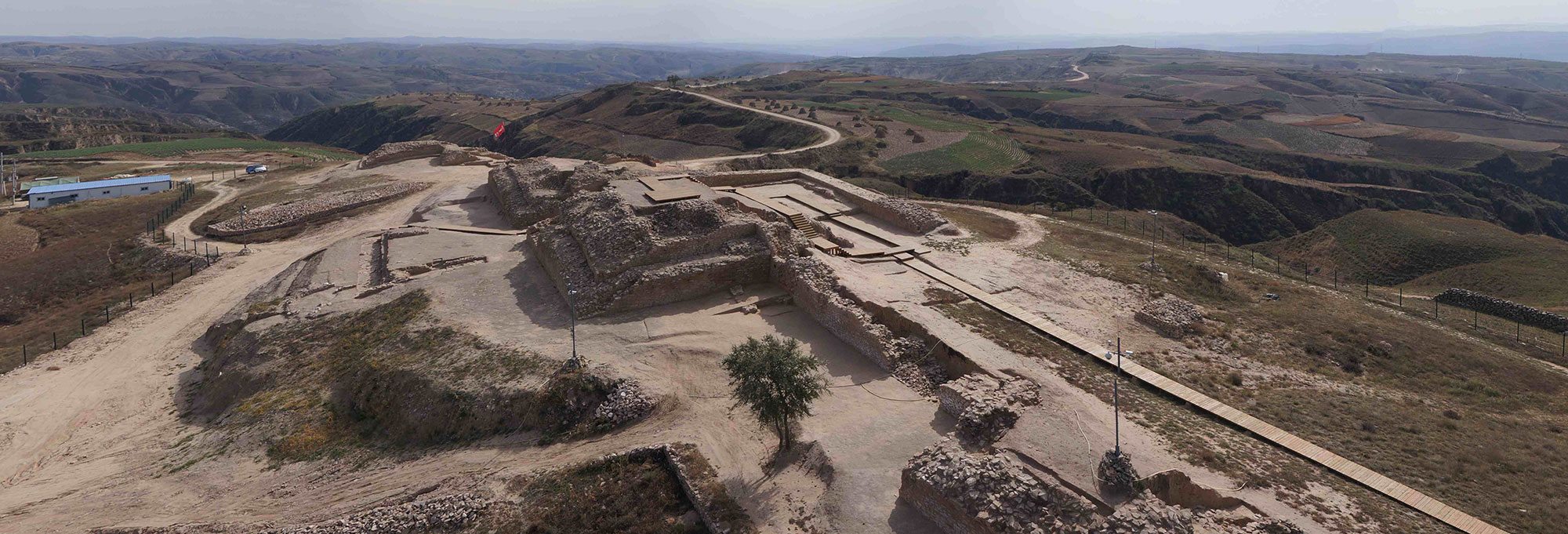
SHIMAO, CHINA—La Brújula Verde reports that an extensive genetic study of human remains found at the site of Shimao in Shaanxi Province is providing new insights into the population of one of ancient China’s most enigmatic and complex Neolithic societies. Known for its imposing network of stone walls and sophisticated architecture, Shimao emerged around 4200 b.c. to become one of China’s earliest and largest prehistoric cities. Recent genetic research indicated that its sudden development was not due to an influx of newcomers into the region, but instead, the settlement was built by local inhabitants who had occupied the area for at least 1,000 years. Furthermore, these people were a patrilineal society, where women moved to reside in their husband’s community. The new study also provided answers about a grim deposit of 80 human skulls that were found outside the city's main East Gate, the largest such collection ever found in Neolithic China. Researchers originally believed that these represented ritually sacrificed women. However, genetic analysis indicated that 90 percent of the victims tested were actually men. Archaeologists have found evidence of female human sacrifice elsewhere at the site, but this only occurred in specific areas, such as near cemeteries housing the city’s elite inhabitants. This deliberate division by sex suggests that Shimao’s rulers implemented a highly structured ritual system. Read the original scholarly article about this research in Nature. For more, go to "Neolithic City of Shimao," one of ARCHAEOLOGY's Top 10 Discoveries of the Decade.