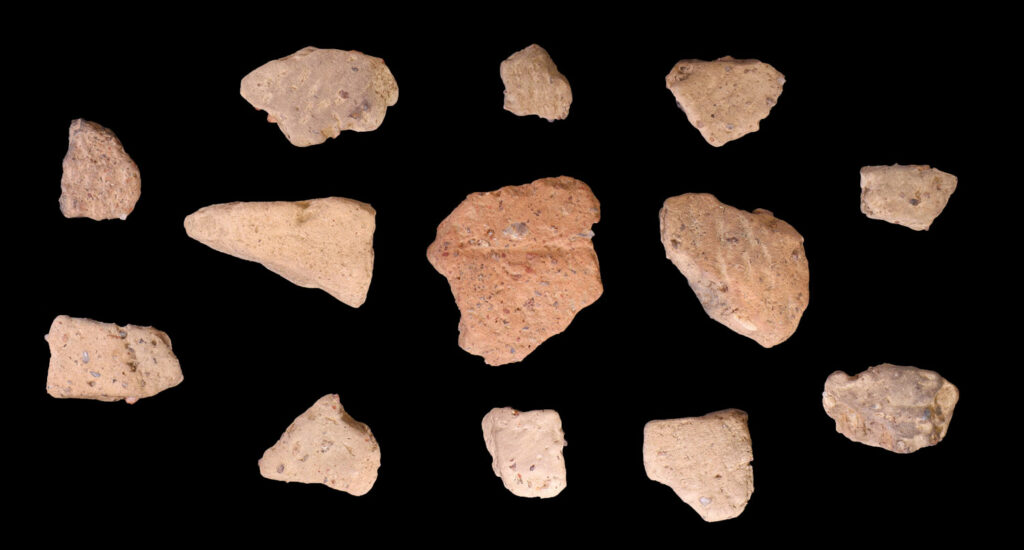
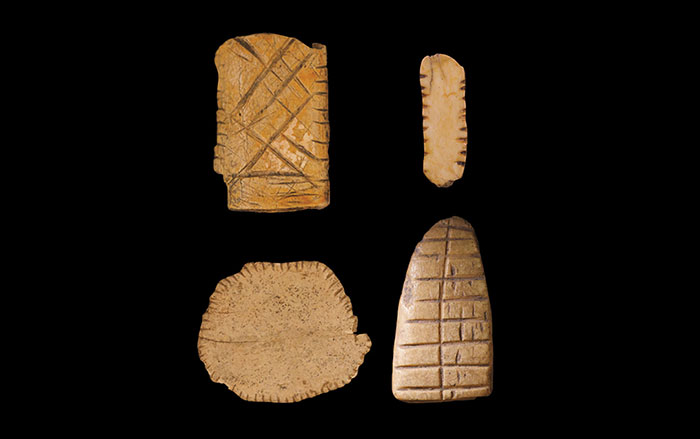
ST. MARY’S CITY, MARYLAND—Live Science reports that artifacts unearthed in the Fones Cliffs area of Virginia’s Rappahannock River may provide evidence of a village described by English colonist John Smith, who was elected president of the Jamestown council in 1608. Archaeologist Julia King of St. Mary’s College of Maryland and her colleagues used Smith’s early seventeenth-century writings, and the oral histories of the Rappahannock Indian Tribe, to guide their search. They recovered some 11,000 artifacts at two sites—a sixteenth-century settlement that Smith likely mapped, and an early eighteenth-century site that the team believes was occupied by a settler named "Indian Peter," who was probably the son of a Rappahannock woman. “The presence of these artifacts confirms both oral histories and documents that suggested settlements were located here in 1608, when Captain John Smith spent several weeks mapping the Rappahannock River,” King said. The geography of this area offered natural protections and good soil for growing corn, she added. “Rappahannock people understand the greater river valley as their homeland, regardless of who may own the land today,” King explained. For more, go to "Return to the River."