

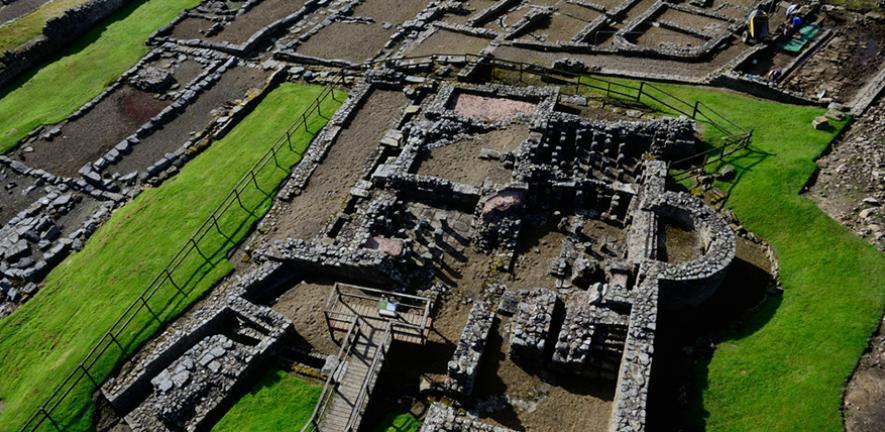
CAMBRIDGE, ENGLAND—Researchers from the University of Cambridge and Oxford University analyzed sediments from third-century a.d. sewer drains at the Roman site of Vindolanda, a fort near Hadrian’s Wall in northern England, according to a statement released by the University of Cambridge. Although the fort was equipped with communal toilets, the soldiers’ health was still at risk due to poor sanitation and contaminated food and water. Microscopic examination of the samples detected the eggs of roundworm and whipworm, while Giardia duodenalis was identified with a method called ELISA, in which antibodies bind to proteins produced by single-celled organisms. This is the first time that the protozoan Giardia duodenalis has been identified in Roman Britain. “While the Romans were aware of intestinal worms, there was little their doctors could do to clear infection by these parasites or help those experiencing diarrhea, meaning symptoms could persist and worsen,” explained Marissa Ledger of the University of Cambridge. “These chronic infections likely weakened soldiers, reducing fitness for duty.” Read the original scholarly article about this research in Parasitology. To read more about Vindolanda, go to "The Wall at the End of the Empire: Life on the Frontier."
Intestinal Parasites Infected Roman Soldiers at Vindolanda
News December 24, 2025
Recommended Articles
Digs & Discoveries January/February 2023
Hadrian's Bugler
Digs & Discoveries September/October 2020
Commander's Orders
Digs & Discoveries November/December 2018
Hand of God
Digs & Discoveries November/December 2017
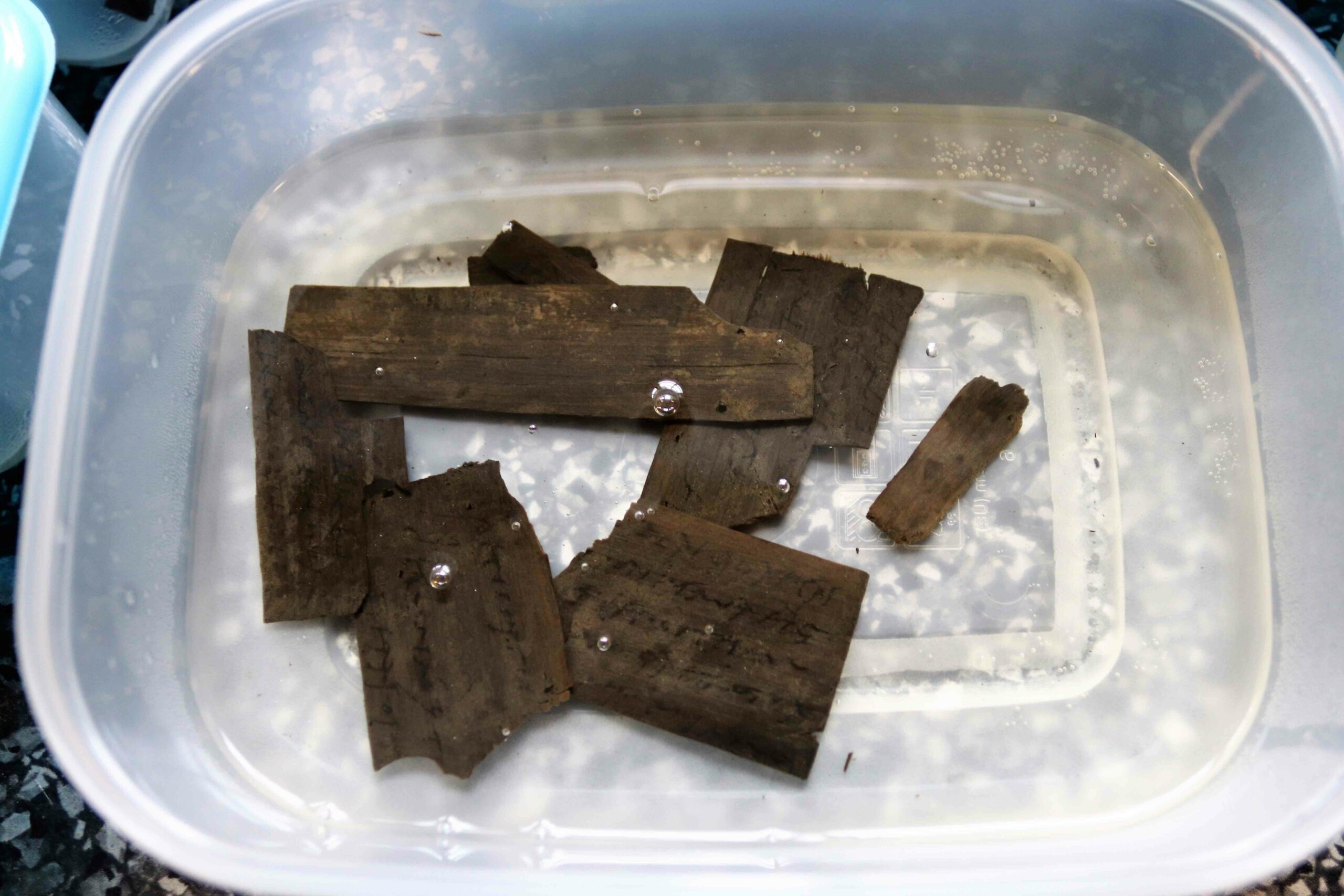
Tablet Time
More to Discover
Features November/December 2025
Secrets of the Seven Wonders
How archaeologists are rediscovering the ancient world's most marvelous monuments

-
Features November/December 2025
Acts of Faith
Evidence emerges of the day in 1562 when an infamous Spanish cleric tried to destroy Maya religion
 Adriana Rosas/Alamy
 -
Features November/December 2025
Temples to Tradition
A looted cache of bronzes compels archaeologists to explore Celtic sanctuaries across Burgundy
 M. Thivet, MSHE
 -
Features November/December 2025
Oasis Makers of Arabia
Researchers are just beginning to understand how people thrived in the desert of Oman some 5,000 years ago
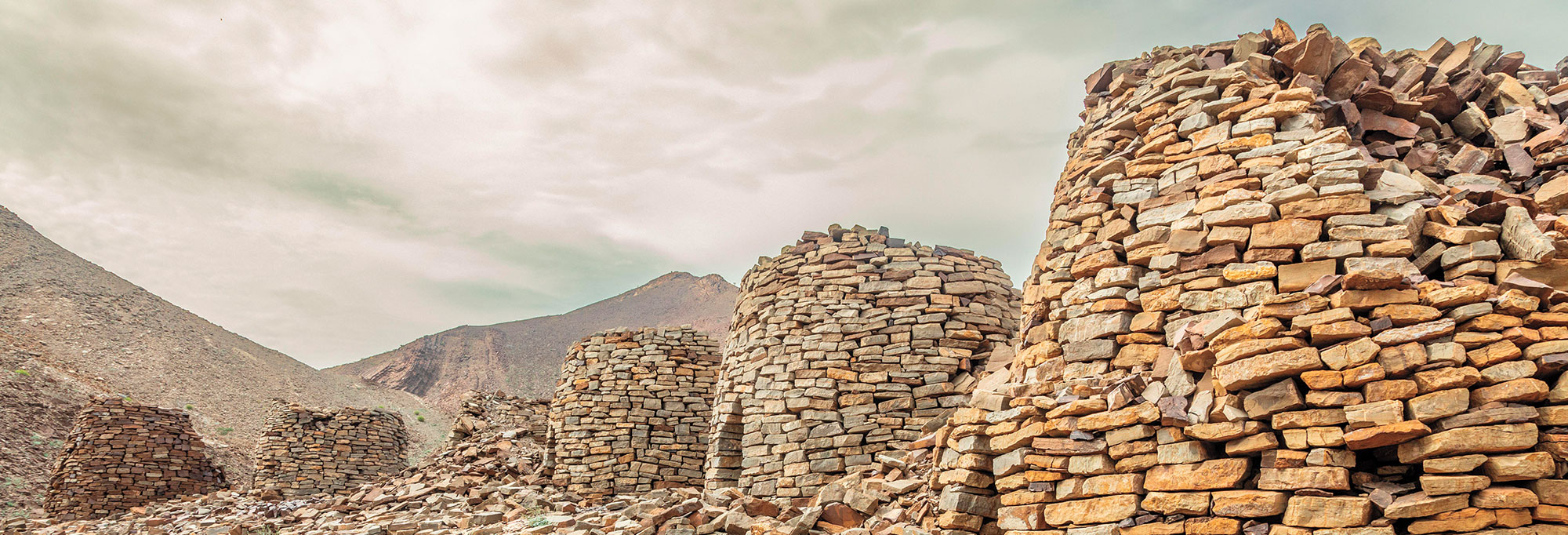 Vadim Nefedov/Alamy
 -
Features November/December 2025
Searching for Venezuela’s Undiscovered Artists
Inspired by their otherworldly landscape, ancient people created a new rock art tradition
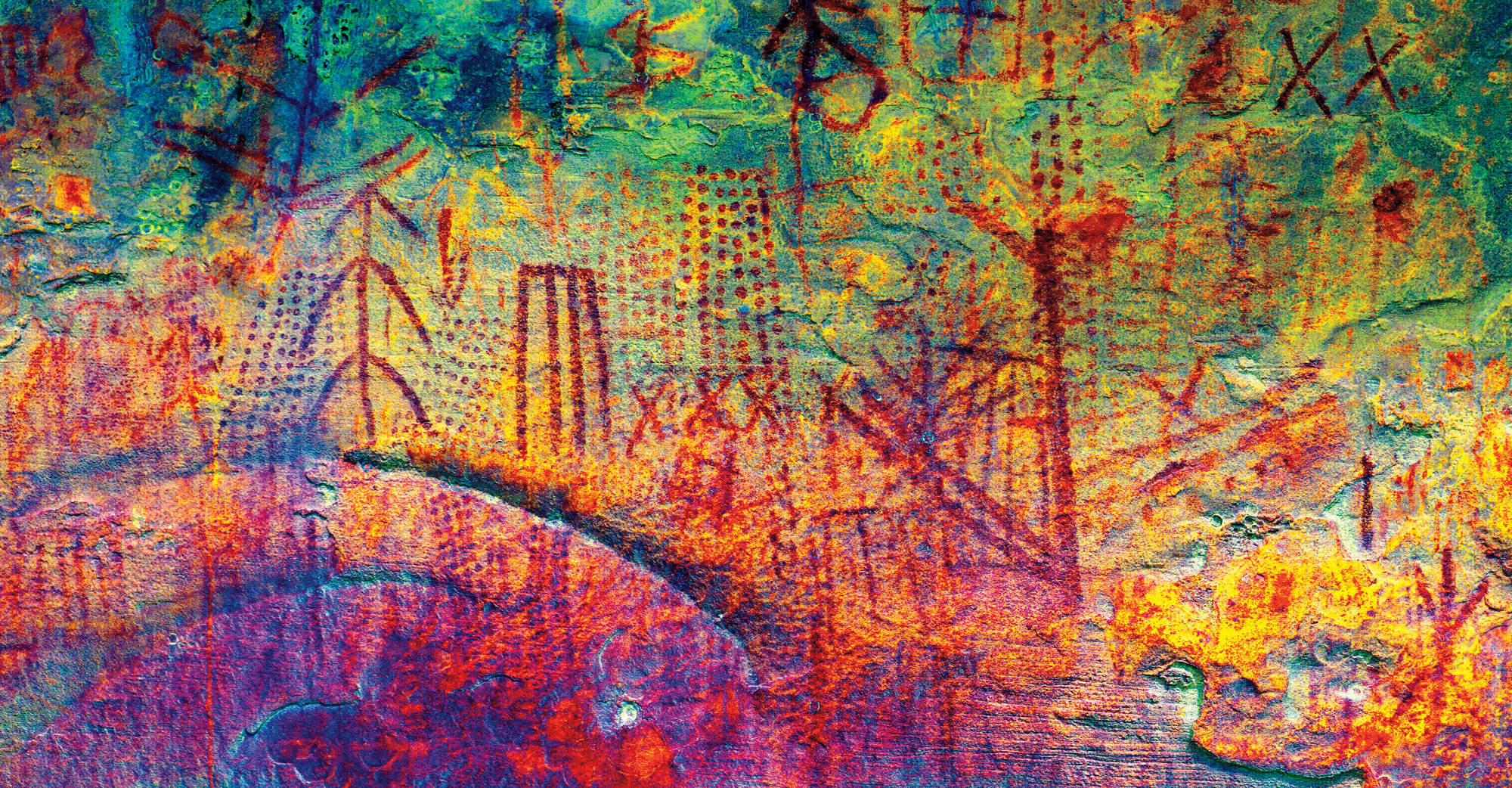 José Miguel Pérez-Gómez