

ERBIL, IRAQ—More than 7,000 artifacts, including clay seal impressions, clay tokens, figurines, and cylinder seals, have been uncovered at Tapeh Tyalineh, a 5,000-year-old site on the Mereg River in western Iran, according to The Greek Reporter. The objects were found in the remnants of mudbrick structures and in trash pits. Shokouh Khosravi of the University of Kurdistan said that the artifacts would have been used to mark jars, seal doors, and keep track of goods such as grain, oil, and possibly wine. The more than 200 designs on the artifacts are similar to those seen on seal impressions from other Early Bronze Age sites in Iran and Mesopotamia. Khosravi concluded that Tapeh Tyalineh was likely an administrative hub for a regional trade network. Read the original scholarly article about this research in Antiquity. To read about evidence of communal feasting in western Iran some 11,000 years ago, go to "BYOB(oar)."
Early Bronze Age Trade Hub Excavated in Iran
News January 12, 2026
Recommended Articles
Artifacts March/April 2026
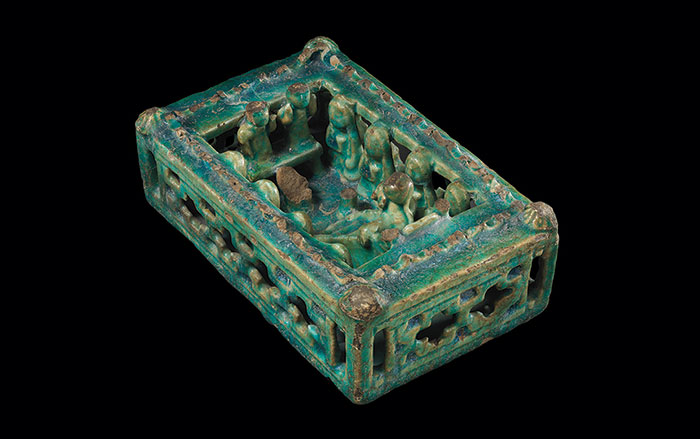
Caspian Tiger Figurine
Digs & Discoveries November/December 2025
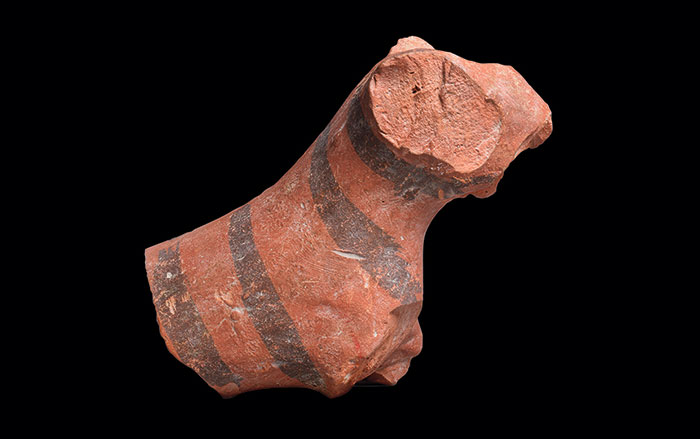
BYOB(oar)
Features March/April 2025
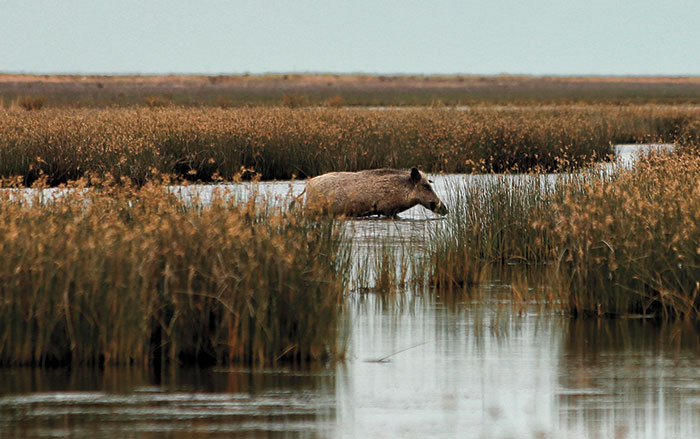
Ahead of Their Time
Excavations reveal the surprising sophistication of Copper Age villagers in southwestern Iran 6,000 years ago
More to Discover
Features January/February 2026
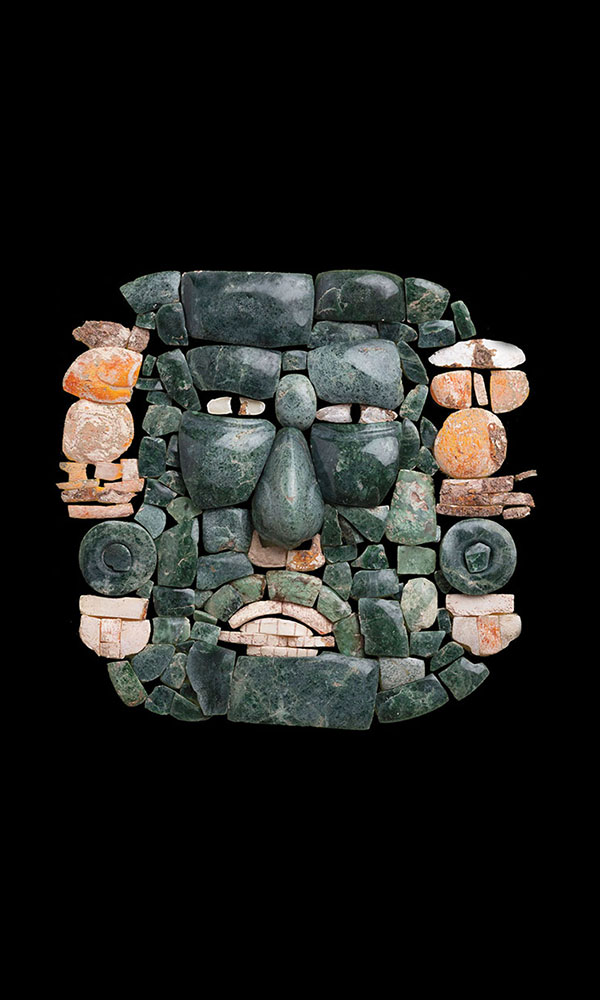
Top 10 Discoveries of 2025
ARCHAEOLOGY magazine’s editors reveal the year’s most exciting finds

-
Features January/February 2026
The Cost of Doing Business
Piecing together the Roman empire’s longest known inscription—a peculiarly precise inventory of prices
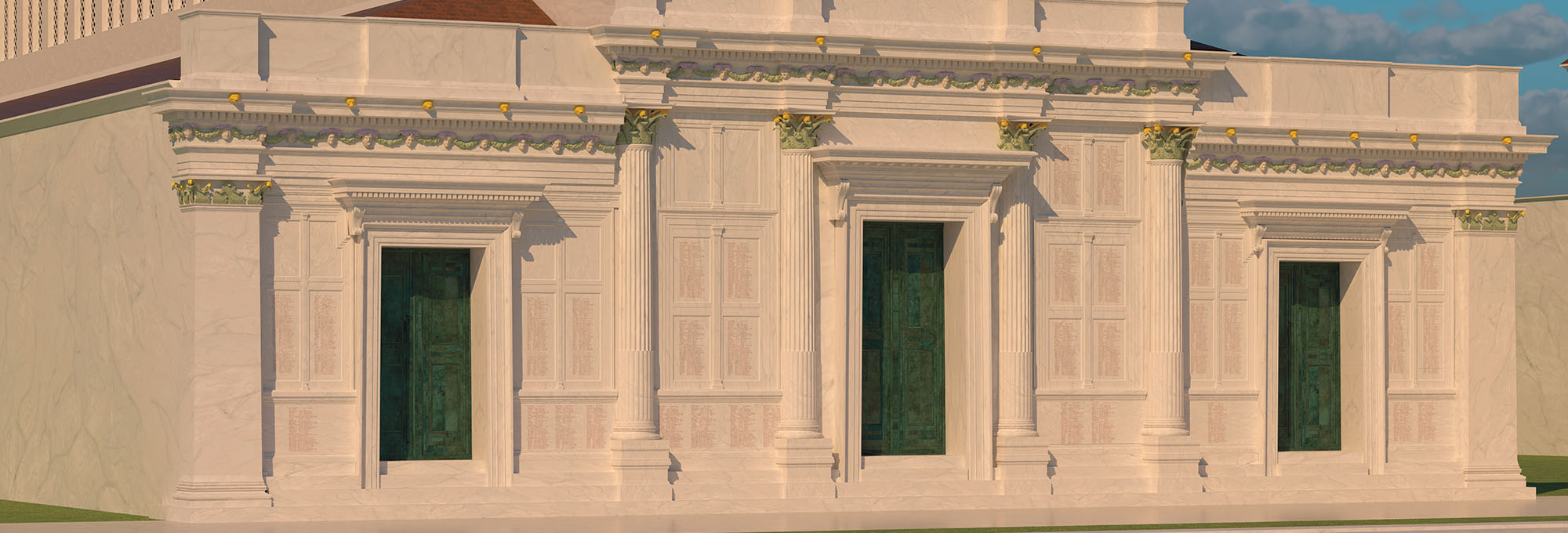 Ece Savaş and Philip Stinson
 -
Features January/February 2026
The Birds of Amarna
An Egyptian princess seeks sanctuary in her private palace
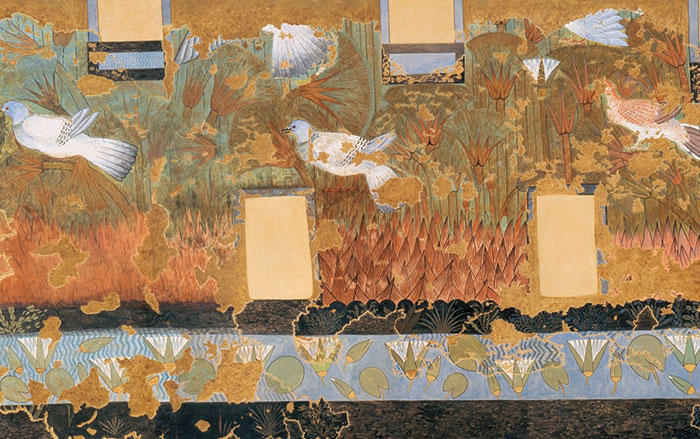 The Metropolitan Museum of Art, New York/ Rogers Fund, 1930
 -
Features January/February 2026
Taking the Measure of Mesoamerica
Archaeologists decode the sacred mathematics embedded in an ancient city’s architecture
 Courtesy Claudia I. Alvarado-León
 -
Features January/February 2026
Stone Gods and Monsters
3,000 years ago, an intoxicating new religion beckoned pilgrims to temples high in the Andes
 Courtesy John Rick