Carved Bone Stylus Recovered in Sicily

News January 13, 2026

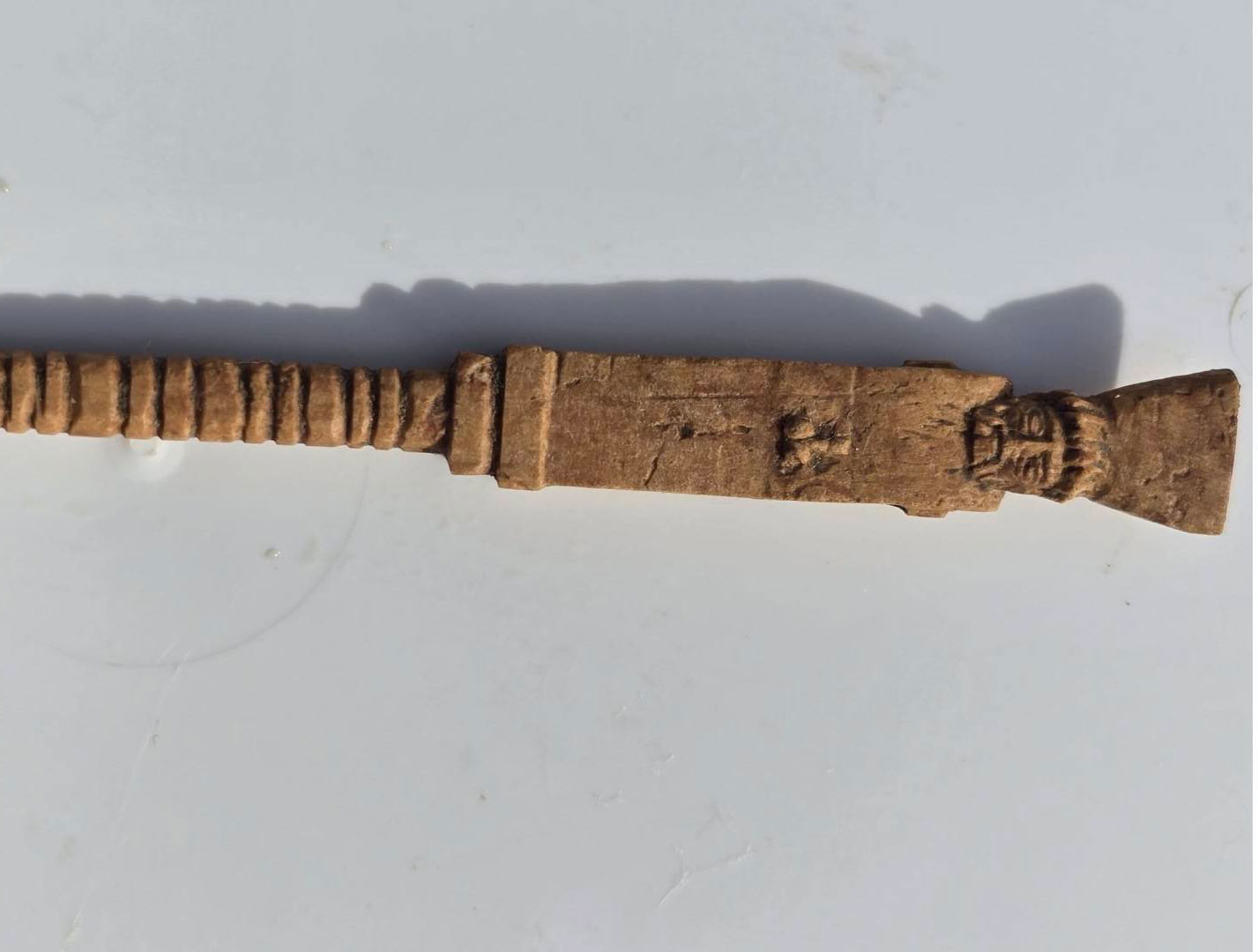
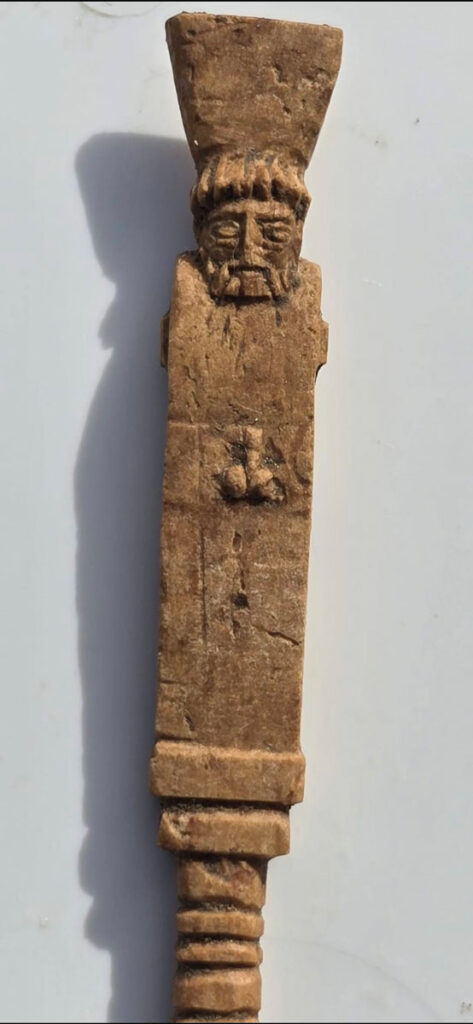
Bone stylus carved with a phallus and head, probably of Dionysus as a herm
Soprintendenza per i Beni Culturali e Ambientali di Caltanissetta
SHARE:

GELA, SICILY—La Brújula Verde reports that a bone stylus dated to the fifth century B.C. was unearthed in southern Sicily during an archaeological investigation conducted in advance of a construction project. The five-inch stylus was recovered from an area with a paved surface and collapsed structures that are thought to have been used as workshops in the Greek colony. The top of the stylus is carved with a man’s head, perhaps representing Dionysus as a herm or a bust in a squared stone pillar. The central part of the pillar features a carving of a phallus. Archaeologist Gianluca Calà, excavation director for the Municipality of Gela, said that the fragility of the item, and the delicacy of the carvings, suggests that the stylus may have served a symbolic purpose. To read about a first-century A.D. iron stylus excavated along London's River Thames, go to "Provincial Pen Pal."
  • Features January/February 2026

    The Cost of Doing Business

    Piecing together the Roman empire’s longest known inscription—a peculiarly precise inventory of prices

    Read Article
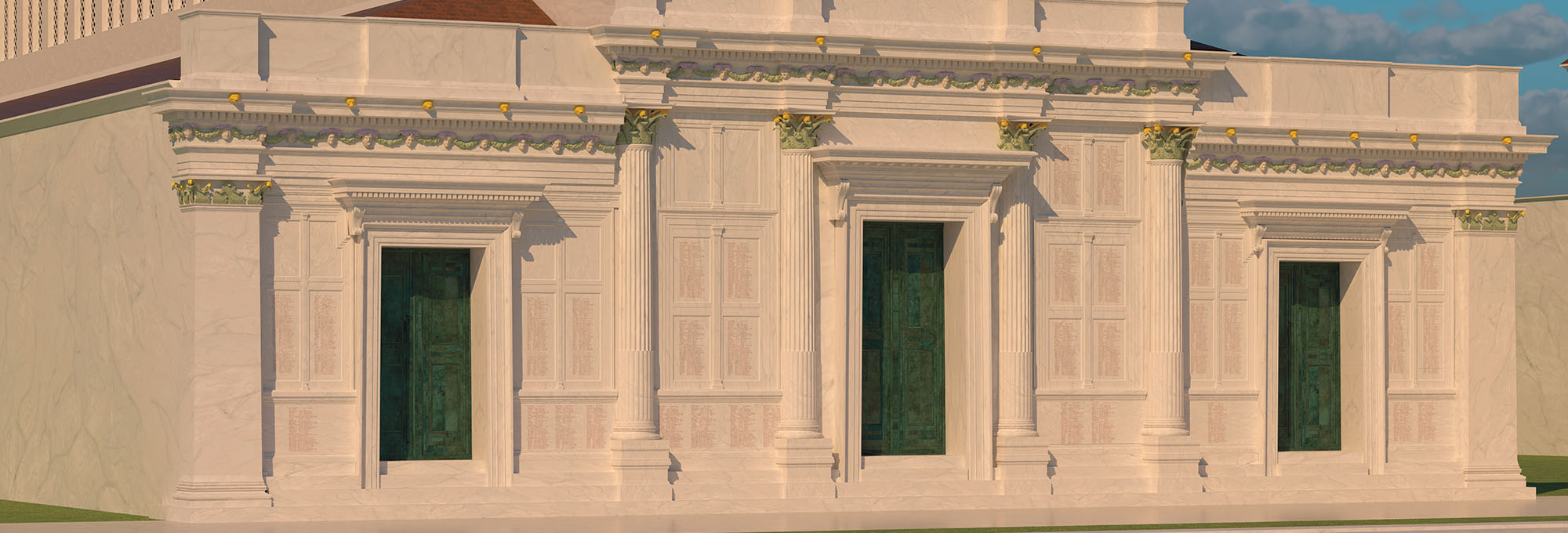
    A digital reconstruction shows how the Civil Basilica in the city of Aphrodisias in southwestern Anatolia would have appeared with the Edict of Maximum Prices inscribed on its facade.
    Ece Savaş and Philip Stinson
  • Features January/February 2026

    The Birds of Amarna

    An Egyptian princess seeks sanctuary in her private palace

    Read Article
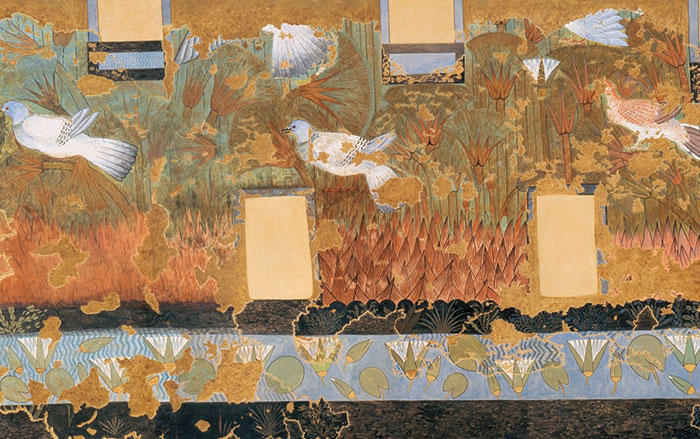
    The Metropolitan Museum of Art, New York/ Rogers Fund, 1930
  • Features January/February 2026

    Taking the Measure of Mesoamerica

    Archaeologists decode the sacred mathematics embedded in an ancient city’s architecture

    Read Article
    Courtesy Claudia I. Alvarado-León
  • Features January/February 2026

    Stone Gods and Monsters

    3,000 years ago, an intoxicating new religion beckoned pilgrims to temples high in the Andes

    Read Article
    The ritual center of Chavín de Huántar flourished in northern Peru.
    Courtesy John Rick