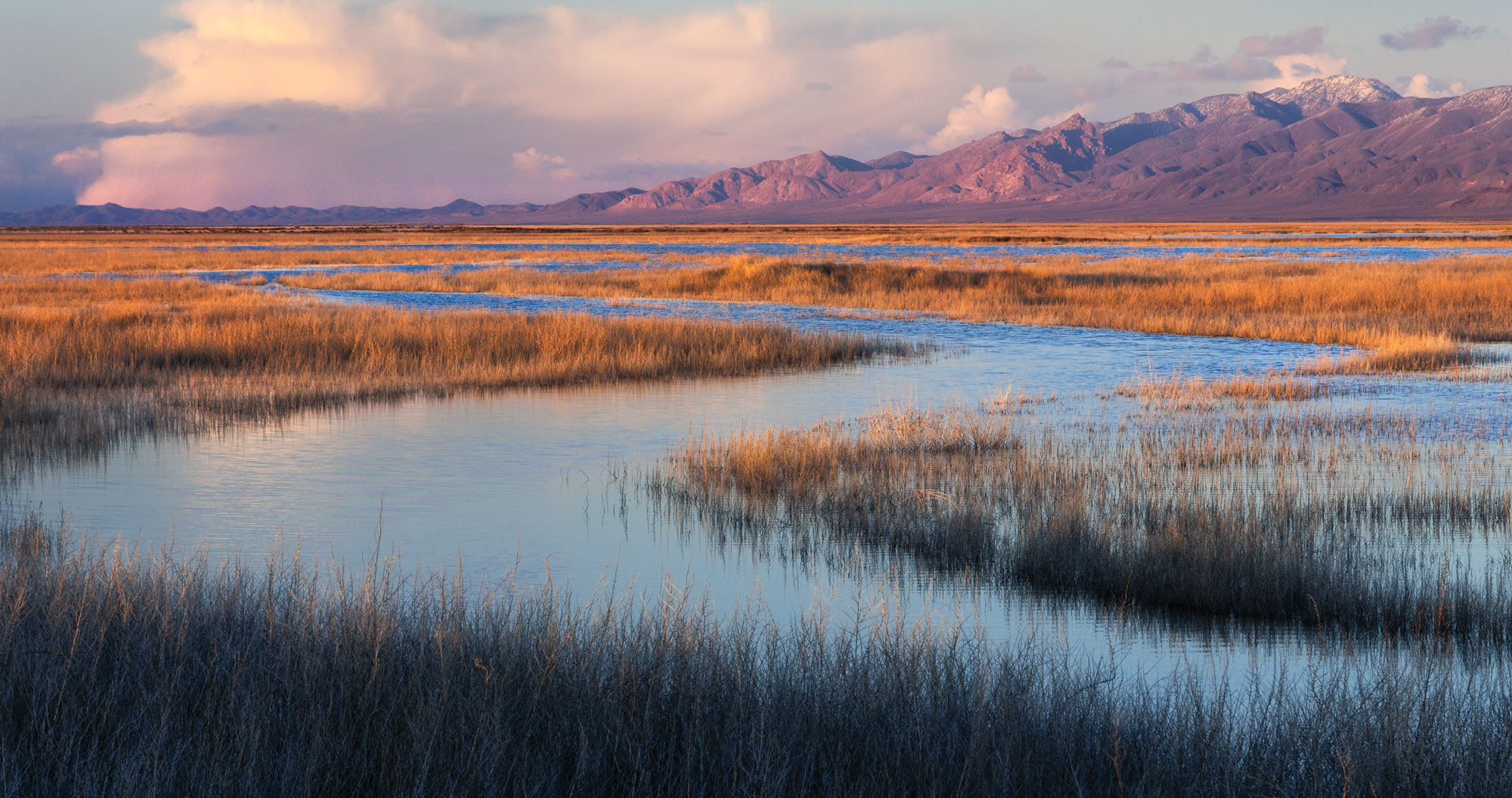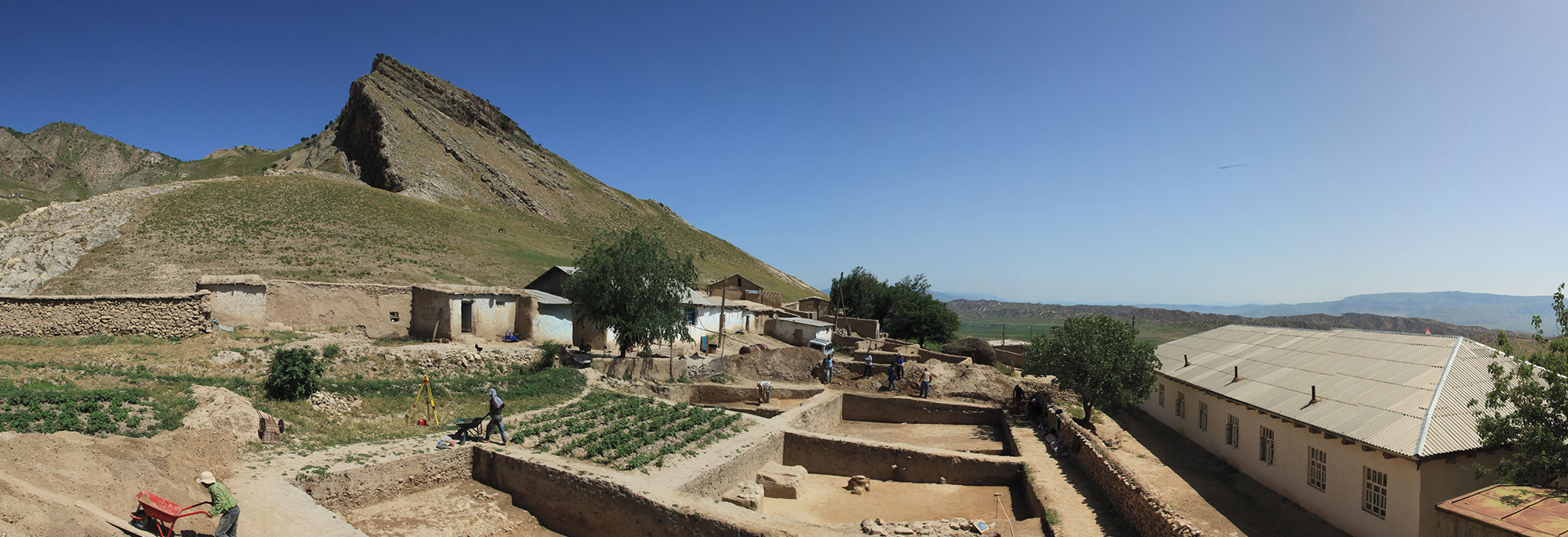
Along a rocky mountain ridge in southern Tajikistan, two steep cliffs jut above the sloping Lyangurt Valley, where the rural village of Torbulok sits. Although the area is often dry, water occasionally flows down the valley, perhaps a hint of the more abundant water sources that gave Torbulok its name, which means “four springs.” It’s nearly as difficult to traverse the terrain now as it would have been in antiquity when people ventured to this remote location in the region of Bactria, which encompassed parts of present-day Tajikistan, Uzbekistan, and Afghanistan. Potsherds still visible on the ground, as well as purposely sunken ceramic food containers, are evidence of the small ancient community that once existed here. These artifacts date to the Hellenistic era (323–30 b.c.), a period when Greeks ruled Bactria after the Macedonian king Alexander the Great conquered the region in 327 b.c.
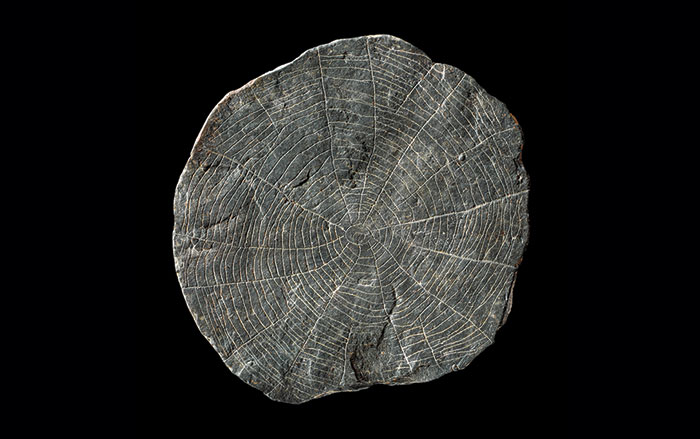
During construction of a village school in 2008, workers uncovered a three-foot-wide limestone water basin, which was then moved to the National Museum of Antiquities in Dushanbe. A few years later, archaeologist Gunvor Lindström of the German Archaeological Institute was at the museum studying fragments of stone vessels from other sites when a colleague brought the Torbulok basin to her attention.Lindström identified it as a perirrhanterion, a vessel used for ritual purification often found near altars or at the entrances to ancient Greek sanctuaries. The basin is similar in size and shape to perirrhanteria unearthed at the only two previously known Hellenistic sanctuaries in Bactria. Both sanctuaries—the Oxus Temple at Takht-i Sangin in southwestern Tajikistan and the Temple with Indented Niches at Ai Khanoum in northern Afghanistan—are located on the banks of the Amu Darya River, which was known in antiquity as the Oxus. The chance find at Torbulok suggested to Lindström that a Hellenistic sanctuary might once have stood at the site.