
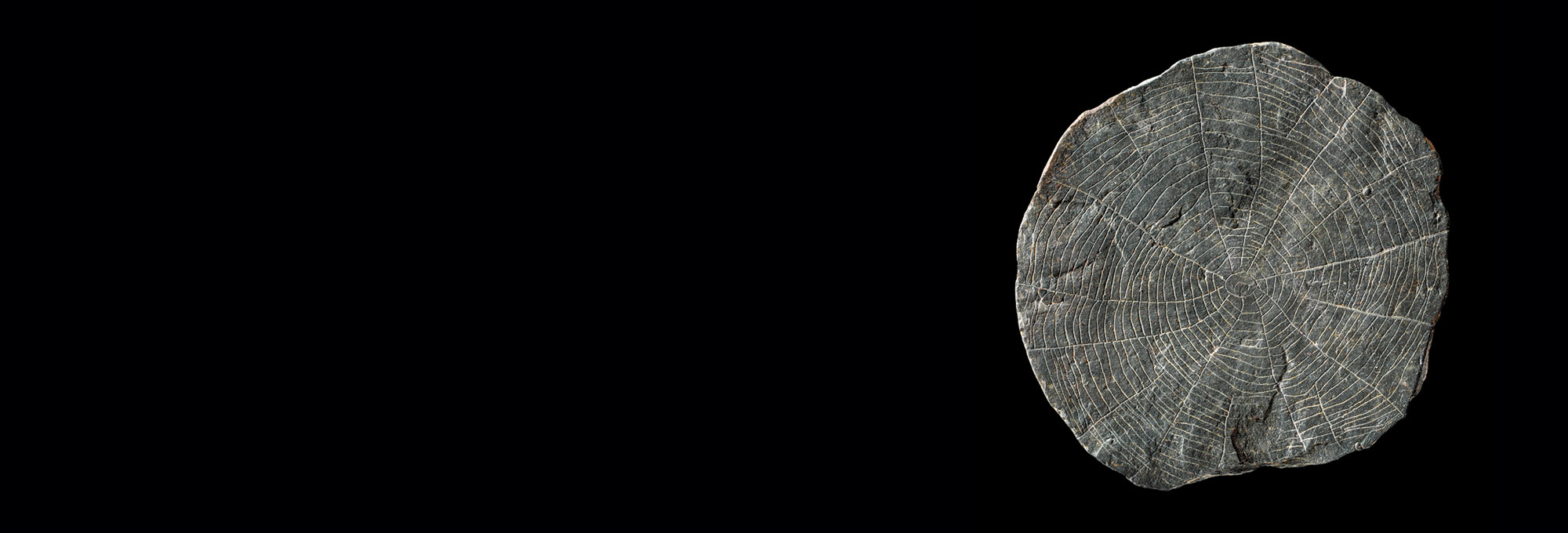
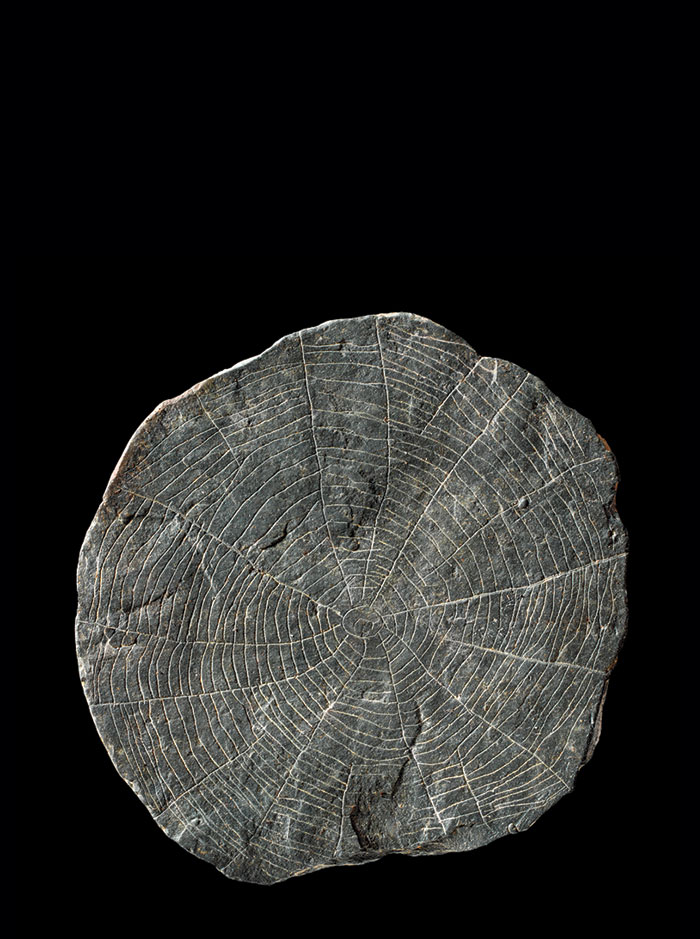
It had been getting colder and darker for the last few months, and the small community on the Danish island of Bornholm didn’t know what to think. Their ancestors had arrived more than a millennium before, in about 4000 b.c., and there had always been an abundant supply of domesticated grains and livestock, as well as wild plants, fish, and game. Recently, people had noticed that wild plants weren’t as robust as they once had been and that crops had begun to fail. During the next year, life grew ever more challenging—the sun was dim, even during daylight hours, resulting in colder days and nights and a decreasing supply of food.
Who could explain what they had done wrong? Which god or gods could they beseech for help? “In an agricultural society, you rely completely on the sun, and it must have been devastating,” says archaeologist Rune Iversen of the University of Copenhagen. “Imagine what it would be like living in Denmark in November for three years in a row. That’s really depressing. They don’t know why the sun looks so dark, they don’t know when—or if—it’s going to come bsuack. It must have been terrifying.” At a loss for how to cope, the islanders made a desperate attempt to change their circumstances. Perhaps they believed the sun itself needed nurturing, suggests Iversen. If that was the case, then they would grow the sun.