Around 570 B.C., the Greek colonists of Selinunte on the southwestern coast of Sicily held a ceremony to celebrate the completion of one of their city’s first temples to have been built entirely of stone. The festivities included an animal sacrifice and ritual feast accompanied by the piercing drone of the aulos, a woodwind instrument similar to an oboe that was an essential ingredient in such gatherings. “According to the literary, visual, and archaeological record, the aulos was ubiquitous across Greek cults and ceremonies,” says archaeologist Clemente Marconi of New York University. Indeed, as the first- and second-century A.D. philosopher Plutarch writes in his Moralia, “Remove the aulos, and worship becomes a dismal affair, lacking the true festival spirit.”
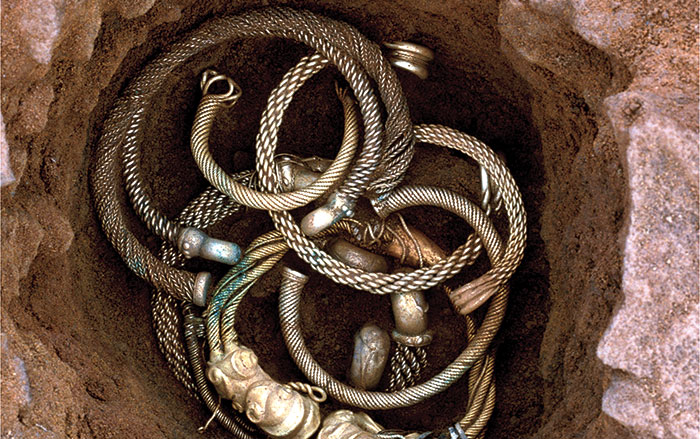
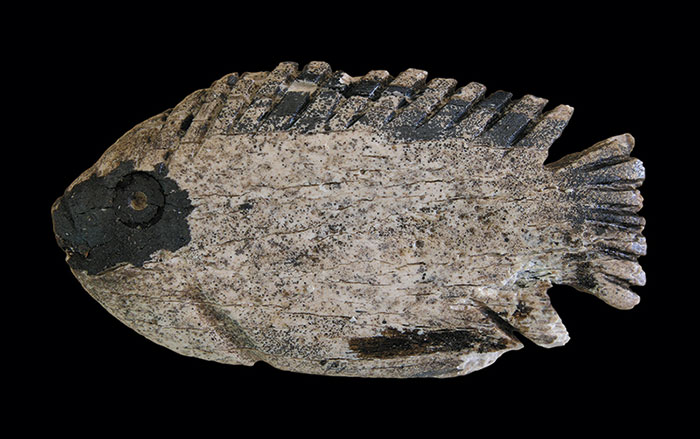
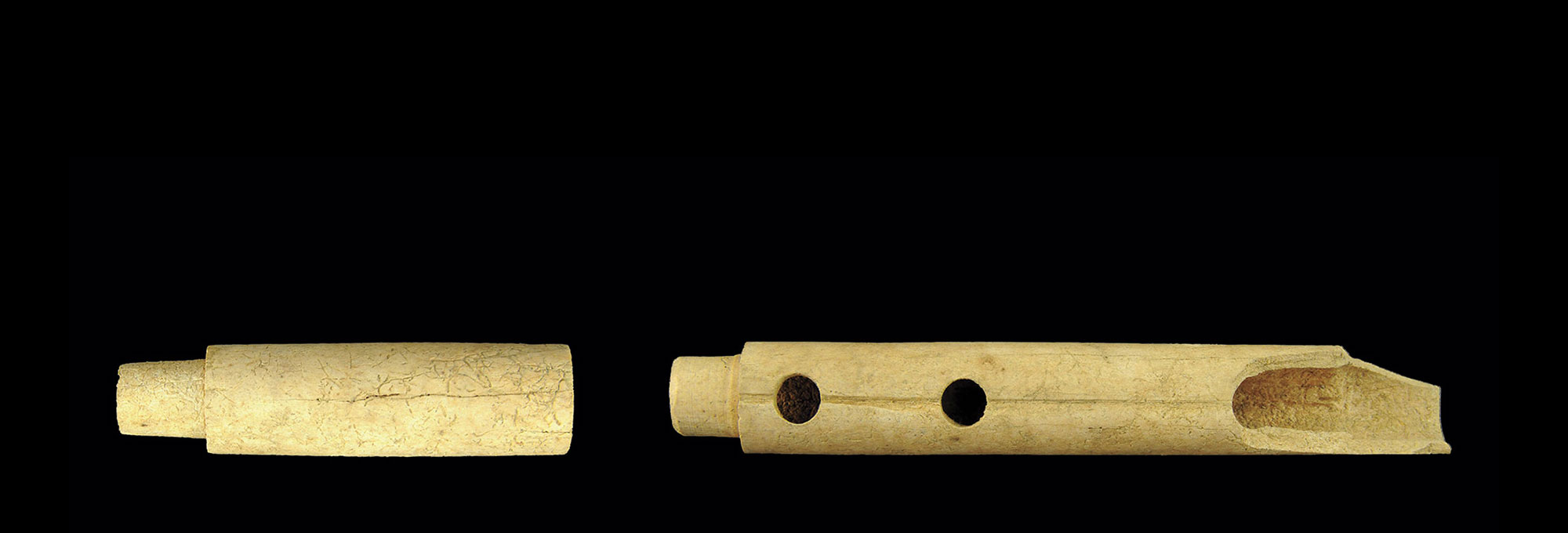
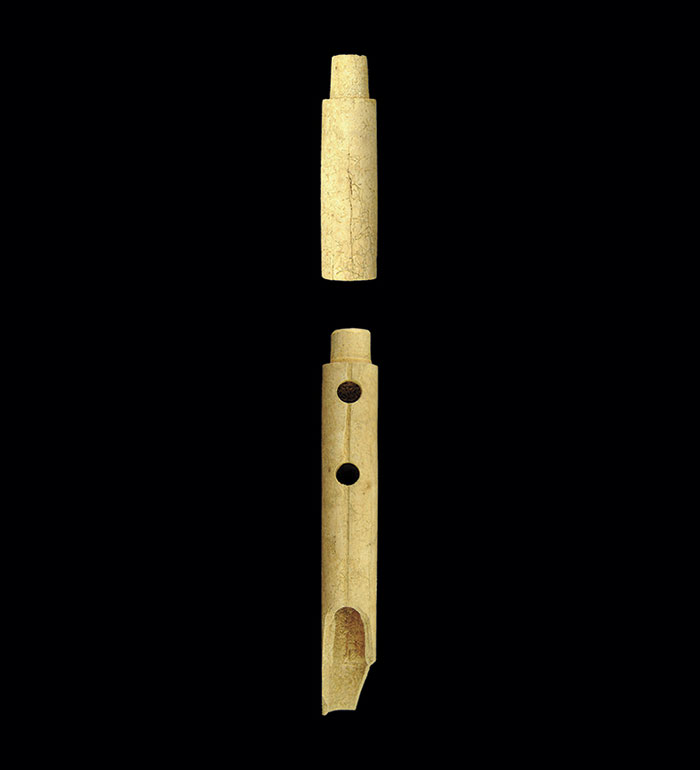
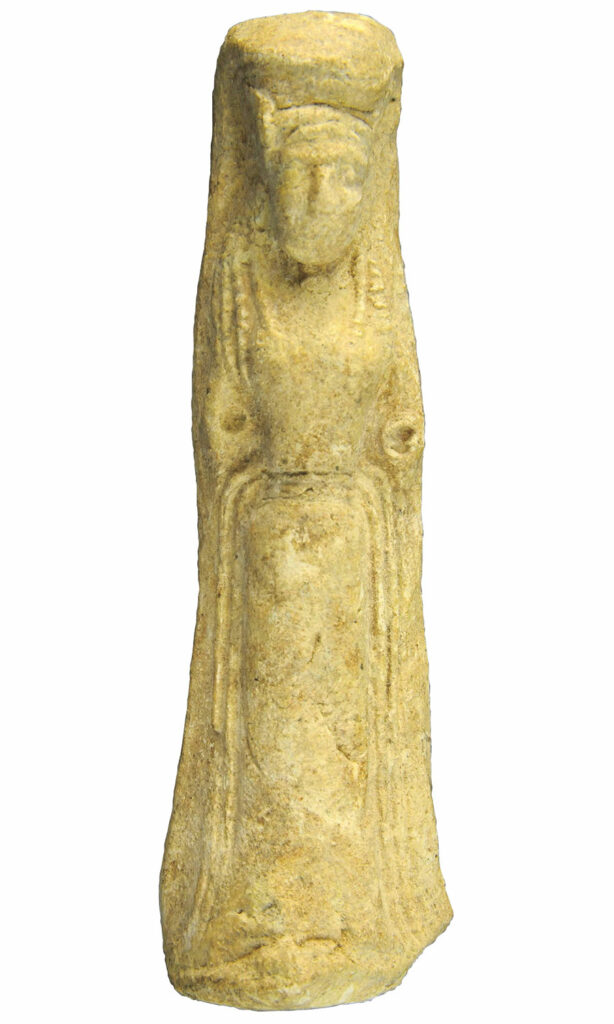
To cap the ceremony at Selinunte, a large votive offering was deposited along the walls of the temple’s cella. Between 2012 and 2025, a team led by Marconi excavated this foundation deposit and found that it contained around 250 objects, including weapons, vases, terracotta figurines, and animal bones. There were also two parts of an aulos crafted from the leg bone of a deer, which had no doubt been played during the ceremony. The pieces fit together and are likely part of the same instrument, though its mouthpiece and a lower section with additional finger holes are missing. Marconi says that the aulos might have been imported from mainland Greece, based on its high level of craft and similarities with instruments discovered in the city-state of Sparta. He notes that auloi are known to have been left as offerings to mark the end of a musician’s career, to express thanks for the fulfillment of a vow, or as a prayer for protection, health, or success—including victory in musical contests. “In the absence of a votive inscription,” says Marconi, “all of these remain plausible explanations for the dedication of our instrument.”