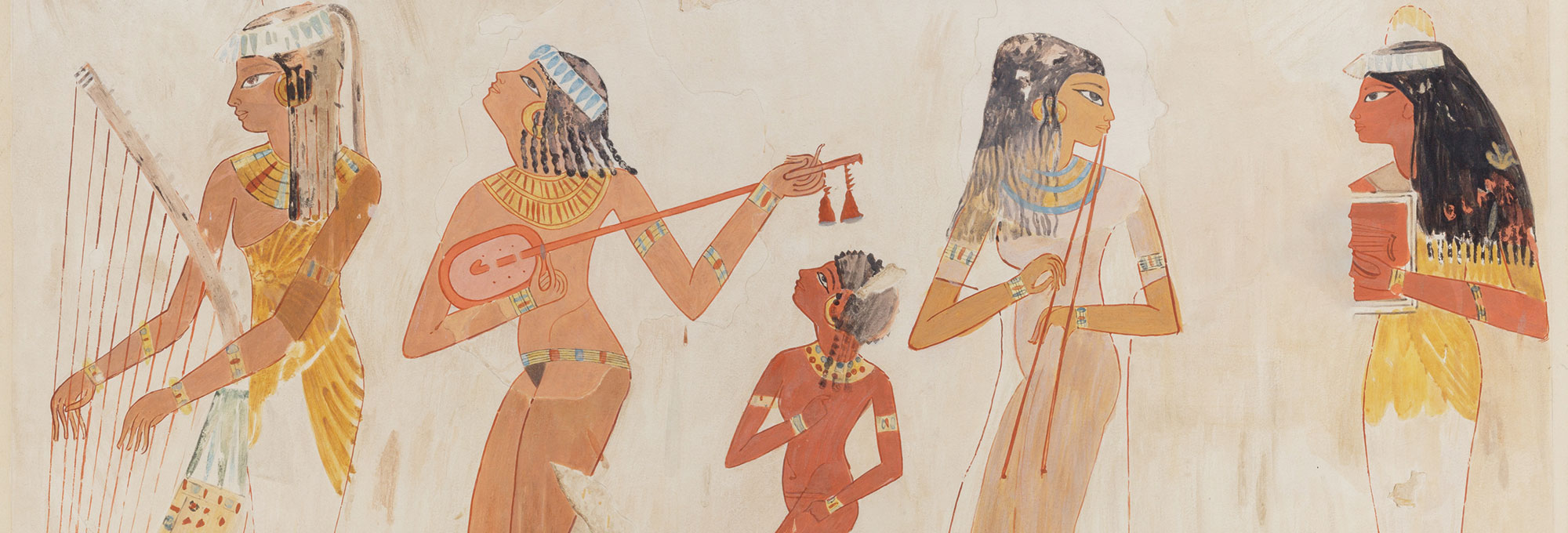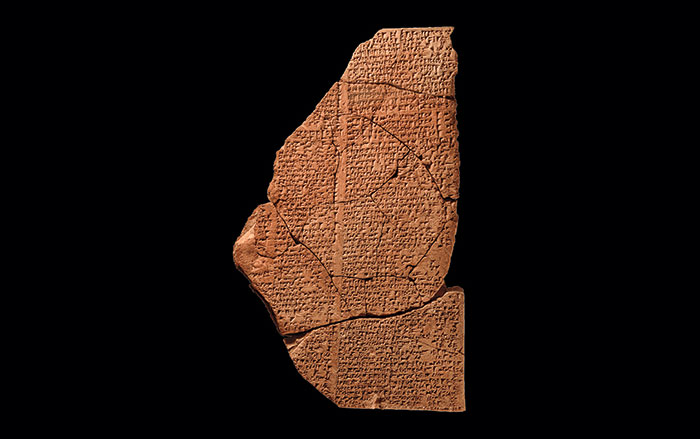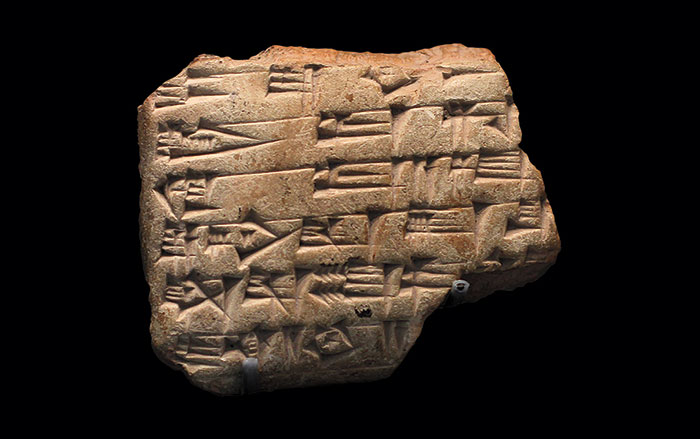
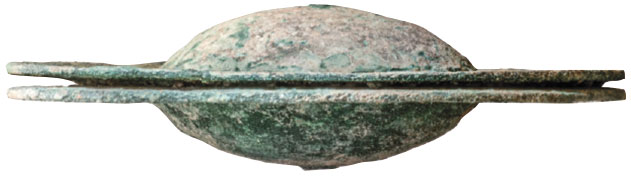
The clash of metal cymbals and other percussion instruments accompanied dances and processions in Mesopotamia at least as early as the third millennium B.C. Multiple steles from the Sumerian city-state of Ur depict musicians playing cymbals. Cuneiform texts on terracotta cylinders found in the nearby Sumerian city-state of Girsu describe the instruments’ conspicuous use during the dedication of a temple built by King Gudea (reigned ca. 2150–2125 B.C.). Archaeologists have also found cymbals in temples and burials throughout the Levant, the Persian Gulf, and the Indus Valley in modern-day Pakistan.
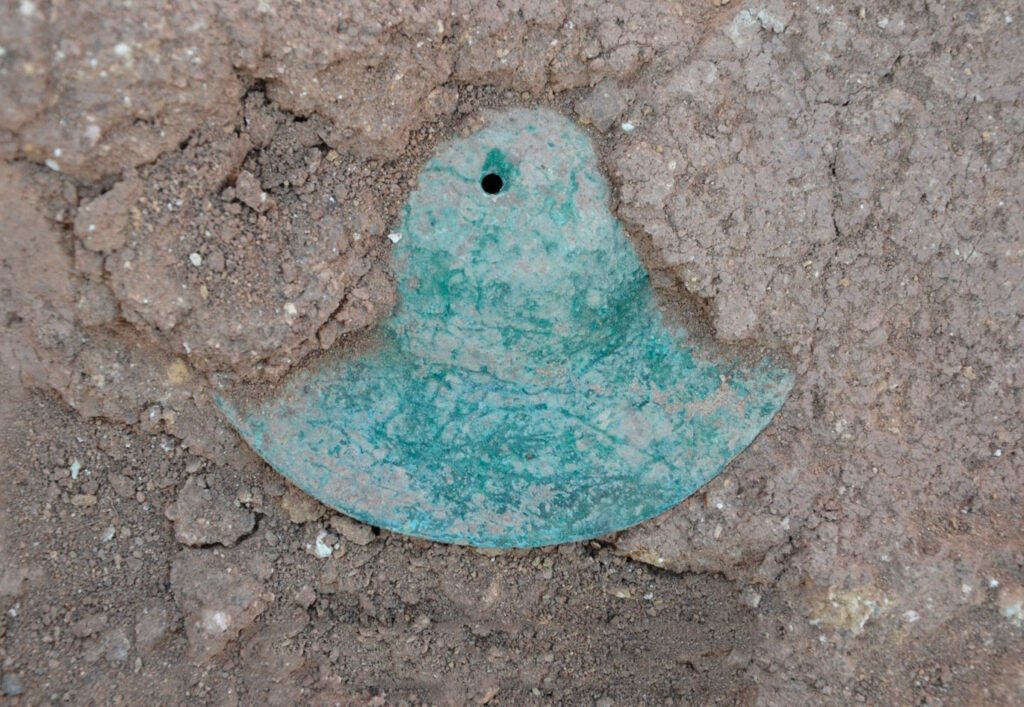
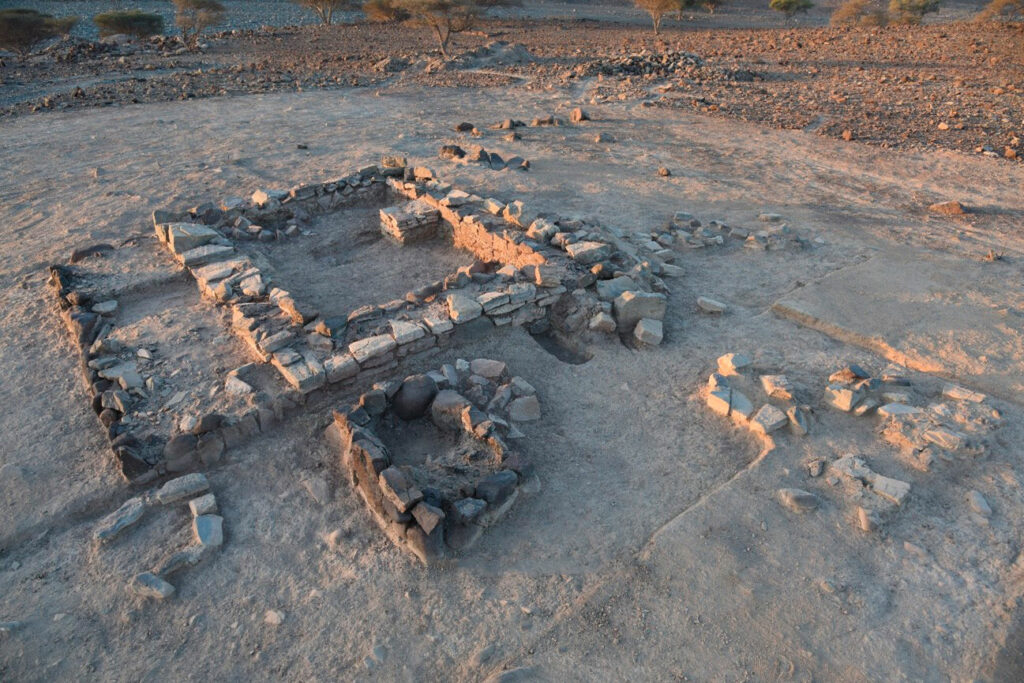
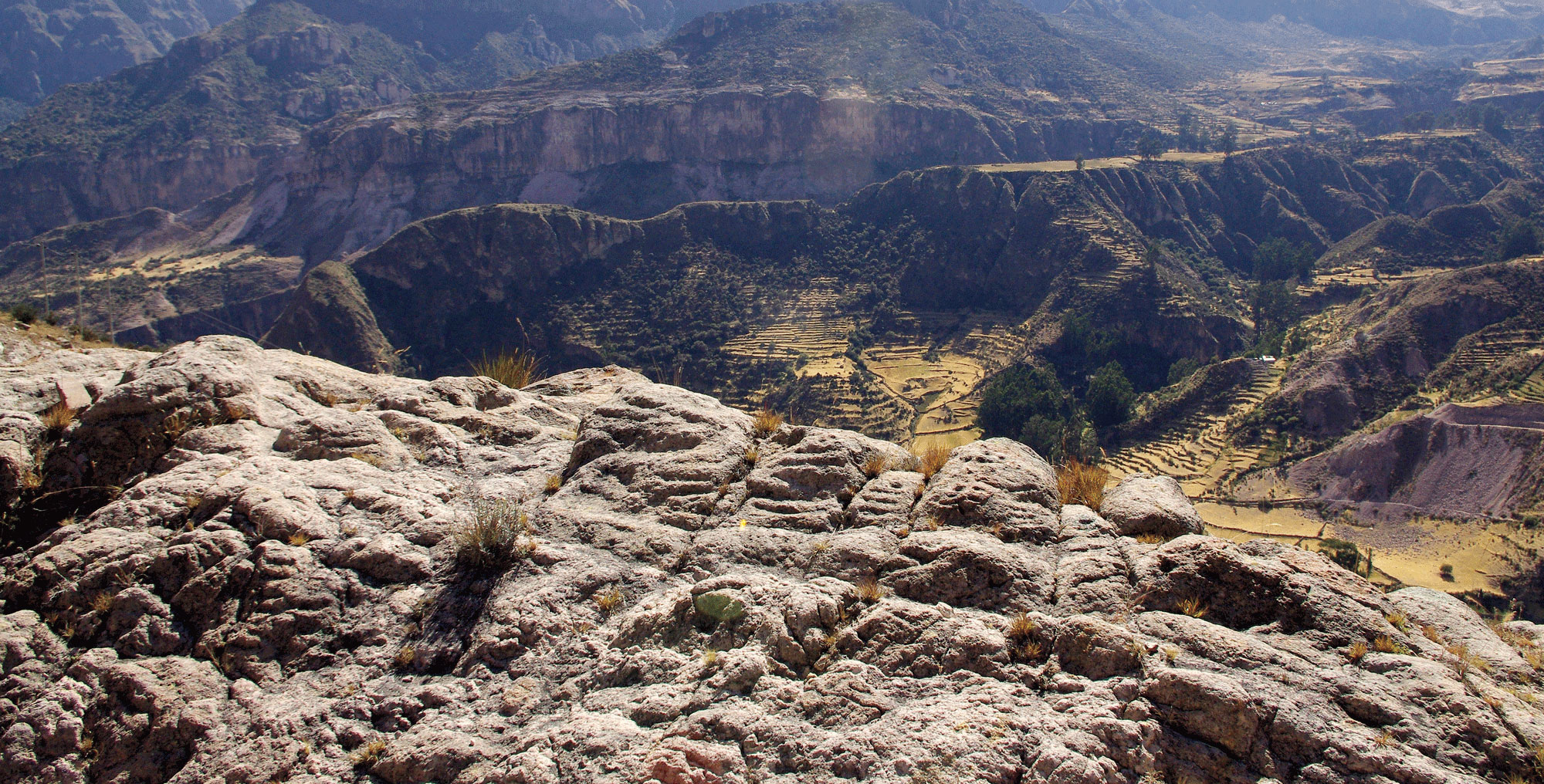
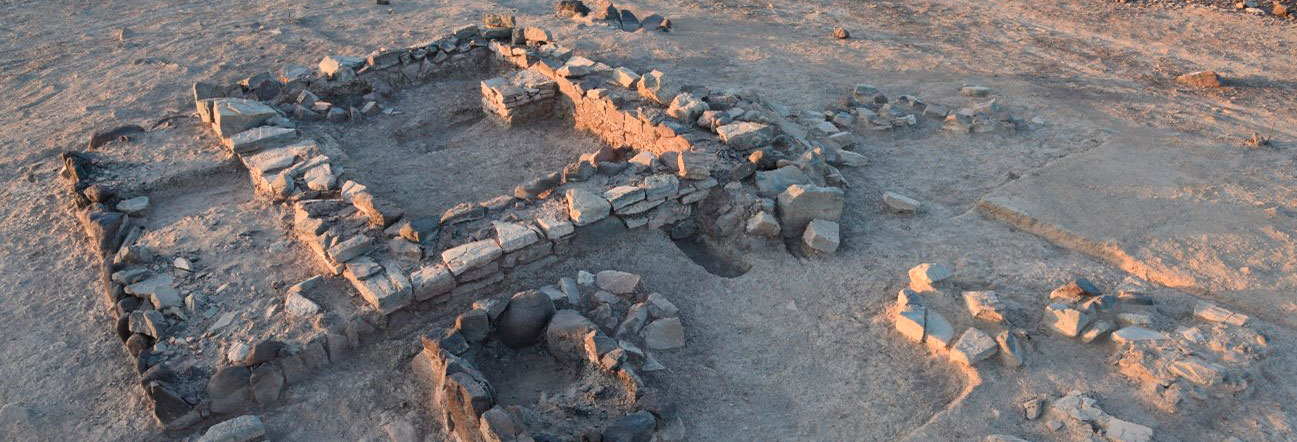
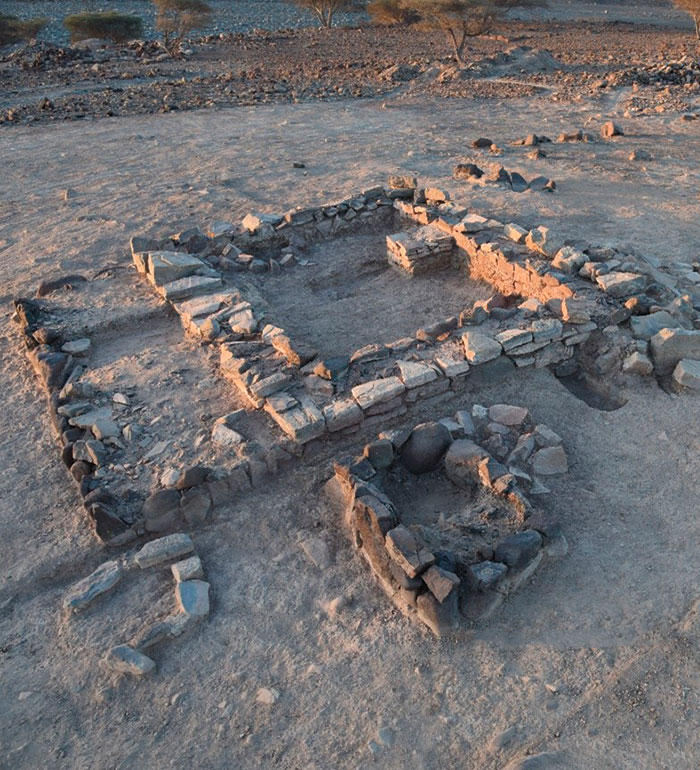
A team led by archaeologists Khaled Douglas and Nasser Al-Jahwari of Sultan Qaboos University recently uncovered a pair of copper-alloy cymbals while excavating a small building on the summit of the site of Dahwa in northern Oman. The settlement was inhabited by the Umm an-Nar people from about 2700 to 2000 B.C. and was also home to craftspeople and merchants who migrated there from the Indus Valley during a period of booming interregional trade. The cymbals, which measure 5.4 inches in diameter and date to between about 2200 and 2000 B.C., were placed carefully, one atop the other, beneath the stone floor in a corner of the structure. Douglas and Al-Jahwari believe that the instruments may have been deposited as an offering. Using lead isotope analysis, the researchers determined that the copper used to craft the cymbals was likely mined some 100 miles southwest of Dahwa. The instruments closely resemble a pair of mid-third-millennium B.C. cymbals excavated at the Indus Valley city of Mohenjo-Daro as well as sets found in southern Mesopotamia. According to the researchers, the similarities among these cymbals may be evidence that people living around the Persian Gulf and in the Indus Valley shared musical traditions.