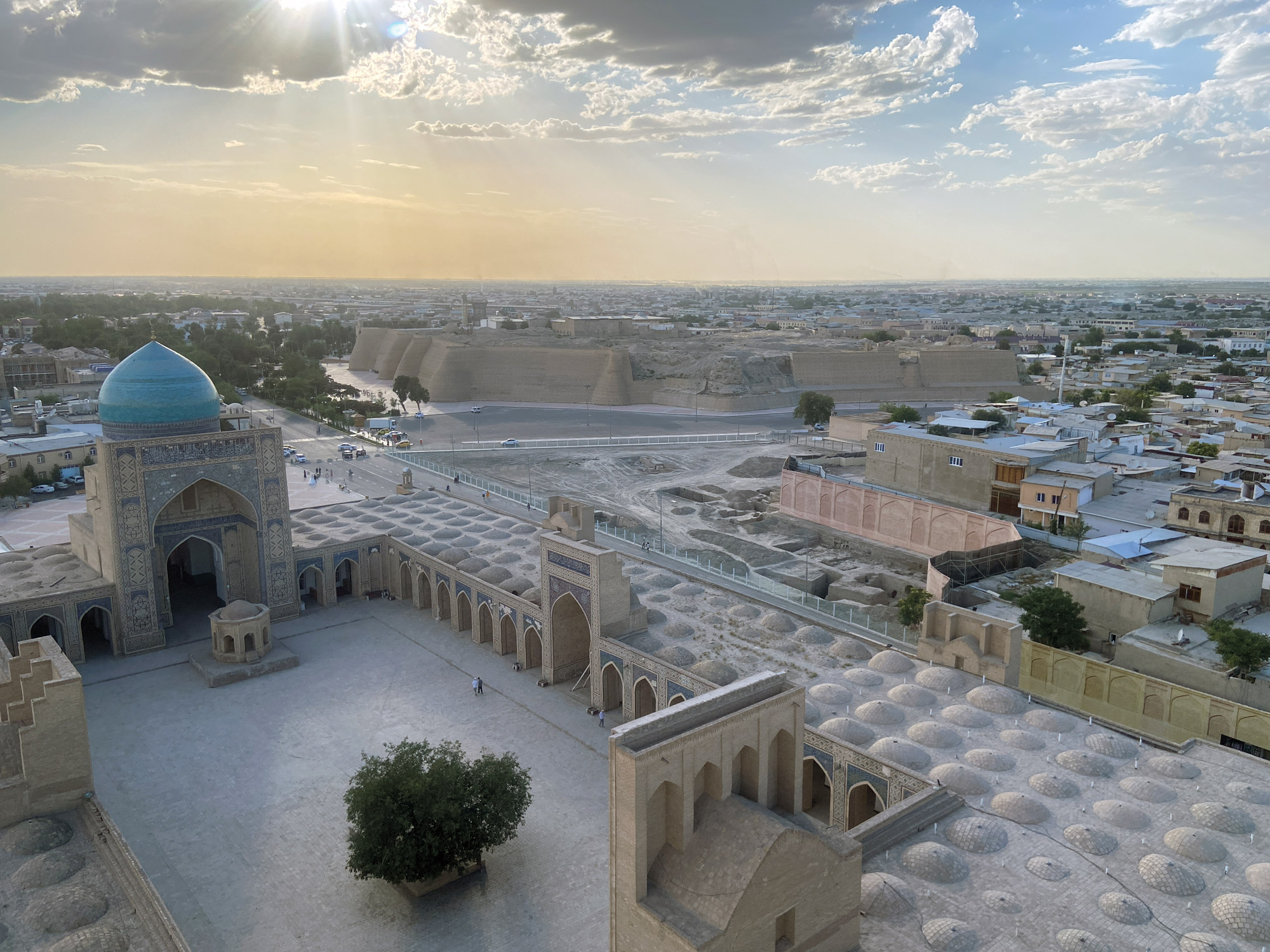
Love of music may be universal, but not all music is universally loved, particularly when a genre is new. In his poem Model Music, the Tang Dynasty (A.D. 618–906) poet and musician Bai Juyi grouches that the imperial court, and by extension all of China, was being corrupted by a novel sound that melded unwelcome Central Asian styles with cherished Chinese traditions. A furious Bai writes, “The barbarian music sounds evil and disordered, whereas Chinese music sounds harmonious!” The barbarians of whom Bai complains were Sogdians, an Iranian people from what is now Uzbekistan and Tajikistan. Sogdian merchants began to travel the Silk Road trade routes that crossed Central and East Asia in the early first millennium A.D., bringing all manner of goods to the Chinese court, along with their infectious musical and dancing fashions.
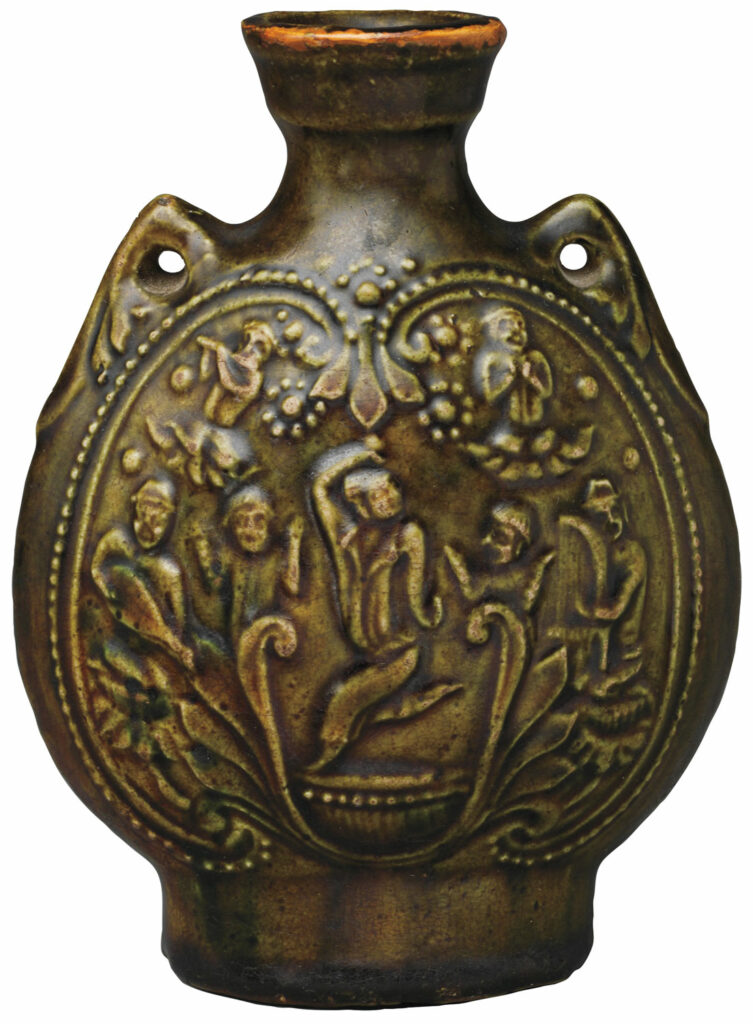
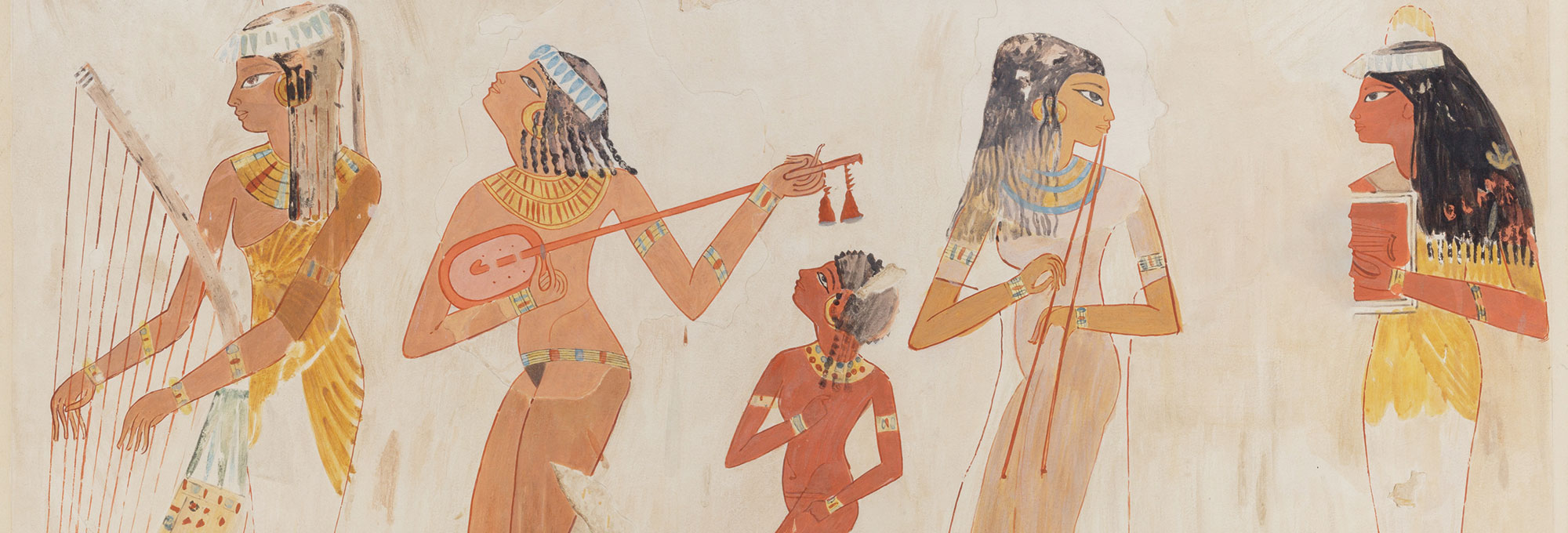
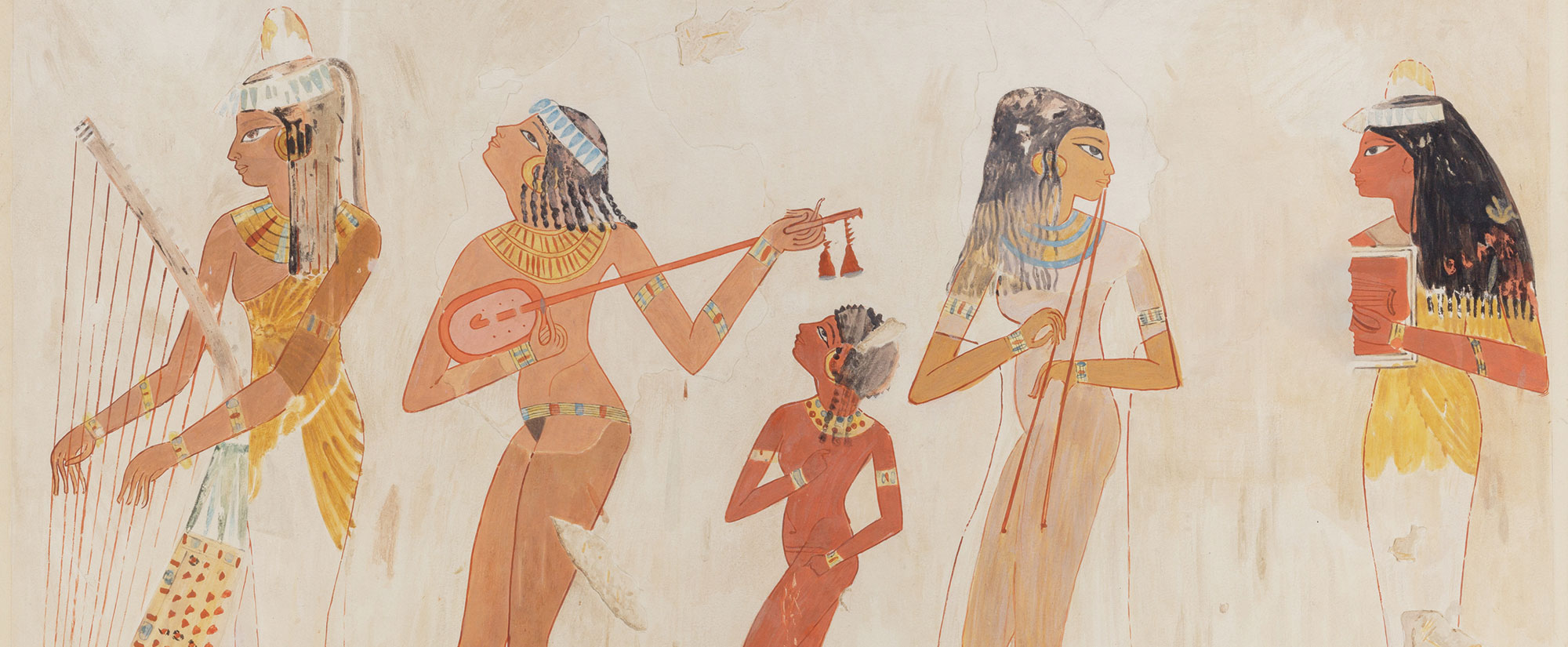
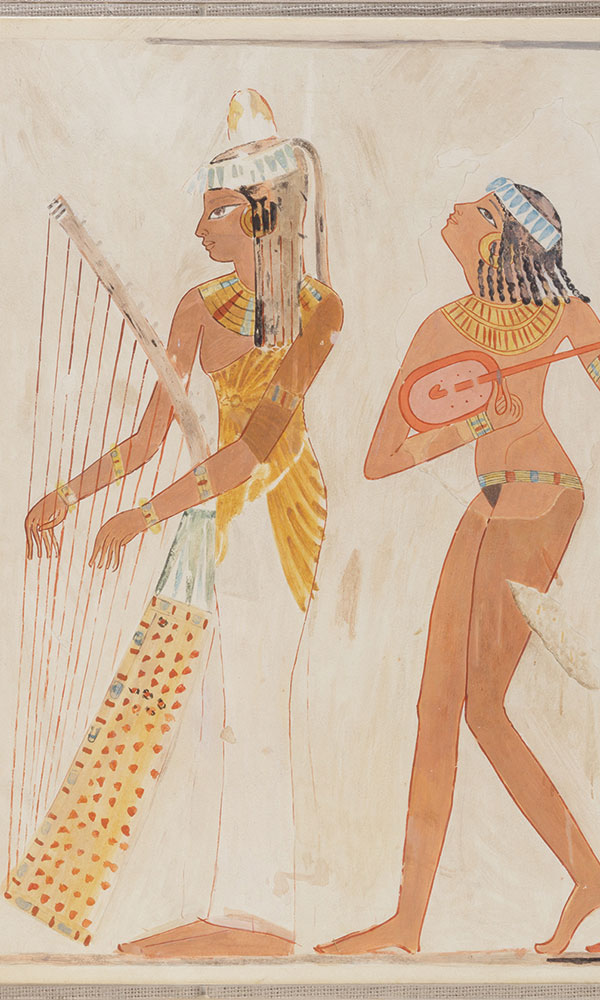
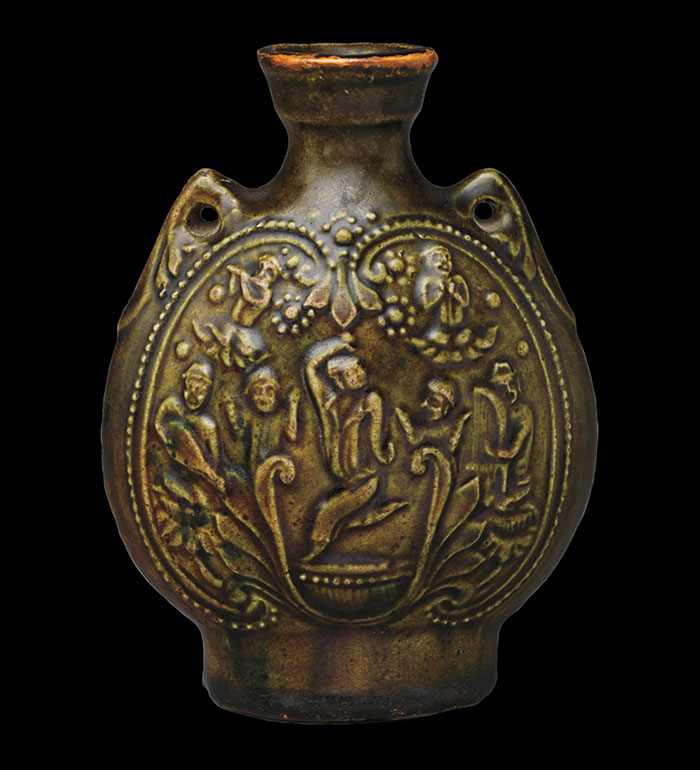
In the eighth century A.D. in particular, Sogdian culture was all the rage at the imperial court, and Sogdian music was played during performances of an extravagantly energetic dance known to the Chinese as the Whirling Barbarian and called the Sogdian Whirl by modern scholars. Stone funerary monuments and ceramic vessels dating to as early as the sixth century A.D. depict banquets featuring dancers in Central Asian dress spinning furiously while musicians play Sogdian instruments such as angular harps and short-necked lutes. This was a nightmare scenario for connoisseurs of traditional Chinese music, including Bai. These aficionados despised the emperor Xuanzong (reigned A.D. 712–756), who loved the Whirling Barbarian and delighted in the fact that his 400-pound half-Sogdian general An Lushan was an accomplished practitioner of the dance. Perhaps Xuanzong’s appreciation of An Lushan’s dance moves blinded him to the general’s intentions. An Lushan went on to lead a rebellion that nearly succeeded in toppling the Tang Dynasty and resulted in the deaths of millions of people. In the uprising’s aftermath, the appeal of Sogdian music faded, but its influence endured. Instruments introduced by the Sogdians are still played in China today.