When the Romans encountered a medley of invading Celtic armies at the Battle of Telamon in 225 B.C. in central Italy, they were aghast—many of the fighters were naked and raising an almighty ruckus. “There were among them such innumerable horns and trumpets,” writes the second-century B.C. Greek historian Polybius. “Their cries were so loud and piercing that the noise seemed not to come merely from trumpets and human voices, but from the whole countryside at once.” One source of the Celts’ cacophony was the carnyx, a copper-alloy war horn as tall as a man that blared an unearthly noise. “The sound could carry for miles, inspiring your own troops and terrifying the enemy,” says archaeologist Fraser Hunter of the National Museum of Scotland. “Sonic warfare is not a bad way to think of it.”
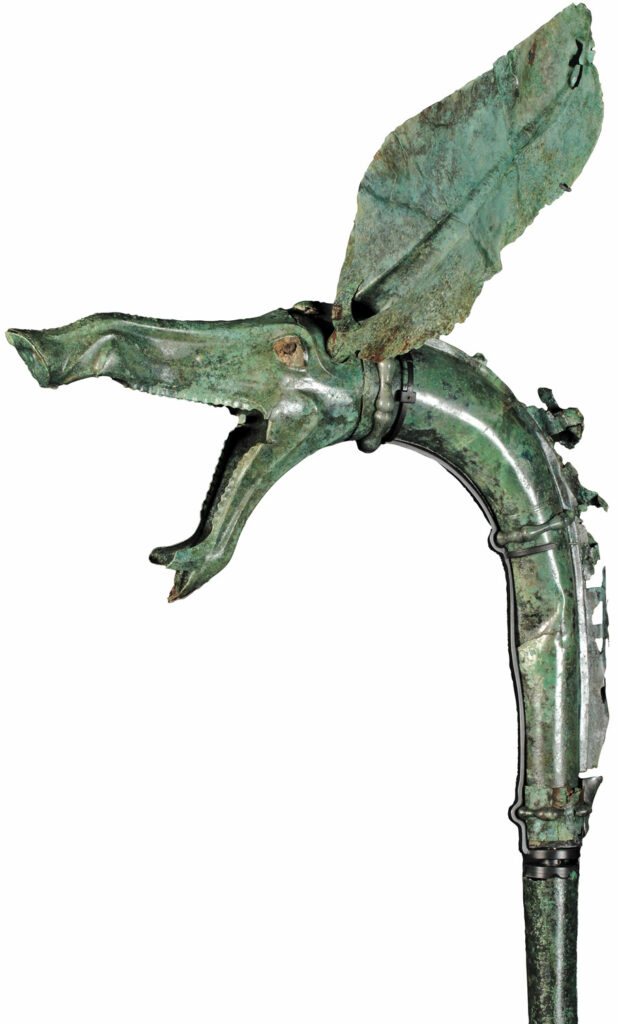
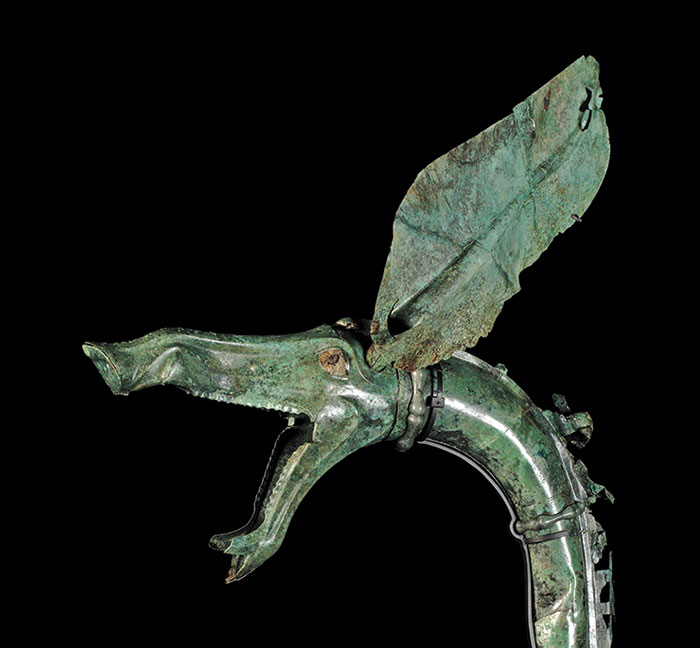
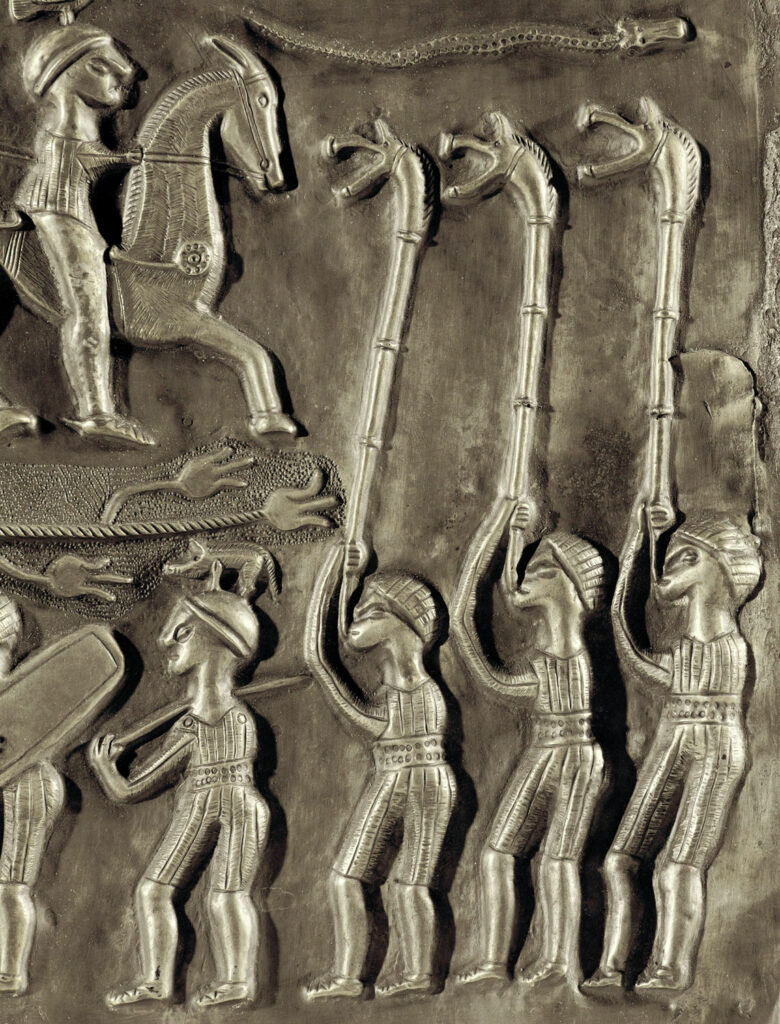
For about 500 years beginning around 300 B.C., Celtic and other non-Roman people across western and central Europe crafted fantastical carnyces, which are depicted on all manner of artifacts. Images of the instruments on coins and vessels, as well as in sculptures, indicate that carnyces were straight metal tubes ending in a mouthpiece. They were sometimes played pointed up with the musician’s head tilted back. The horns’ bells were hammered or cast in the shape of a frenzied beast’s head—almost always a boar—that flashed its wild eyes and bared its fangs. Some even had tongues that lolled and jaws that clattered when the horn was played. “Carnyces were meant to be recognizable from very, very far away,” says archaeologist Christophe Maniquet of the French National Institute of Preventive Archaeological Research.
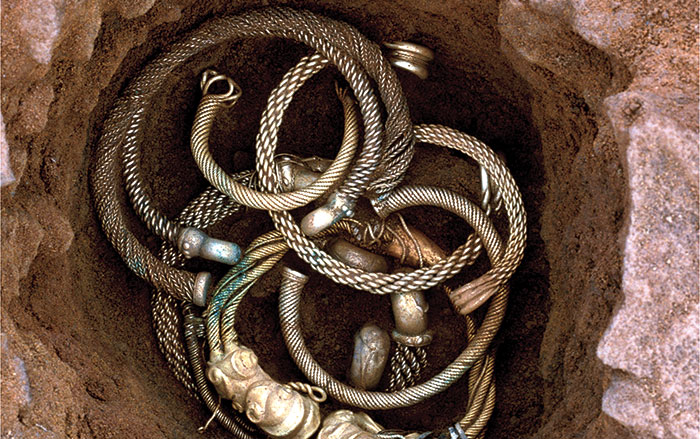
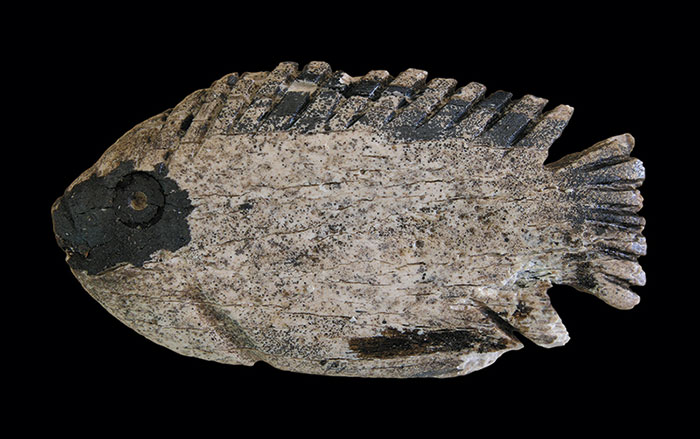
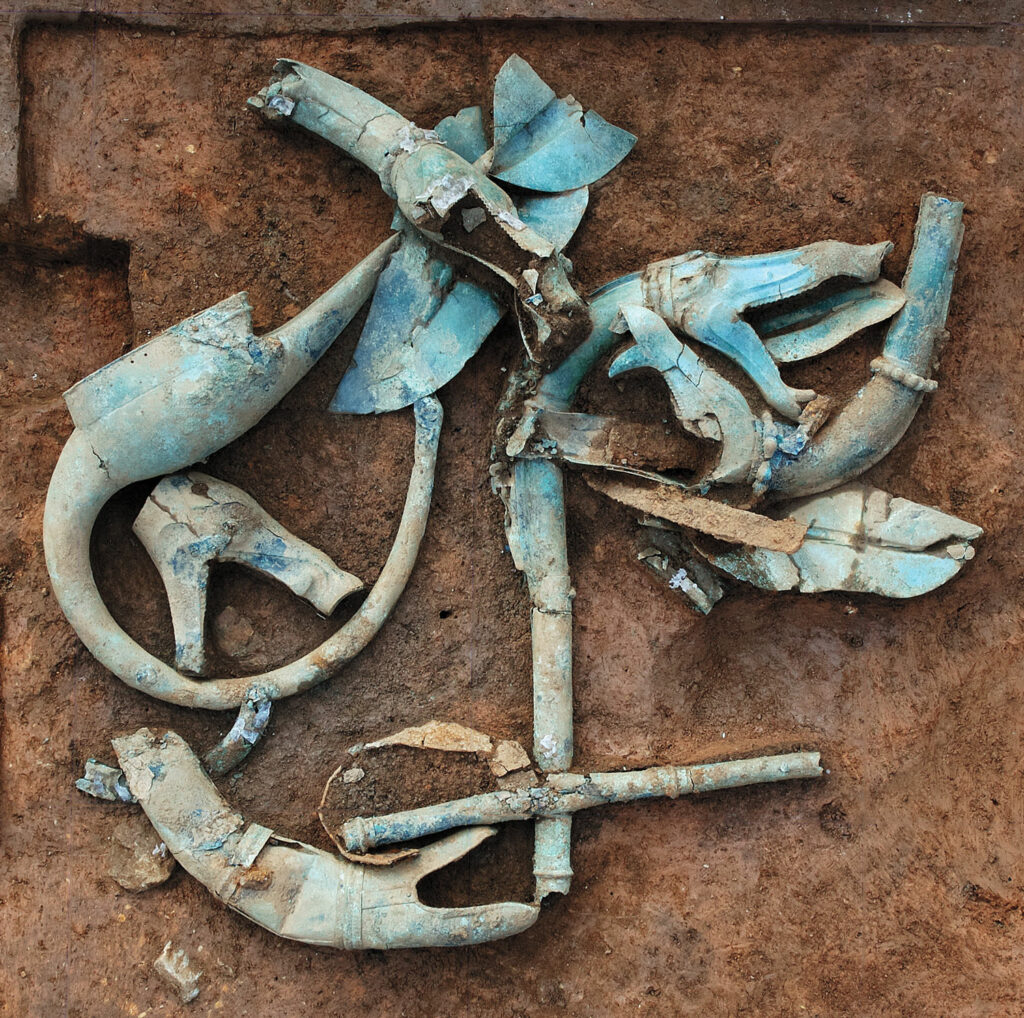
Fewer than two dozen carnyces have been discovered, all fragmentary. In 2004, Maniquet discovered around 50 pieces of seven carnyces buried in the late first century B.C. at a Celtic sanctuary called Tintignac in central France. The finds included a boar-headed war horn with ears that flared out 18 inches as well as an unusual example with a serpent’s head. Almost all known carnyces have been found at sacred sites, and the instruments appear to have been deliberately dismantled before being buried as offerings. “They’re powerful objects that are being put beyond human use,” says Hunter. “They’re being offered such that they’ll never be played in this world again.”
To see more images of carnyces and hear how the fearsome instruments sounded, click here.