Hand Stencil in Indonesia Named Oldest Rock Art

News January 22, 2026

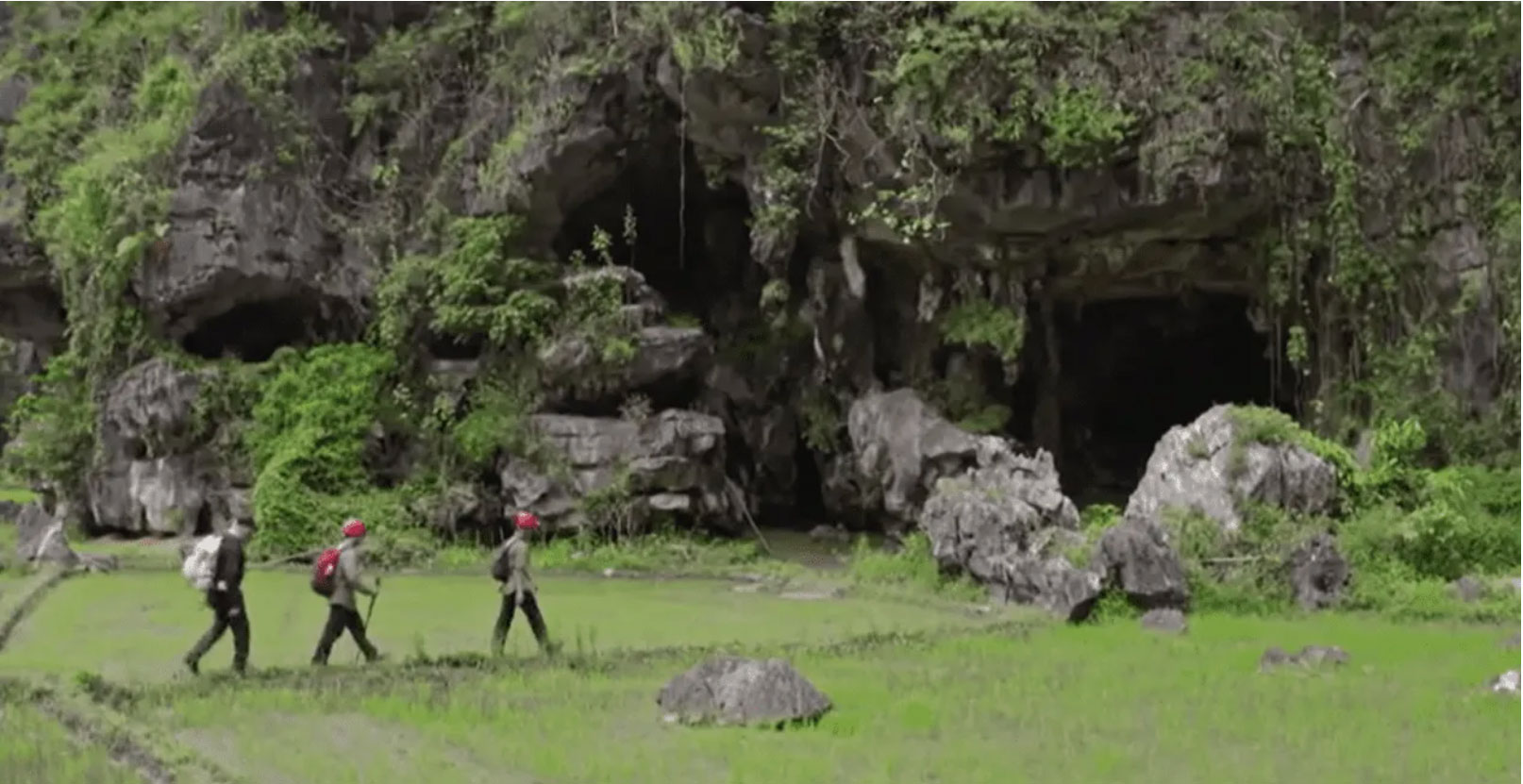
Cave entrance on the satellite island of Muna, Sulawesi, Indonesia
Griffith University
SHARE:

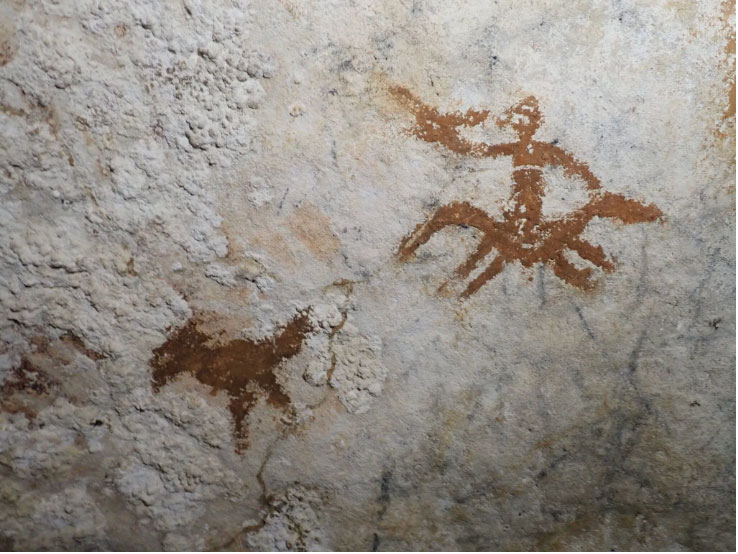
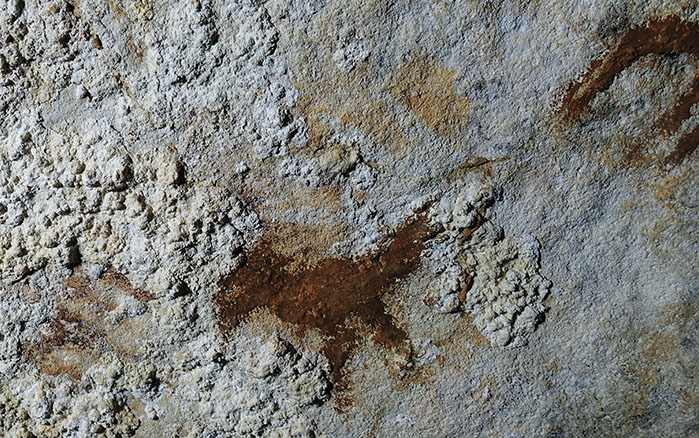
BRISBANE, AUSTRALIA—According to a Science News report, Adam Brumm of Griffith University and his colleagues dated 11 cave paintings found on small islands to the southeast of the Indonesian island of Sulawesi, and determined that a hand stencil in Metanduno Cave on Muna Island is about 67,800 years old. Brumm suggests that the person who made the stencil by placing their hand against the wall and then spraying a mouthful of paint around it was part of the population of modern humans who traveled the region in dugout canoes. This group of people is thought to have eventually reached the continent of Sahul, which once connected New Guinea and Australia, some 65,000 years ago. The stencil in Metanduno Cave was then slowly encrusted with minerals and surrounded with later charcoal and ocher drawings. Read the original scholarly article about this research in Nature. For more on the cave art of Sulawesi, go to "Shock of the Old."

  • Features January/February 2026

    The Cost of Doing Business

    Piecing together the Roman empire’s longest known inscription—a peculiarly precise inventory of prices

    Read Article
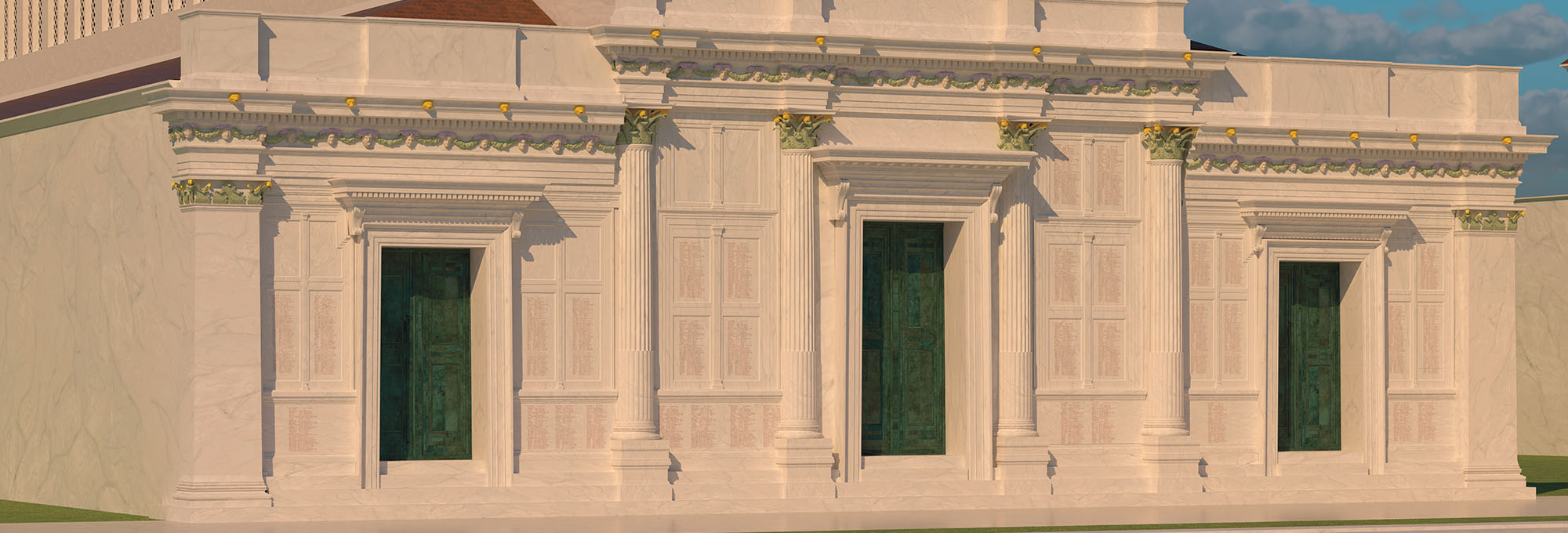
    A digital reconstruction shows how the Civil Basilica in the city of Aphrodisias in southwestern Anatolia would have appeared with the Edict of Maximum Prices inscribed on its facade.
    Ece Savaş and Philip Stinson
  • Features January/February 2026

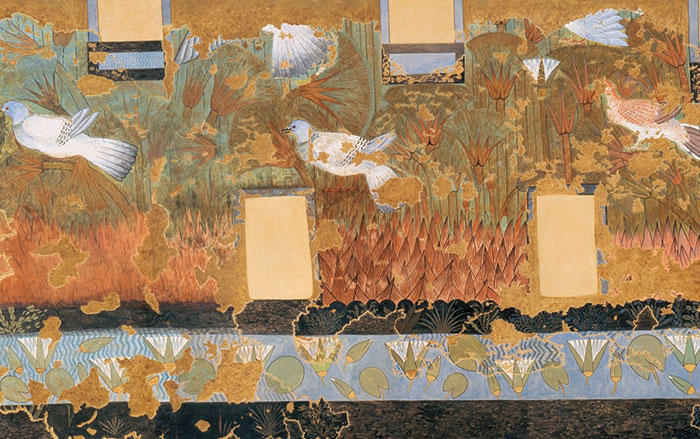
    The Birds of Amarna

    An Egyptian princess seeks sanctuary in her private palace

    Read Article
    The Metropolitan Museum of Art, New York/ Rogers Fund, 1930
  • Features January/February 2026

    Taking the Measure of Mesoamerica

    Archaeologists decode the sacred mathematics embedded in an ancient city’s architecture

    Read Article
    Courtesy Claudia I. Alvarado-León
  • Features January/February 2026

    Stone Gods and Monsters

    3,000 years ago, an intoxicating new religion beckoned pilgrims to temples high in the Andes

    Read Article
    The ritual center of Chavín de Huántar flourished in northern Peru.
    Courtesy John Rick