7,500-Year-Old Figurine Unearthed in Romania

News February 19, 2026

National Museum of the Eastern Carpathians
SHARE:

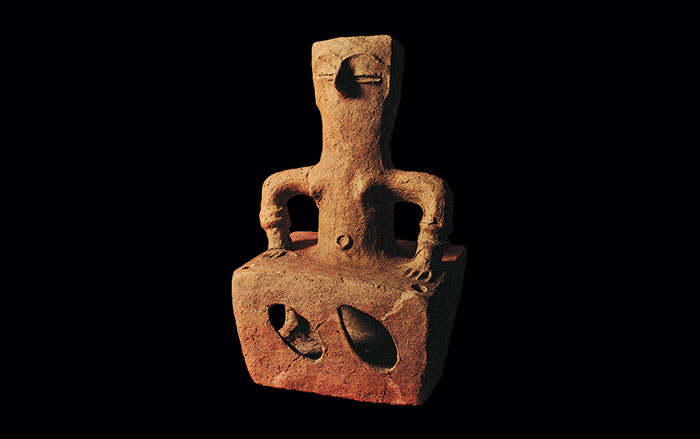
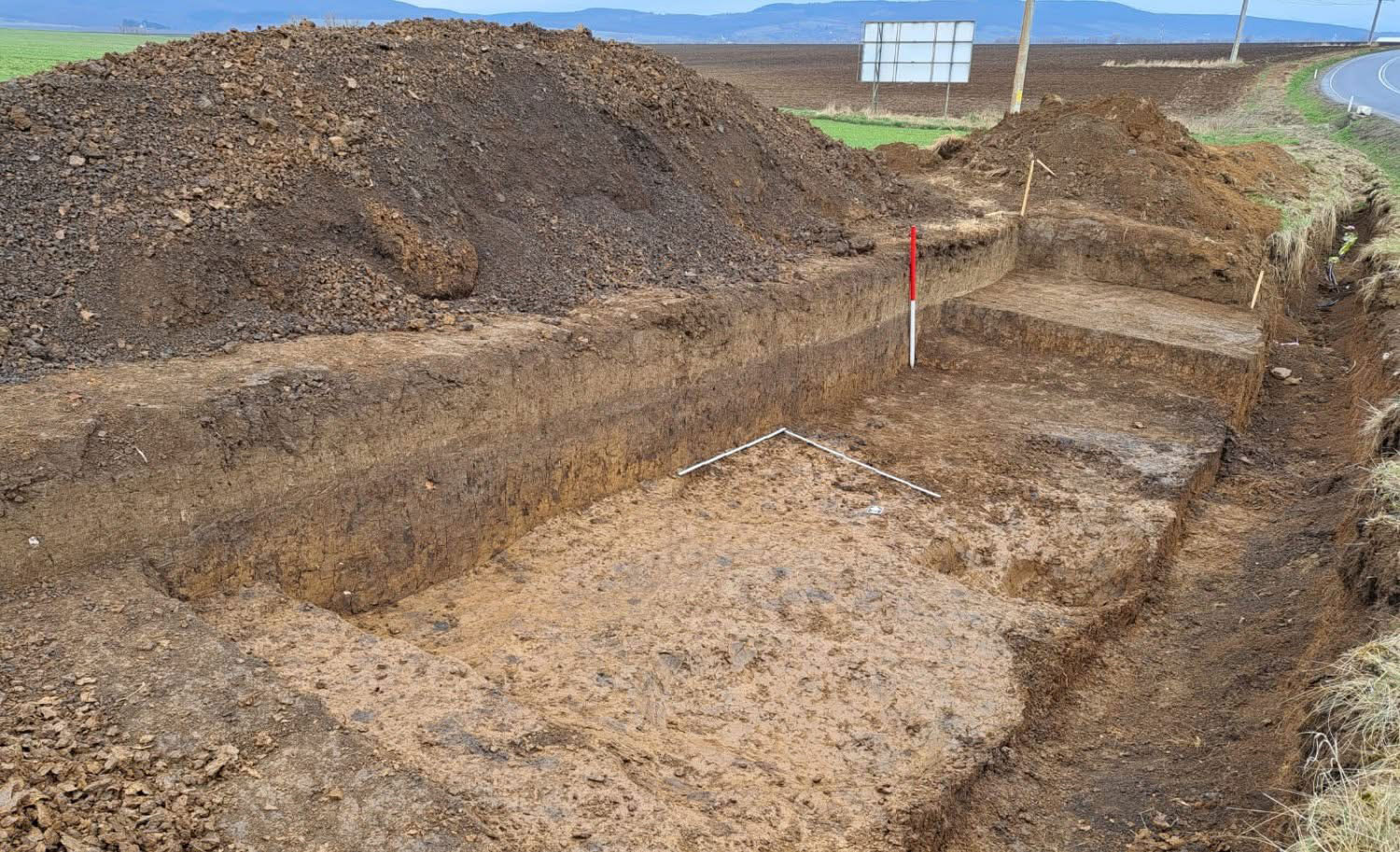
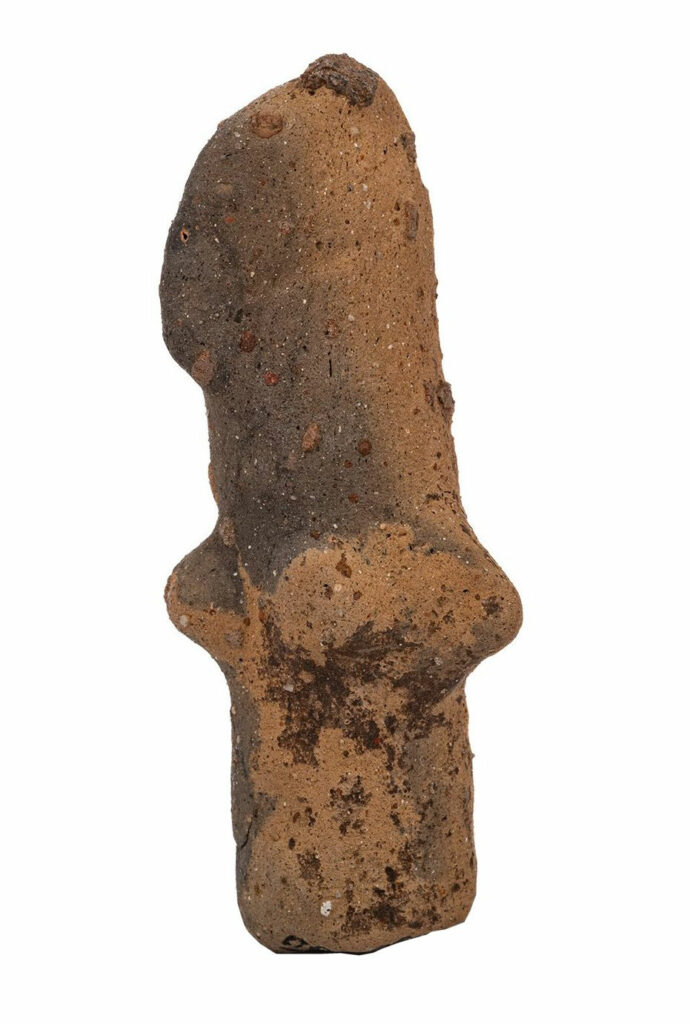
SFÂNTU GHEORGHE, ROMANIA—According to a Greek Reporter article, a 2.5-inch Neolithic figurine depicting a woman with extended arms was discovered in central Romania, among traces of dwellings, pottery, and charcoal dated to between 5800 and 5500 B.C. National Museum of the Eastern Carpathians archaeologists Dan Lucian Buzea, Dan Călin Ştefan, and Puskás Jozsef were investigating the site of Arcuş when they uncovered the settlement, which had been built by the early farmers of the Starčevo-Criş culture. The figurine was made with clay tempered with chaff and sand fired at high temperatures to produce a brick red color, but darker areas suggest that the heat had been uneven. The head of the figurine features eyes carved in a V-shape, a small oval nose, and fine incisions resembling long hair tied into a bun. The body of the figurine is slim with protrusions on the torso. The team members think the figurine may have been used as a household amulet, a ritual object, or a symbolic offering. To read in-depth about Neolithic people in Europe, go to "Neolithic Cultural Revolution."
  • Features January/February 2026

    The Cost of Doing Business

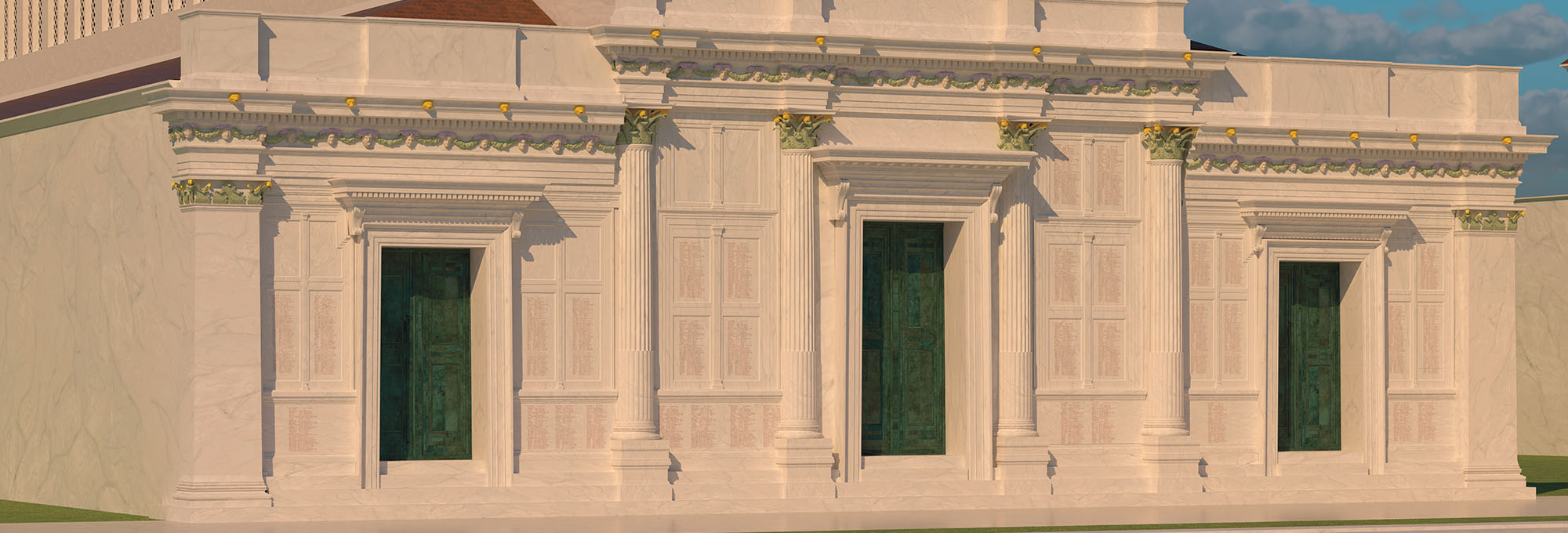
    Piecing together the Roman empire’s longest known inscription—a peculiarly precise inventory of prices

    Read Article
    A digital reconstruction shows how the Civil Basilica in the city of Aphrodisias in southwestern Anatolia would have appeared with the Edict of Maximum Prices inscribed on its facade.
    Ece Savaş and Philip Stinson
  • Features January/February 2026

    The Birds of Amarna

    An Egyptian princess seeks sanctuary in her private palace

    Read Article
    The Metropolitan Museum of Art, New York/ Rogers Fund, 1930
  • Features January/February 2026

    Taking the Measure of Mesoamerica

    Archaeologists decode the sacred mathematics embedded in an ancient city’s architecture

    Read Article
    Courtesy Claudia I. Alvarado-León
  • Features January/February 2026

    Stone Gods and Monsters

    3,000 years ago, an intoxicating new religion beckoned pilgrims to temples high in the Andes

    Read Article
    The ritual center of Chavín de Huántar flourished in northern Peru.
    Courtesy John Rick