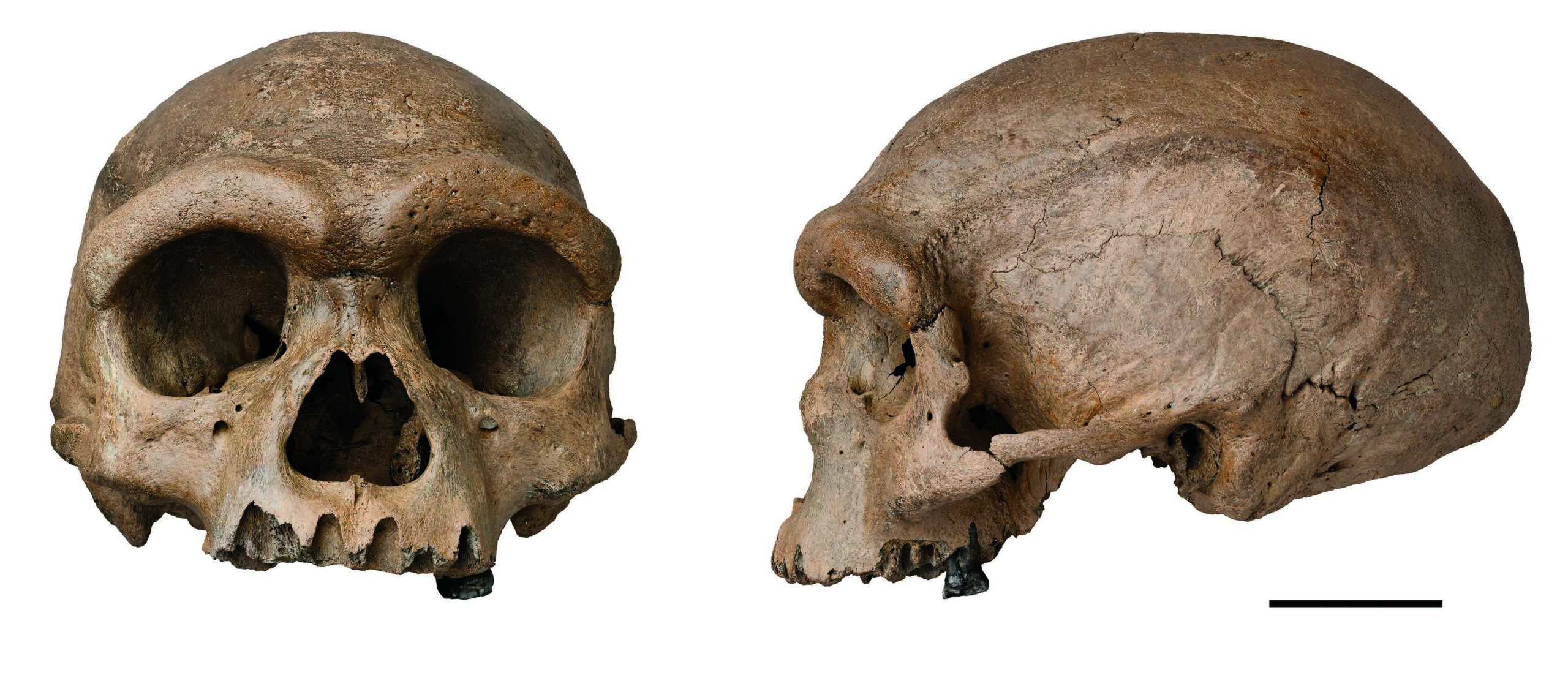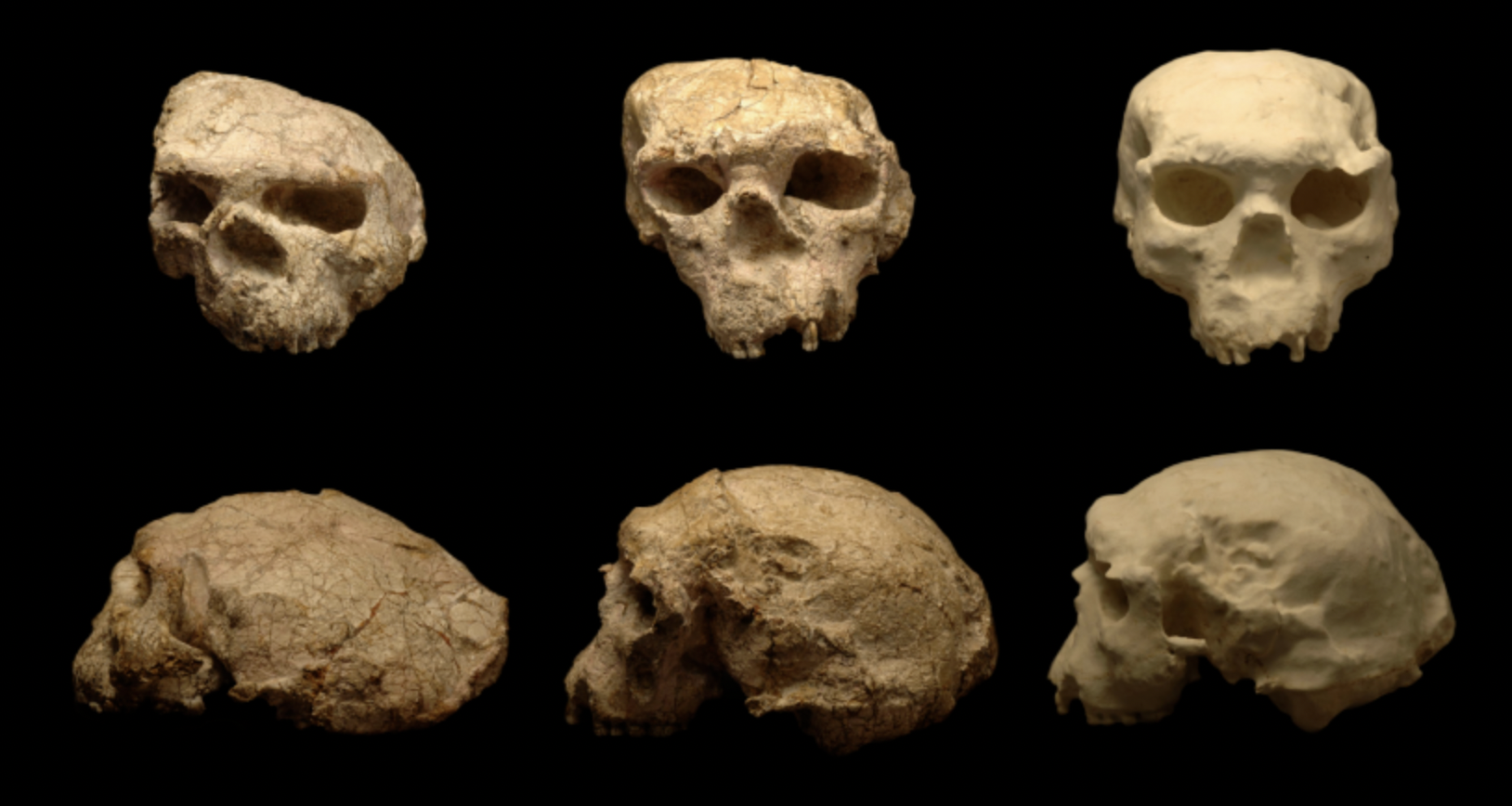
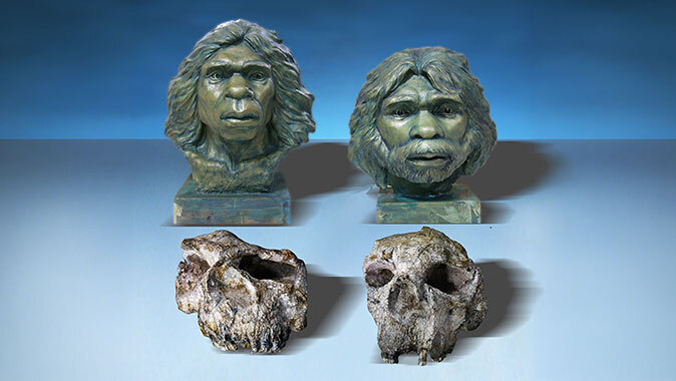
MANOA, HAWAII—The human species Homo erectus has been thought to have first emerged in Africa about two million years ago. Now, three Homo erectus skulls unearthed in China’s Hubei Province have been dated to about 1.8 million years ago with cosmogenic nuclide burial dating, according to a Live Science report. The technique measured the age of quartz recovered from sediment layers where the skulls were recovered by measuring the half-life of aluminum-26 and beryllium-10, thus revealing when the quartz was last exposed to cosmic rays. The new dates suggest that the so-called Yunxian skulls are some 600,000 years older than previously thought, making them the oldest evidence for hominins in East Asia. Tools attributed to Homo erectus have been unearthed at two sites in China and dated to 2.1 and 2.43 million years ago. “What this means is that we need to consider pushing the origin of Homo erectus back” to some 2.6 million years ago, said Christopher Bae of the University of Hawaii at Manoa. Homo erectus fossils unearthed in Dmanisi, Georgia, were recently dated to between 1.85 and 1.77 million years ago. Bae suggests that Homo erectus may have moved quickly across Asia. Read the original scholarly article about this research in Science Advances. For more on recent hominin discoveries, go to "The Path Not Taken."