

BAGICZ, POLAND—Researchers led by Marta Chmiel-Chrzanowska of the University of Szczecin conducted dendrochronological analysis of a log coffin that eroded out of a cliff in northwestern Poland in 1899, according to a Live Science report. The coffin had been buried in a cemetery associated with the Wielbark culture. Tree-ring analysis indicates that the oak tree used for the coffin and its lid was cut down in A.D. 120, and that the coffin was carved immediately after the tree was felled. Previous studies of the contents of the coffin determined that it held the remains of a woman, dubbed the “Princess of Bagicz,” and grave goods, including a cowhide, a bronze pin, a necklace made with glass and amber beads, and a pair of bronze bracelets dated to between A.D. 110 and 160. But radiocarbon dating of one of the woman’s teeth yielded a date between 113 B.C. and A.D. 65, which would have made her older than the artifacts buried with her. However, the new study concludes that the coffin and the artifacts belong to the same time period. The researchers suggest that the radiocarbon dating may have been thrown off by the woman’s possible consumption of marine food, since carbon stored in the ocean can be older than carbon on land. “The woman did not exhibit any paleopathologies that could indicate cause of death,” Chmiel-Chrzanowska added. Yet the bones do show signs of osteoarthritis, perhaps from work-related overuse. Chmiel-Chrzanowska and her colleagues therefore suggest that the woman was not a member of the Wielbark elite. To read about dendrochronological analysis of a carved wooden beam from a medieval hillfort in western Poland, go to "A Familiar Face."
New Dates Obtained for Poland’s “Princess of Bagicz”
News February 27, 2026
Recommended Articles
Digs & Discoveries November/December 2025
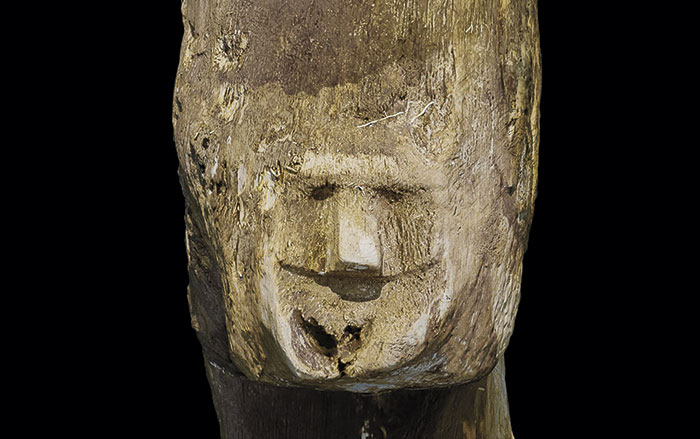
A Familiar Face
Letter from Poland November/December 2024
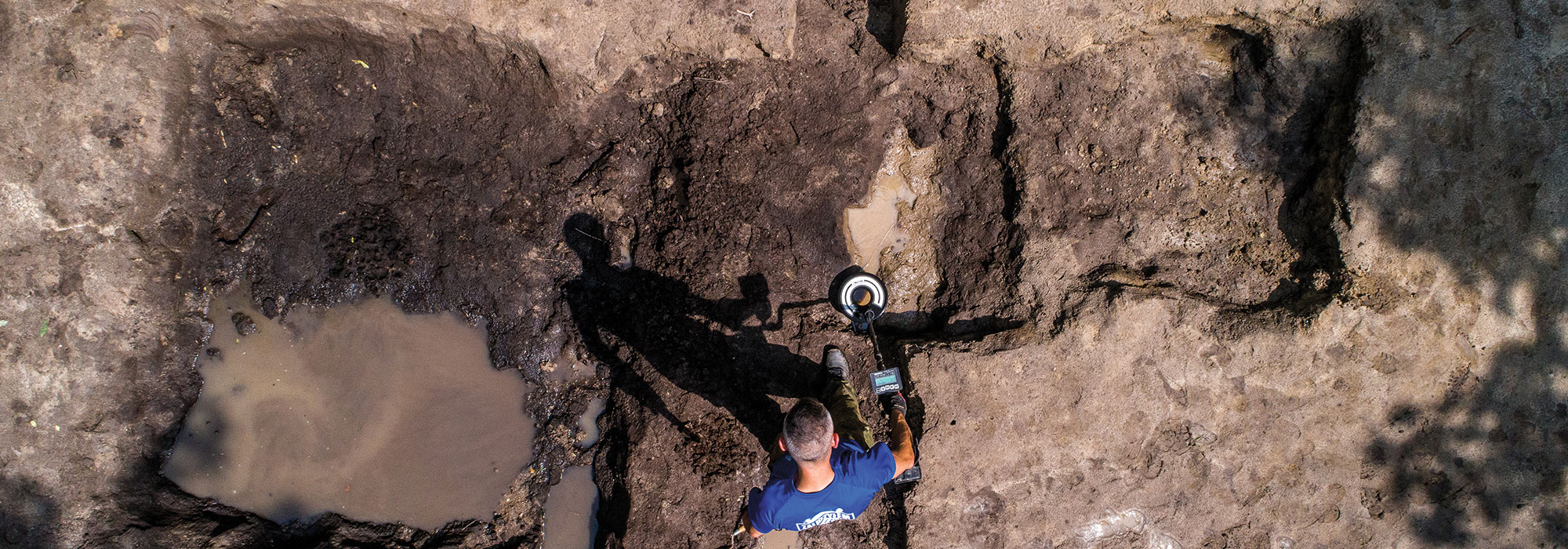
Remembering an Unspeakable Crime
Excavations of a mass grave expose evidence of Nazi-era massacres
Top 10 Discoveries of 2020 January/February 2021
Largest Viking DNA Study
Northern Europe and Greenland
Digs & Discoveries November/December 2020
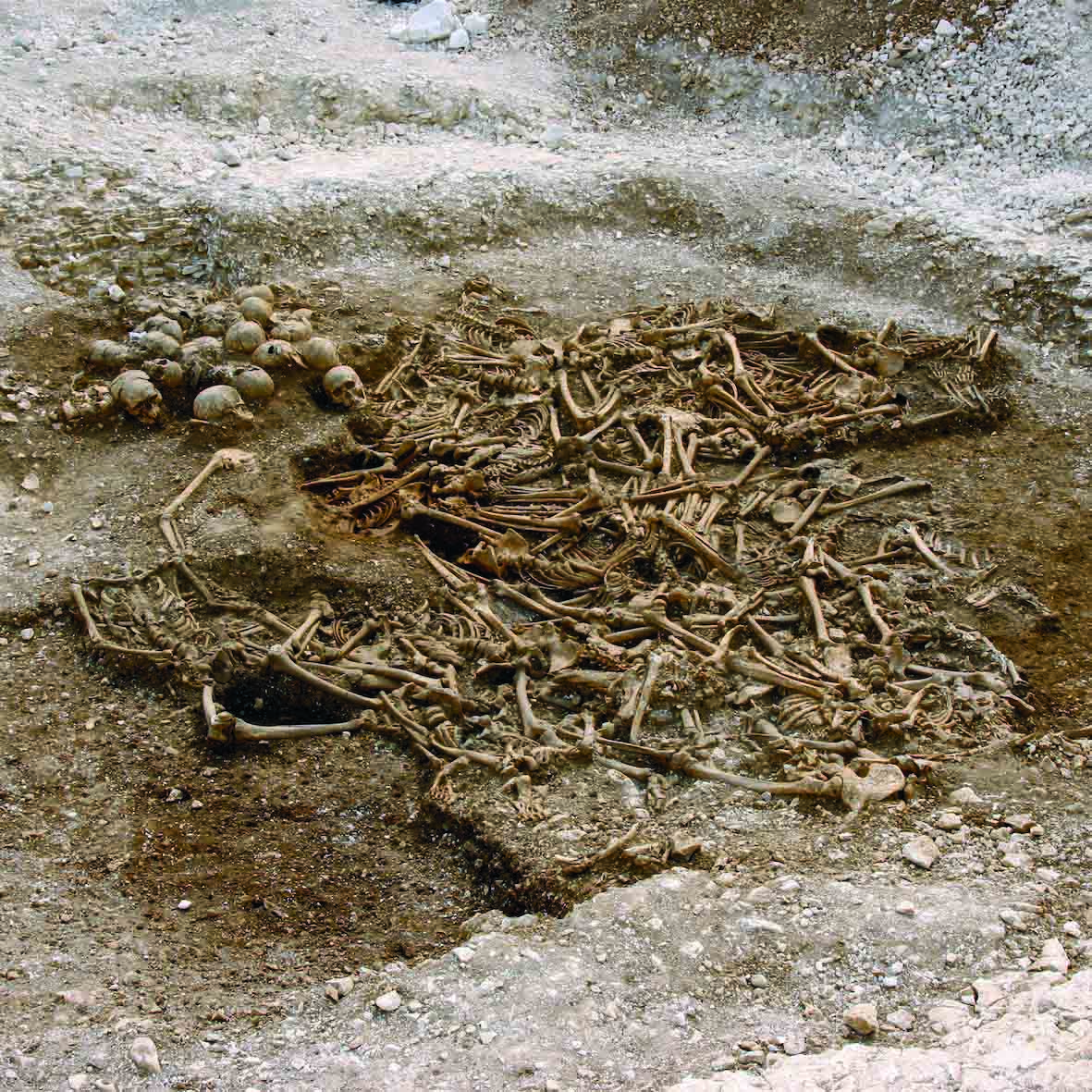
Honoring the Dead
More to Discover
Features January/February 2026
Top 10 Discoveries of 2025
ARCHAEOLOGY magazine’s editors reveal the year’s most exciting finds

-
Features January/February 2026
The Cost of Doing Business
Piecing together the Roman empire’s longest known inscription—a peculiarly precise inventory of prices
 Ece Savaş and Philip Stinson
 -
Features January/February 2026
The Birds of Amarna
An Egyptian princess seeks sanctuary in her private palace
 The Metropolitan Museum of Art, New York/ Rogers Fund, 1930
 -
Features January/February 2026
Taking the Measure of Mesoamerica
Archaeologists decode the sacred mathematics embedded in an ancient city’s architecture
 Courtesy Claudia I. Alvarado-León
 -
Features January/February 2026
Stone Gods and Monsters
3,000 years ago, an intoxicating new religion beckoned pilgrims to temples high in the Andes
 Courtesy John Rick