

HELSKINKI, FINLAND—Soil from 35 Mesolithic period graves in southern Sweden’s Skateholm I and II cemeteries was analyzed with water-assisted fiber separation to recover fibers, hairs, and feather fragments, according to a statement released by the University of Helsinki. “With our method, it is possible to find microscopic fibers even in areas with poor preservation conditions,” said archaeologist Tuija Kirkinen. She and her colleagues were able to determine that the dead had been buried wearing the skins of aquatic birds and the furs of small felines and members of the weasel family. Traces of the skins of large animals like deer and aurochs were also present in the soil samples. Soil taken from around the heads of the deceased contained hawk or eagle feathers, owl feathers, and traces of the fur of small animals, indicating that the deceased wore headdresses. One elderly woman’s burial yielded the white winter hair of a stoat or a weasel, brown feline hair, and fragments of a feather at her feet, showing that she was buried with multicolored footwear. Read the original scholarly article about this research in Archaeological and Anthropological Sciences. To read about a method of Mesolithic food preservation, go to "Around the World: Sweden."
Traces of Mesolithic Clothing Recovered from Soil in Sweden
News March 2, 2026
Recommended Articles
Digs & Discoveries September/October 2026
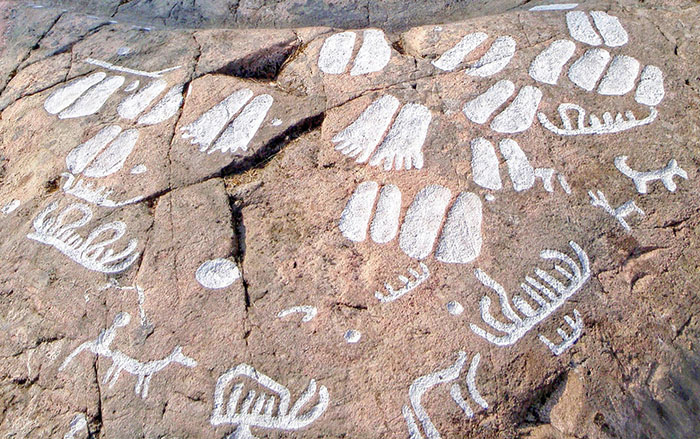
Foot Notes
Digs & Discoveries November/December 2024
Nineteenth-Century Booze Cruise

Digs & Discoveries March/April 2023
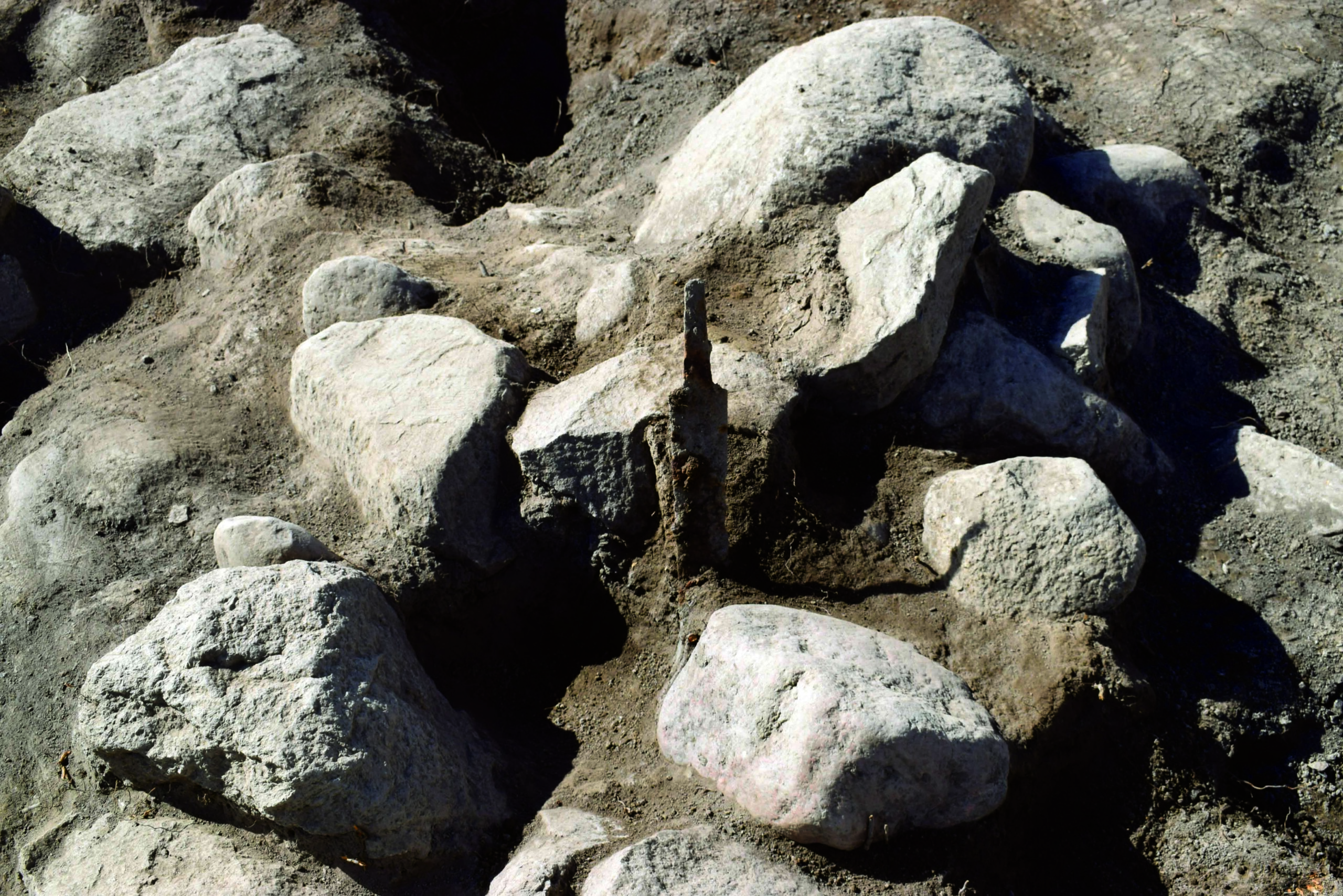
Standing Swords
Top 10 Discoveries of 2020 January/February 2021
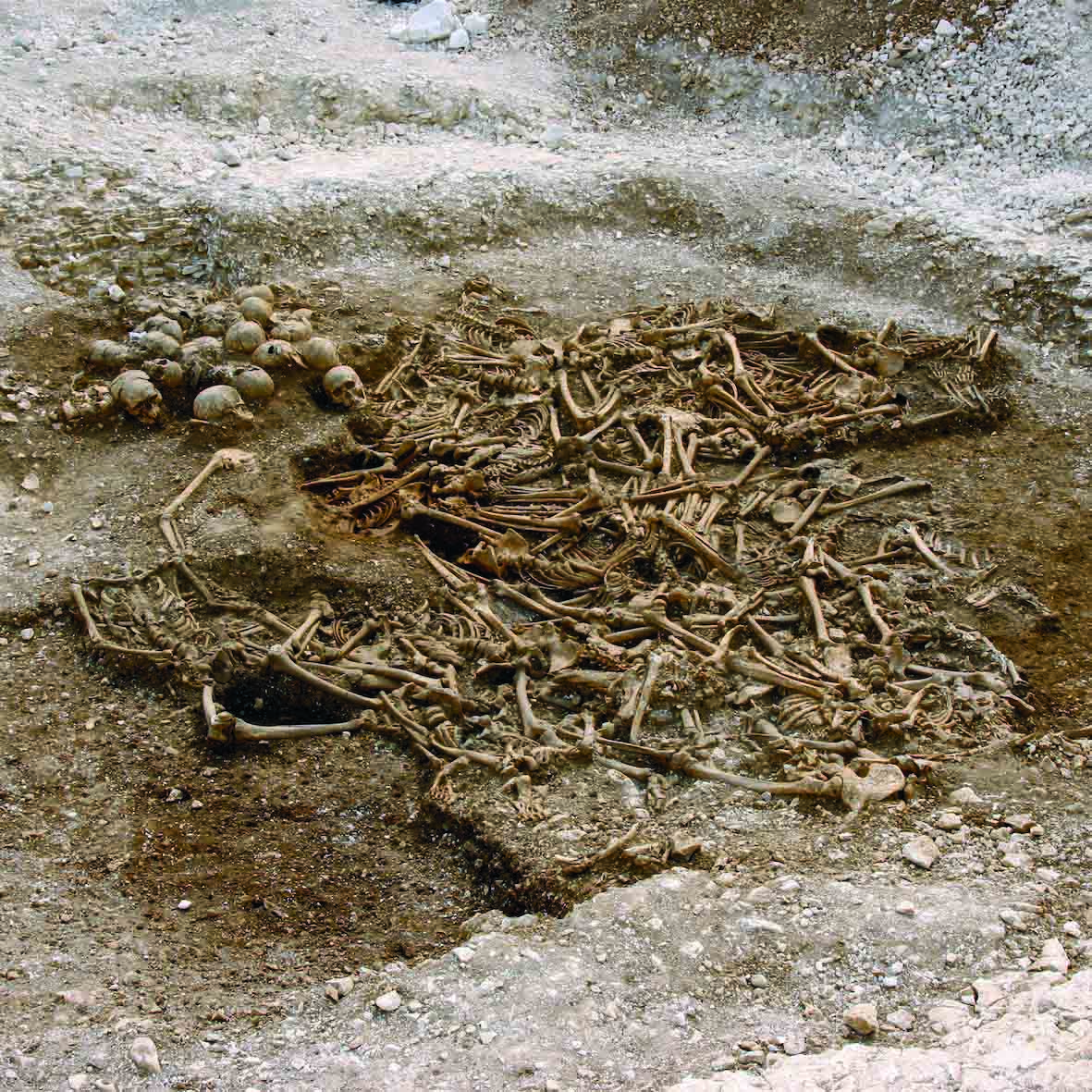
Largest Viking DNA Study
Northern Europe and Greenland
More to Discover
Features March/April 2026
Model Homes
A look inside miniature worlds created for the living, the dead, and the divine


-
Features March/April 2026
Pompeii's House of Dionysian Delights
Vivid frescoes in an opulent dining room celebrate the wild rites of the wine god
 Courtesy Archaeological Park of Pompeii
 -
Features March/April 2026
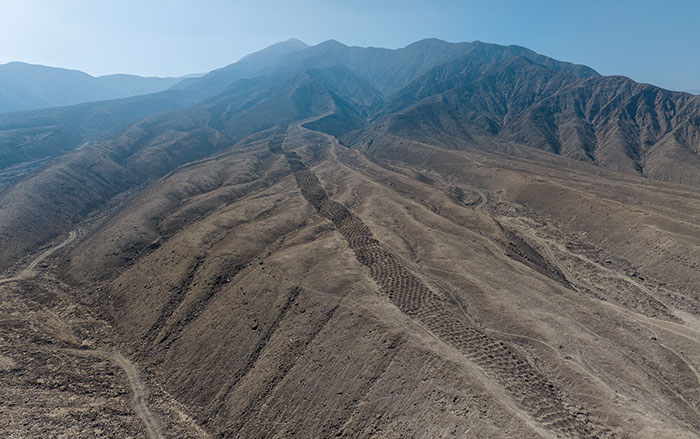
Return to Serpent Mountain
Discovering the true origins of an enigmatic mile-long pattern in Peru’s coastal desert
 Courtesy J.L. Bongers
 -
Features March/April 2026
Himalayan High Art
In a remote region of India, archaeologists trace 4,000 years of history through a vast collection of petroglyphs
 Matt Stirn
 -
Features March/April 2026
What Happened in Goyet Cave?
New analysis of Neanderthal remains reveals surprisingly grim secrets
 IRSNB/RBINSL