

PHILADELPHIA, PENNSYLVANIA—According to statement released by the University of Pennsylvania, scientists had previously surmised that the lack of Neanderthal DNA on modern human X chromosomes, which are inherited through the maternal line, was due to genetic incompatibility that may have caused health problems eliminated through the process of natural selection. Sarah Tishkoff and Alexander Platt of the University of Pennsylvania and their colleagues tested this idea by looking for modern human DNA on Neanderthal X chromosomes, and compared the results with the genomes of Africans whose populations had never mixed with Neanderthals. “What we found was a striking imbalance,” said team member Daniel Harris. “While modern humans lack Neanderthal X chromosomes, Neanderthals had a 62% excess of modern human DNA on their X chromosomes compared to their other chromosomes,” he explained. If the modern human and Neanderthal genes had been incompatible, modern human DNA would have been missing from the Neanderthal X chromosome. But the abundance of modern human DNA in the Neanderthal X chromosome suggests that the mixing occurred more often between modern human women and Neanderthal men. “Mating preferences provided the simplest explanation,” Platt said. For more, go to "Neanderthal Genome," one of ARCHAEOLOGY's Top 10 Discoveries of the Decade.
DNA Study Offers Clues to Contact Between Modern Humans and Neanderthals
News March 4, 2026
Recommended Articles
Digs & Discoveries May/June 2026
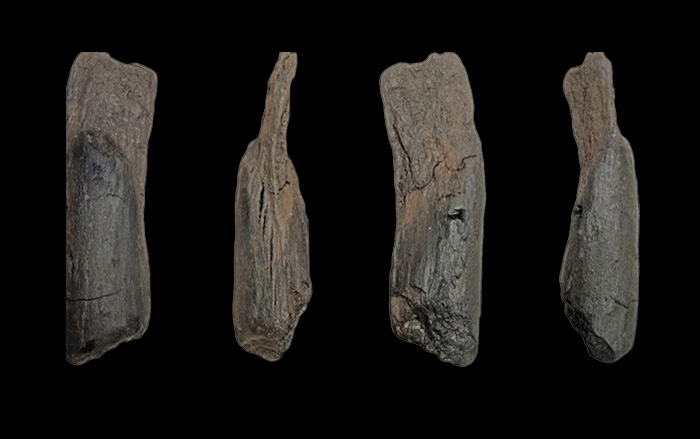
Turning Over the Soil
Digs & Discoveries September/October 2021
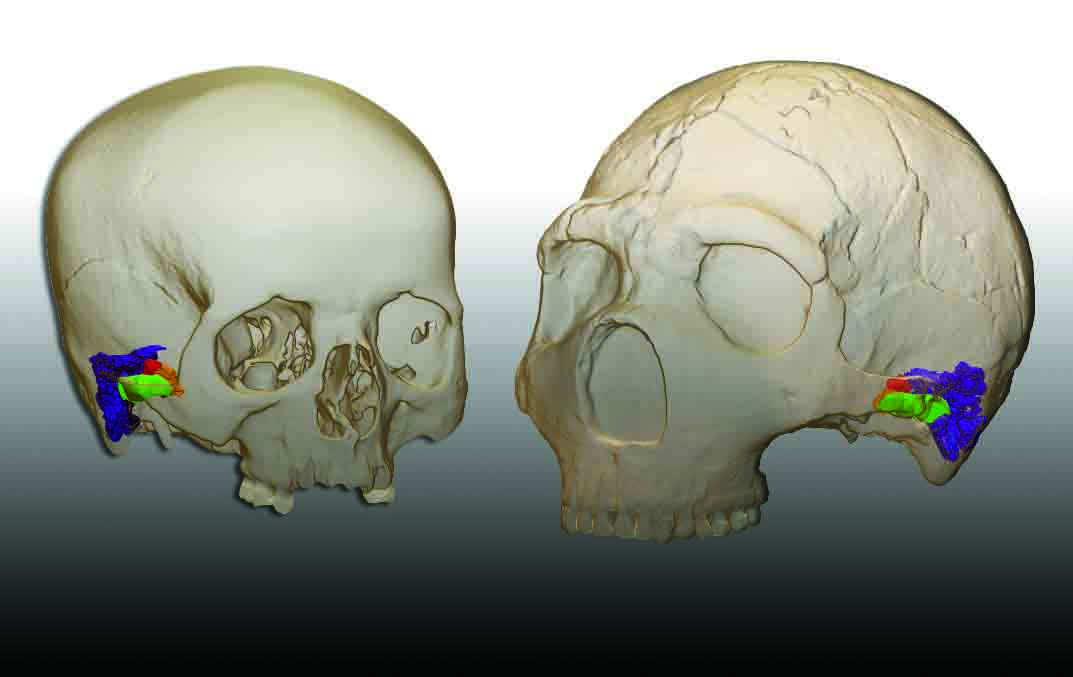
Neanderthal Hearing
Top 10 Discoveries of the Decade January/February 2021
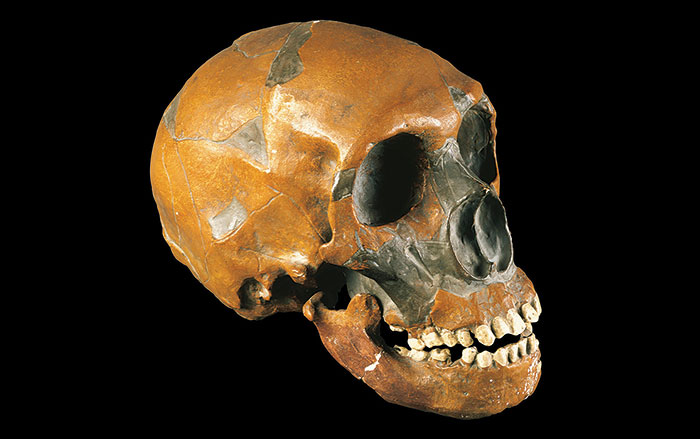
Neanderthal Genome
Vindija Cave, Croatia, 2010
Digs & Discoveries November/December 2020
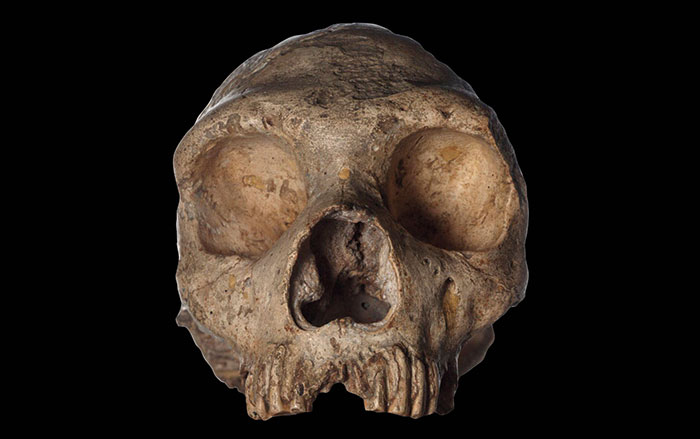
Painful Past
More to Discover
Features March/April 2026
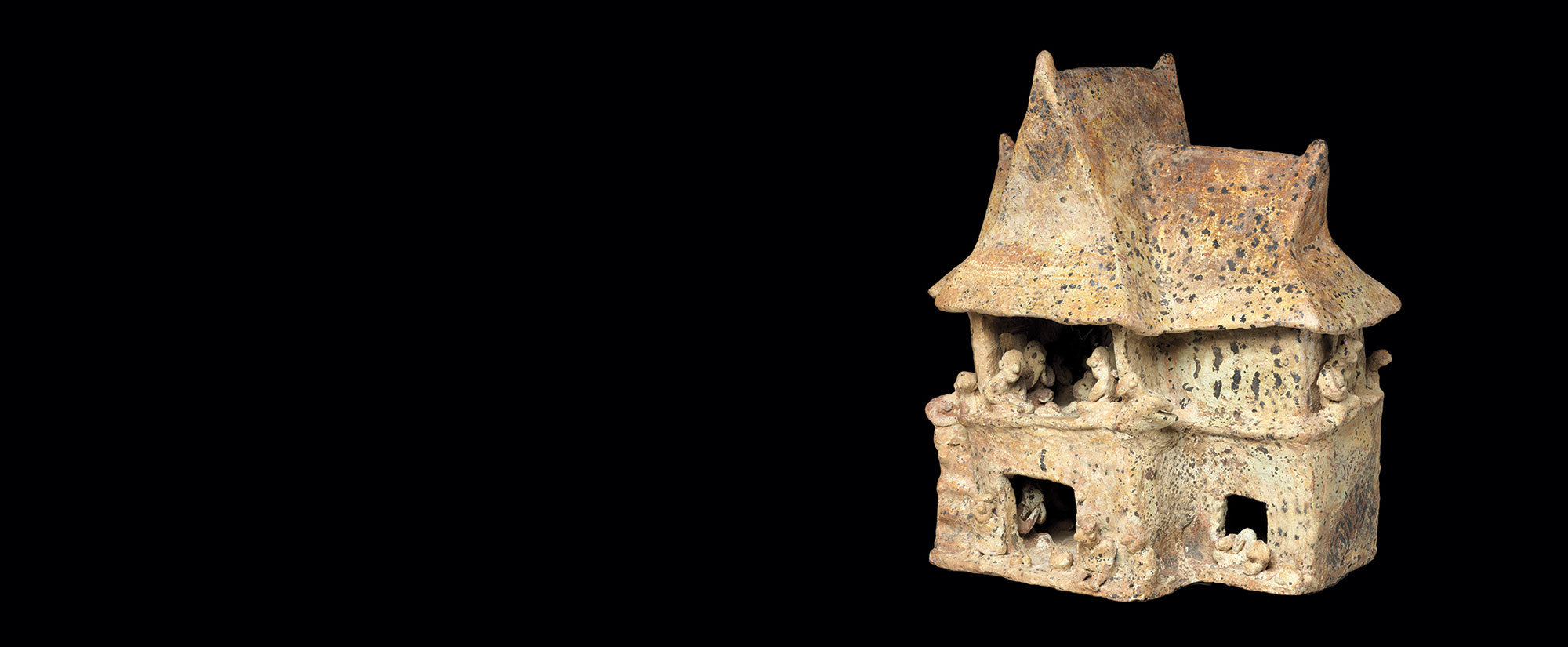
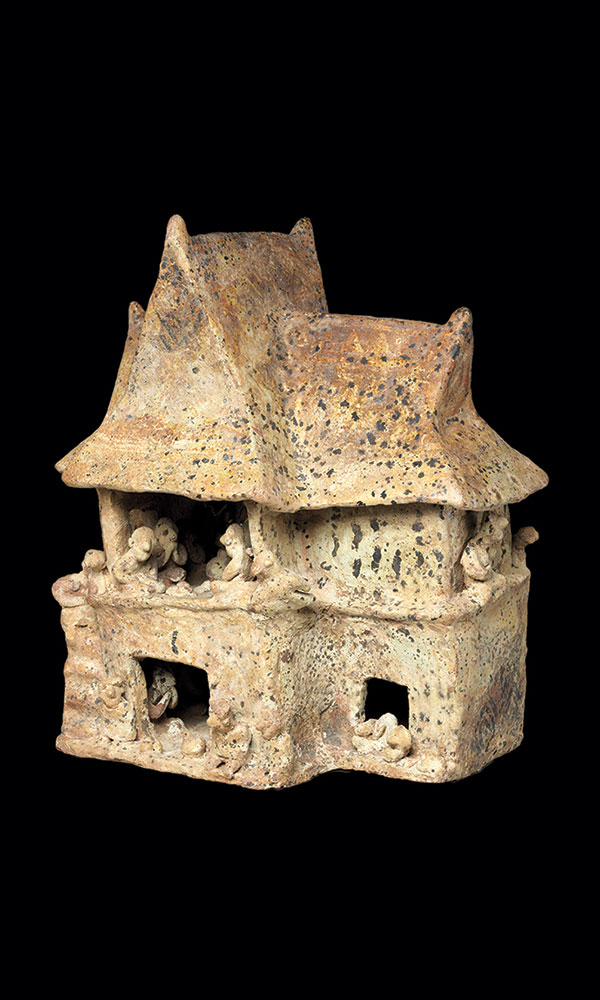
Model Homes
A look inside miniature worlds created for the living, the dead, and the divine
-
Features March/April 2026
Pompeii's House of Dionysian Delights
Vivid frescoes in an opulent dining room celebrate the wild rites of the wine god
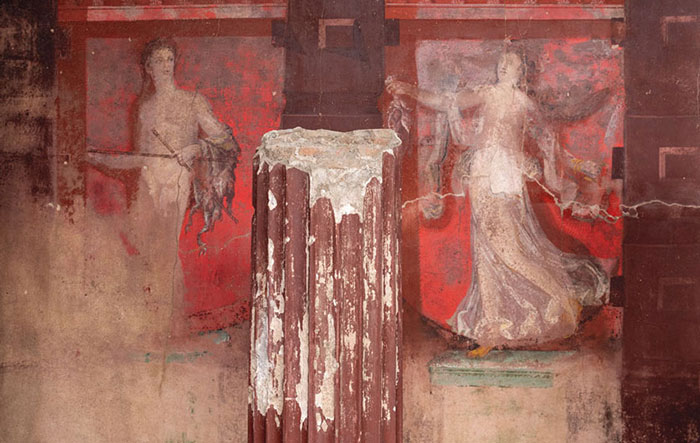 Courtesy Archaeological Park of Pompeii
 -
Features March/April 2026
Return to Serpent Mountain
Discovering the true origins of an enigmatic mile-long pattern in Peru’s coastal desert
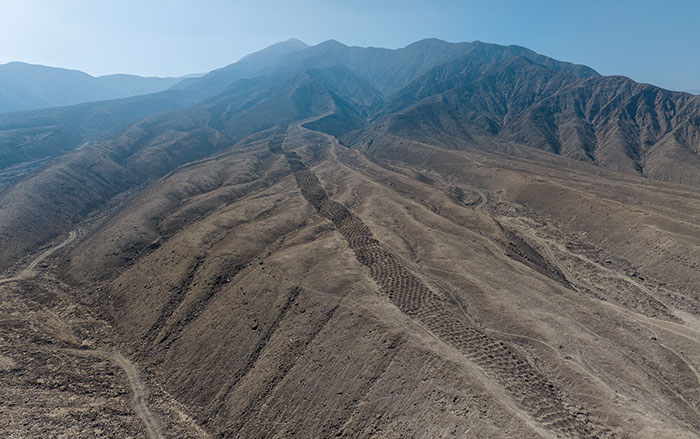 Courtesy J.L. Bongers
 -
Features March/April 2026
Himalayan High Art
In a remote region of India, archaeologists trace 4,000 years of history through a vast collection of petroglyphs
 Matt Stirn
 -
Features March/April 2026
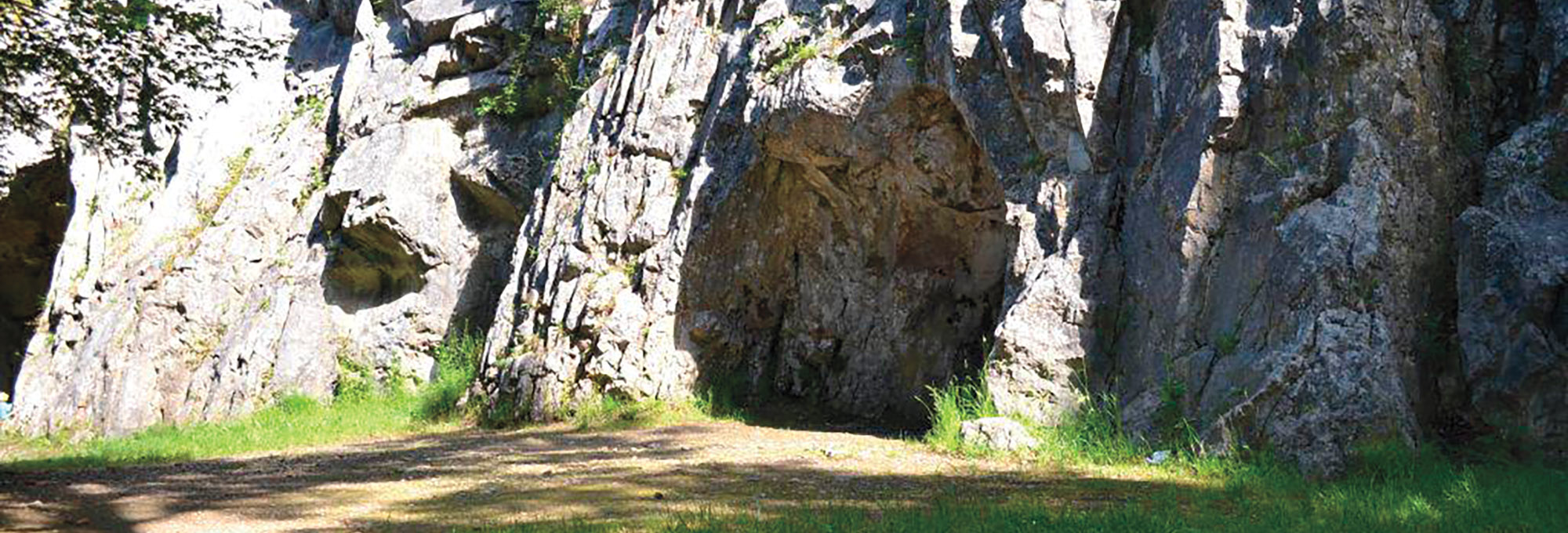
What Happened in Goyet Cave?
New analysis of Neanderthal remains reveals surprisingly grim secrets
 IRSNB/RBINSL