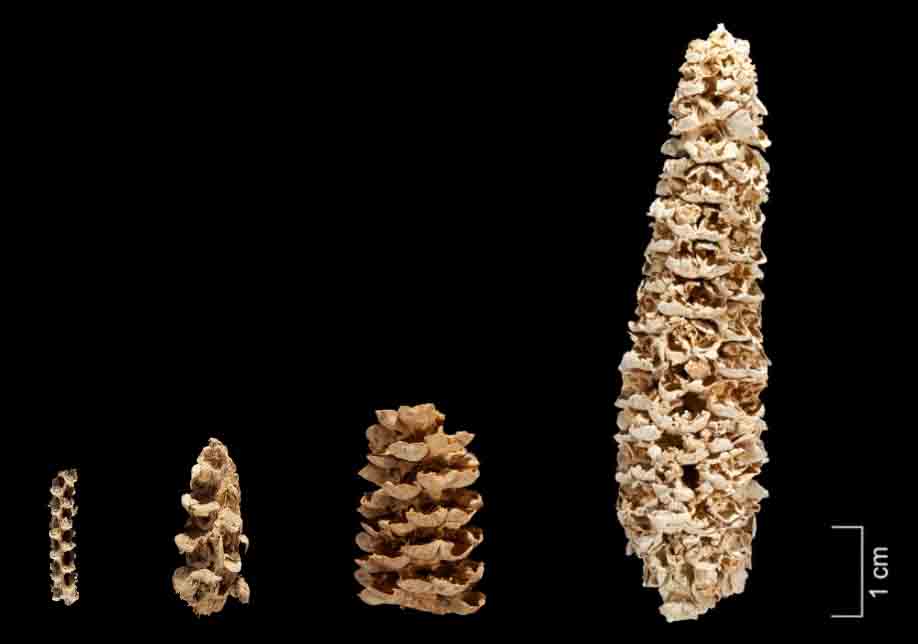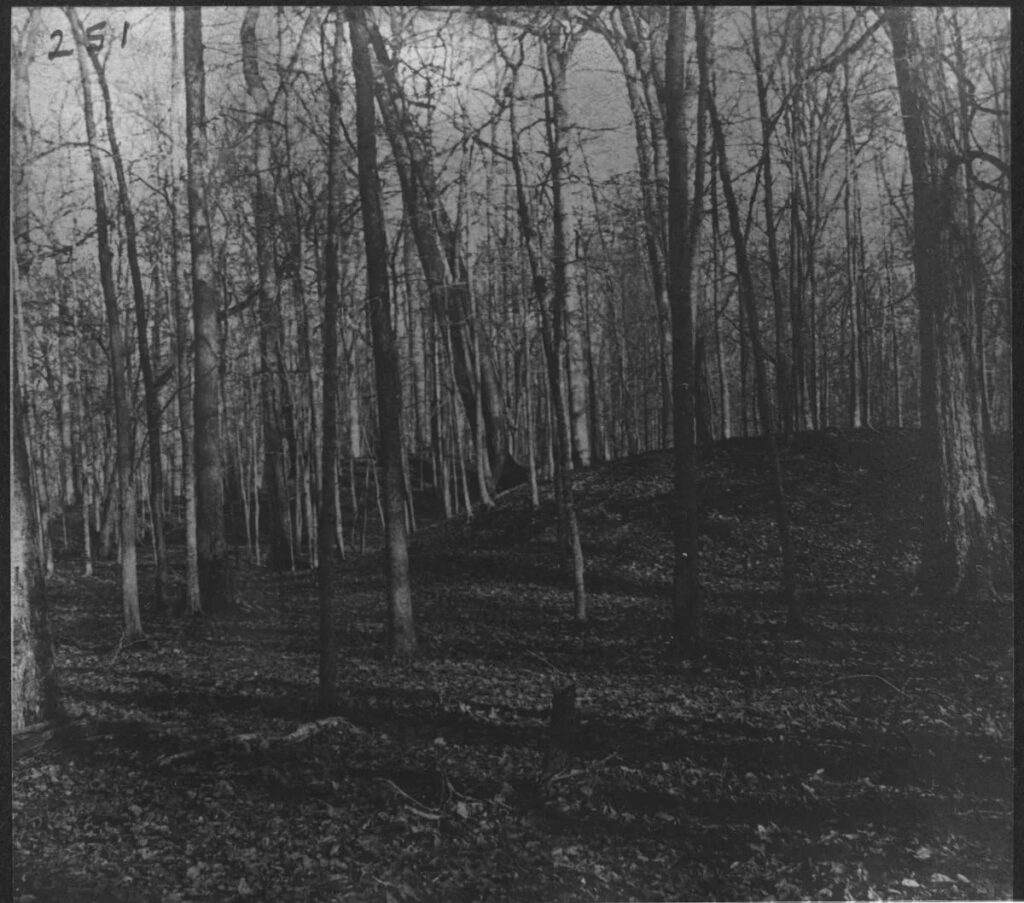
DURHAM, NEW HAMPSHIRE—According to a statement released by the University of New Hampshire, Meghan Howey and Michael Palace of the University of New Hampshire compared temperature data collected by Landsat 8 satellite thermal sensor between 2014 and 2024 and the locations of burial mounds built between A.D. 1200 and 1600 in what is now Michigan’s Lower Peninsula. The researchers discovered that the Anishinaabeg, who lived in the Great Lakes area, built burial mounds near more circular-shaped lakes that warmed later in spring and cooled later in fall. Placement of the mounds may therefore have been associated with a longer maize growing season, the scientists suggest. “It’s a cool example of taking a free global data tool developed for an ecological application and using it for archaeological research,” Howey said of the study. To read about recent study of mounds in southern Wisconsin, go to "Mounds in the Family."