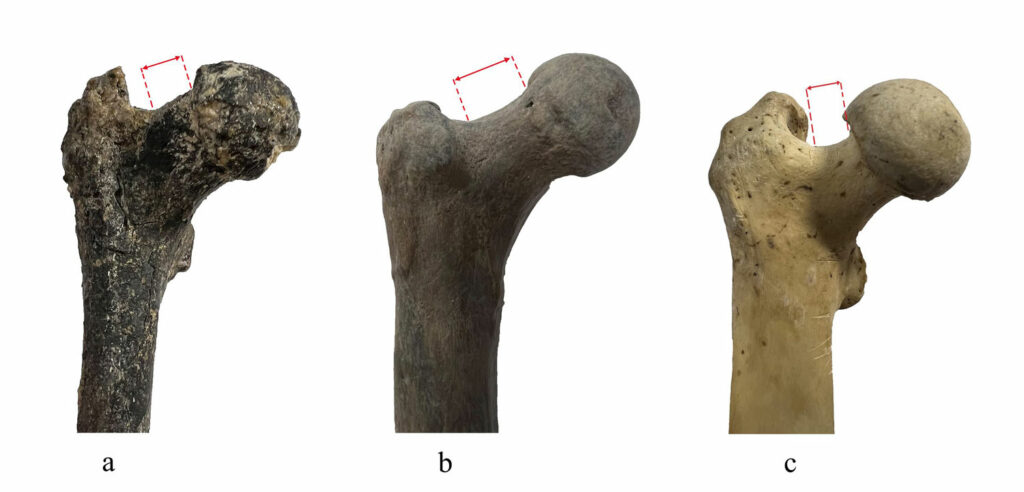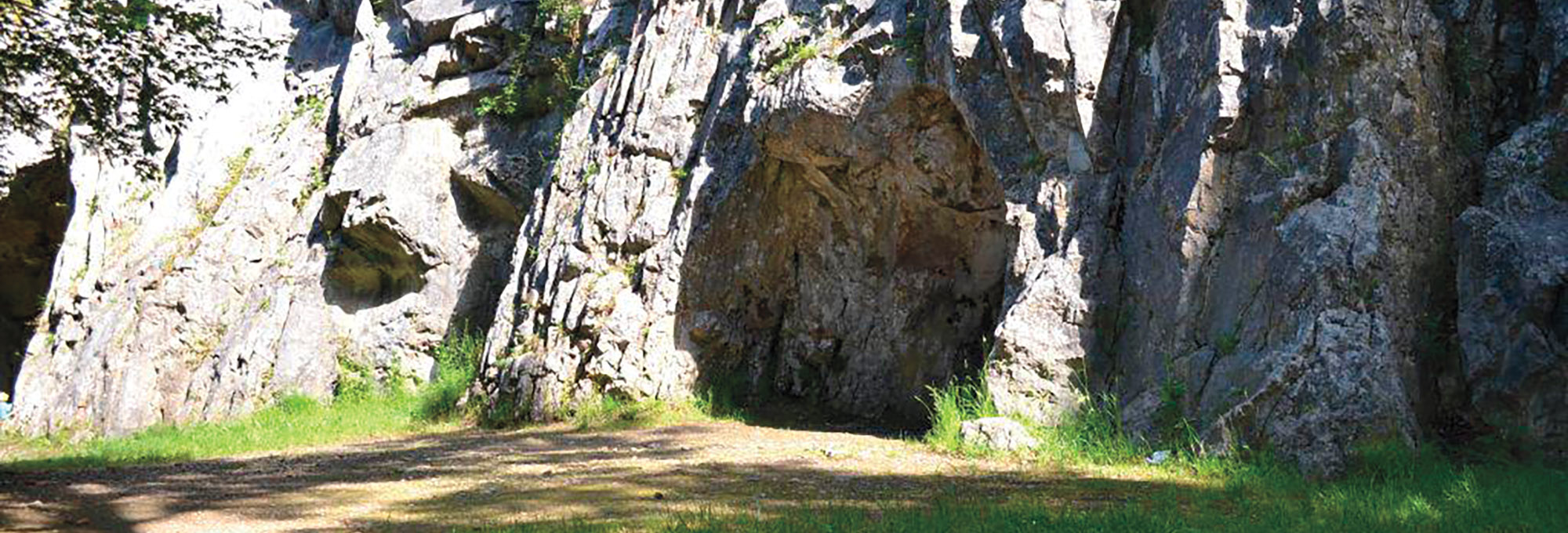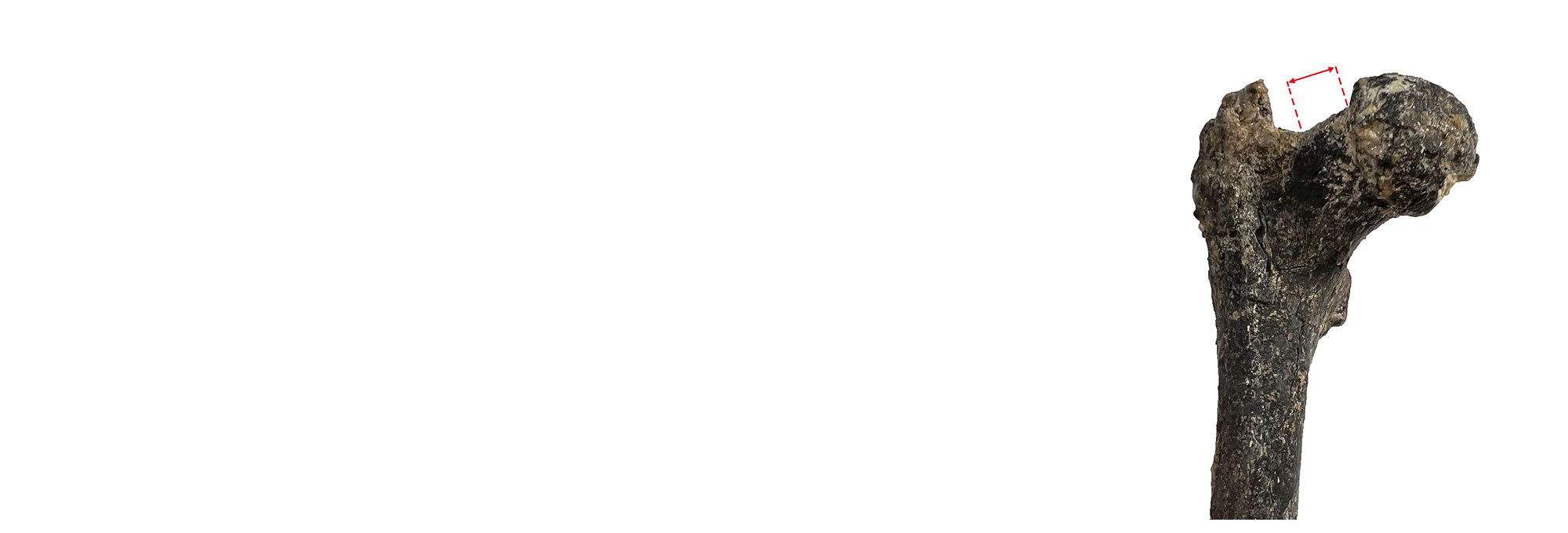
TÜBINGEN, GERMANY—According to a statement released by the University of Tübingen, an international team of researchers who evaluated a fossil femur unearthed at the site of Azmaka in southern Bulgaria suggests that it could belong to a human ancestor. “At 7.2 million years old, this ancestor, which we classify as belonging to the genus Graecopithecus, could be the oldest known human,” said paleoanthropologist David Begun of the University of Toronto. Graecopithecus was first identified by a fragment of a lower jaw unearthed near Athens. The researchers examined the shape of the tooth roots from the jaw and concluded that Graecopithecus could represent an early human ancestor. The femur from Bulgaria is thought to have come from a female who weighed about 50 pounds. “A number of external and internal morphological features, such as the elongated, upward-pointing neck between the femur shaft and head, special attachment points for the gluteal muscles, and the thickness of the outer bone layer, have similarities with bipedal fossil human ancestors and humans,” explained paleontologist Nikolai Spassov of the Bulgarian National Museum of Natural History. Climate change in the eastern Mediterranean and western Asia between eight and six million years ago may have triggered waves of Eurasian mammals, including Graecopithecus, to migrate southward to Africa, where early human ancestors such as Australopithecus eventually emerged, added paleontologist Madelaine Böhme of the University of Tübingen. Read the original scholarly article about this research in Palaeobiodiversity and Palaeoenvironments. To read about a recent study of the musculoskeletal system of the australopithecine skeleton known as Lucy, go to "Around the World: Ethiopia."