Features From the Issue
-
Features
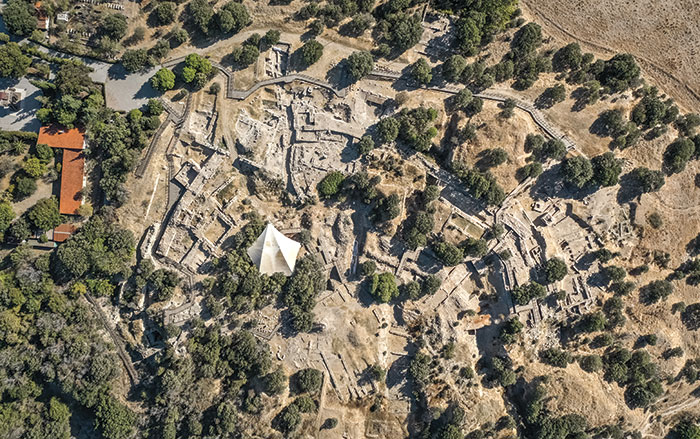
The Unexpected World of the Odyssey
Discovering the surprising inspirations behind Homer’s great tales of the Trojan War
 a_medvedkov/Adobe Stock
 -
Features
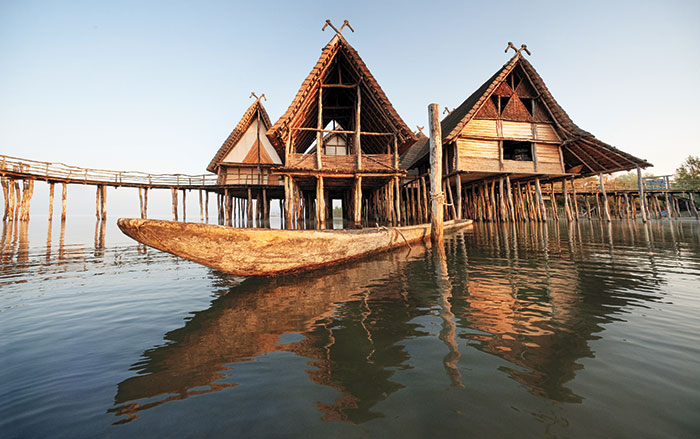
Pioneers of Lakefront Living
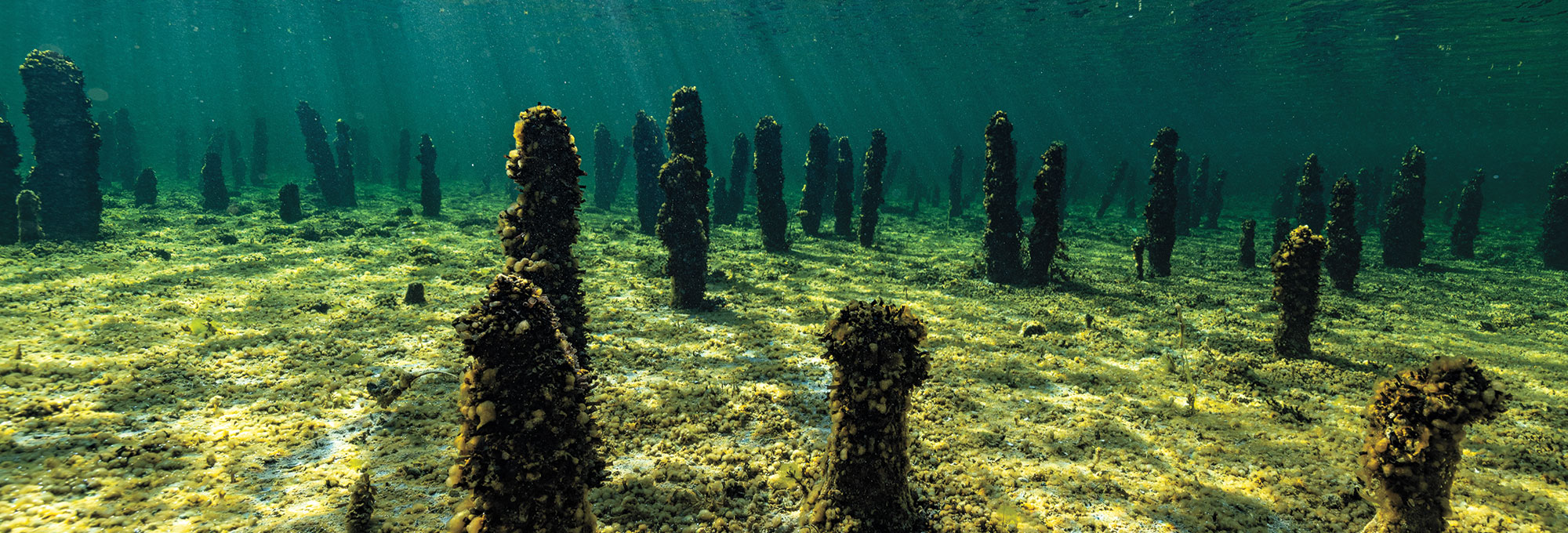
Why Neolithic and Bronze Age farmers in the Alps built their villages on stilts
 © APM/Frank Müller
 -
Features
The Last Maya Kingdom
On the shores of a lake in Guatemala, the Itzá people defied the Spanish for nearly 200 years
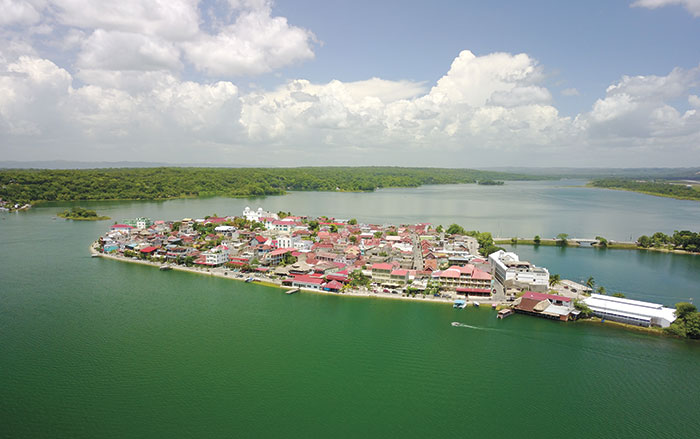 Courtesy Timothy Pugh/Itzá Archaeological Project
 -
Features
Art for the Ages
A surreal style of painting endured for 4,000 years in the canyonlands of West Texas
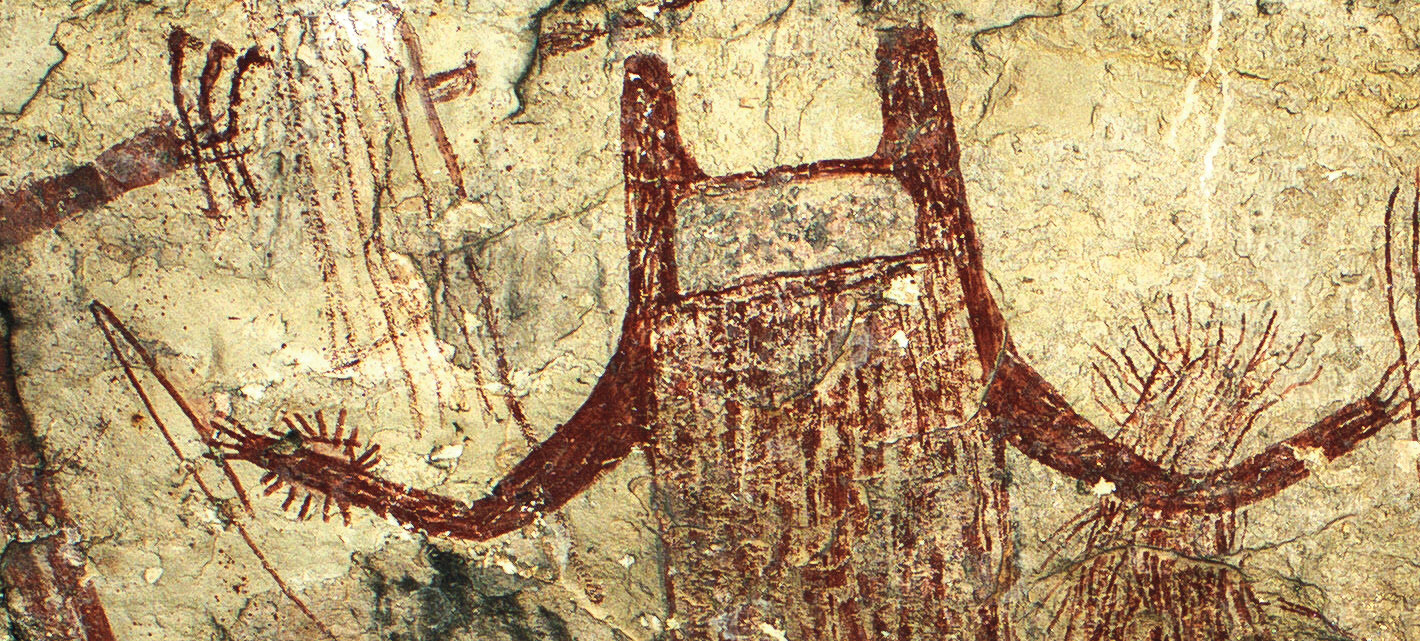 Shumla Archaeological Research and Education Center Archive
 -
Features
Bridge to the Past
The Yellow River brought both prosperity and calamity to China’s dazzling medieval capital
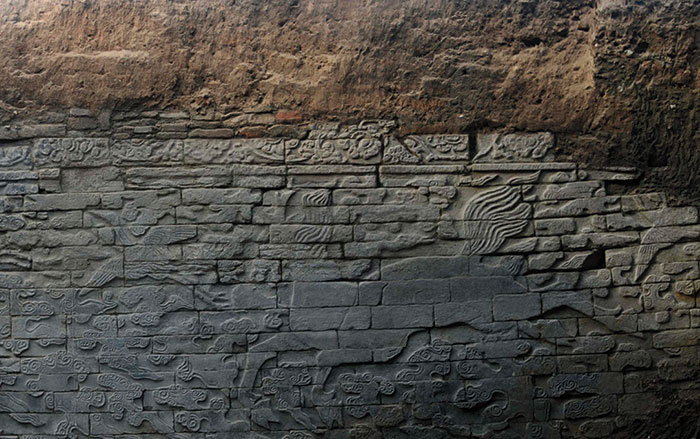 Henan Provincial Institute of Cultural Heritage and Archaeology
Letter from Bulgaria
Letter from Bulgaria
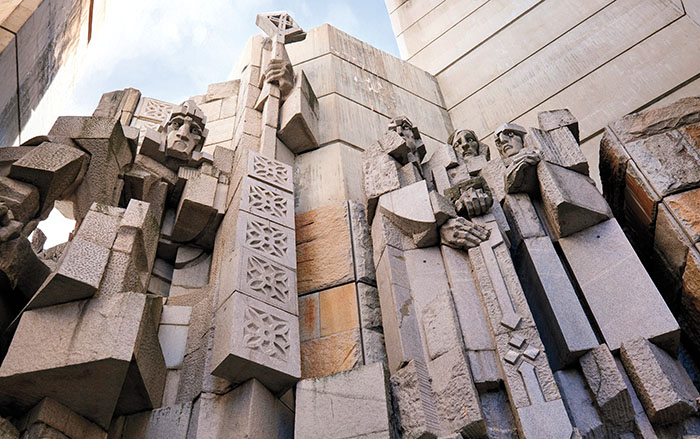
Capitals of Khans and Tsars
The untold story of how the Bulgarian Empire challenged medieval Europe’s great powers
Artifact
Artifacts
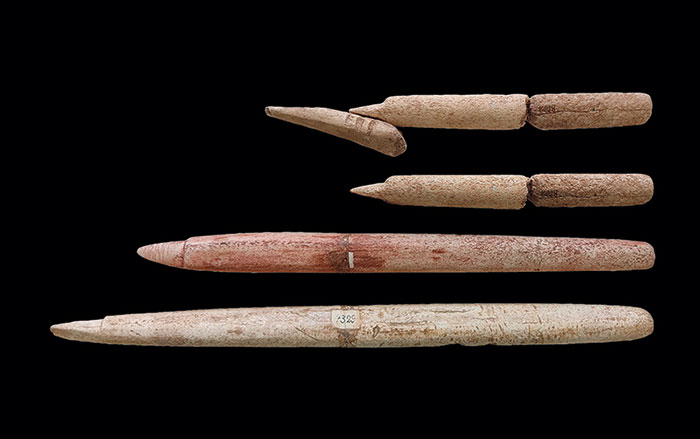
Ancient Brazilian Harpoons
For the earliest known whalers, the hunt was a deeply spiritual experience
Digs & Discoveries
-
Digs & Discoveries
An Avian Connection
A 12,000-year-old figurine tells one of the earliest known narratives. What does it mean?
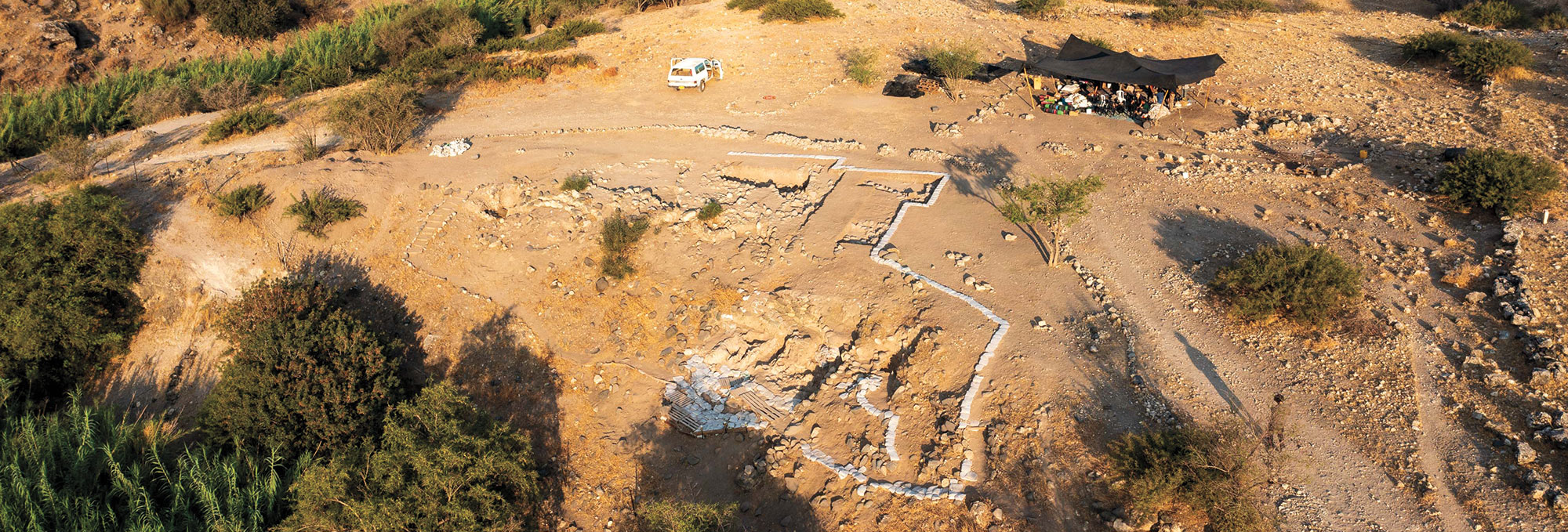 Photo by Naftali Hilger
 -
Digs & Discoveries
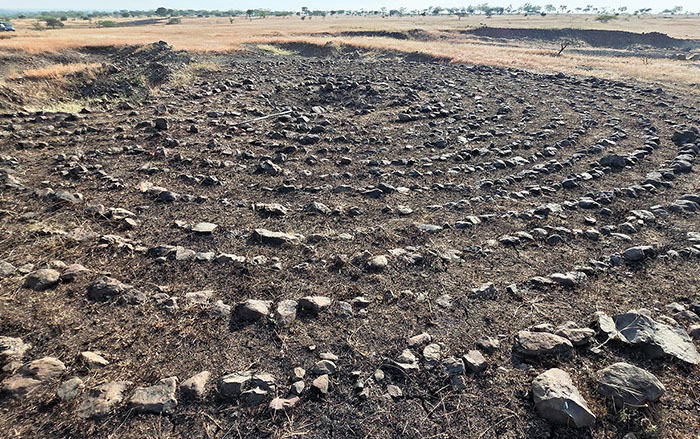
Running Circles Around the Competition
An ancient labyrinth discovered in India may hold clues to trade with Rome—5,000 miles away
 Courtesy Sachin Patil
 -
Digs & Discoveries
Ancient Architectural Digest
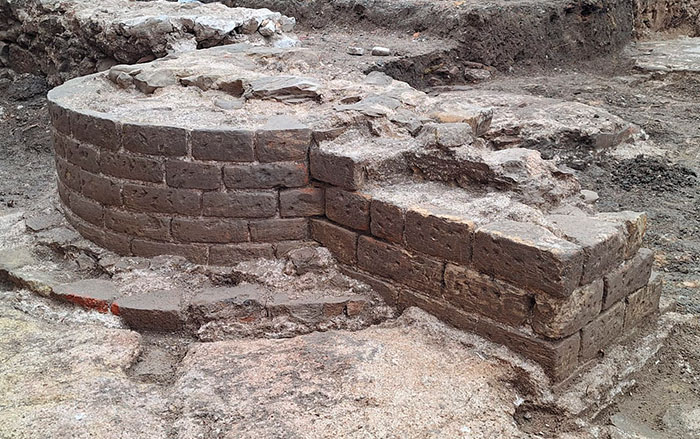 SABAP Ancona e Pesaro e Urbino
 -
Digs & Discoveries
Mark of the Human
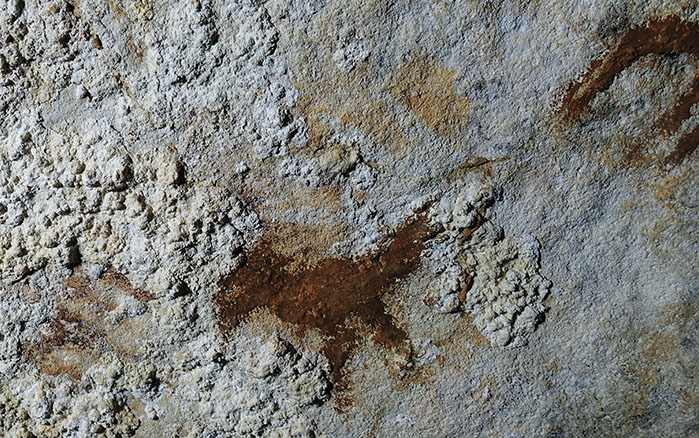 Courtesy Maxime Aubert
 -
Digs & Discoveries
Built for Comfort
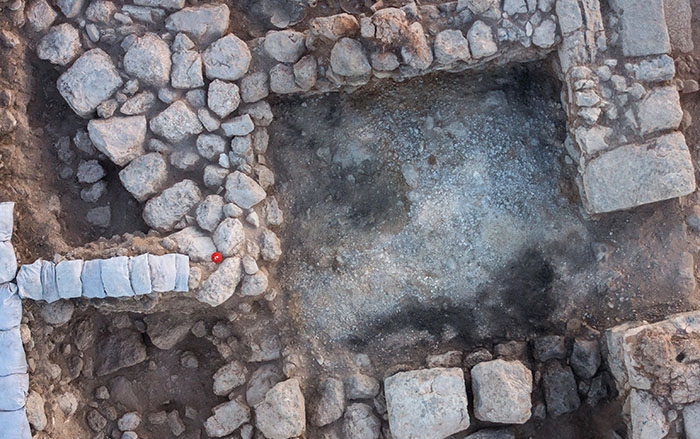 Skyview
 -
Digs & Discoveries
Turning Over the Soil
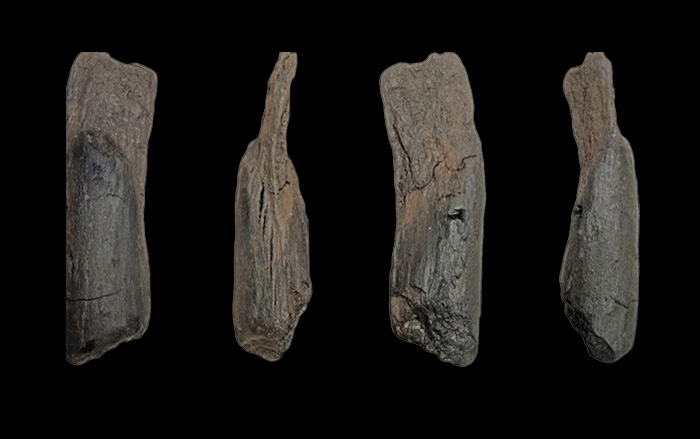 Photograph by N. Thompson, copyright K. Harvati
 -
Digs & Discoveries
Tomb of the Owl Lord
Archaeologists have unearthed a Zapotec burial decorated with sublime symbols of night and death
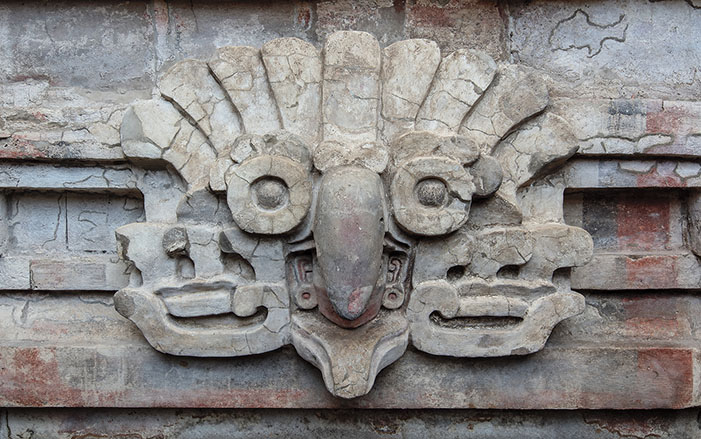 Luis Gerardo Peña Torres/INAH
Off the Grid
Off the Grid May/June 2026
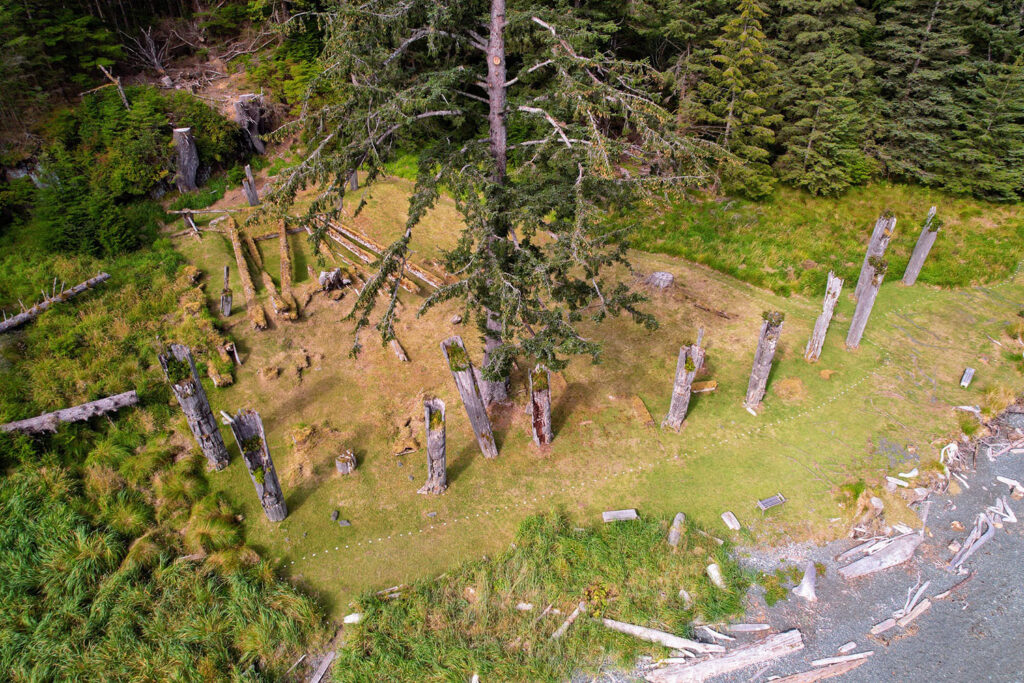
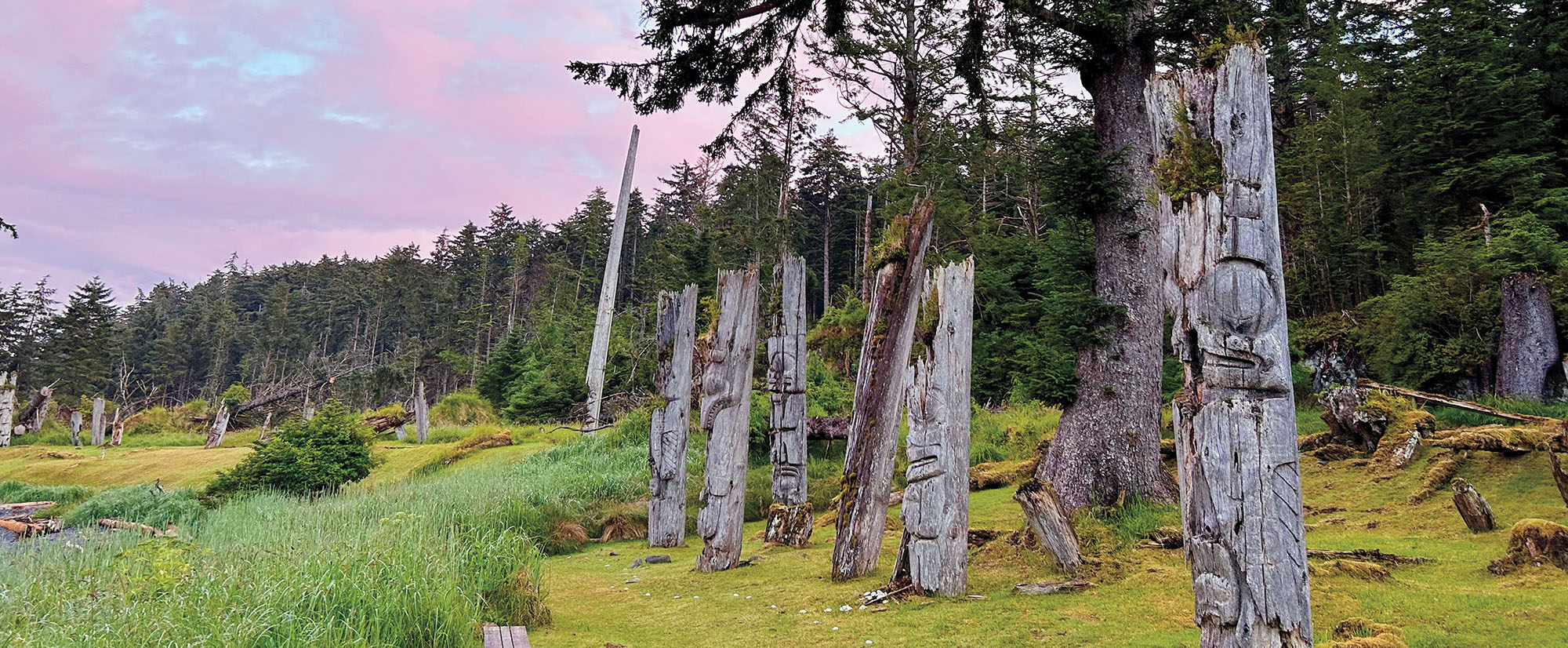
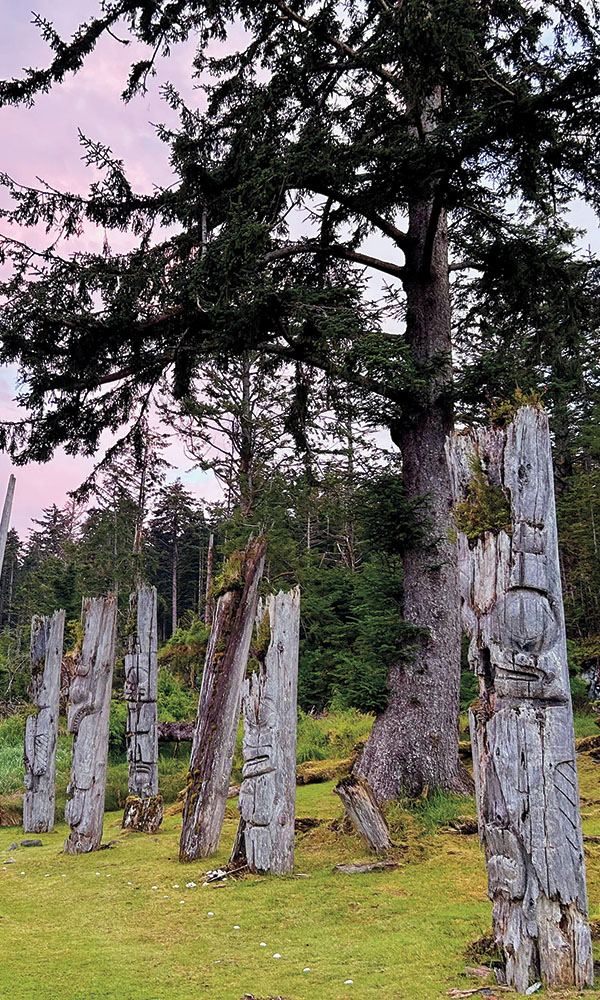
SGang Gwaay, British Columbia, Canada
Saving an ancestral Haida village after a devastating storm
Around the World
Explore
-
THE NETHERLANDS
-
GREENLAND
-
SOUTH AFRICA
THE NETHERLANDS
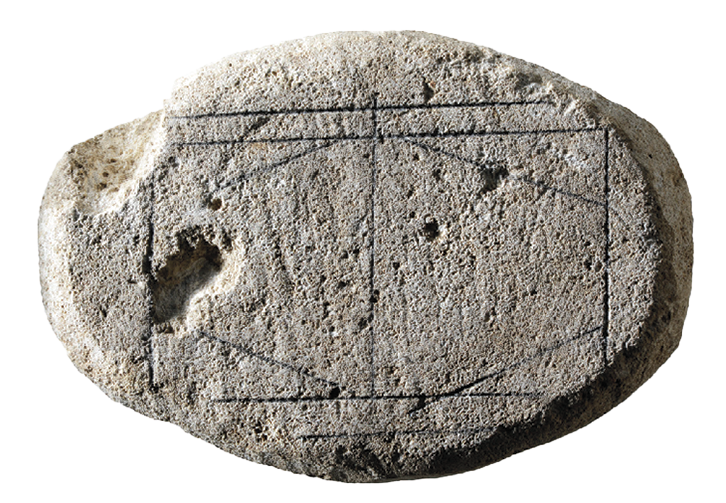
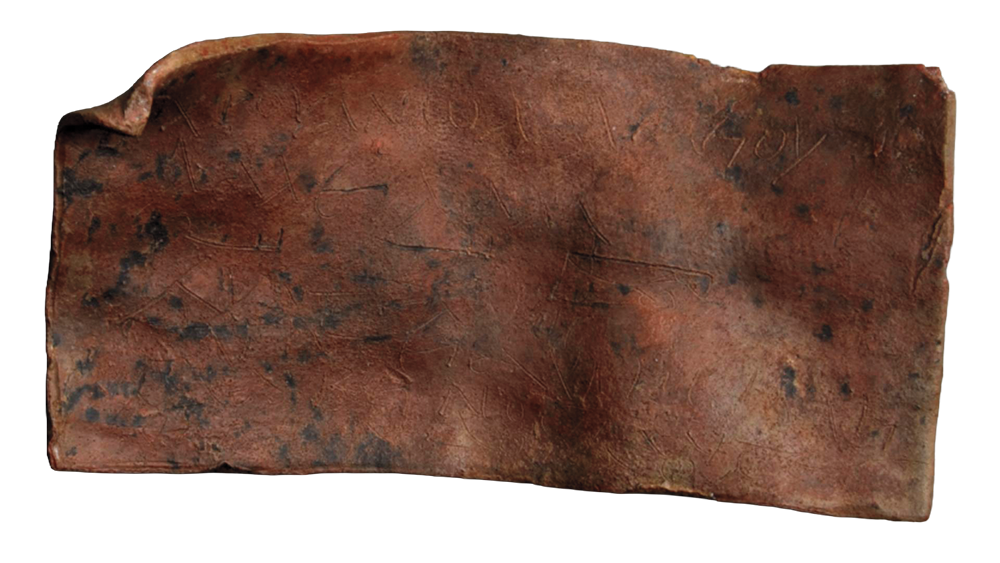
Artificial intelligence has helped decipher the rules of an ancient Roman game. A puzzling stone artifact found at the site of Coriovallum features geometric patterns, hinting at its use for gaming, but scholars had no idea how the game was played. Two AI agents were programmed to compete against each other using different sets of rules from known ancient games as a guide. The software revealed that the artifact’s wear patterns are consistent with blocking games, such as tic-tac-toe, which were not known to have existed in Europe before the Middle Ages.
Related Content
Around the World September/October 2026
THE NETHERLANDS
Around the World March/April 2025
THE NETHERLANDS
GREENLAND
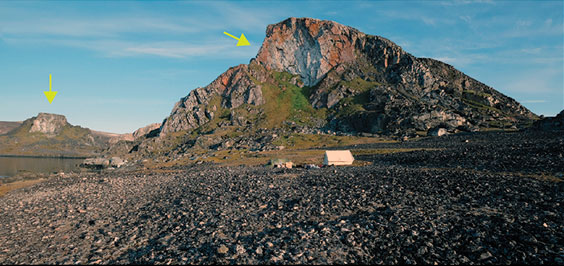
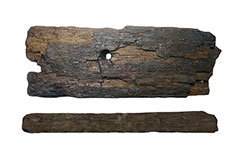
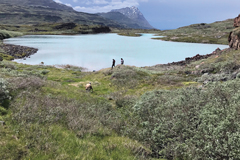
Paleo-Inuit people were accomplished seafarers who routinely braved treacherous seas 4,500 years ago to visit remote High Arctic locations. An archaeological survey identified evidence of seasonal occupation, such as tent rings and hearths, on the Kitsissut Islands, some 30 miles off northwest Greenland. These early sailors had to cross notoriously dangerous open water in skin-covered wood-frame crafts to hunt marine mammals and gather eggs from the islands’ thriving seabird colonies.
Related Content
SOUTH AFRICA
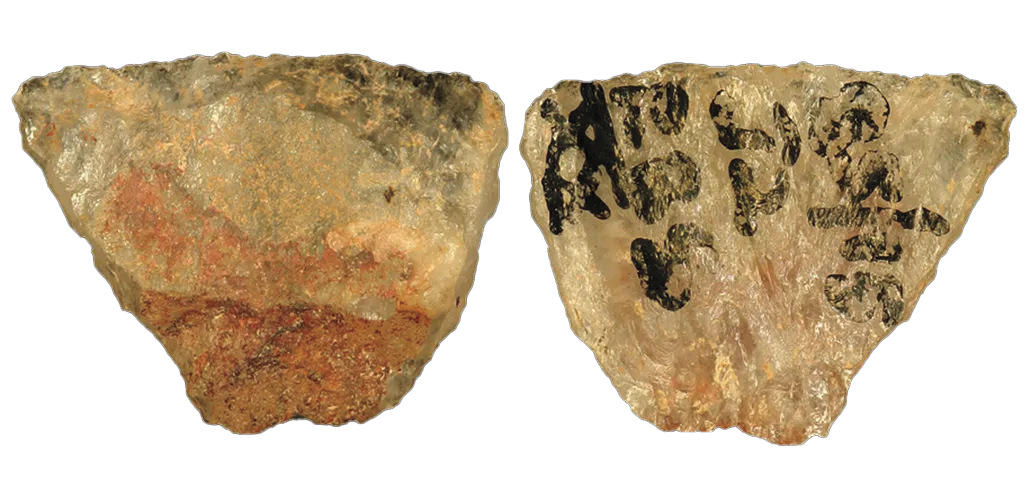
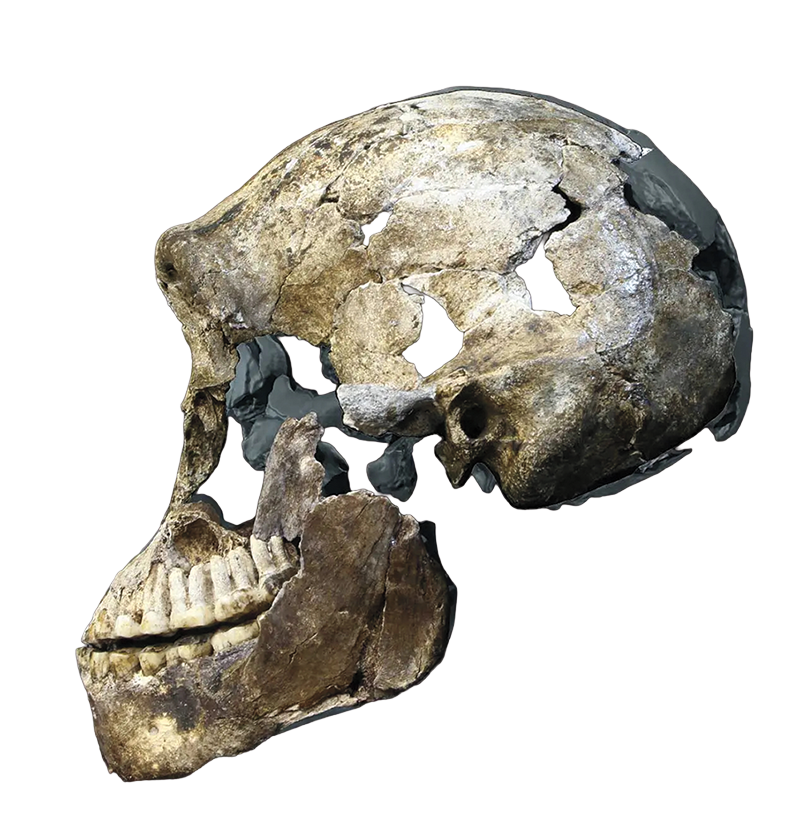
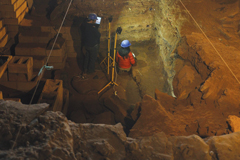
When humans first began using bows around 80,000 years ago, it represented a monumental step forward in their hunting capabilities. Lacing projectiles with toxins was the next game changer. The earliest evidence of poison-tip technology comes from 60,000-year-old quartz arrowheads found at the Umhlatuzana Rock Shelter. Researchers studying the arrowheads detected residue from a toxic plant known as bushman’s poison bulb. Although not immediately fatal, this substance would have severely weakened wounded prey over time.
Related Content
Around the World September/October 2026
SOUTH AFRICA
Around the World July/August 2021
SOUTH AFRICA
Slideshow: The Bulgaria Phenomenon
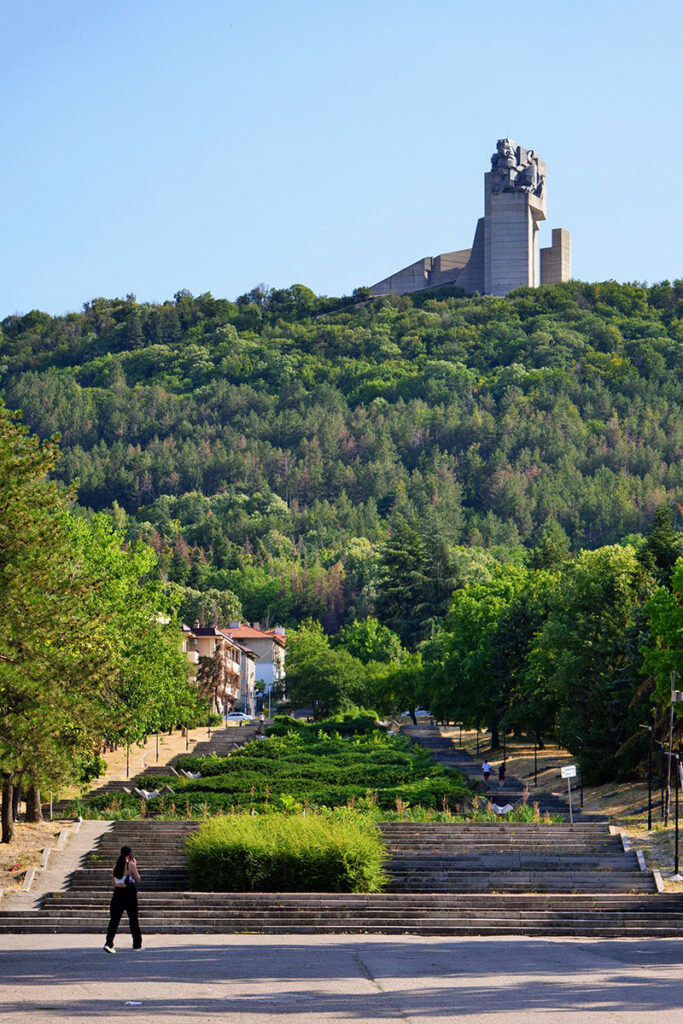
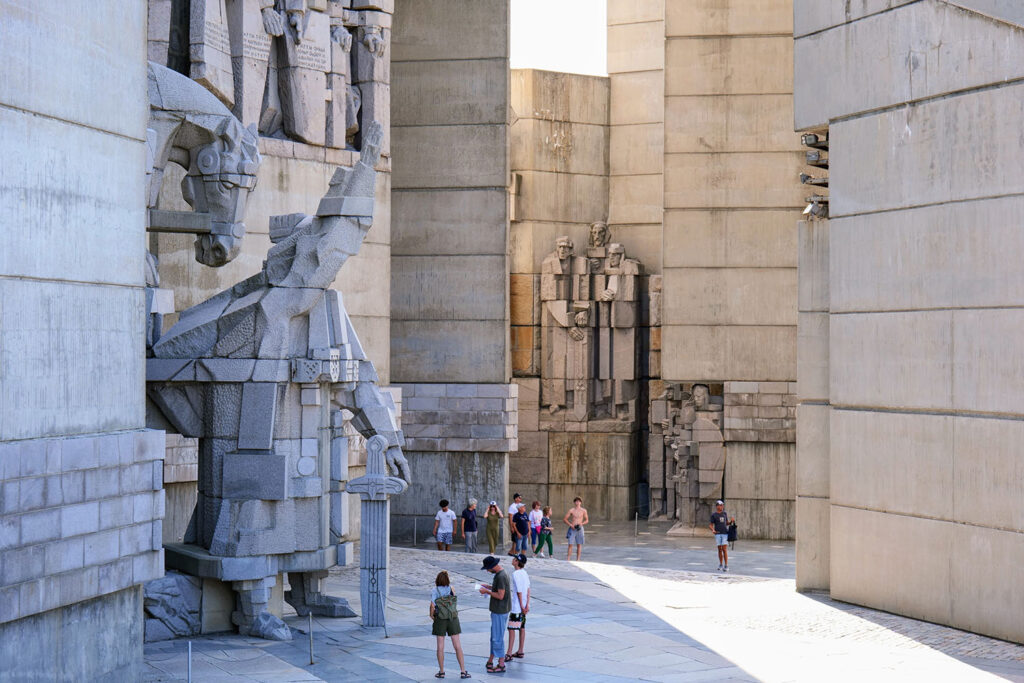
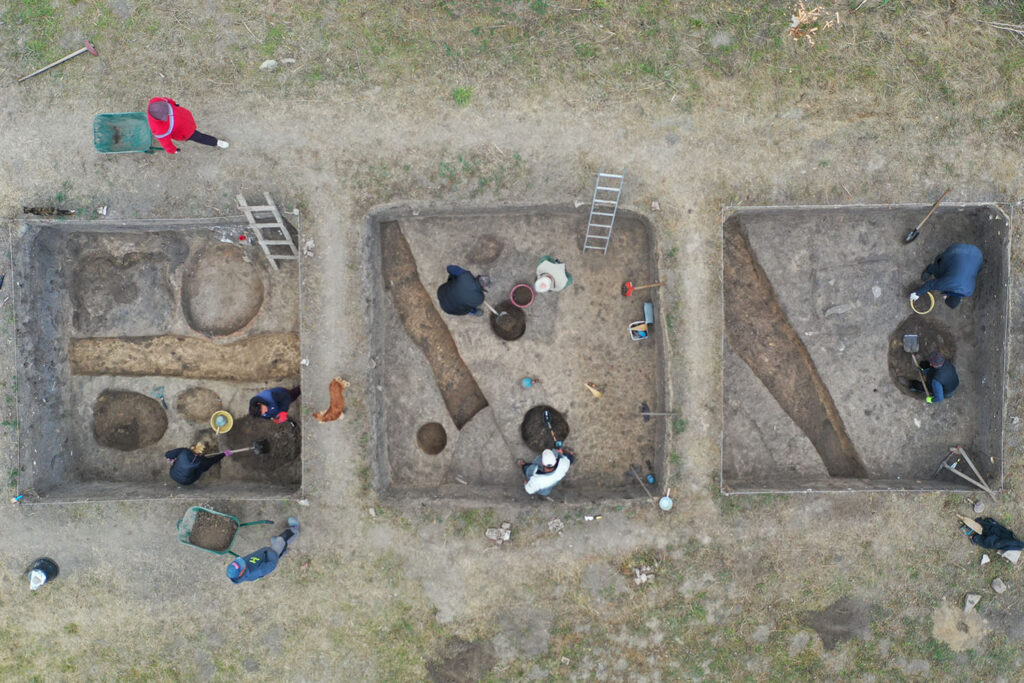
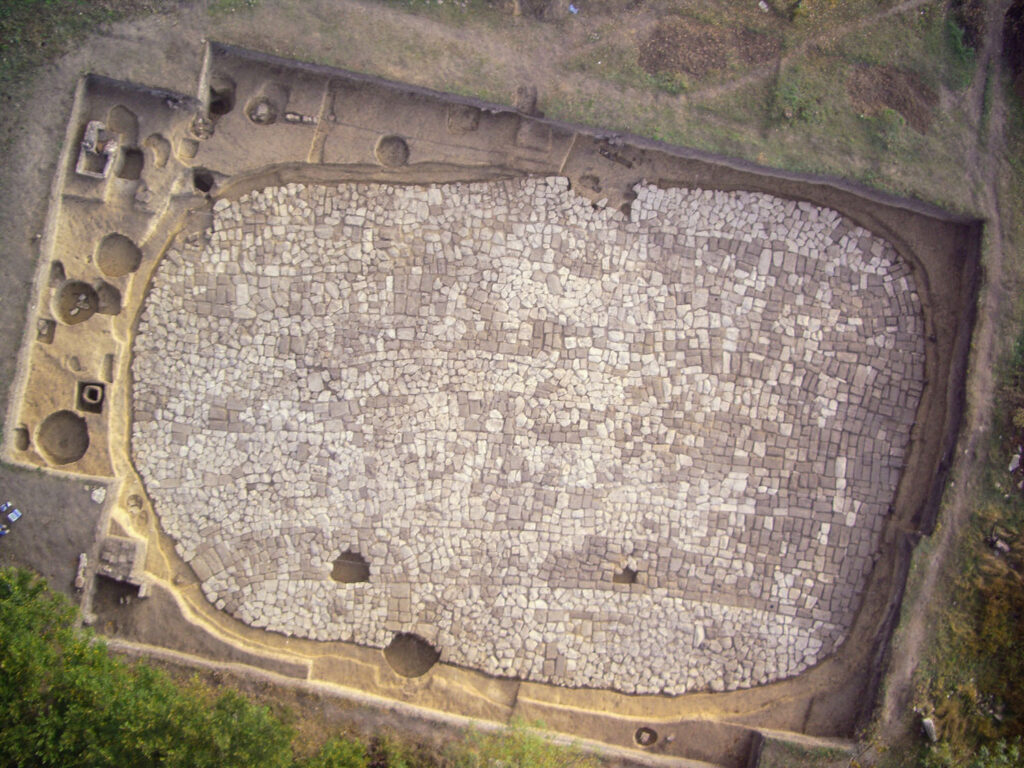
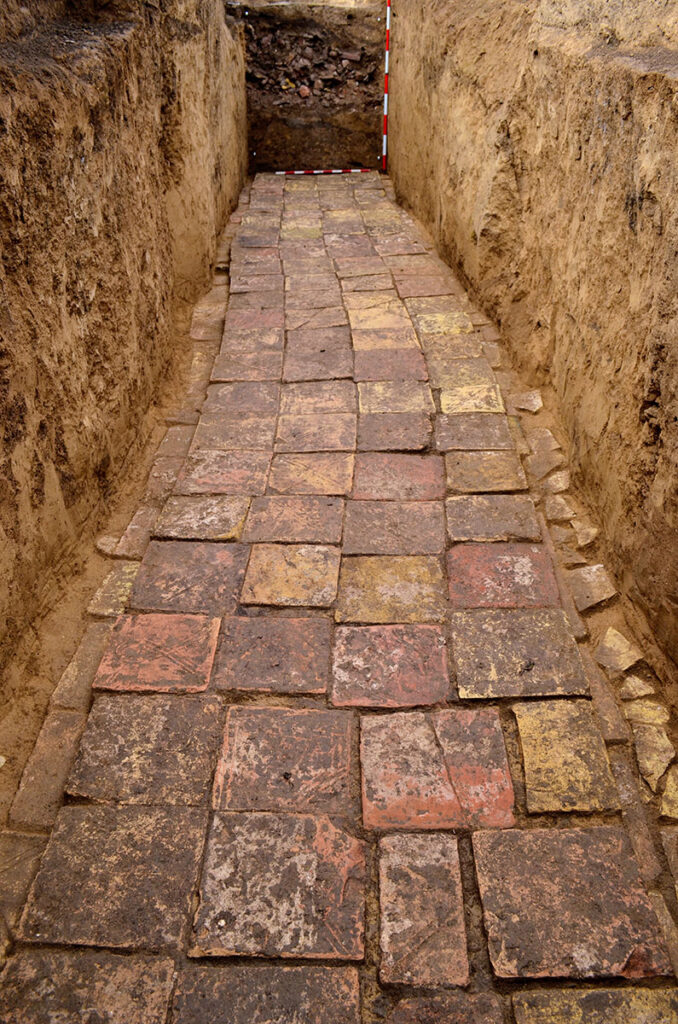
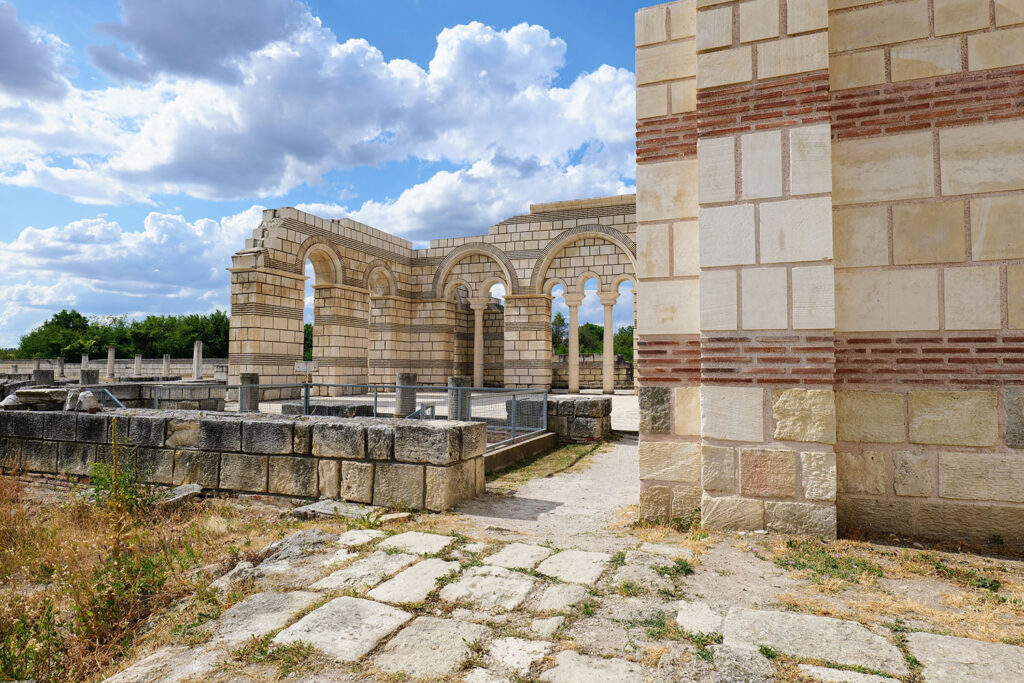
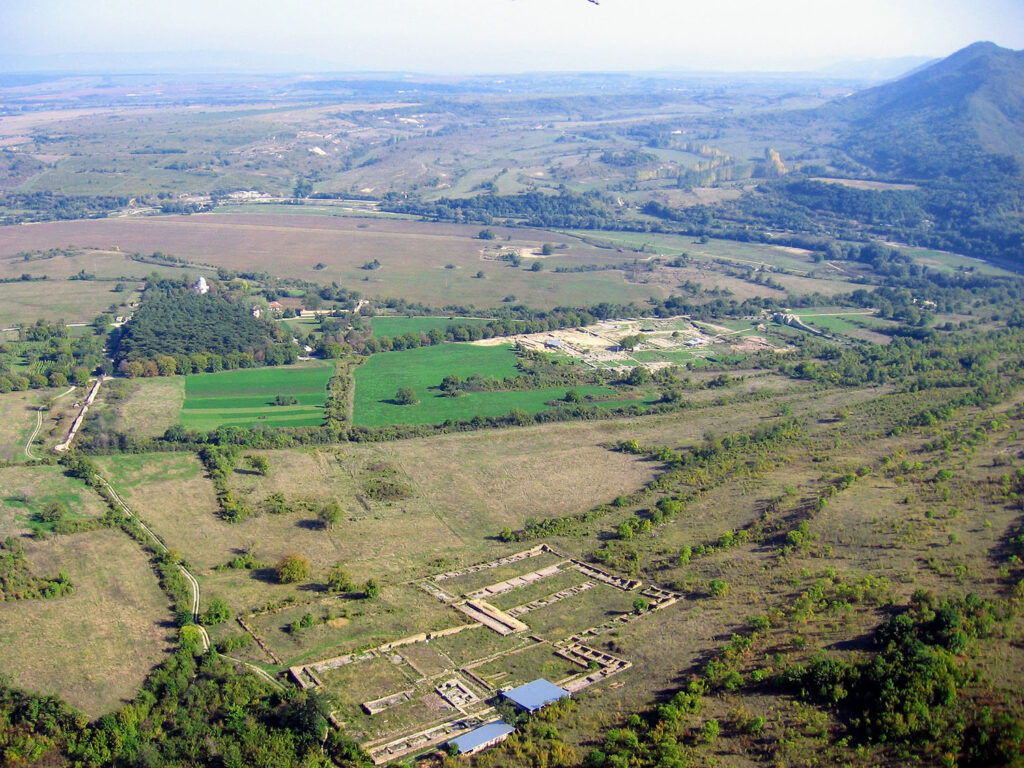
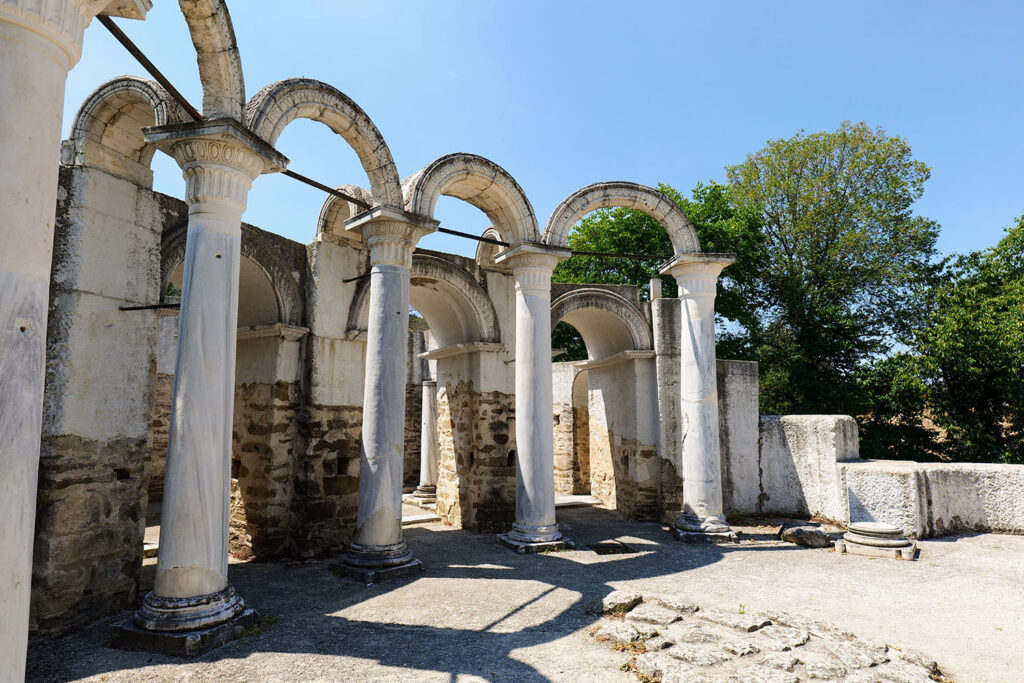
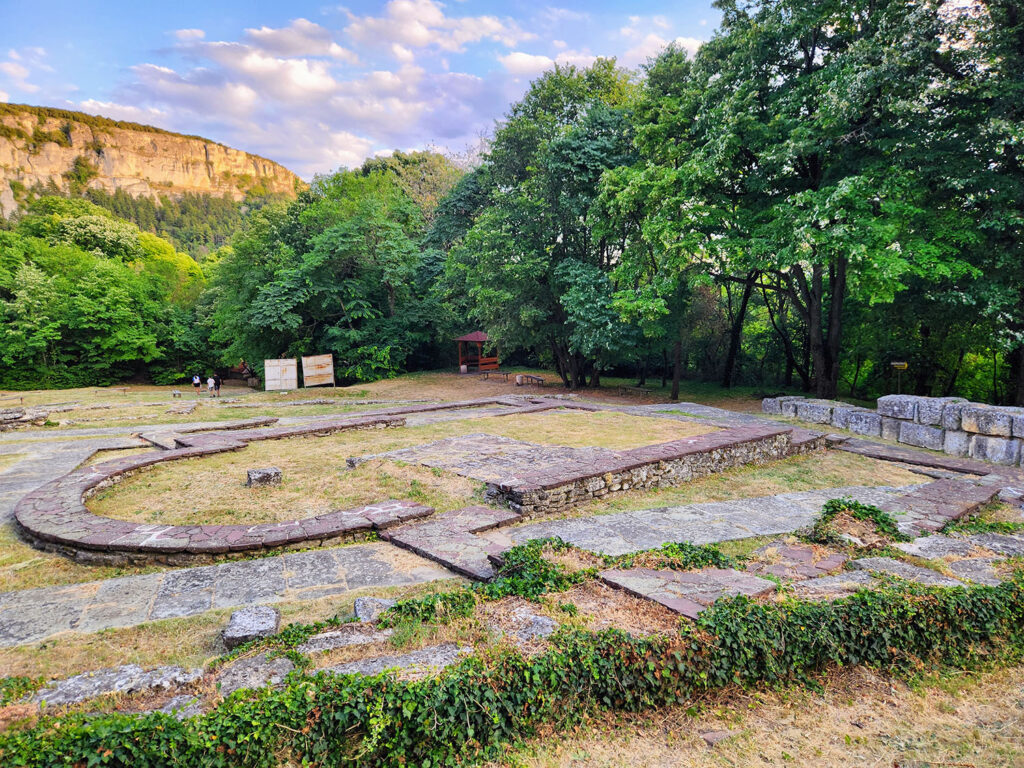
A Turkic chieftain named Asparuh (reigned a.d. ca. 681–700) announced himself in present-day eastern Bulgaria in the late seventh century a.d., backed by tens of thousands of followers. The clan had traveled from the steppe between the Black and Caspian Seas and founded a capital called Pliska on the Danubian Plain. At nearly nine square miles, it was among the most expansive cities in Europe at the time, nearly twice the size of the Byzantine Empire’s capital of Constantinople, the rival power that would exasperate the Bulgarians for centuries. The khans of what scholars call the First Bulgarian Empire (ca. a.d. 681–1018) quickly established dominance over the eastern Balkans and amassed wealth at Pliska. They built citadels from stone blocks weighing more than a ton, a network of underground passageways, technologically advanced baths and plumbing systems, and a few more outlandish structures. These include palaces whose plans nearly matched those of huge desert strongholds in Syria, and a mysterious “arena” that may have hosted solemn ceremonies and dangerous games. In the past two decades, archaeologists have discovered more and more evidence that Pliska was unlike any other city in early medieval Europe. This has led them to call the city “the phenomenon.”
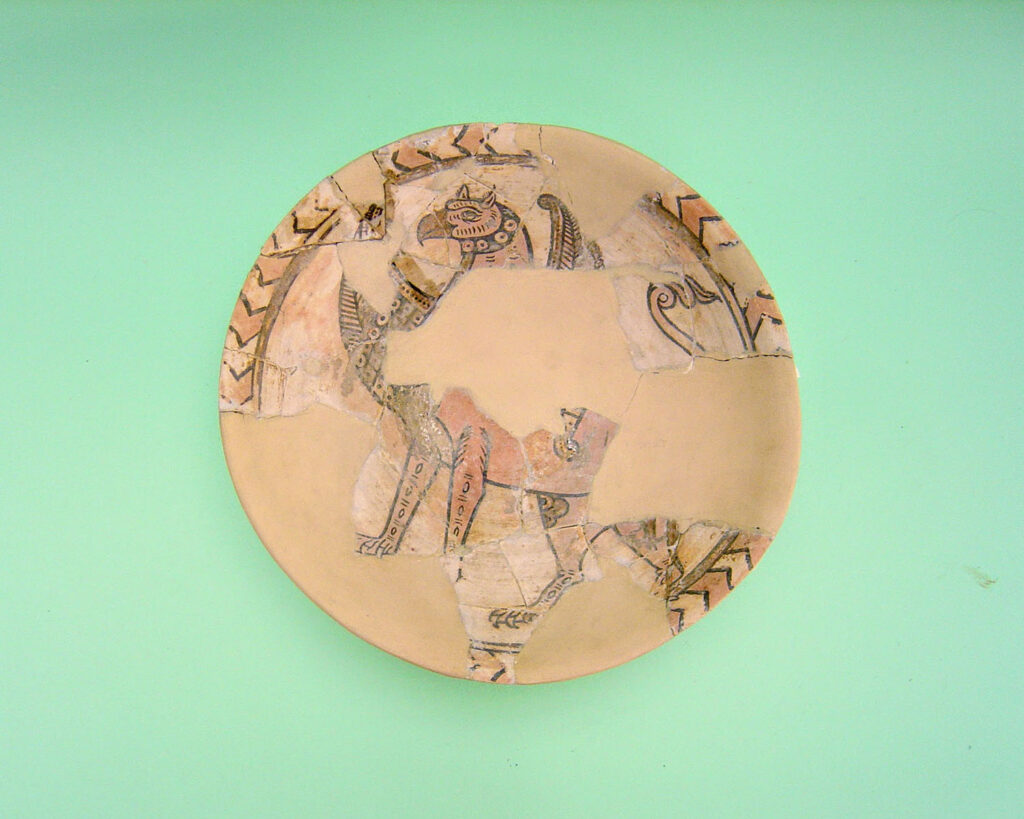
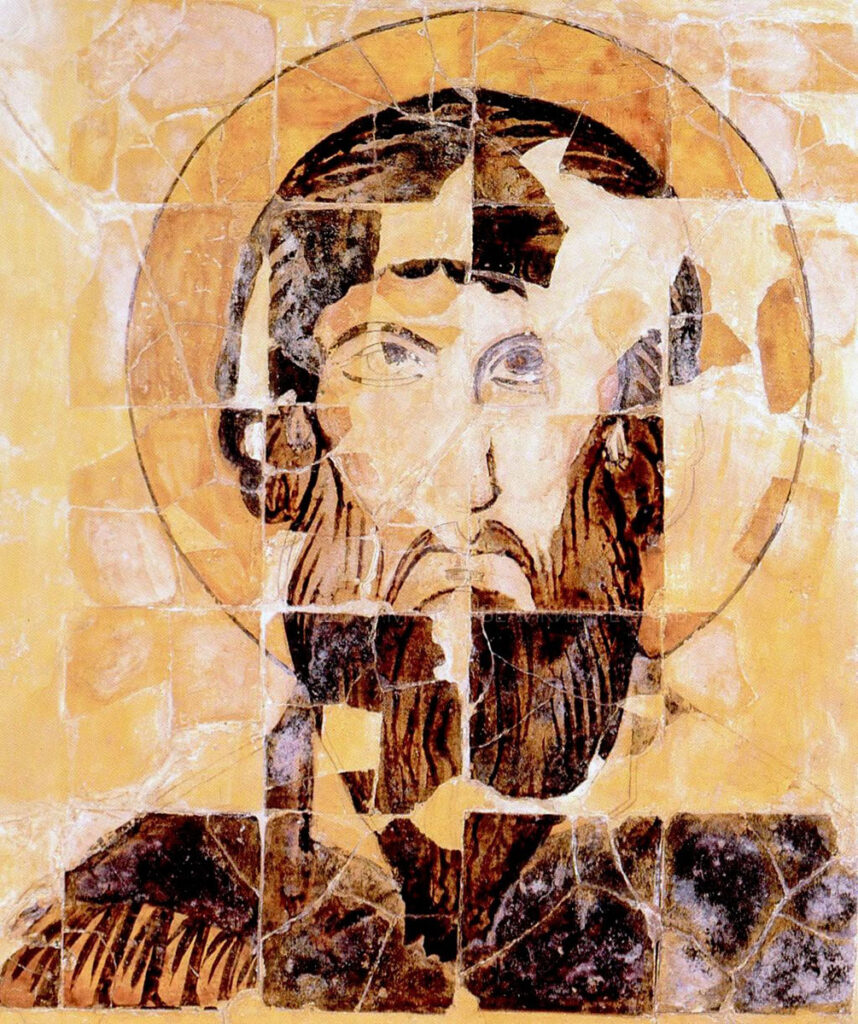
As the Bulgarian Empire reached its apex, its rulers relocated the apparatus of the state, military, and church to a different capital 23 miles away, called Veliki Preslav. There, Tsar Simeon I (reigned a.d. 893–927) patronized artisans, such as the ceramicists who would bedeck his city in painted tiles crafted from brilliant white clay. Simeon also spurred the dissemination of literature written using the Cyrillic alphabet, which had been compiled for Slavic speakers in ninth-century a.d. Bulgaria and is still used across Eastern Europe. During his reign, the tsar marched on Constantinople and its environs five times. Archaeologists have only excavated a tiny fraction of Pliska and Veliki Preslav over the past 130 years, but twenty-first-century research has continued to lead to breakthroughs in their knowledge of the strange and singular phenomenon of the Bulgarian Empire. To read our full article about the First Bulgarian Empire and its capitals, click here.

Slideshow: Stilt Houses of the Alps
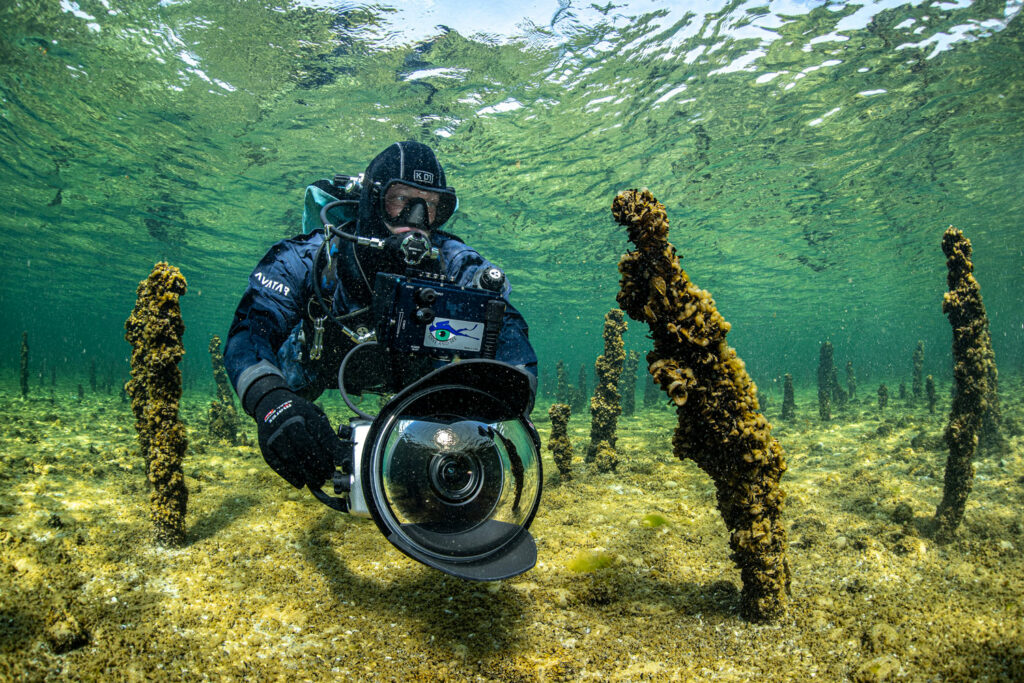
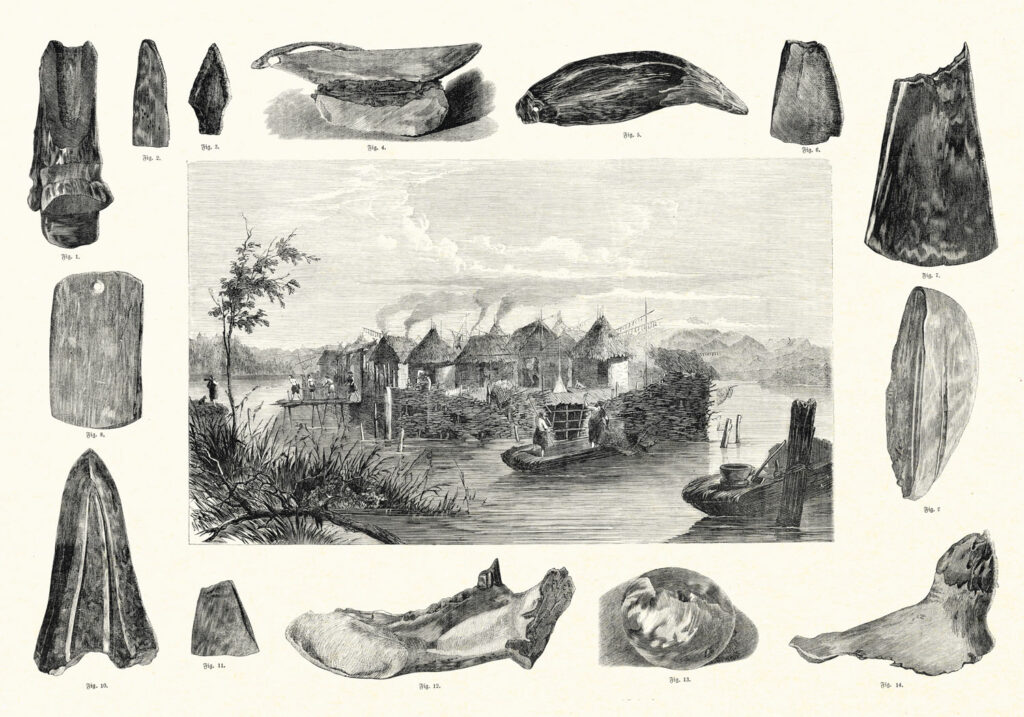
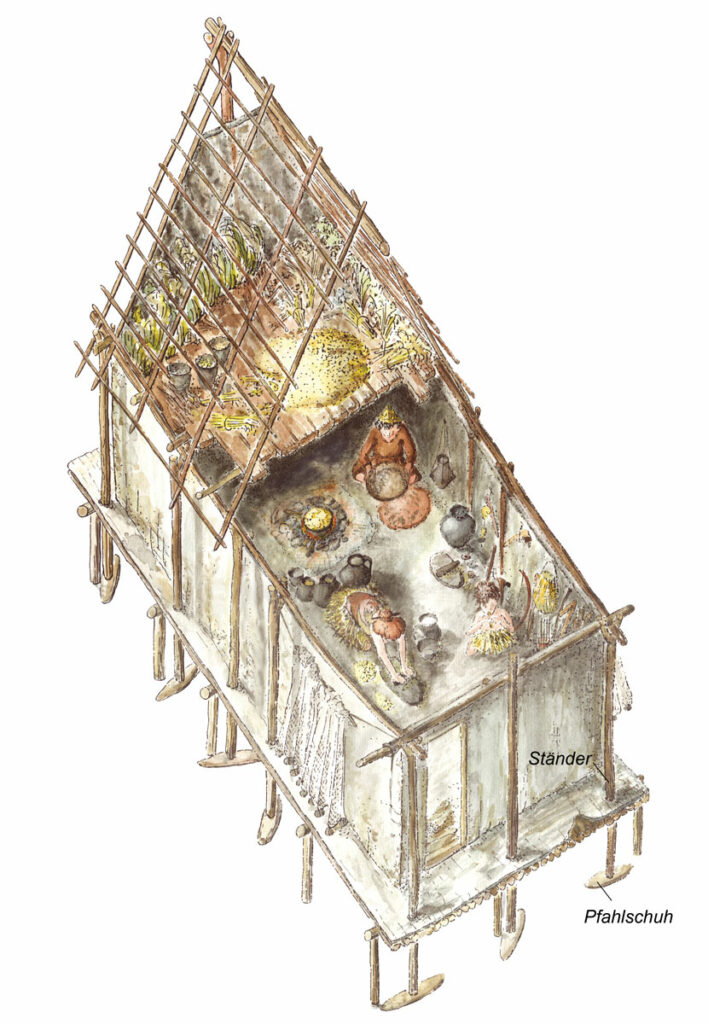
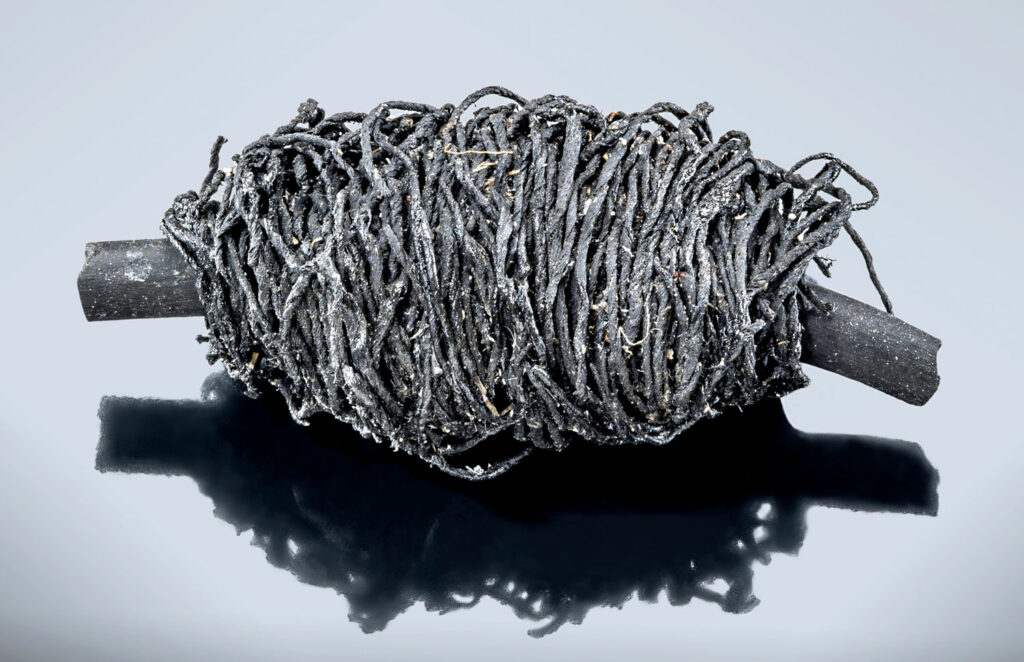
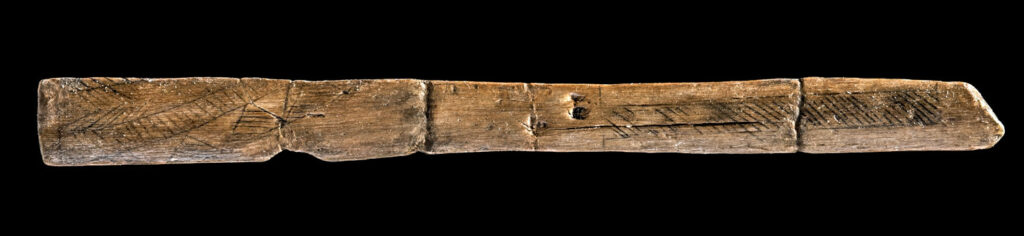
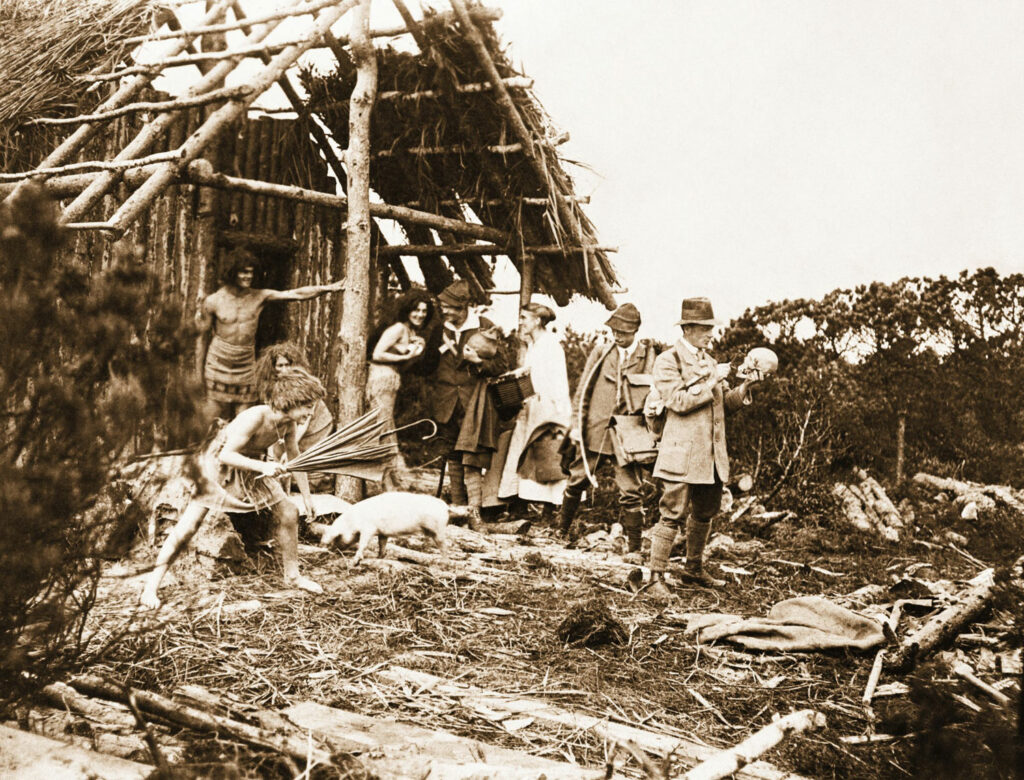
For thousands of years in the Neolithic period (5500–2200 B.C.) and the Late Bronze Age (2200–750 B.C.), many people across northern Europe built their houses on stilts. Archaeologists have excavated villages featuring this style of house, known as pile dwellings, on lakes and in moors in Switzerland, Austria, Italy, Germany, France, and Slovenia. In some locations, replicas of the houses have been built. When the houses were first discovered more than a century ago, Swiss and German scholars—who had previously relied on graves and grave goods for their understanding of the region’s prehistory—believed that the pile dwellings provided evidence of a sophisticated European civilization that had flourished before those of the ancient Mediterranean. Because the lakes and marshes where the pile dwellings and their contents were found are cold and very low in oxygen many unusual artifacts have survived for more than 5,000 years, including one of the world’s oldest wheels. To read our full article on pile dwellings, click here.
Slideshow: Saving an Ancestral Canadian Village
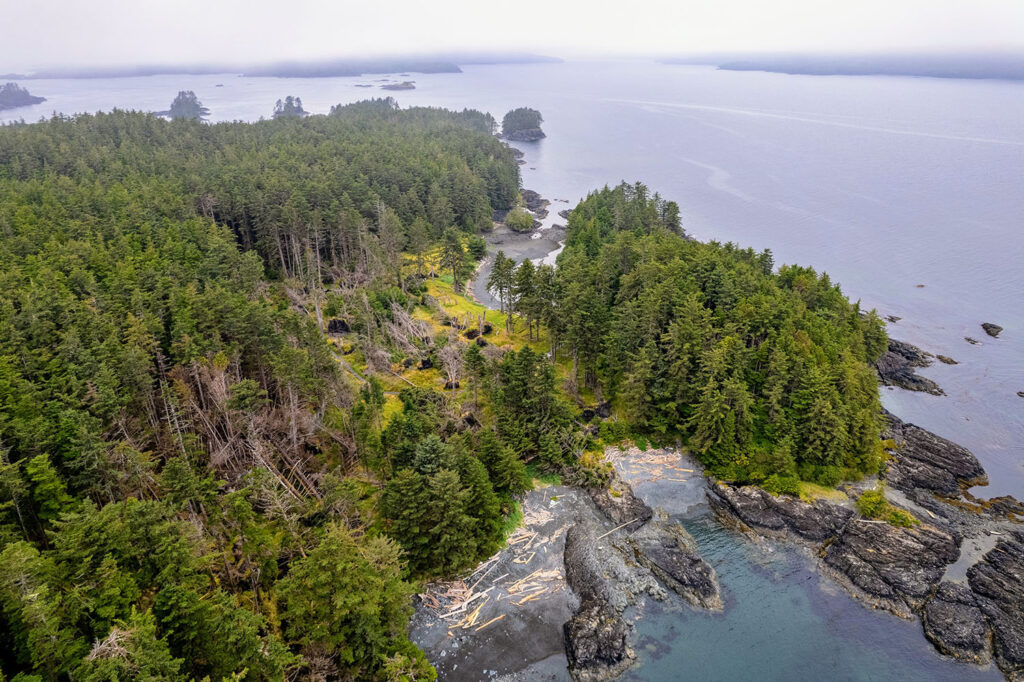
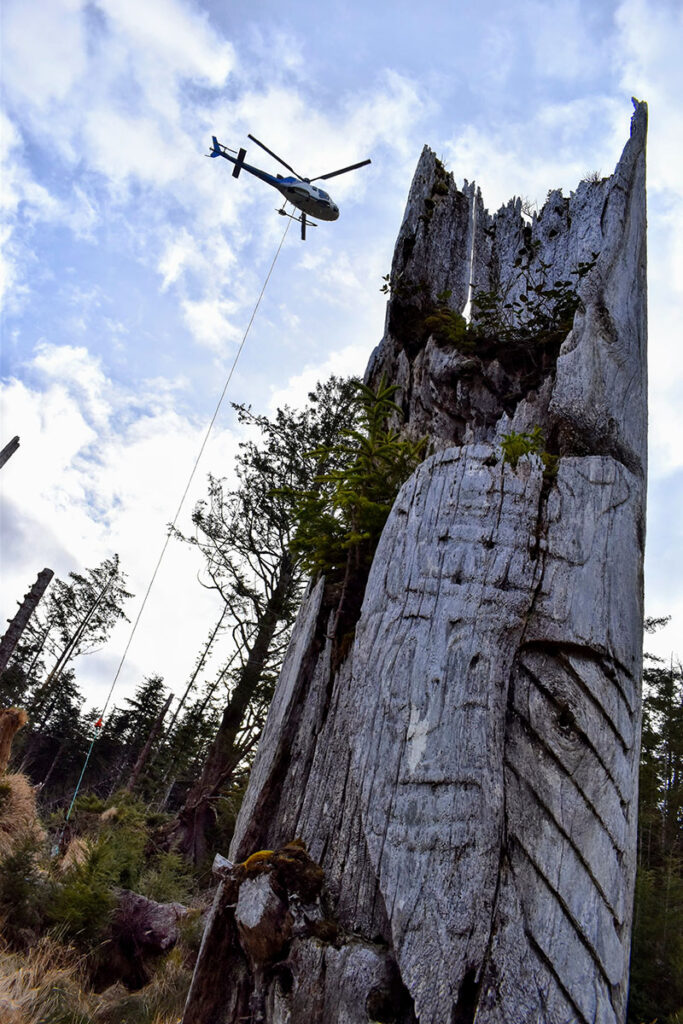
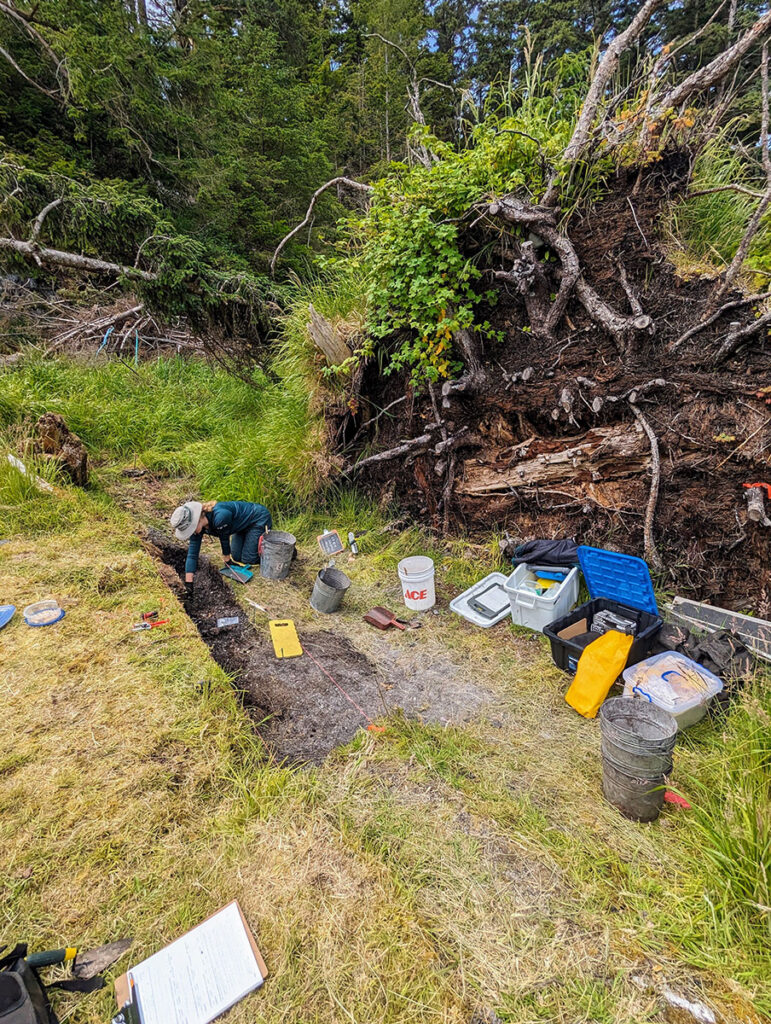
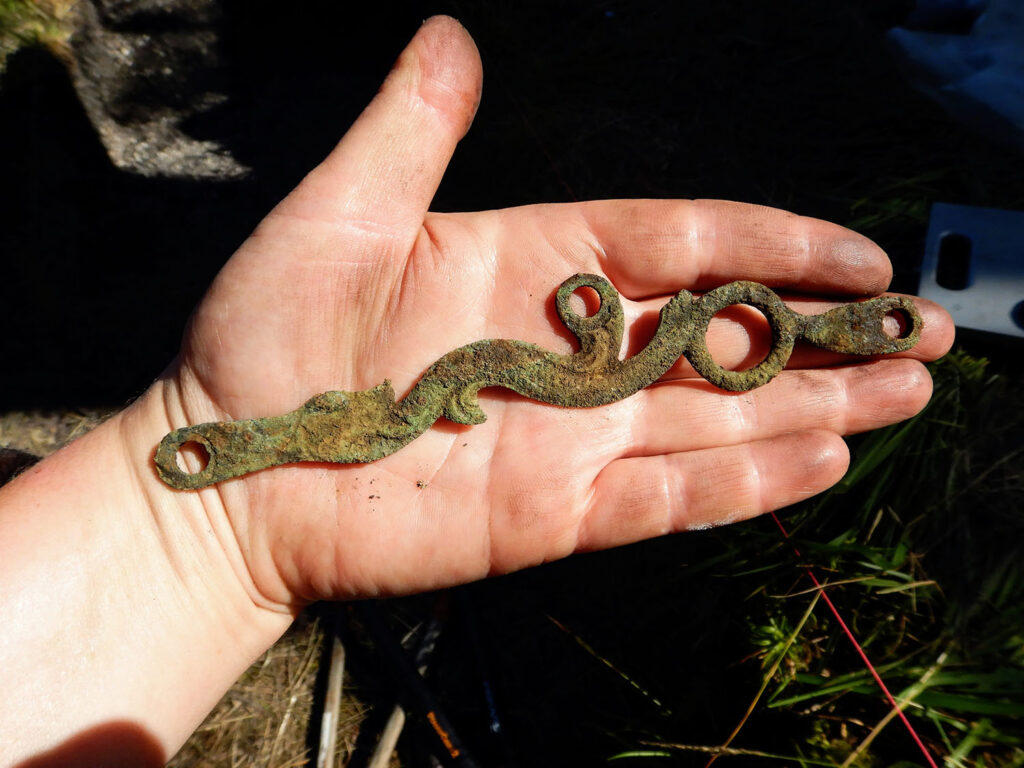
On an archipelago off the Pacific Coast of British Columbia called Haida Gwaii, the Haida people and their ancestors have lived amid lush Pacific rainforest for more than 10,000 years. The Haida Gwaii village of SG̱ang Gwaay Llnagaay was evacuated in the 1880s after epidemics claimed many of its inhabitants. But the remnants of cedar-plank longhouses, orchards, canoe launches, and ceremonial poles for the remembrance of the dead—some more than 50 feet tall—survive as a testament to a hub of Haida artisanship, worship, and trade in the eighteenth and nineteenth centuries. After a violent storm ripped through SG̱ang Gwaay Llnagaay in 2018, the Haida decided to incorporate archaeology into the restoration and conservation work of the village and its environs. To read our full article about SG̱ang Gwaay Llnagaay, click here.