

STOCKHOLM, SWEDEN—According to a statement released by Stockholm University, genetic analysis of 13 people whose remains were found in an Islamic cemetery on the Mediterranean island of Ibiza suggests that the population had roots in Europe, North Africa, and sub-Saharan Africa between the tenth and twelfth centuries A.D. Two of these individuals were found to have sub-Saharan ancestry. “This is direct genetic evidence of the long-distance networks reaching the Sahel, as described in historical sources,” said Ricardo Rodríguez-Varela of Stockholm University. The study also suggests that people from North Africa reached Ibiza in the late ninth century, or about two to seven generations earlier than those from the south. The researchers also screened the human remains for diseases and discovered that one individual had been infected with leprosy. This strain of Mycobacterium leprae has also been found in Europe and dated to between the seventh and thirteenth centuries. “These genomes capture the moment when the Islamic world and the Christian societies of Iberia began to reshape each other,” explained Anders Götherström of Stockholm University. Read the original scholarly article about this research in Nature Communications. To read about a medieval woman afflicted with a strain of leprosy carried by red squirrels, go to "Around the World: England."
Medieval Populations Mixed on the Mediterranean Island of Ibiza
News March 31, 2026
Recommended Articles
Digs & Discoveries July/August 2021
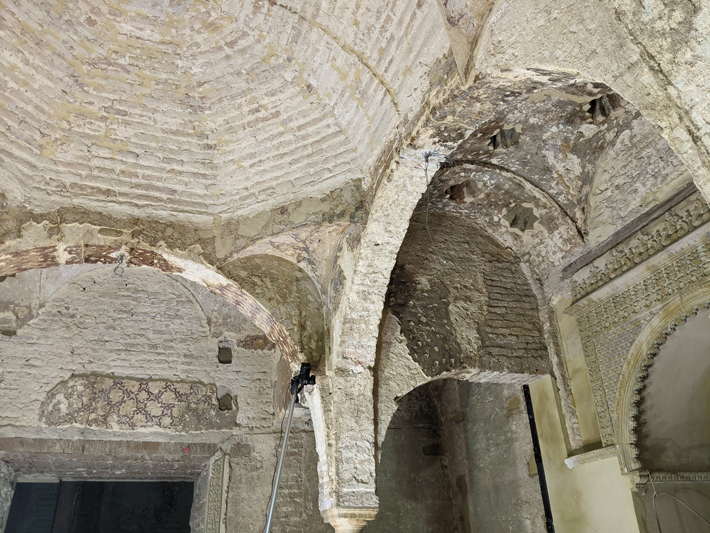
Bathing at the Bar
Digs & Discoveries May/June 2021
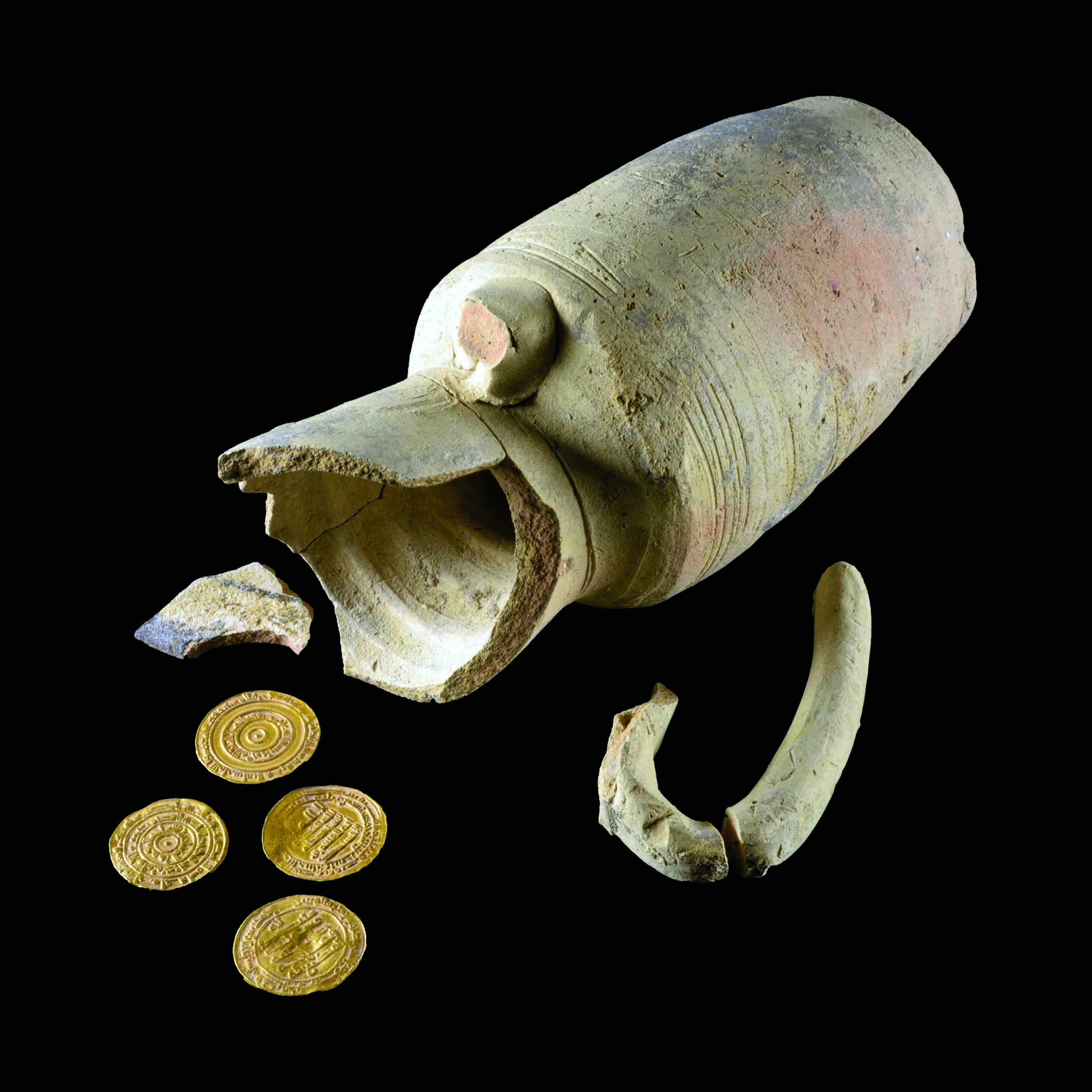
Money Talks
Digs & Discoveries November/December 2020
Ship of Plenty

Letter from Morocco May/June 2020
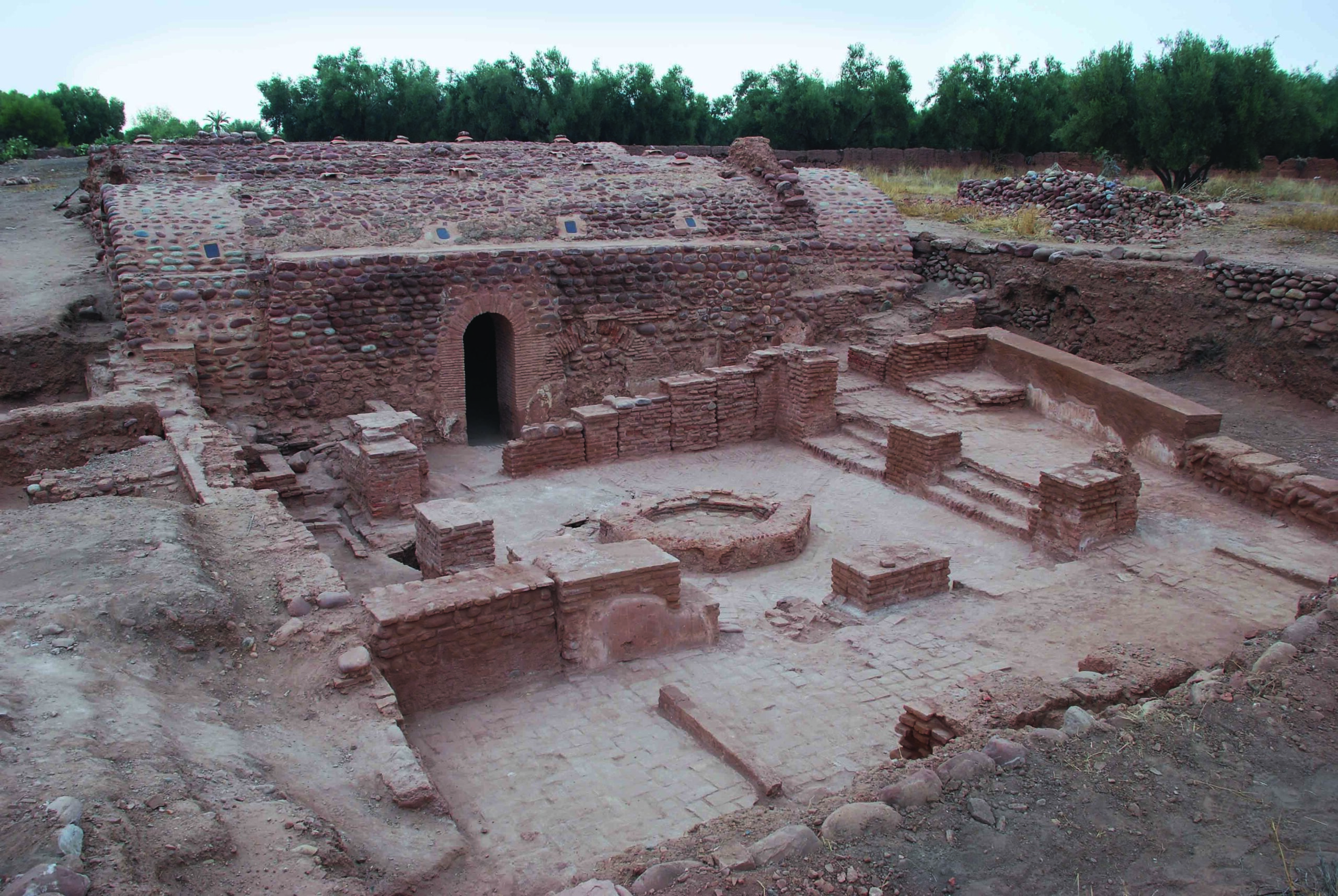
Splendor at the Edge of the Sahara
Excavations of a bustling medieval city tell the tale of a powerful Berber dynasty
More to Discover
Features March/April 2026
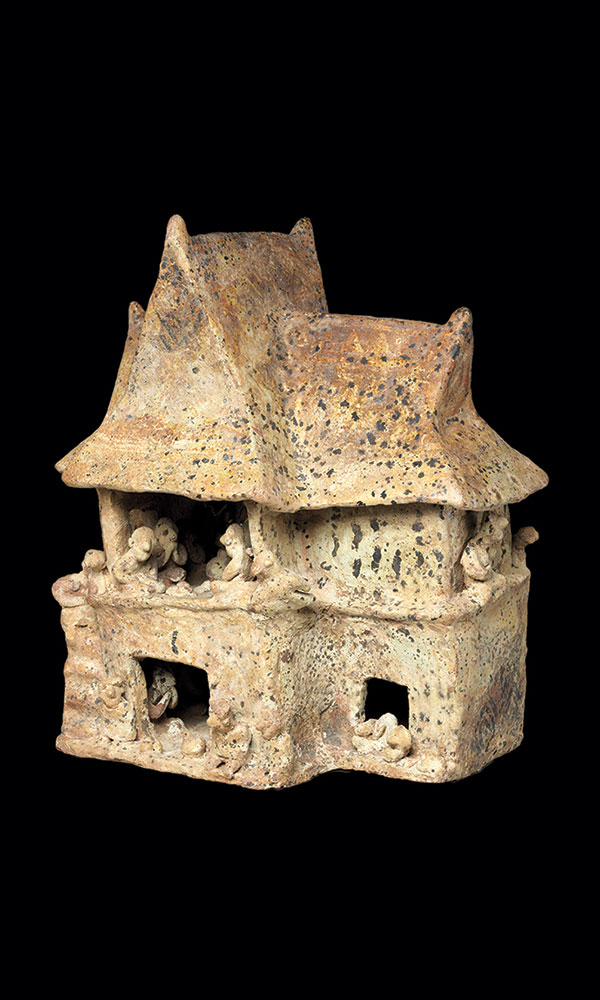
Model Homes
A look inside miniature worlds created for the living, the dead, and the divine

-
Features March/April 2026
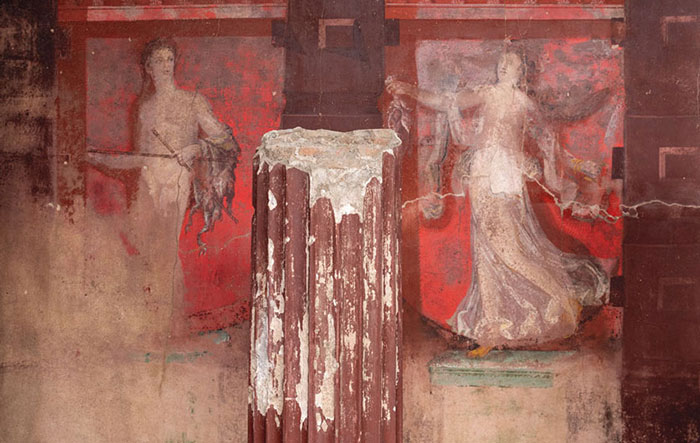
Pompeii's House of Dionysian Delights
Vivid frescoes in an opulent dining room celebrate the wild rites of the wine god
 Courtesy Archaeological Park of Pompeii
 -
Features March/April 2026
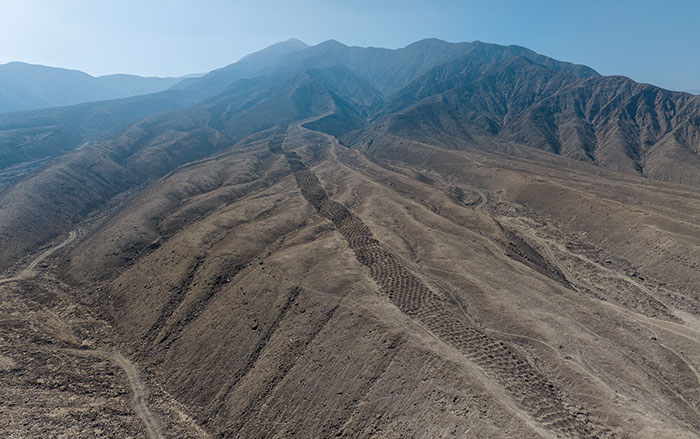
Return to Serpent Mountain
Discovering the true origins of an enigmatic mile-long pattern in Peru’s coastal desert
 Courtesy J.L. Bongers
 -
Features March/April 2026
Himalayan High Art
In a remote region of India, archaeologists trace 4,000 years of history through a vast collection of petroglyphs
 Matt Stirn
 -
Features March/April 2026
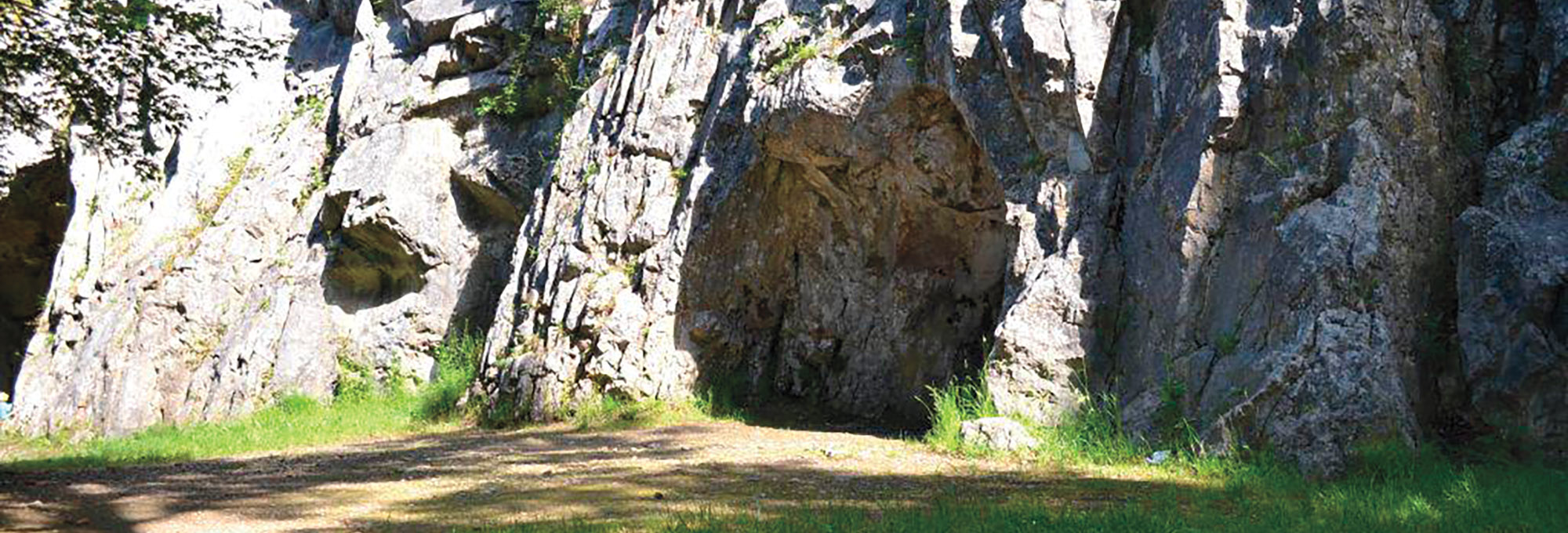
What Happened in Goyet Cave?
New analysis of Neanderthal remains reveals surprisingly grim secrets
 IRSNB/RBINSL