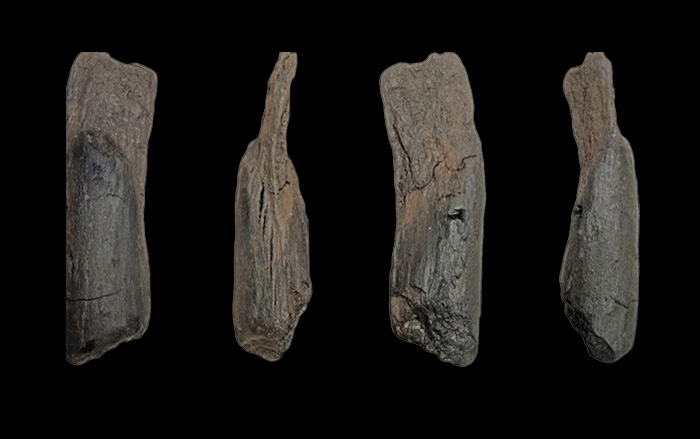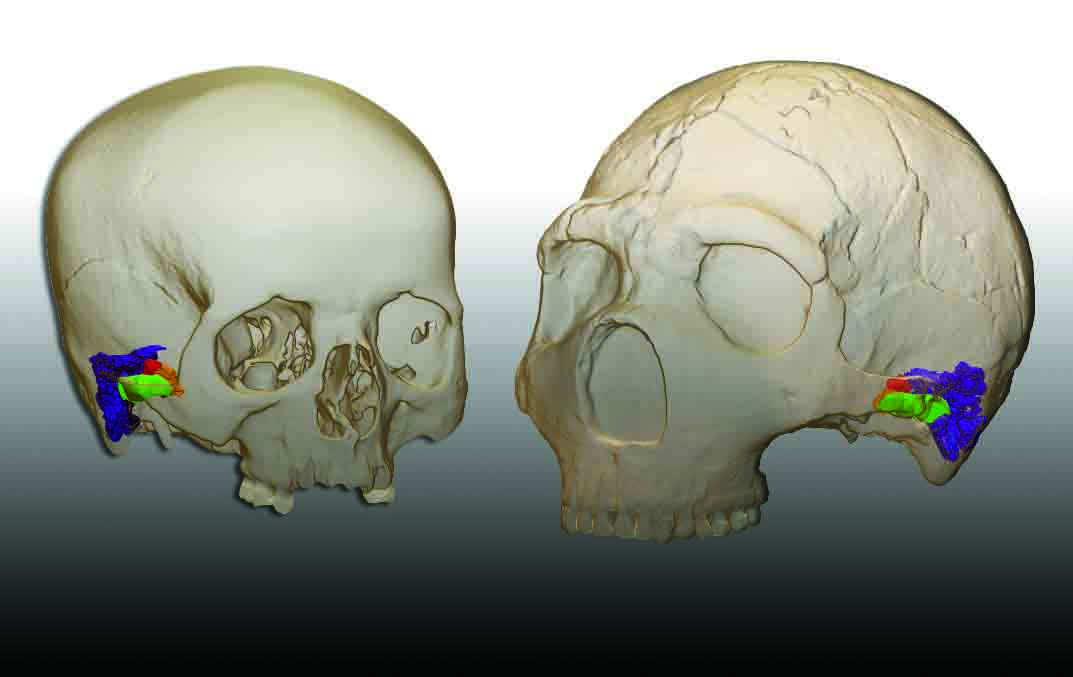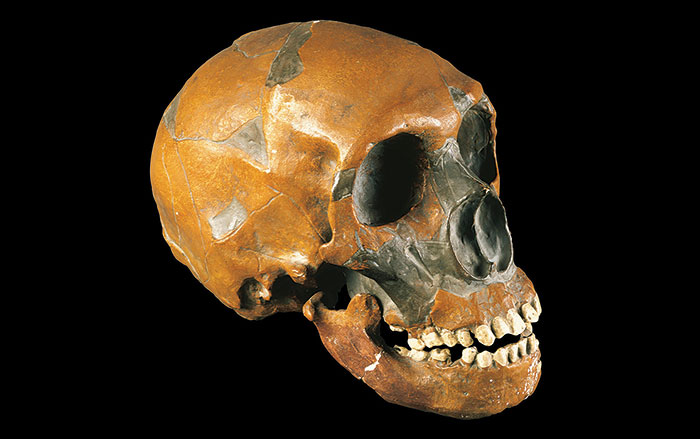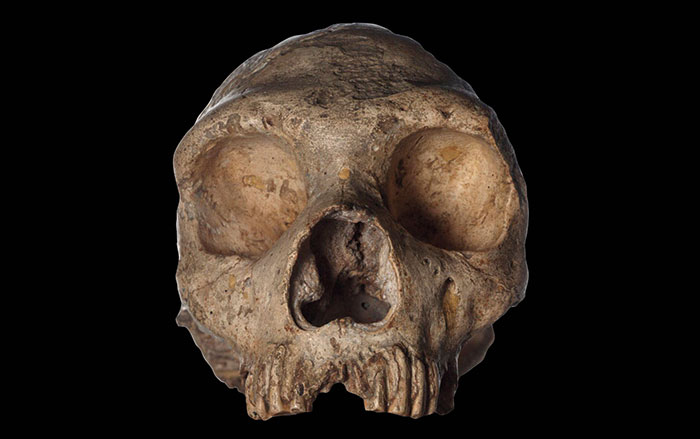
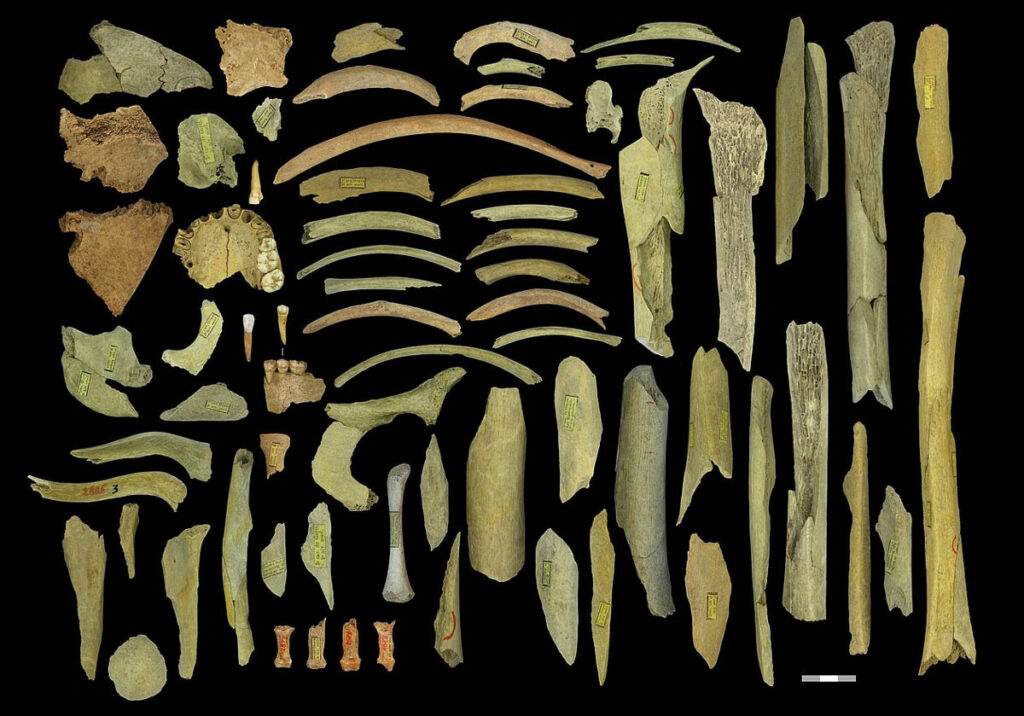
TÜBINGEN, GERMANY—According to a Live Science report, a team of researchers including archaeogeneticist Cosimo Posth of the University of Tübingen analyzed mitochondrial DNA sequences from a total of 59 Neanderthal individuals. Mitochondrial DNA is only passed from mother to child. The study determined that there were several mitochondrial DNA lineages present among Neanderthals in Europe until about 65,000 years ago, when they were replaced by one mitochondrial genetic lineage that originated in southwestern France. “This tells us there was this major disruption in Neanderthal history,” Posth said. The researchers think that Neanderthal groups living in northern Europe may have died out as the climate became harsher and glaciers dominated the landscape. A group in southwestern France, however, possibly survived and expanded their territory. But as this smaller group of Neanderthals spread across Europe, its genetic diversity was reduced, perhaps contributing to Neanderthal extinction around 42,000 years ago, Posth said. “We don’t think there was a single reason the Neanderthals went extinct, but this lack of genetic diversity would have made them more predisposed to not really survive climatic changes and other disruptions,” he said. Yet the diversity in Neanderthal artifacts and art found across Europe indicates that these groups may not have had much contact with each other. “This would have led to more inbred groups, explaining the low genetic diversity, but also more cultural and archaeological diversity, since these groups were isolated and so would have developed more specialized cultures,” he concluded. Read the original scholarly article about this research in Proceedings of the National Academy of Sciences. To read about the analysis of Neanderthal remains recovered from a site in Belgium, go to "What Happened in Goyet Cave?"