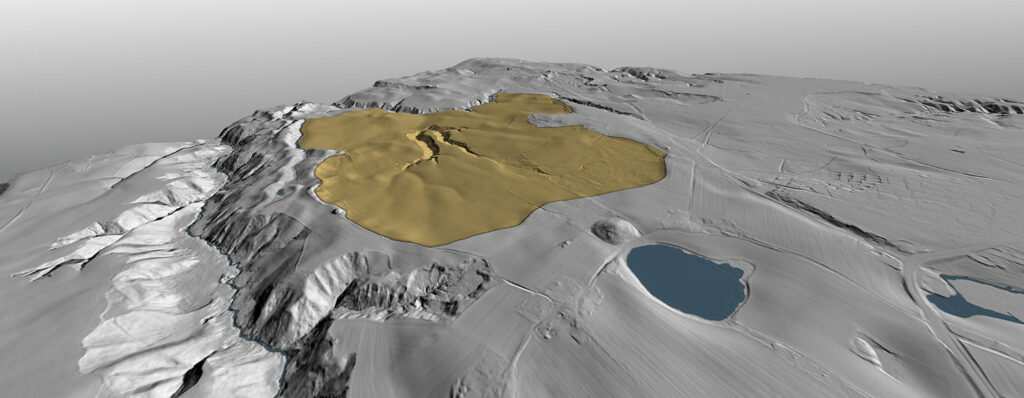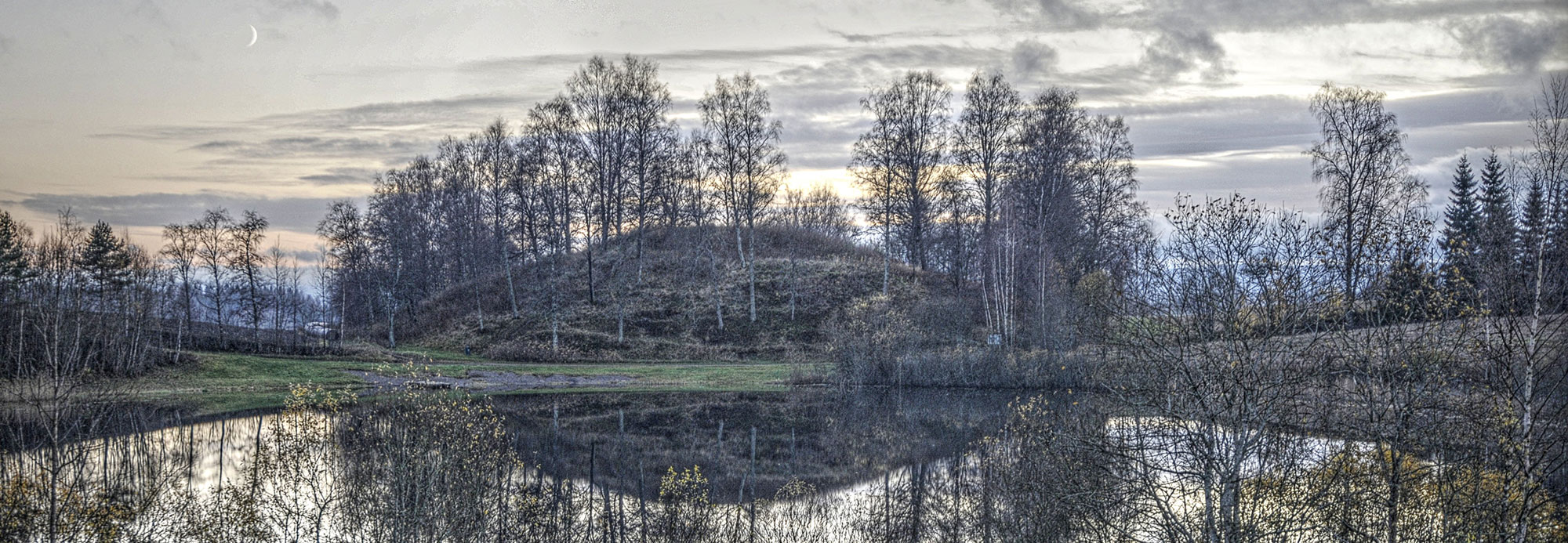
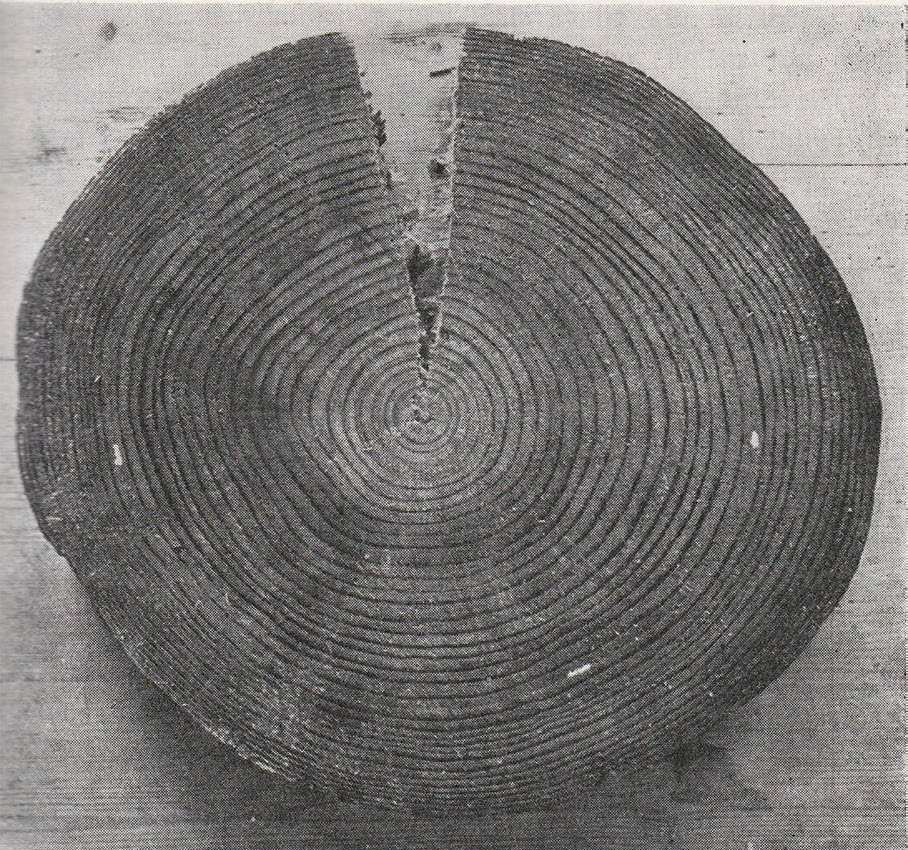
OSLO, NORWAY—A new study of southern Norway’s Raknehaugen mound conducted by Lars Gustavsen of the Norwegian Institute for Cultural Heritage Research suggests that it does not contain a burial and may have been built in response to a landslide, according to a Phys.org report. “I actually discovered the landslide scar more or less by accident,” Gustavsen said. “While investigating the visibility of the mound using LiDAR data, it suddenly appeared in one of the visualizations I was using to analyze the landscape,” he said. When the mound was excavated in 1869 and 1870, no central burial mound was found. Excavations in 1939 and 1940 found no evidence of a burial either, but archaeologist Sigurd Grieg noted that the mound had an unusual construction, including structures made of snapped timbers. Dendrochronological analysis of these timbers indicates that the mound was built around A.D. 551, or about 15 years after a volcanic eruption that led to the so-called Dust Veil Event, which caused large-scale climate disruptions in the Northern Hemisphere, including cooling, crop failures, famine, and population decline. Gustavsen thinks that the trees found in the mound had been felled by the landslide and that the mound was built in response to the disaster. “I think this study shows that by shifting the focus from mounds as primarily mortuary structures to mounds as primarily ritual structures that were sometimes also used for burials, we can get closer to understanding what lies behind the mound phenomenon in general,” he concluded. Read the original scholarly article about this research in the European Journal of Archaeology. To read about Viking ship burials in Norway, go to "Setting Sail for Valhalla."