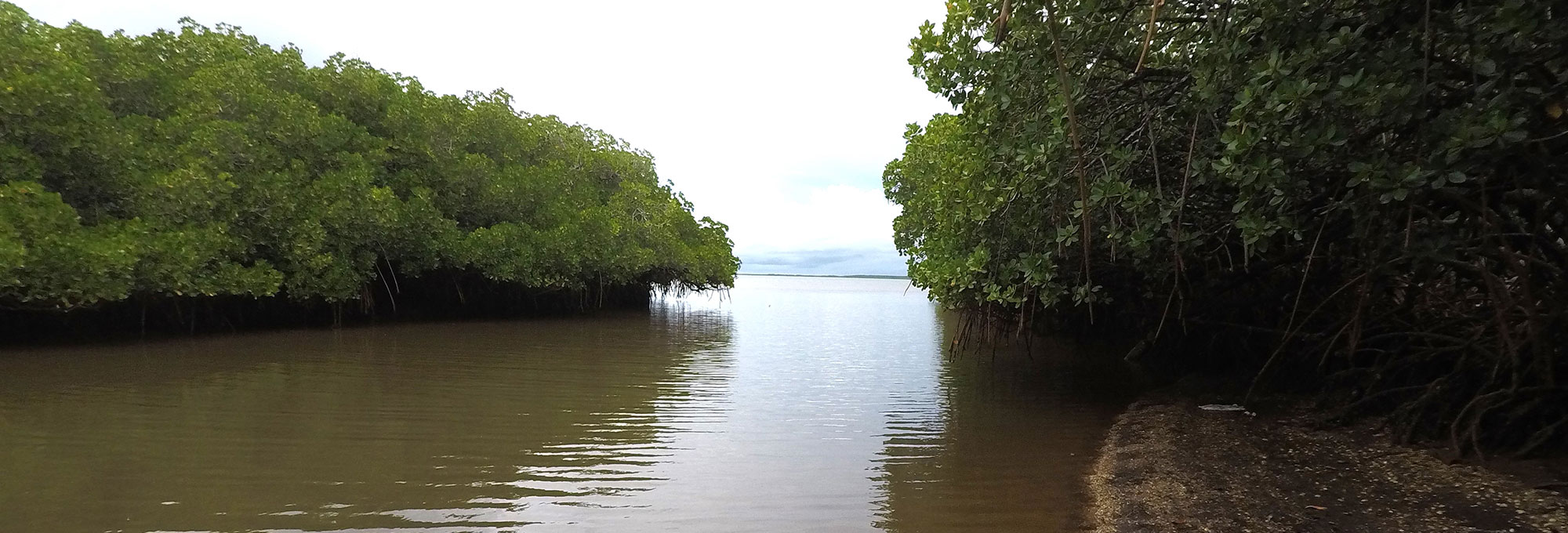
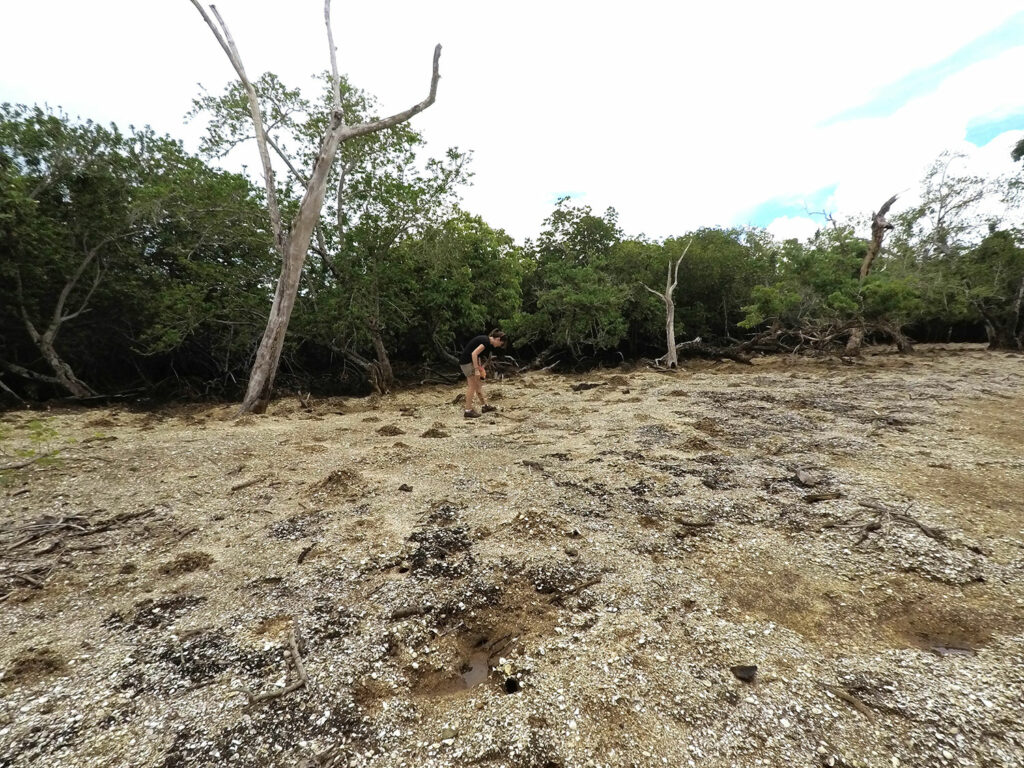
QUEENSLAND, AUSTRALIA—According to a Phys.org report, a study of a small island in the Fiji archipelago led by Patrick D. Nunn of the University of the Sunshine Coast determined that it consists of shellfish remains and fragments of pottery. Nunn and his team members examined four test pits and 20 narrow core samples taken from different areas of the shell island, which covers less than an acre. Radiocarbon dating of clam shells in the samples indicates that they are about 1,200 years old. Early settlers of the Fiji Islands, who arrived around A.D. 760, are thought to have formed the shell-dense island as they processed edible shellfish in a specialized place. No stone tools or animal bones have been found. However, the researchers note that all of the shells belong to edible species of shellfish, which would be unlikely if the mound had been formed by a natural event such as a tsunami. The scientists plan to look for settlement sites on the nearby island of Culasawani that could be linked to the shell island. Read the original scholarly article about this research in Geoarchaeology. To read about foraging for shellfish in the ancient Caribbean, go to "Putting Dinner on the Table."