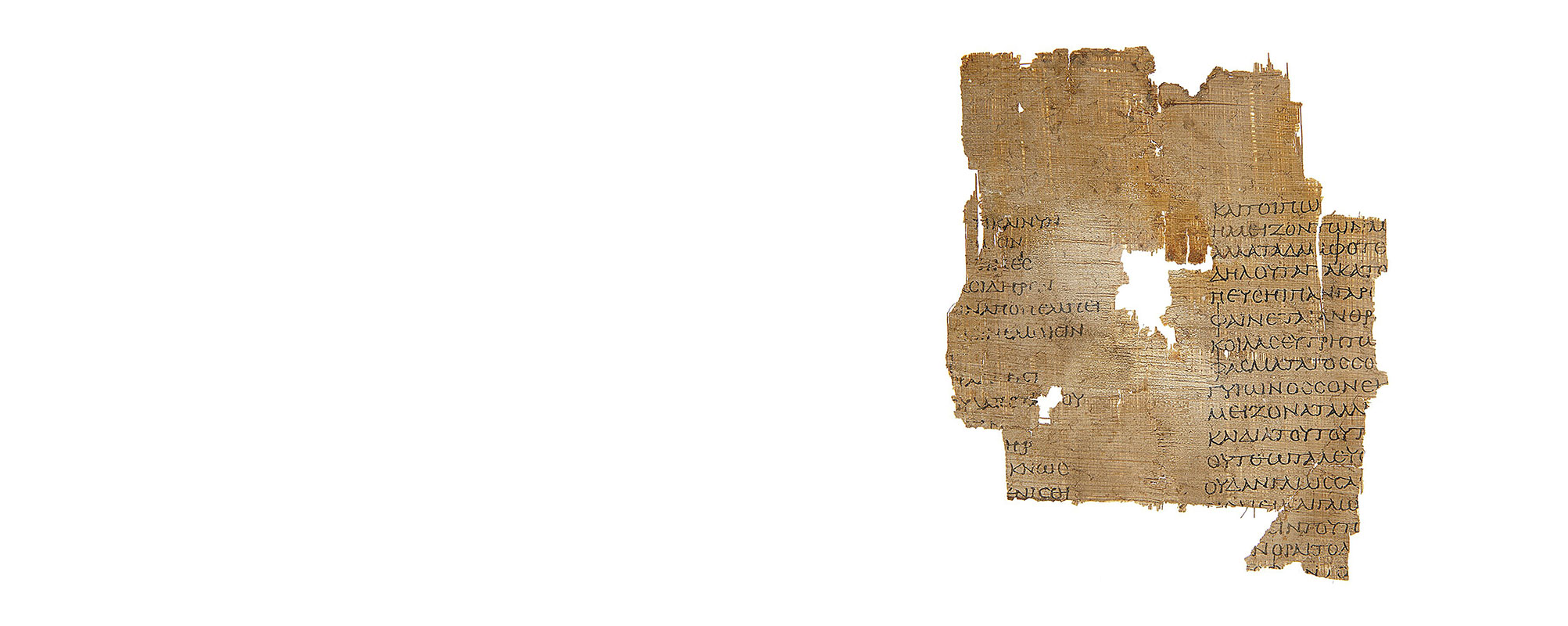
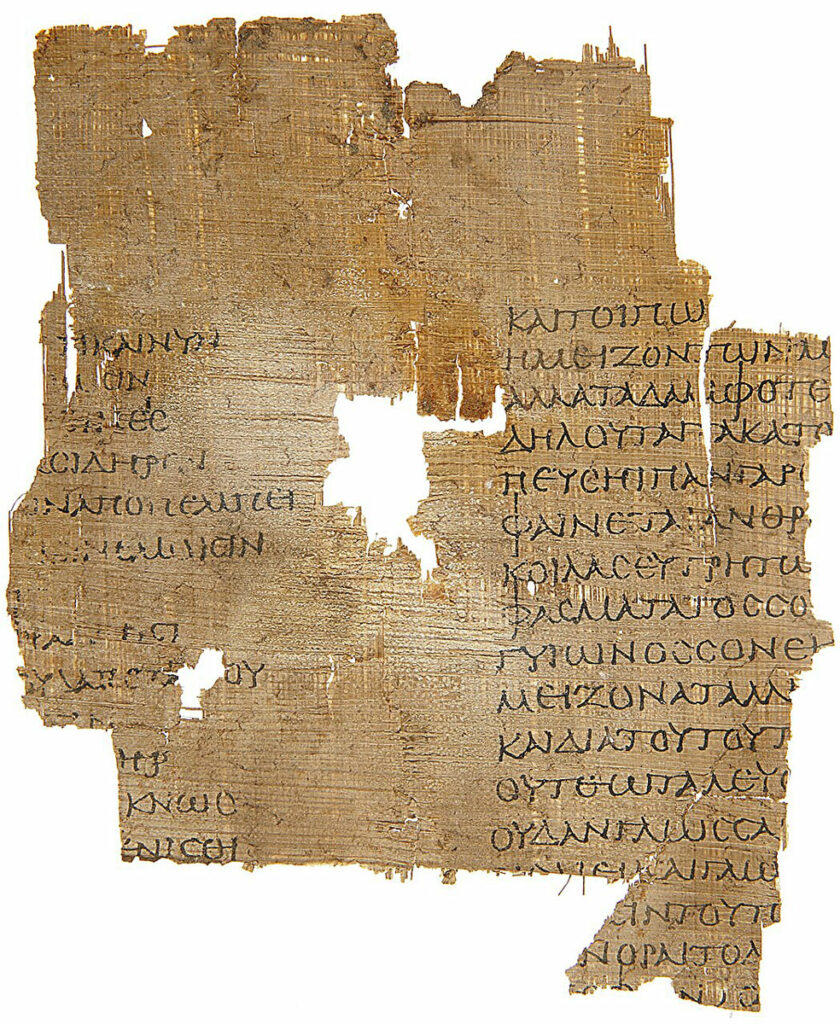
LIÈGE, BELGIUM—According to a statement released by the University of Liège, a 2,000-year-old fragment of papyrus recovered from the archives of the French Institute of Oriental Archaeology in Cairo preserves 30 previously unknown verses written by Empedocles of Agrigentum, a Greek philosopher who lived in the fifth century B.C. The work of Empedocles had been known only through quotes recorded by later authors, such as Plato, Aristotle, and Plutarch. Papyrologist Nathan Carlig of the University of Liège realized that the papyrus fragment, labeled P. Fouad inv. 218, was an unknown fragment of Physica, a poem written by Empedocles. These verses concern the philosopher’s thoughts on particle effluvia and sensory perceptions, particularly vision. Carlig and his colleagues suggest that the newly discovered material could reposition Empedocles in the history of philosophy as a precursor to the ancient Greek atomists, who proposed that the universe is made up of fundamental components that are indestructible, unchangeable, and too small to be seen. To read about the discovery of previously unknown verses from two plays by the tragedian Euripides, go to "Lost Greek Tragedies Revived."