

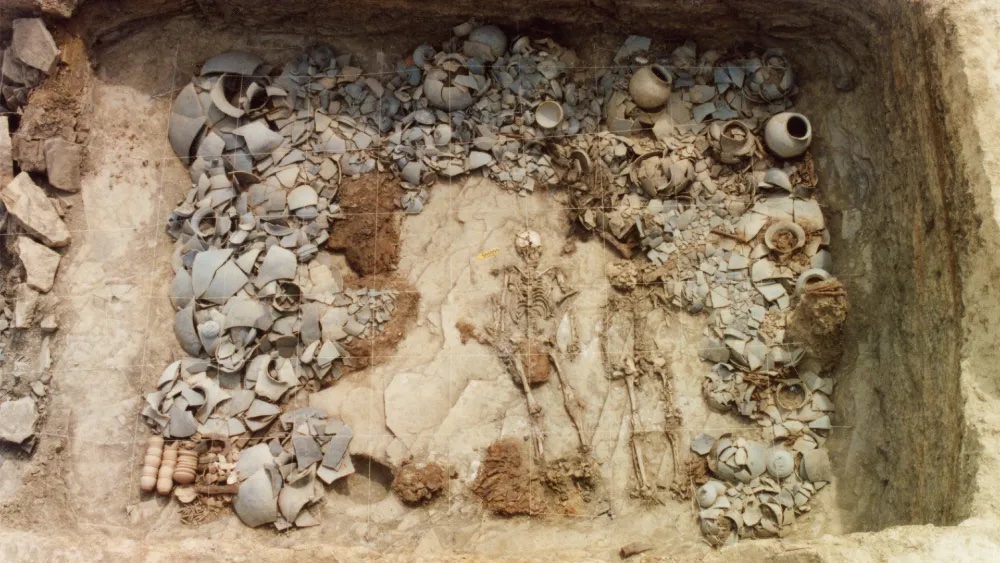
NORTH GYEONGSANG PROVINCE, SOUTH KOREA—According to a report in The Korea Herald, Jeong Choong-won of Seoul National University and an international team of researchers conducted a genetic study of 78 individuals buried in 44 tombs in South Korea’s Imdang-Joyeong burial complex, which was in use during the Three Kingdoms period between the fourth and sixth centuries A.D. The scientists detected evidence of close-kin marriages and family-based sacrificial burials among the occupants of the burials. Most of the tombs in the complex consist of a main burial chamber and a secondary chamber. In at least 20 of the main chambers, the researchers found evidence of sunjang, the practice of interring sacrificed individuals with an elite deceased person. At least three of these tombs contained the remains of closely related, local individuals who had been sacrificed, including one tomb that contained the remains of both parents and their child. “Genetic relatedness among sacrificial individuals over generations may suggest the presence of families that served as sacrificial individuals for the grave owner class for consecutive generations,” the researchers explained. Close-kin marriage, within six degrees of kingship, was identified in both the grave owners and the sacrificed individuals. The practice of sunjang was eventually abolished in A.D. 502 during the reign of King Jijeung of the Silla Kingdom. Read the original scholarly article about this research in Science Advances. To read about fifth-century a.d. gilt-bronze shoes found in a Korean tomb, go to "Fancy Footwear."
DNA Study Reveals Relationships in South Korean Three Kingdoms–Era Graves
News April 10, 2026
Recommended Articles
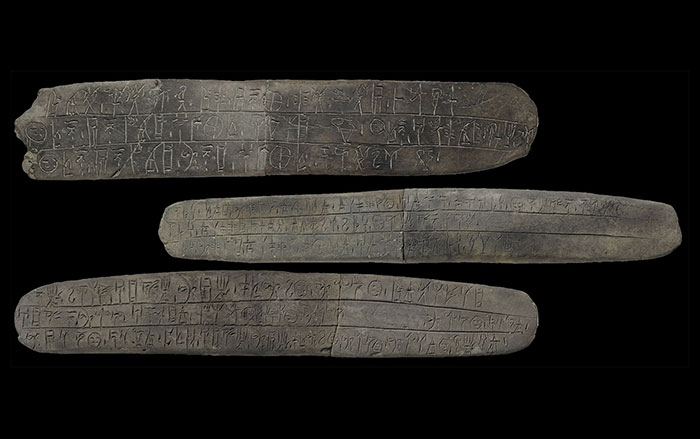
The Unexpected World of the Odyssey May/June 2026
A Supreme Spectacle
Digs & Discoveries March/April 2024
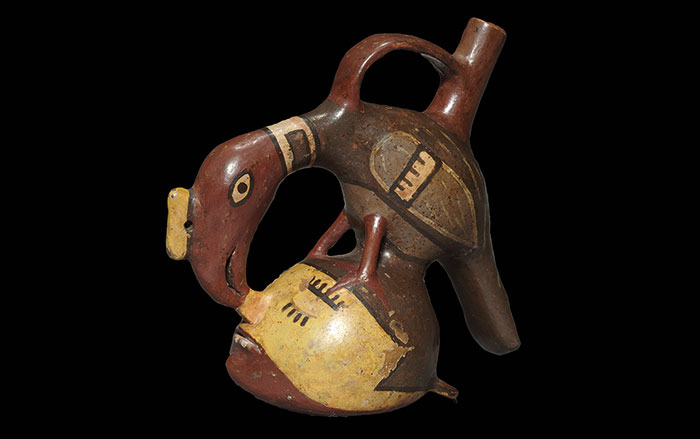
Six Centuries of the Condor
Features May/June 2023
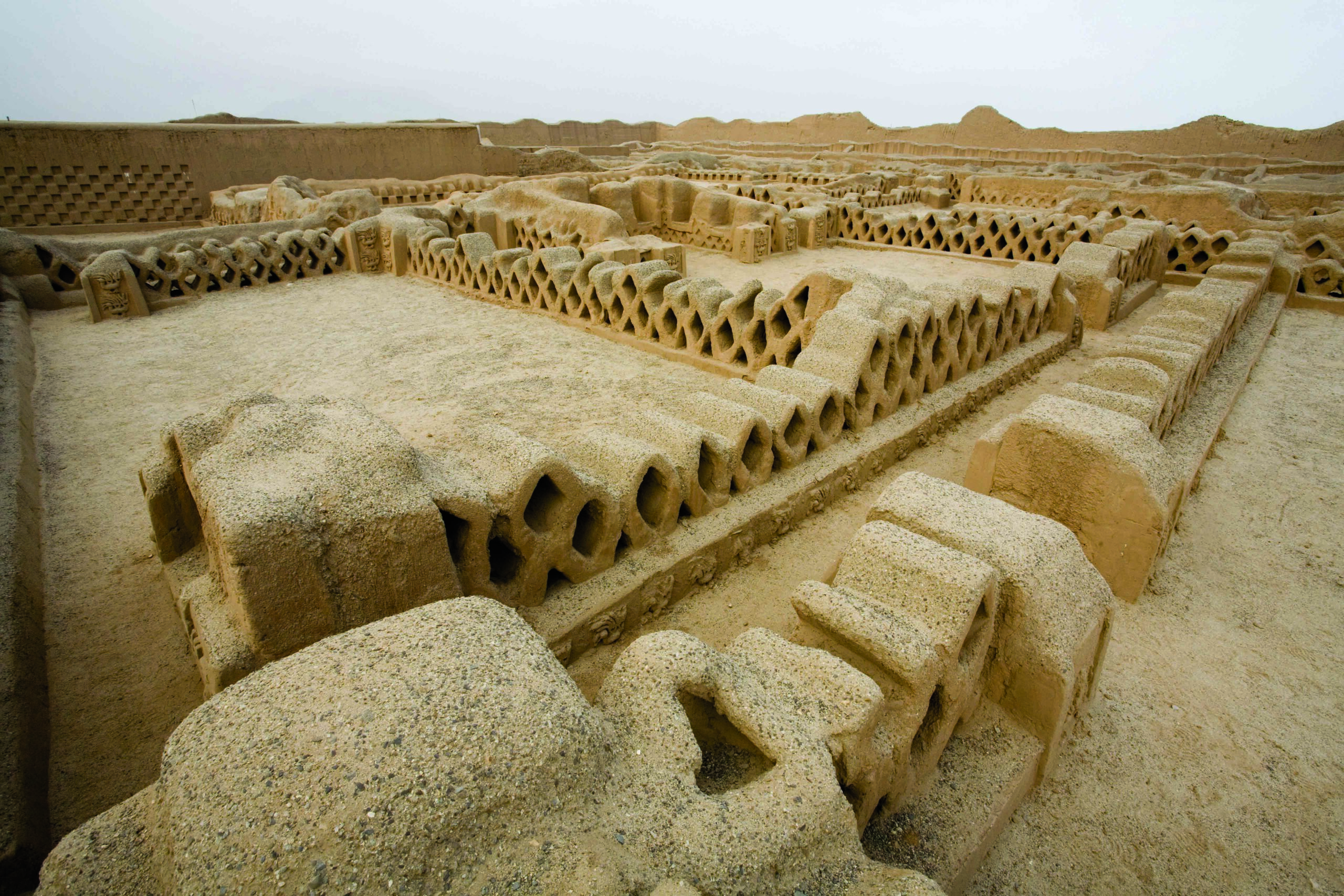
Peru's Great Urban Experiment
A millennium ago, the Chimú built a new way of life in the vast city of Chan Chan
Top 10 Discoveries of the Decade January/February 2021
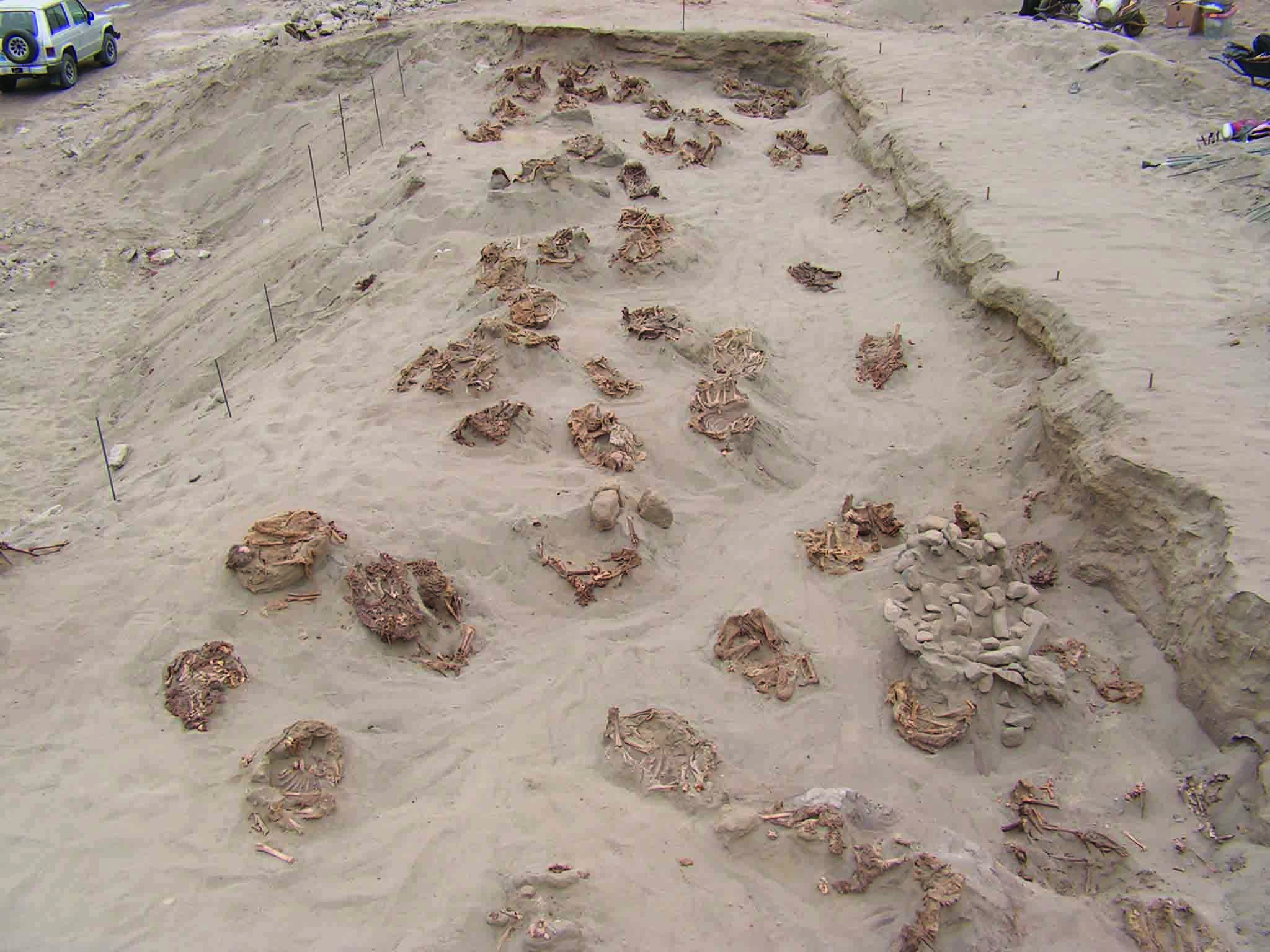
Child and Llama Sacrifice
Huanchaquito–Las Llamas, Peru, 2012
More to Discover
Features March/April 2026
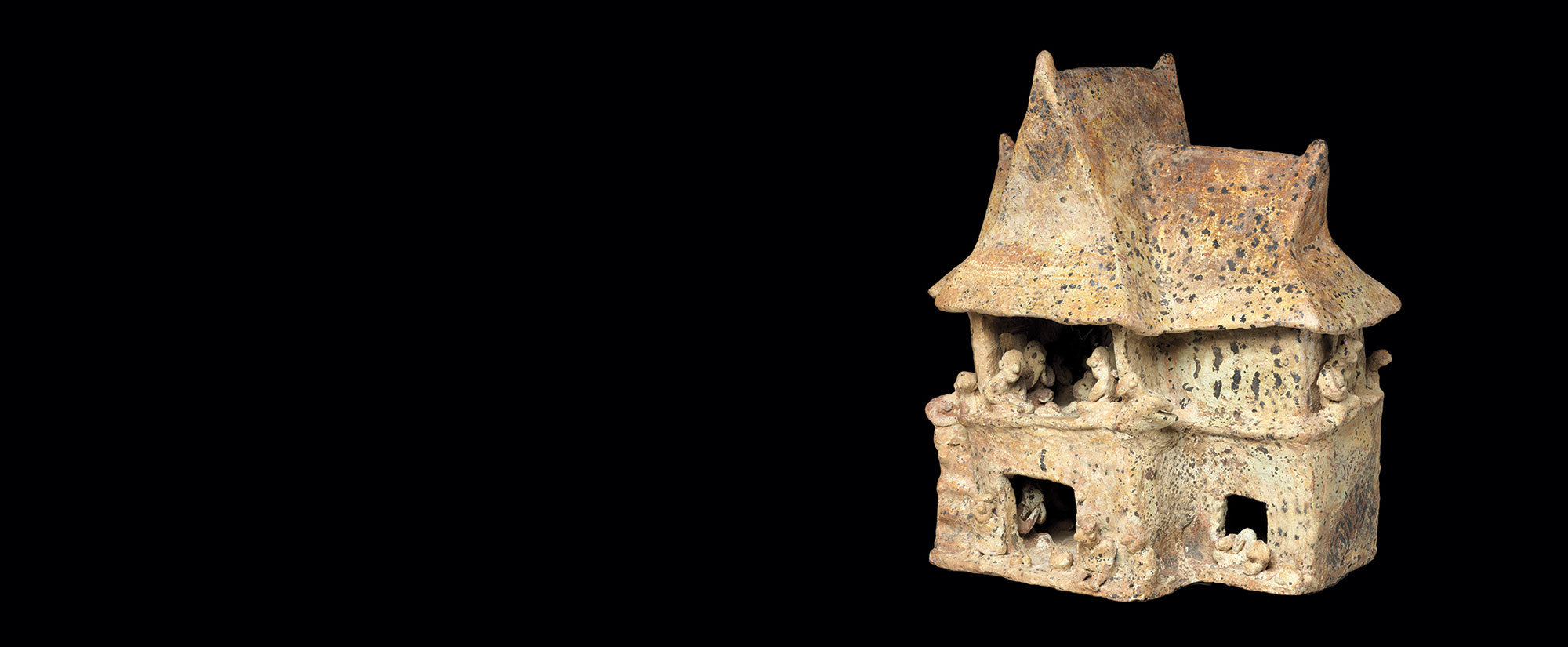
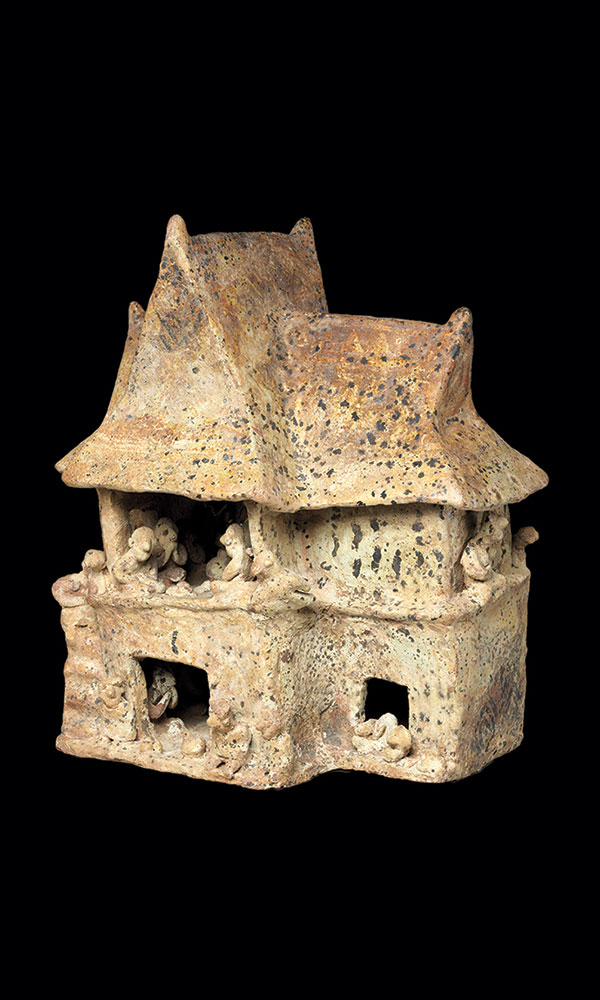
Model Homes
A look inside miniature worlds created for the living, the dead, and the divine
-
Features March/April 2026
Pompeii's House of Dionysian Delights
Vivid frescoes in an opulent dining room celebrate the wild rites of the wine god
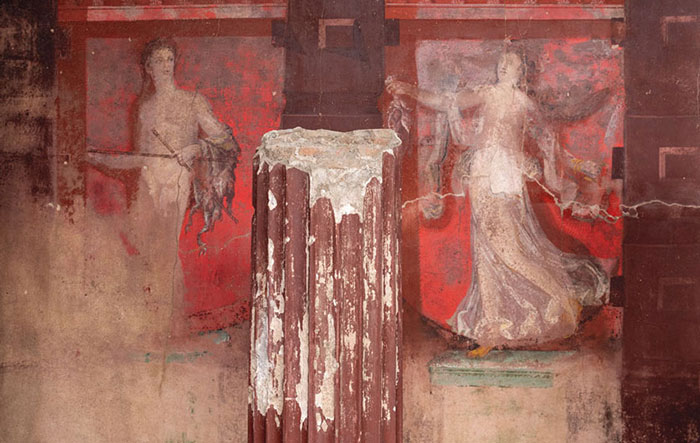 Courtesy Archaeological Park of Pompeii
 -
Features March/April 2026
Return to Serpent Mountain
Discovering the true origins of an enigmatic mile-long pattern in Peru’s coastal desert
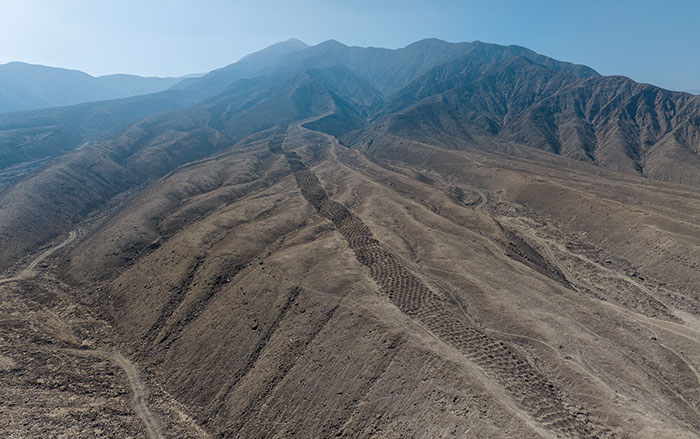 Courtesy J.L. Bongers
 -
Features March/April 2026
Himalayan High Art
In a remote region of India, archaeologists trace 4,000 years of history through a vast collection of petroglyphs
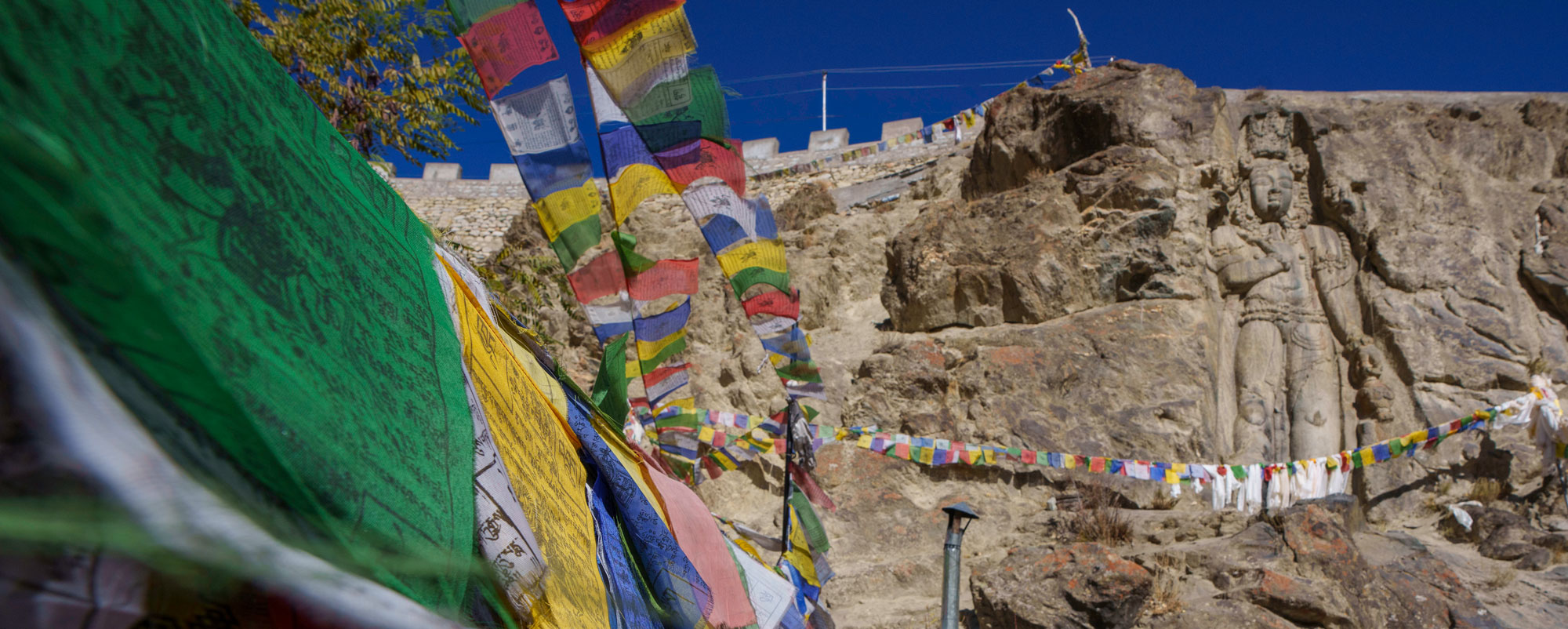 Matt Stirn
 -
Features March/April 2026
What Happened in Goyet Cave?
New analysis of Neanderthal remains reveals surprisingly grim secrets
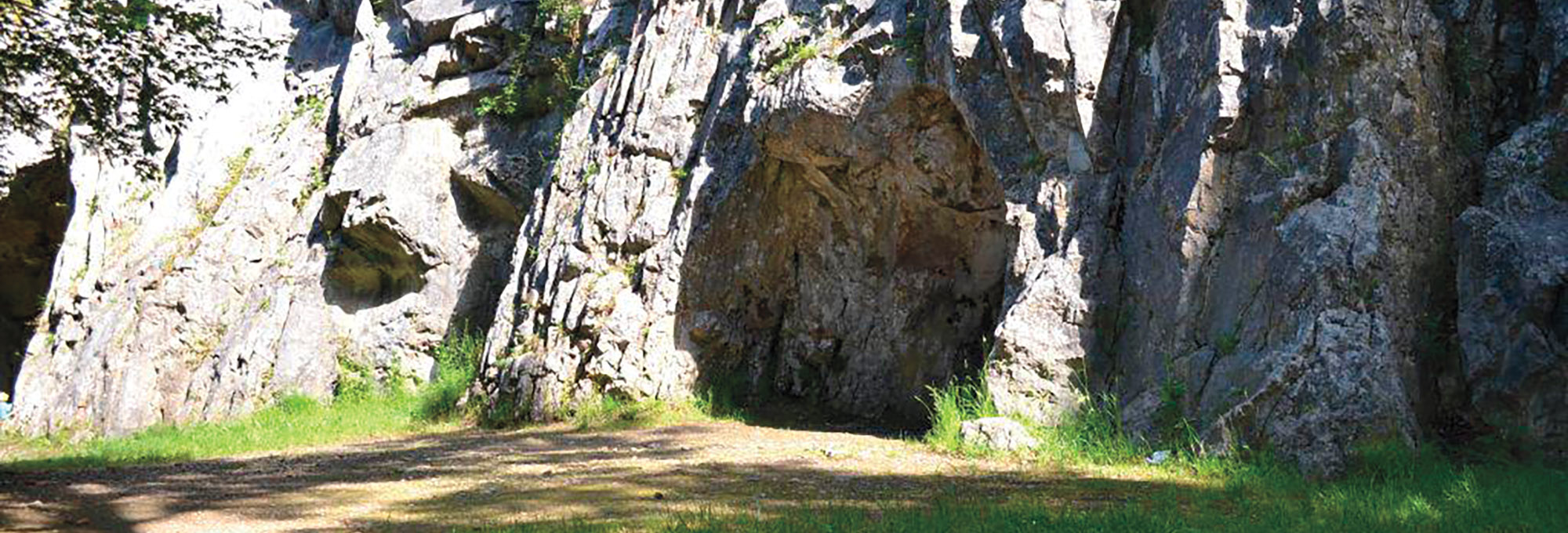 IRSNB/RBINSL