

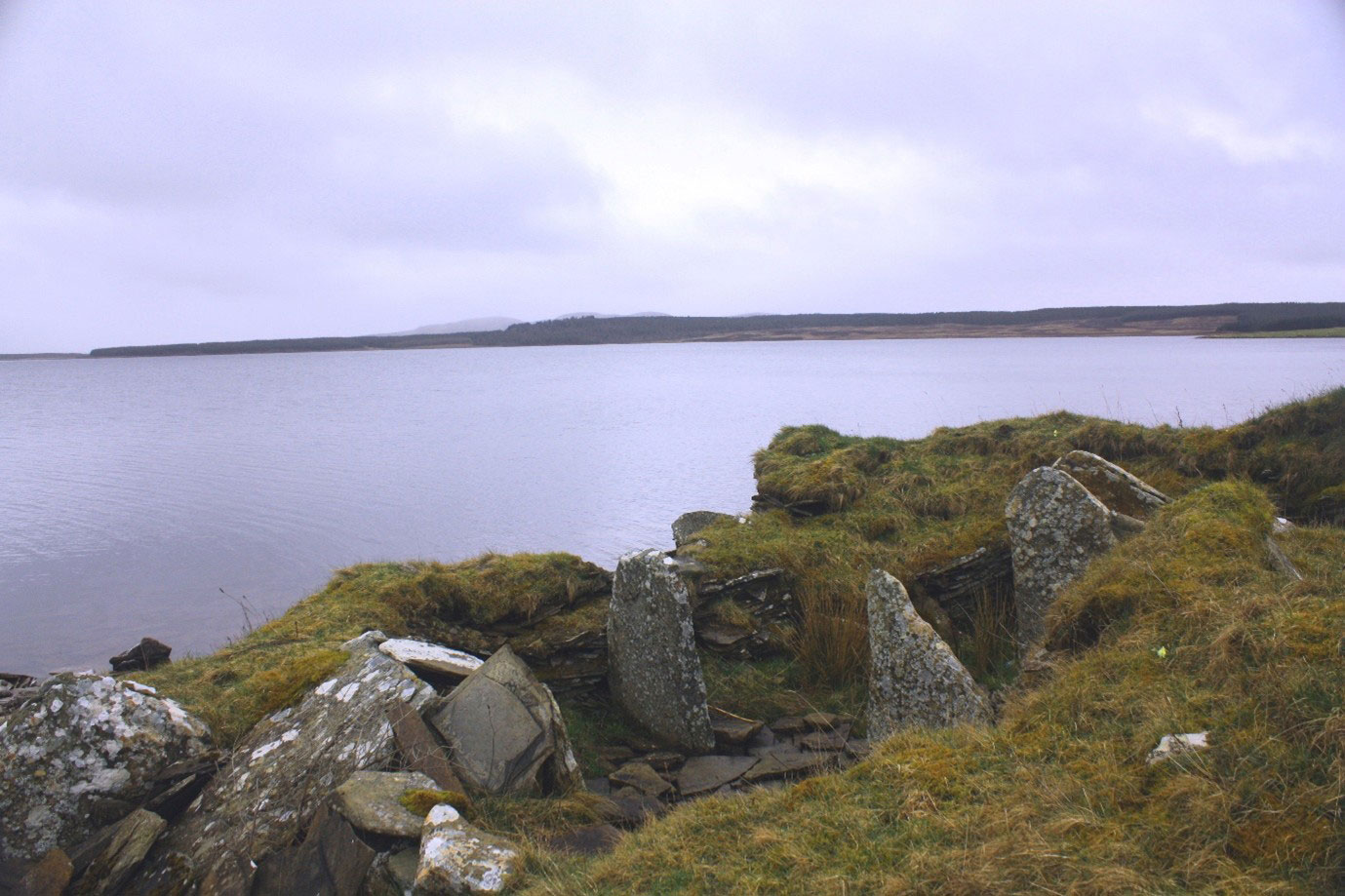
CARDIFF, WALES—An international team of researchers has conducted a genetic study of human remains recovered from early Neolithic tombs in northern Scotland and confirmed that the families buried there were organized through the male line, according to a Live Science report. The DNA samples were taken from 22 individuals interred in five different tombs in the county of Caithness and the Orkney Islands between 3800 and 3200 B.C. Two of the tombs held the remains of fathers and sons. One of the tombs contained the remains of brothers. Two other tombs held the bones of half brothers or paternal uncles and nephews. A father, son, and grandson were also identified in one of the tombs. Meanwhile, the closest relationship detected among the women’s remains in the tombs was first cousins once removed. “It is incredible to think that, over 5,000 years after these people were deposited in these tombs, we were able to reconstruct how they were related to each other through the analysis of ancient DNA,” said team leader Vicki Cummings of Cardiff University. Read the original scholarly article about this research in Antiquity. To read about grand funerary monuments that farmers built in Europe some 7,000 years ago, go to "Letter from France: Neolithic Cultural Revolution."
Tombs Yield Clues to Neolithic Family Structure
News April 15, 2026
Recommended Articles
Off the Grid July/August 2022
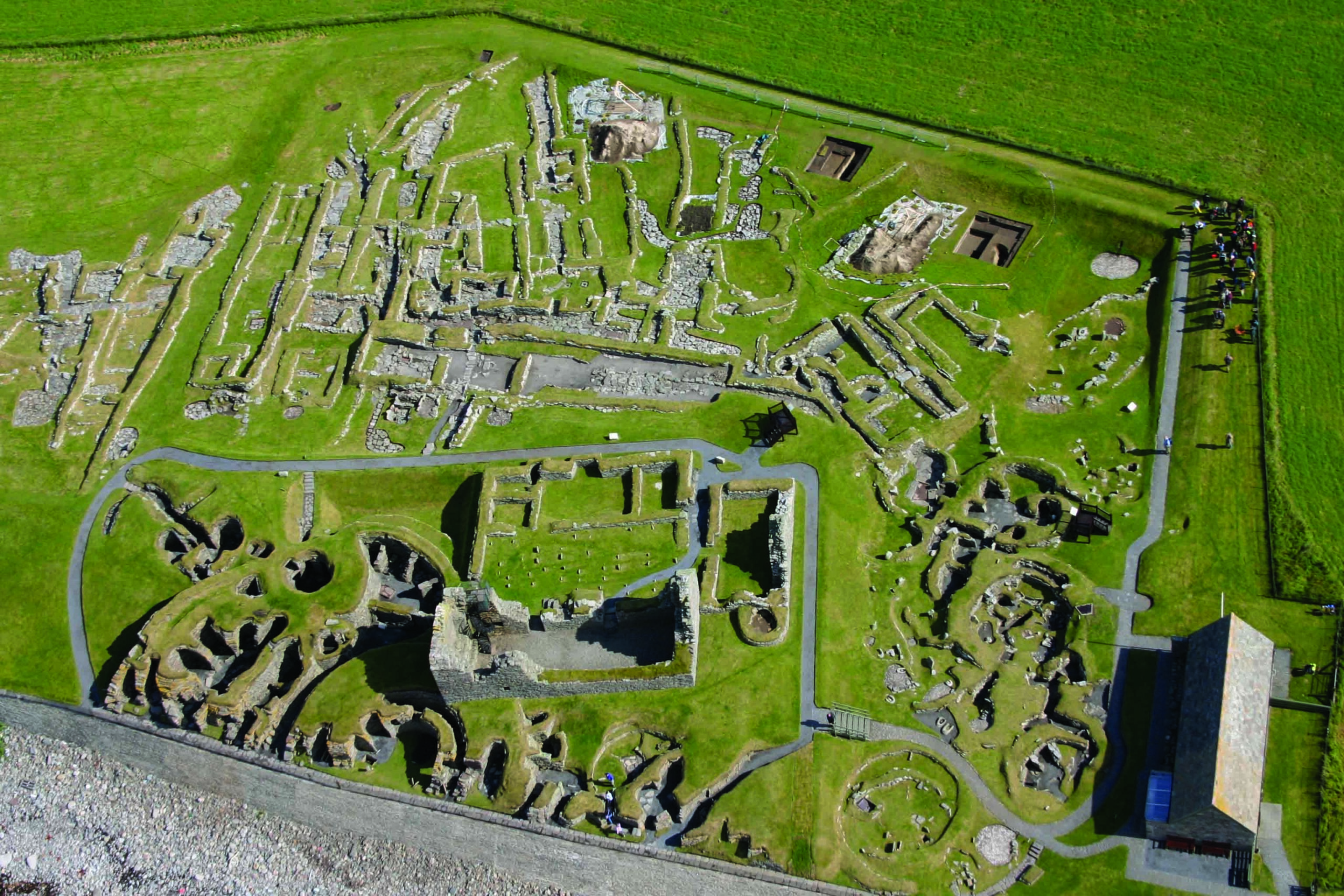
Jarlshof, Shetland, Scotland
Digs & Discoveries November/December 2019
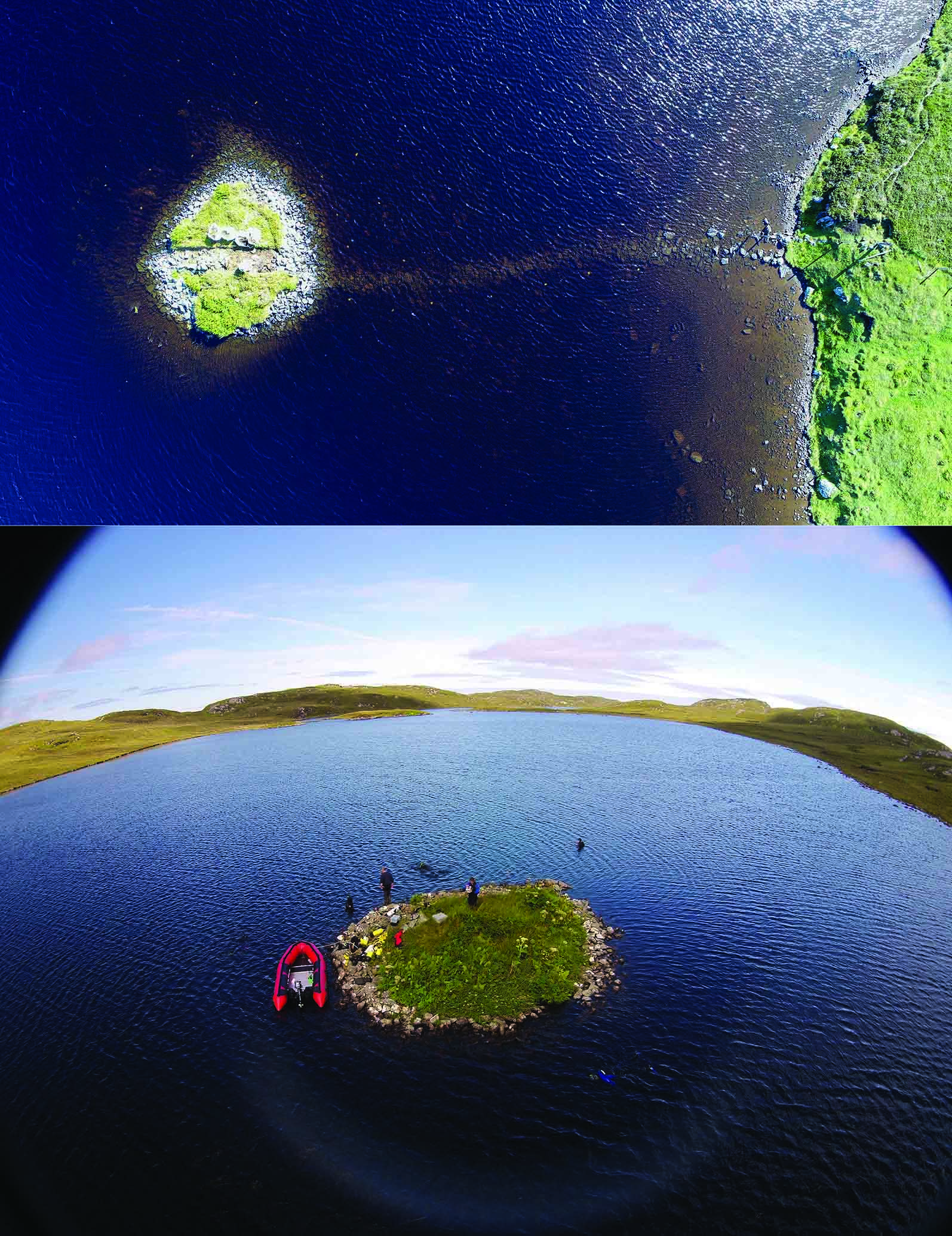
Worlds Apart
Digs & Discoveries September/October 2018
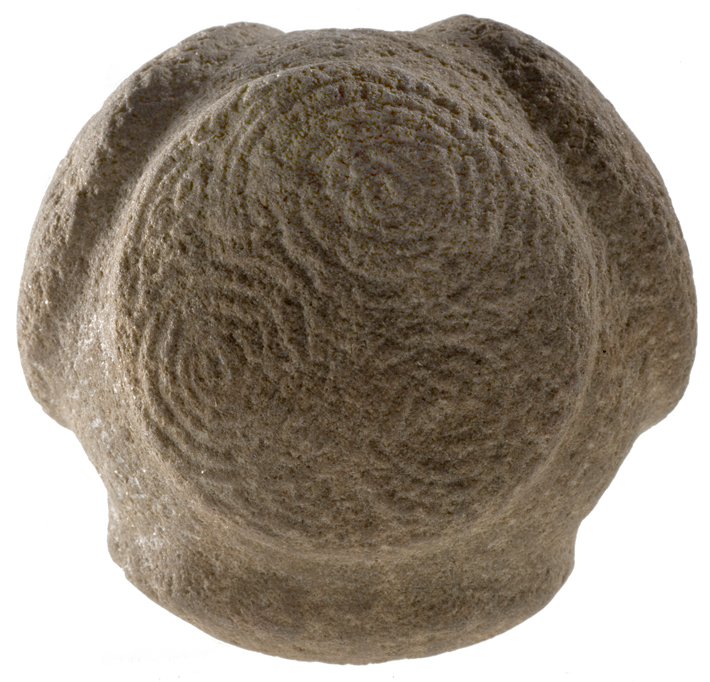
Spheres of Influence
Features January/February 2013
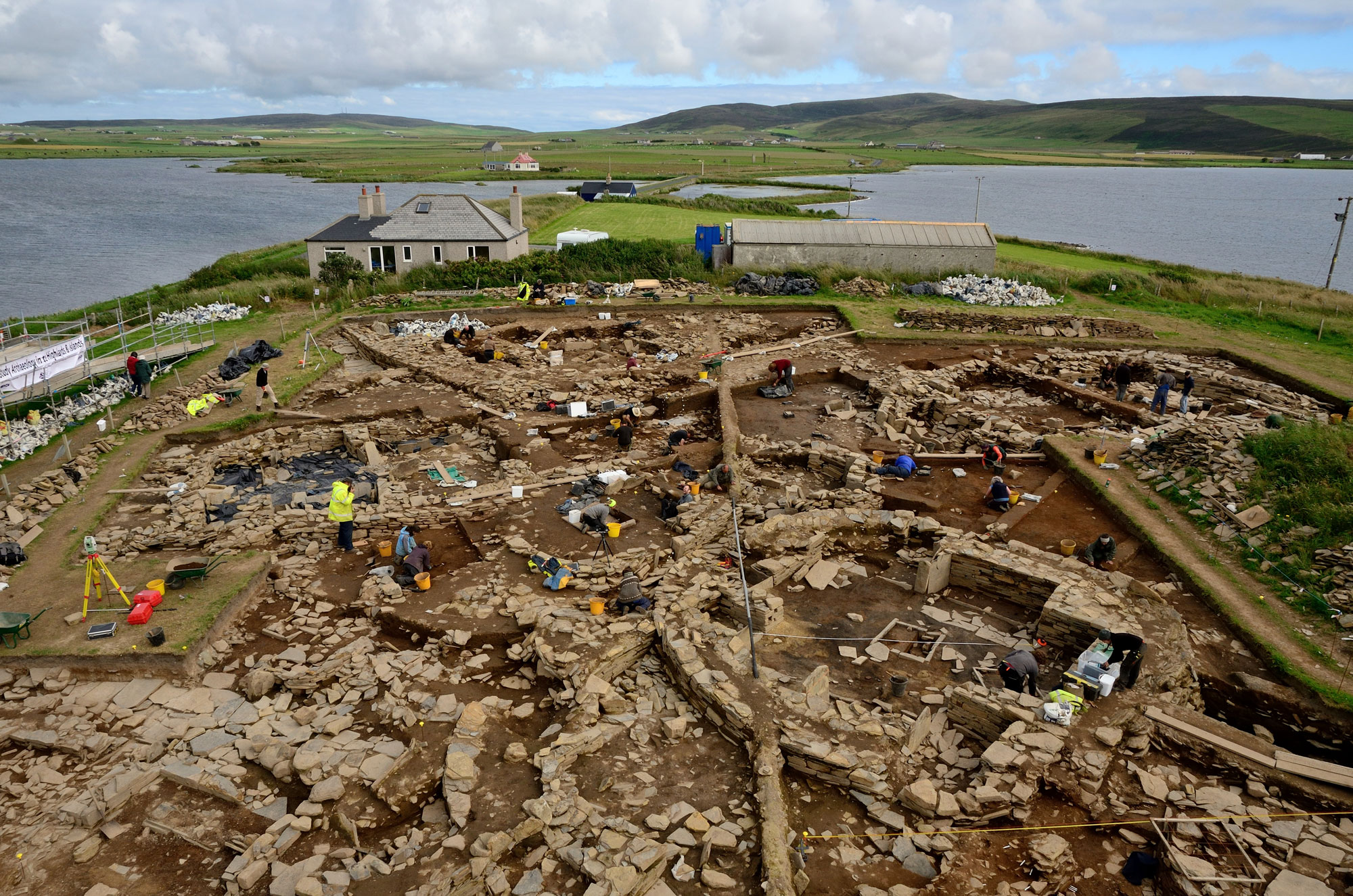
Neolithic Europe's Remote Heart
One thousand years of spirituality, innovation, and social development emerge from a ceremonial center on the Scottish archipelago of Orkney
More to Discover
Features March/April 2026
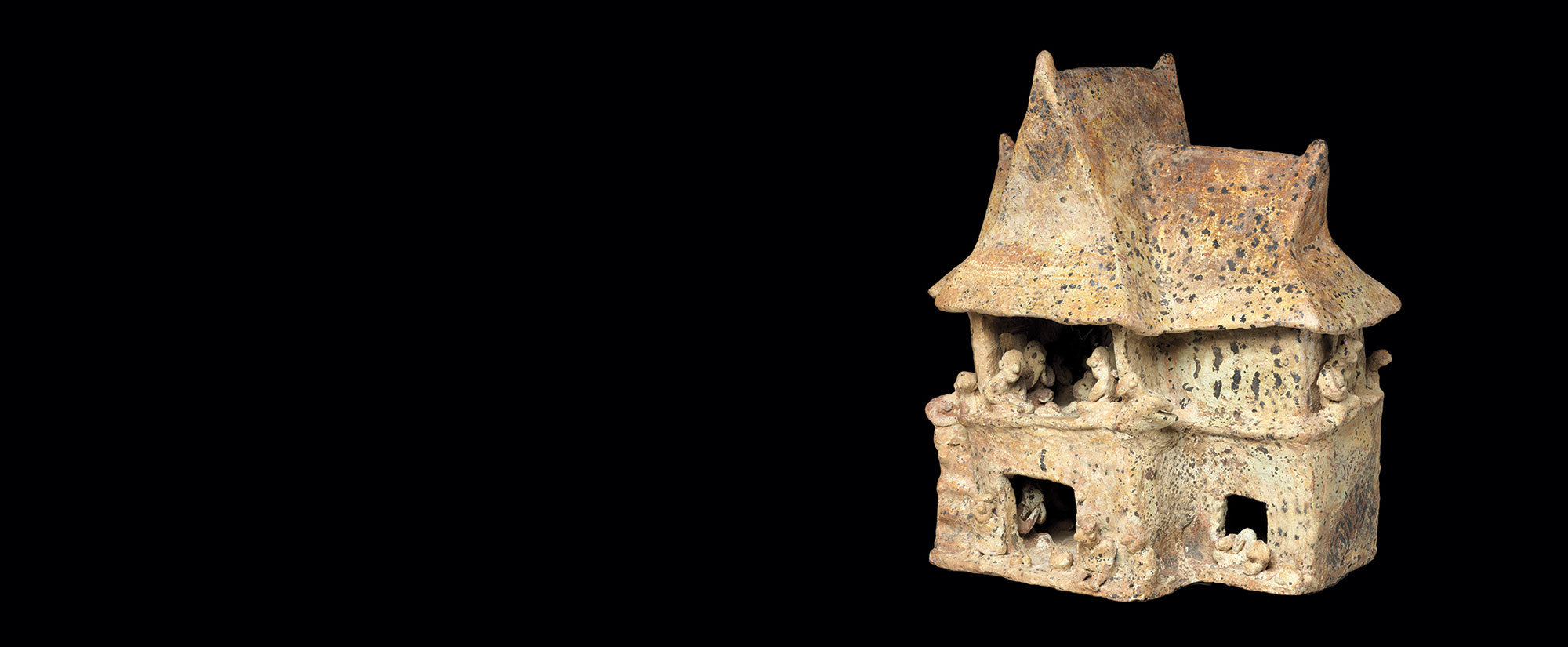
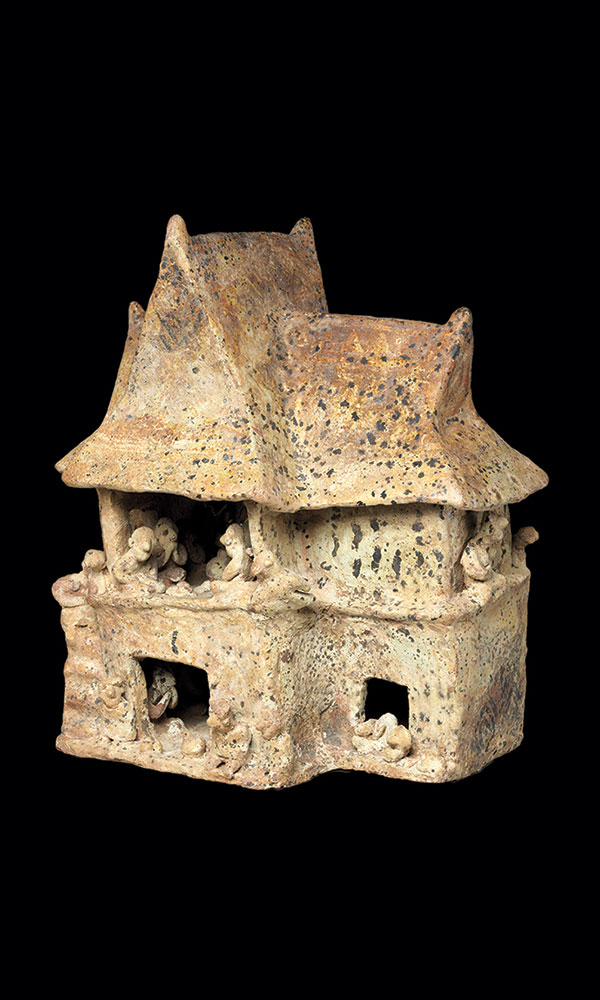
Model Homes
A look inside miniature worlds created for the living, the dead, and the divine
-
Features March/April 2026
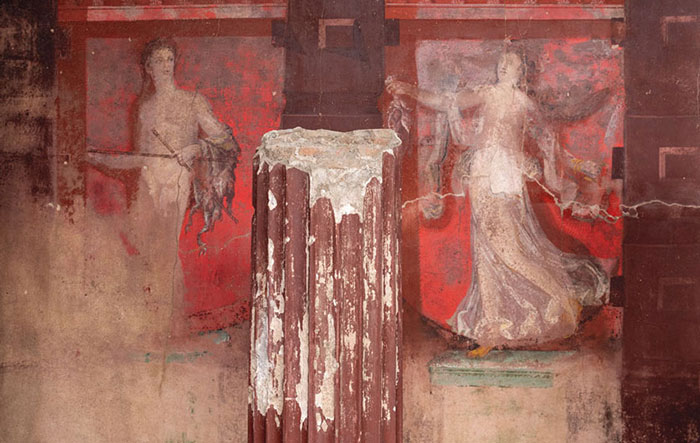
Pompeii's House of Dionysian Delights
Vivid frescoes in an opulent dining room celebrate the wild rites of the wine god
 Courtesy Archaeological Park of Pompeii
 -
Features March/April 2026
Return to Serpent Mountain
Discovering the true origins of an enigmatic mile-long pattern in Peru’s coastal desert
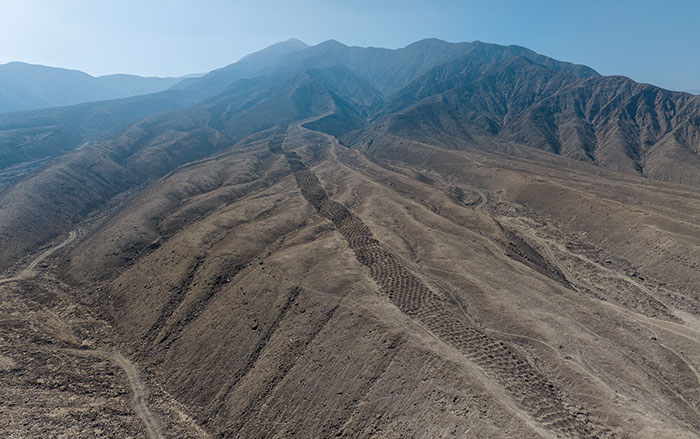 Courtesy J.L. Bongers
 -
Features March/April 2026
Himalayan High Art
In a remote region of India, archaeologists trace 4,000 years of history through a vast collection of petroglyphs
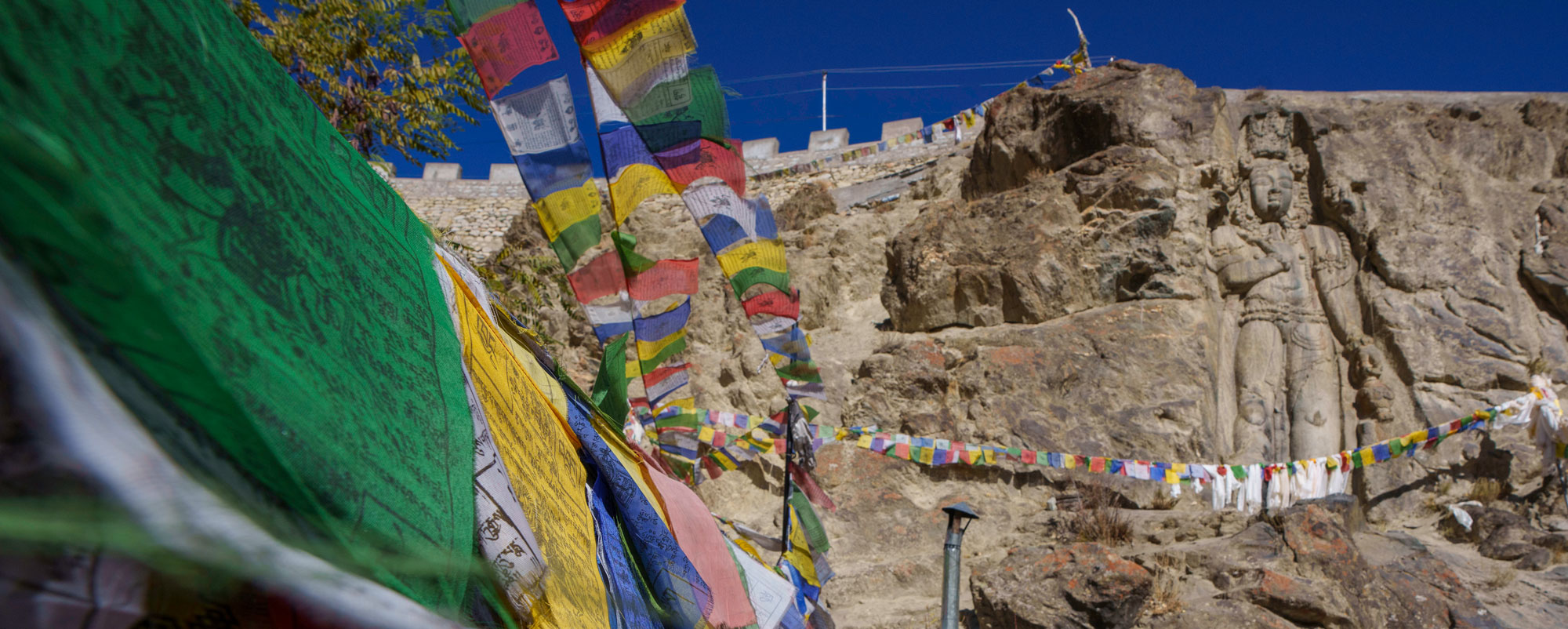 Matt Stirn
 -
Features March/April 2026
What Happened in Goyet Cave?
New analysis of Neanderthal remains reveals surprisingly grim secrets
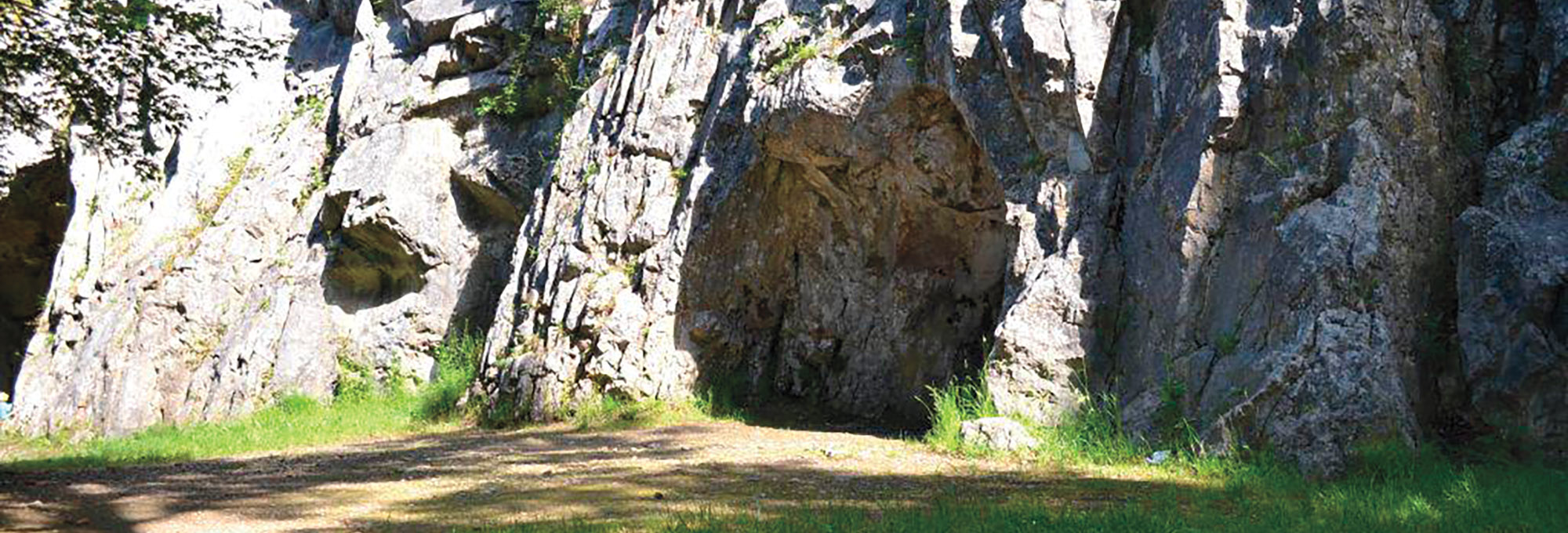 IRSNB/RBINSL