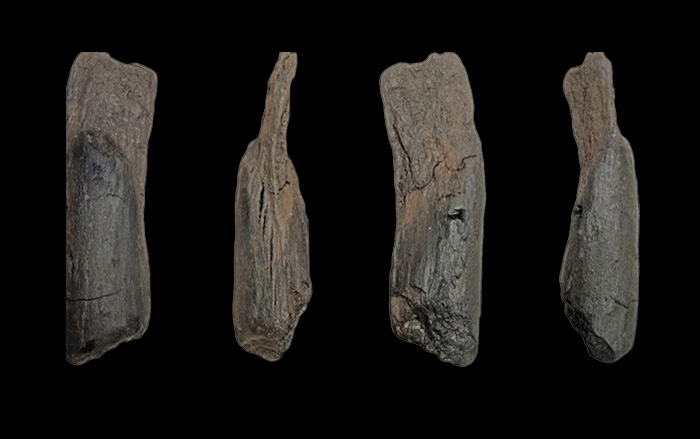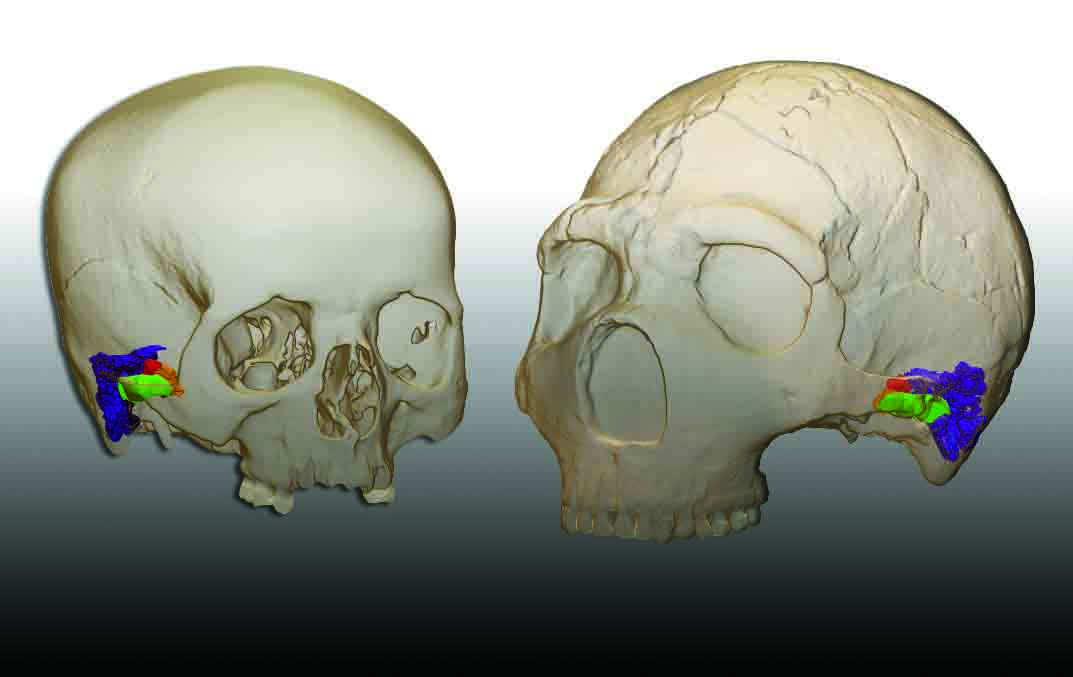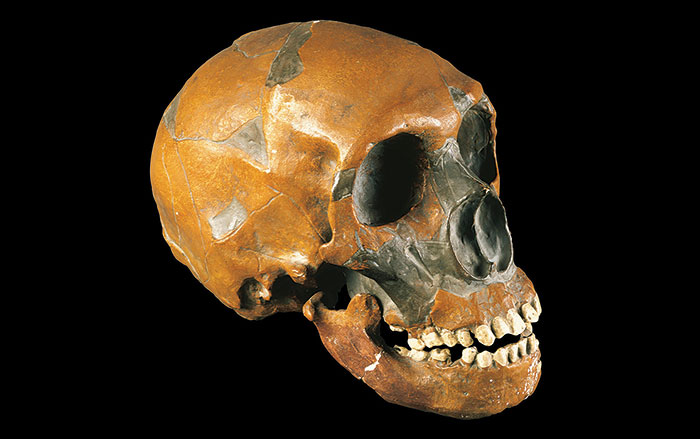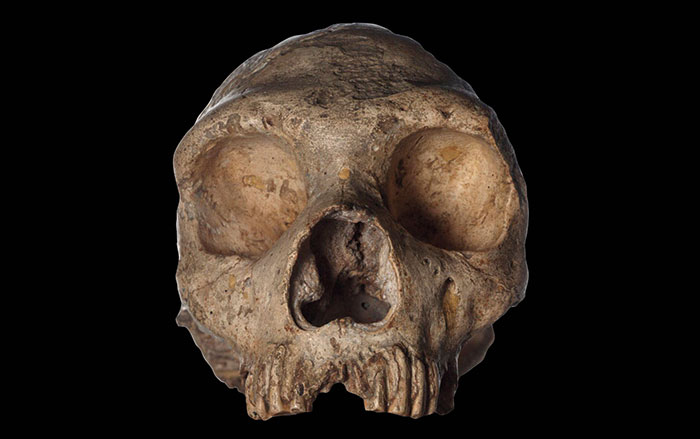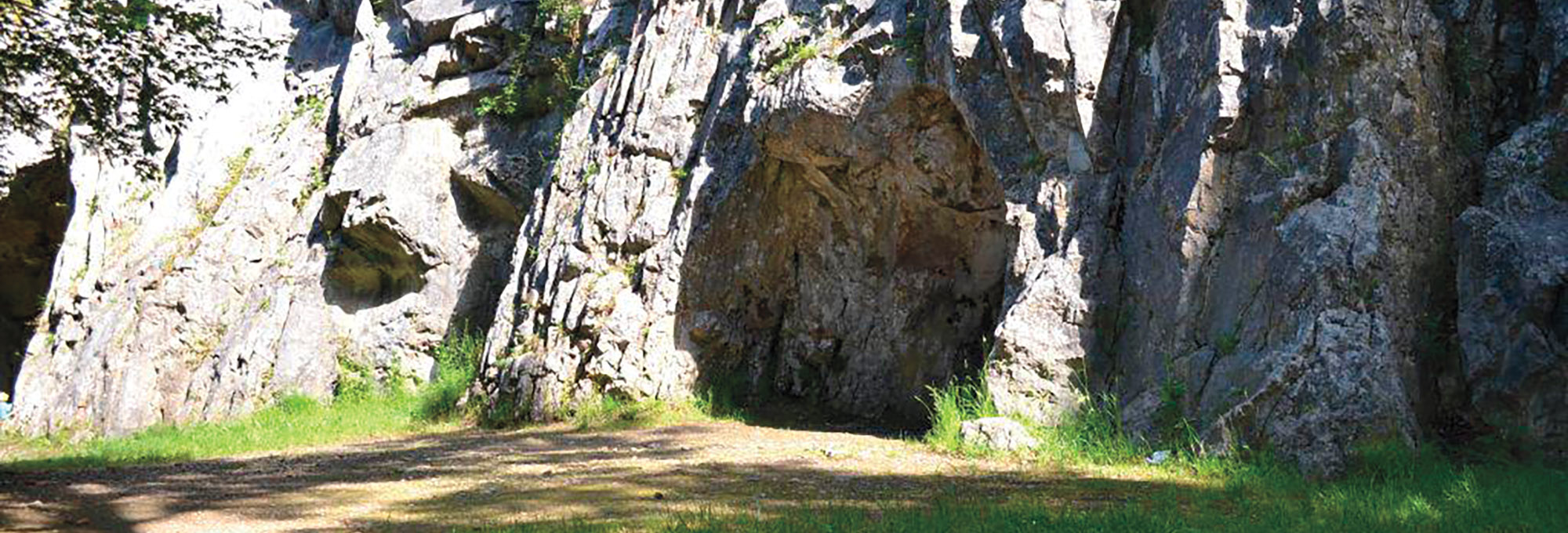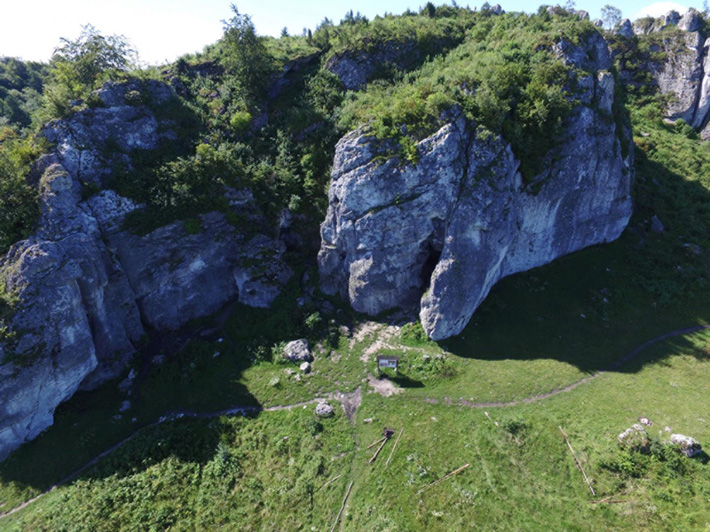
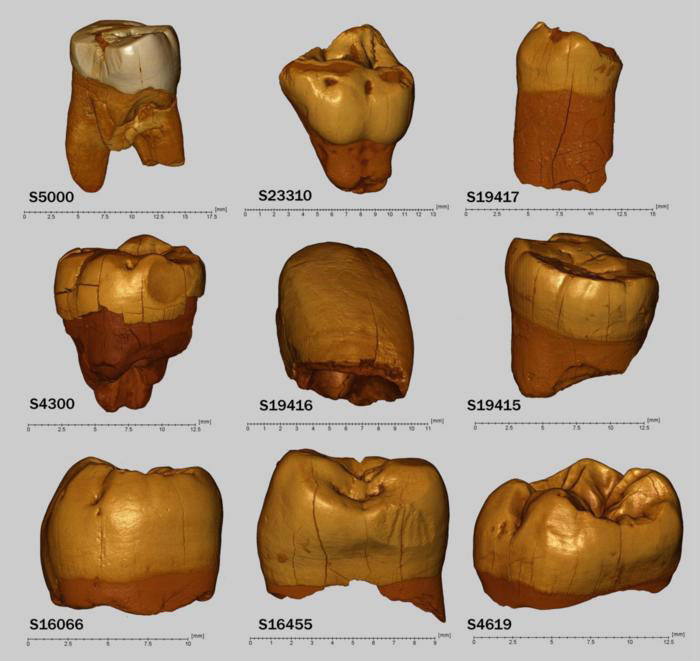
BOLOGNA, ITALY—According to a statement released by the University of Bologna, a team of researchers led by Andrea Picin of the University of Bologna extracted mitochondrial DNA from eight Neanderthal teeth recovered from Poland’s Stajnia Cave. Mitochondrial DNA is passed solely along the maternal line. “This is an extraordinary result because, for the first time, we are able to observe a small group of at least seven Neanderthals from Central-Eastern Europe who lived around 100,000 years ago,” Picin said. This branch of mitochondrial DNA has also been found in Neanderthals living in the Iberian Peninsula, southeastern France, and the northern Caucasus. Two juvenile teeth and a tooth from one adult are thought to have belonged to individuals who were closely related to one another, added Meteja Hajdinjak of the Max Planck Institute for Evolutionary Anthropology. The lineage of Neanderthals is now thought to have been widespread across Europe before it was later replaced by another group. Read the original scholarly article about this research in Current Biology. To read about analysis of a 46,000-year-old Neanderthal tooth from Stajnia Cave, go to "Around the World: Poland."