

LUXOR, EGYPT—Authorities from Egypt’s Luxor Museum revealed a never-before-seen plaster wall from King Tutankhamun’s tomb, The Independent reports. The wall was originally constructed just before the burial chamber was sealed to protect the young pharaoh’s grave from intruders. It still bears stamps associated with the funerary rituals and seals belonging to Tutankhamun as well as those of the necropolis guards charged with keeping the tombs safe and protecting them from theft. Similar blocking walls are almost never found intact by archaeologists because so many royal Egyptian tombs were looted in antiquity and they were dismantled by robbers. However, when Howard Carter’s team discovered the grave in 1922 it was largely undisturbed. “Therefore, it is a one-of-a-kind artifact — the only one currently on display more than 100 years after the discovery of Tutankhamun's Tomb,” said Abdelghaffar Wagdy, director-general of Luxor Antiquities. “It is the only surviving artifact of Tutankhamun that the world had never seen before.” For more, go to "Inside Tut's Tomb."
Plaster Wall from Tut's Tomb Revealed
News May 18, 2026
Recommended Articles
Digs & Discoveries September/October 2025
Crypto Power
Digs & Discoveries July/August 2021
Lost Egyptian City
Digs & Discoveries March/April 2019
Reburial in Luxor
More to Discover
Features May/June 2026
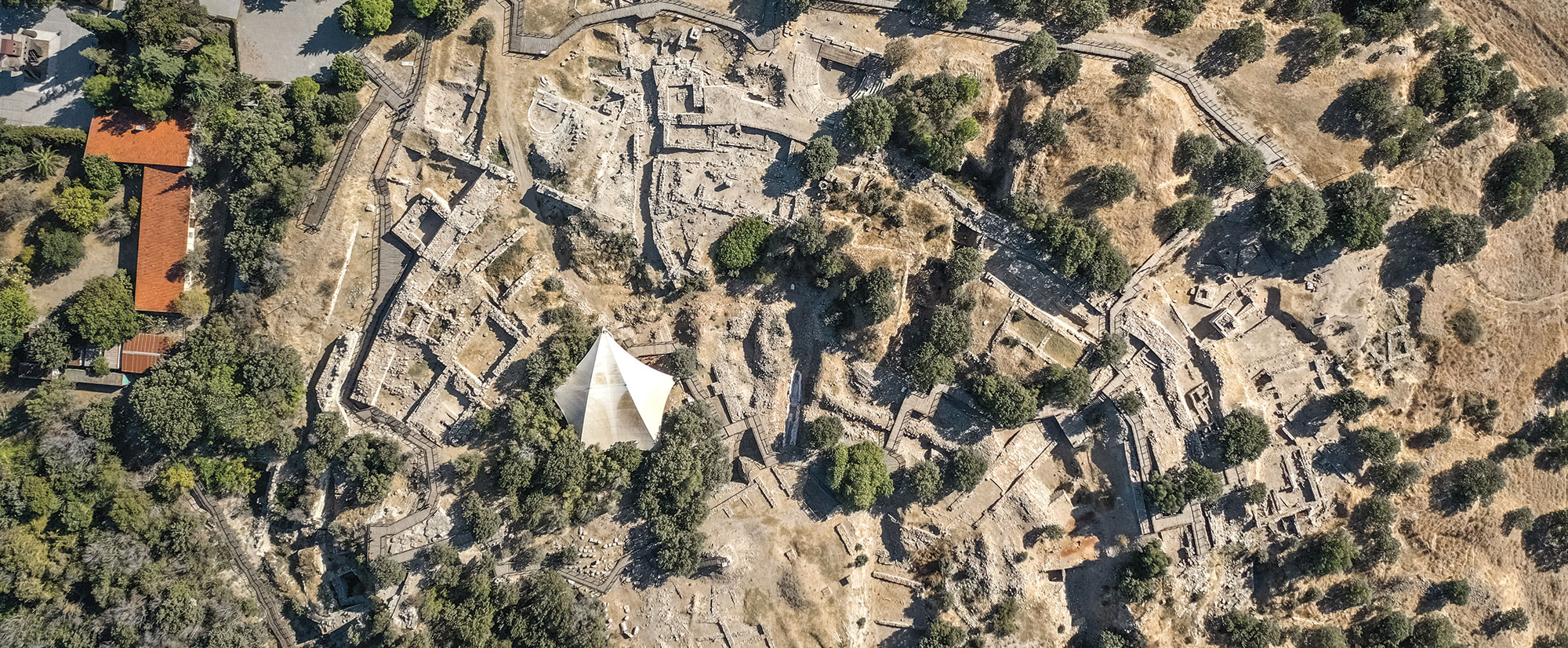
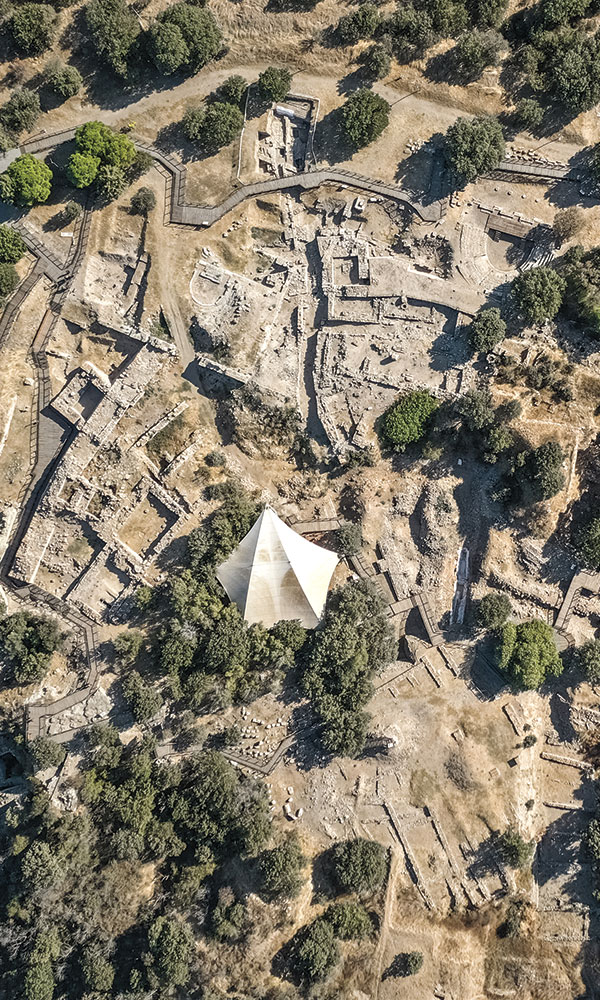
The Unexpected World of the Odyssey
Discovering the surprising inspirations behind Homer’s great tales of the Trojan War
-
Features May/June 2026
Pioneers of Lakefront Living
Why Neolithic and Bronze Age farmers in the Alps built their villages on stilts
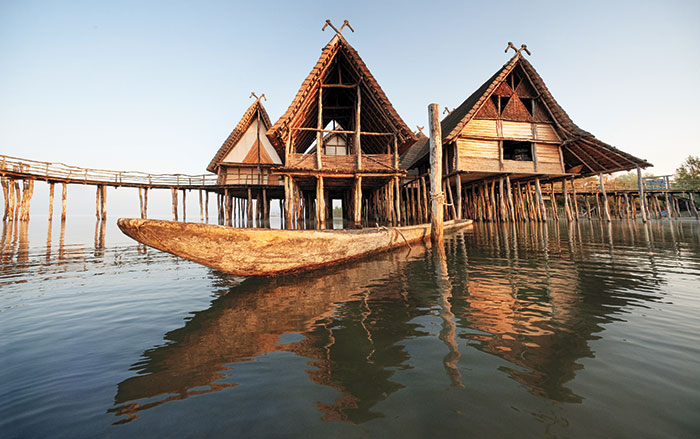 © APM/Frank Müller
 -
Features May/June 2026
The Last Maya Kingdom
On the shores of a lake in Guatemala, the Itzá people defied the Spanish for nearly 200 years
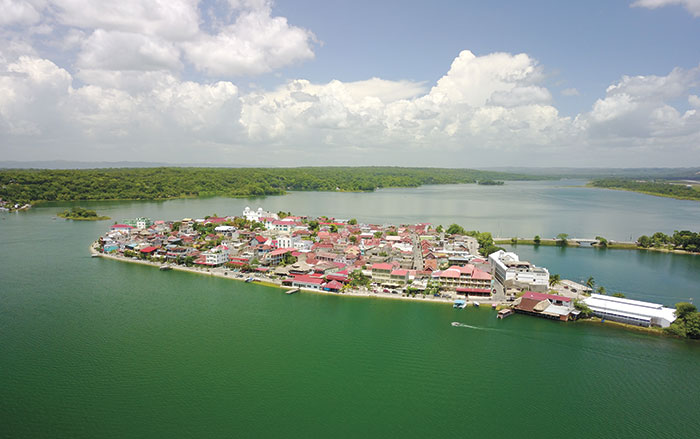 Courtesy Timothy Pugh/Itzá Archaeological Project
 -
Features May/June 2026
Art for the Ages
A surreal style of painting endured for 4,000 years in the canyonlands of West Texas
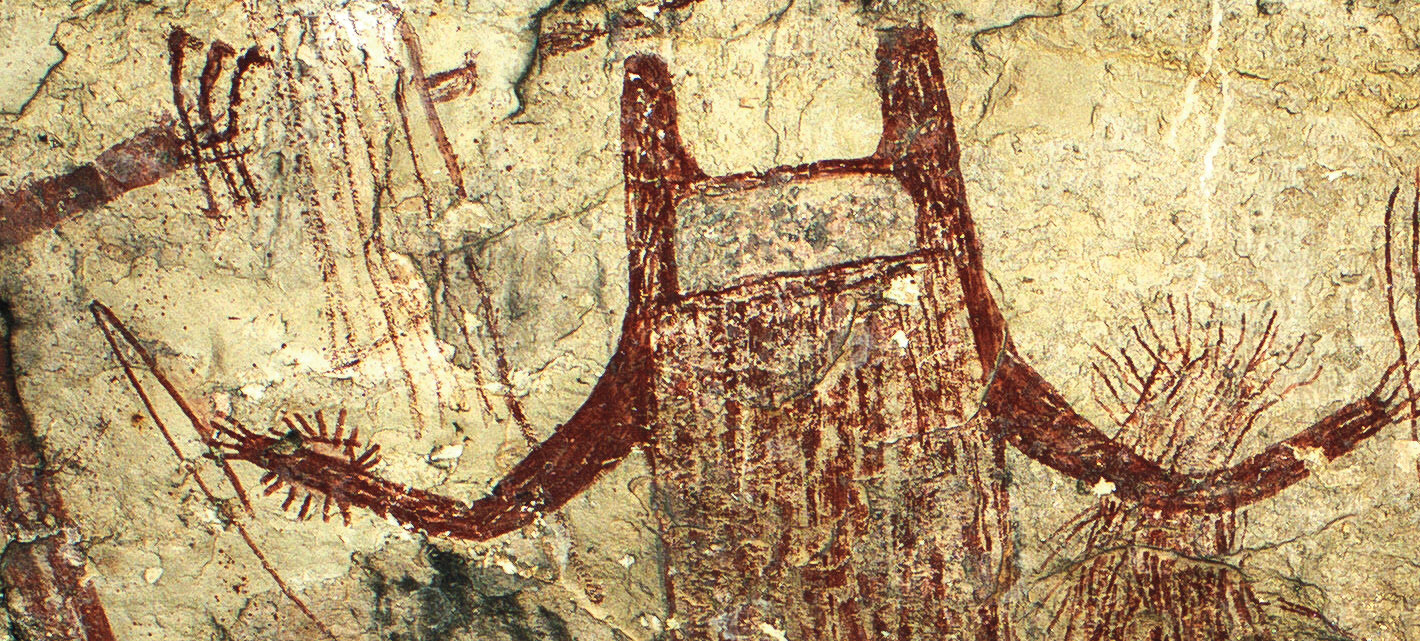 Shumla Archaeological Research and Education Center Archive
 -
Features May/June 2026
Bridge to the Past
The Yellow River brought both prosperity and calamity to China’s dazzling medieval capital
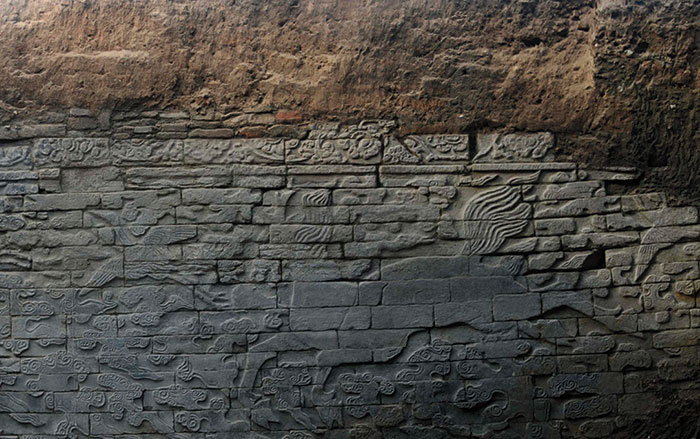 Henan Provincial Institute of Cultural Heritage and Archaeology