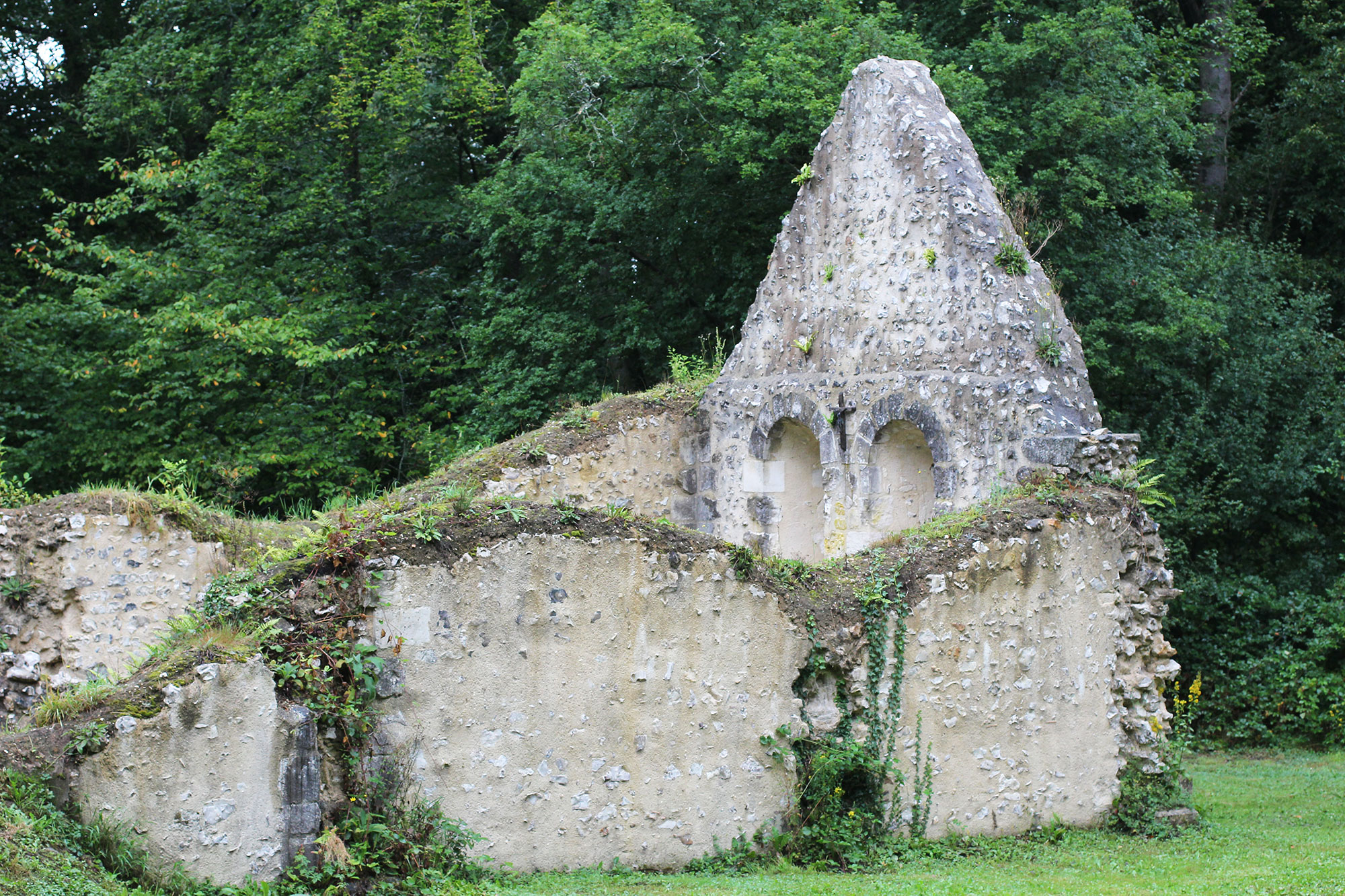
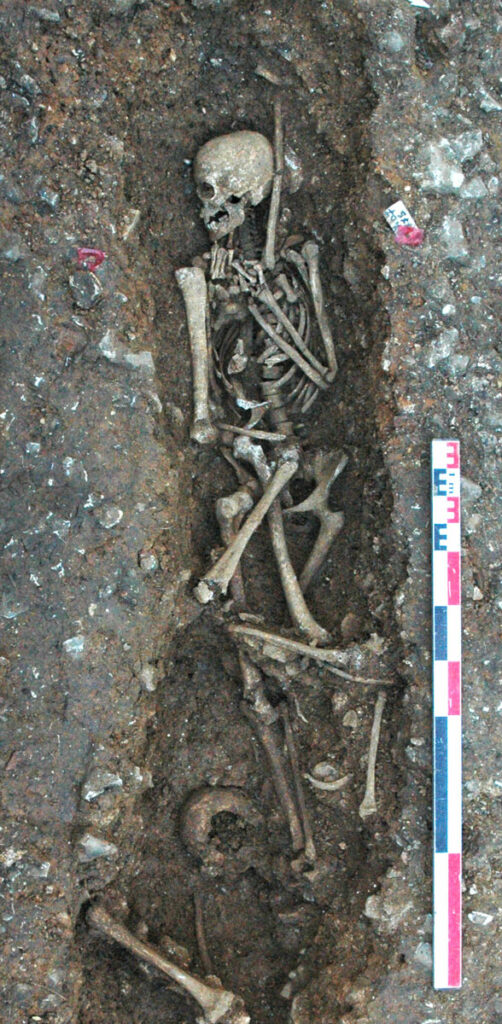
ROME, ITALY—Phys.org reports that Elena Fiorin of Sapienza University of Rome and her colleagues looked for mercury in samples of dental calculus taken from the remains of people buried at two medieval lepers’ hospitals, or leprosaria—Peterborough Abbey in England, which was founded in 1125, and Saint-Thomas-d’Aizier, built in the late eleventh century in Normandy, France. During the medieval period, the toxic metal was used to treat syphilis and leprosy in the form of ointments that were rubbed onto the skin. Samples of bones, teeth, and hair are usually used to test mercury levels in human remains. “Dental calculus offers a new and complementary perspective,” Fiorin said. “Because it forms in the mouth during life, it can capture substances that enter the body more directly, including medical treatments applied in or around the mouth,” she explained. The researchers also tested soil from the graves to see if mercury could have entered the dental calculus after burial, and analyzed the dental calculus of people who had been buried in non-leprosaria cemeteries in England and France. “Individuals buried in leprosaria show significantly higher mercury levels than those from other cemeteries, and our analyses indicate that this mercury was incorporated during life rather from the soil,” Fiorin said. “In addition, there is no evidence of local environmental sources, such as mining, that could explain these patterns.” Mercury detected in the soil at the leprosaria likely leached from contaminated bodies, since the levels of mercury in the dental calculus tended to be higher than those in the soil samples. The highest levels of mercury were found in the remains of two individuals who had been buried in a leprosarium chapel, perhaps indicating that they were elites with access to more medical treatment. Read the original scholarly article about this research in the Journal of Archaeological Science. To read more about chemical sampling of soil around burials, go to "Secrets of Life in the Soil."