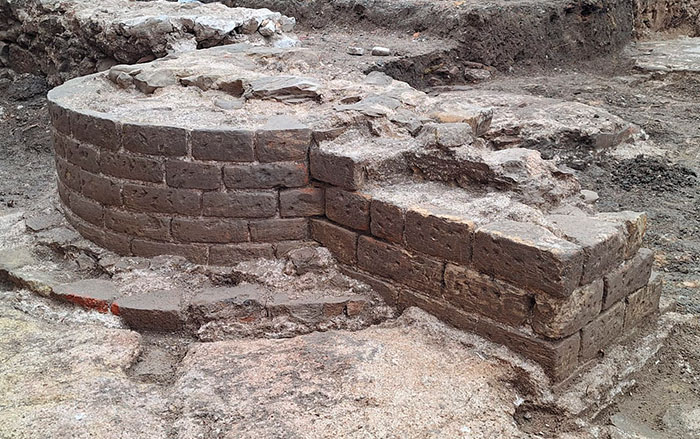
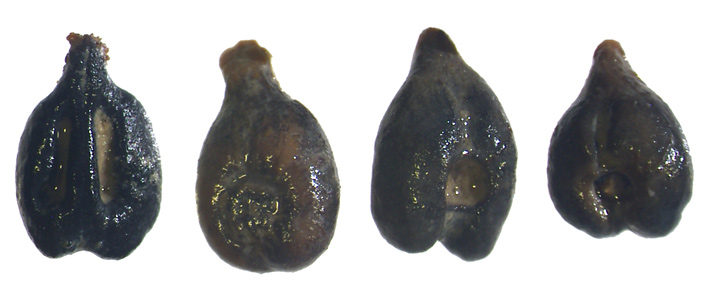
CHIANTI, ITALY—According to a statement released by the University of York, analysis of grape seeds recovered from mud at the bottom of wells carved into the rock at the Etruscan and Roman site of Cetamura del Chianti suggests that vintners there cloned vines that produced white berries. Oya Inanli of the University of York said that a majority of the seeds in the study were dated to between 300 B.C. and A.D. 300 and belonged to this single variety of grape. After the Romans conquered central Italy, new varieties of grapes were introduced to the site. The study also showed that the Etruscan’s white-berry variety was related to grapes grown in southern France, indicating that the Romans developed an agricultural trade network to standardize wine production. Another 2,000-year-old grape variety identified at Cetamura has been linked to grapes still grown today in Central and Eastern Europe, including a 400-year-old vine still producing fruit in Slovenia. Go the Journal of Archaeological Science to read the original academic paper describing the research. To read in-depth about Roman rites celebrating the god of wine, go to "Pompeii's House of Dionysian Delights."