Earliest Plague Outbreak Identified in Siberia

News June 18, 2026

Vladimiri Bazaliiskii
SHARE:

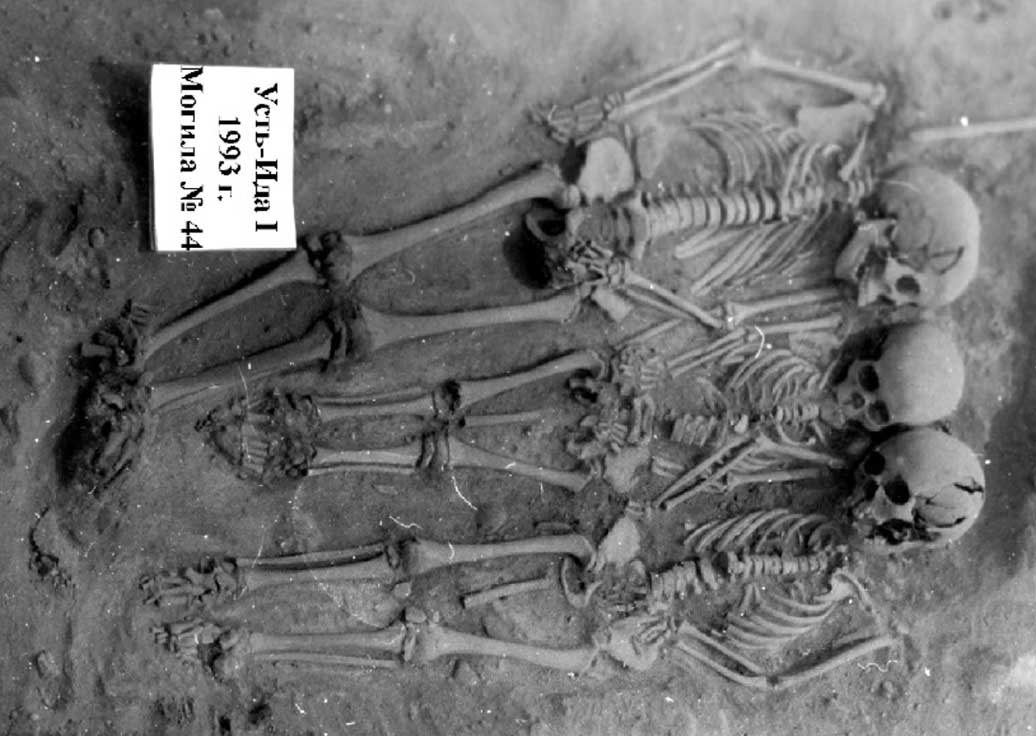
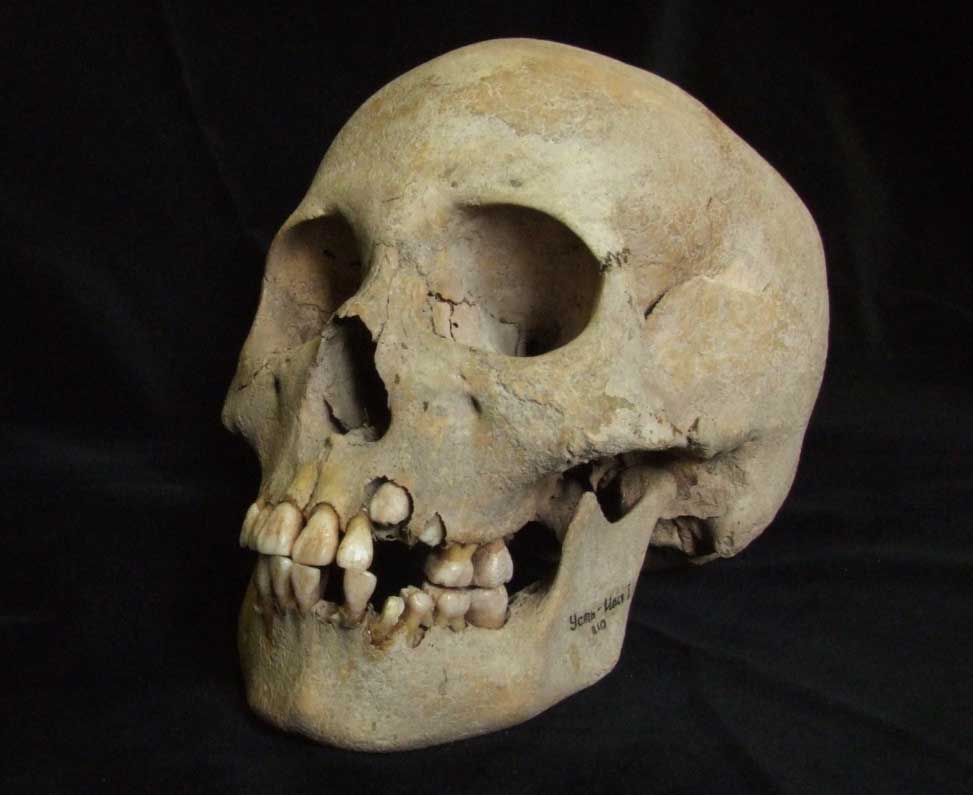
OXFORD, ENGLAND—The Guardian reports that evidence for an outbreak of plague some 5,500 years ago has been identified in DNA samples taken from the remains of hunter-gatherers buried in cemeteries in southeastern Siberia. A second outbreak likely occurred between 400 and 600 years later. Ruairidh Macleod of the University of Oxford and an international team of researchers suggest that the hunter-gatherers were infected by the plague bacteria (Yersinia pestis) through butchering or eating raw marmots, a type of ground squirrel that can act as a reservoir for plague today. The disease likely then spread from person to person in the form of pneumonic plague, which affects the lungs. At least two-thirds of the dead at two of the cemeteries in the study were under 15 years of age at the time of death, and many of them shared graves with siblings or other family members. To read more research into early plague outbreaks go to "Bronze Age Plague."
  • Features May/June 2026

    Pioneers of Lakefront  Living

    Why Neolithic and Bronze Age farmers in the Alps built their villages on stilts

    Read Article
    Modern replicas of Bronze Age houses in Lake Constance
    © APM/Frank Müller
  • Features May/June 2026

    The Last Maya Kingdom

    On the shores of a lake in Guatemala, the Itzá people defied the Spanish for nearly 200 years

    Read Article
    Flores Island, Guatemala
    Courtesy Timothy Pugh/Itzá Archaeological Project
  • Features May/June 2026

    Art for the Ages

    A surreal style of painting endured for 4,000 years in the canyonlands of West Texas

    Read Article
    Shumla Archaeological Research and Education Center Archive
  • Features May/June 2026

    Bridge to the Past

    The Yellow River brought both prosperity and calamity to China’s dazzling medieval capital

    Read Article
    Henan Provincial Institute of Cultural Heritage and Archaeology