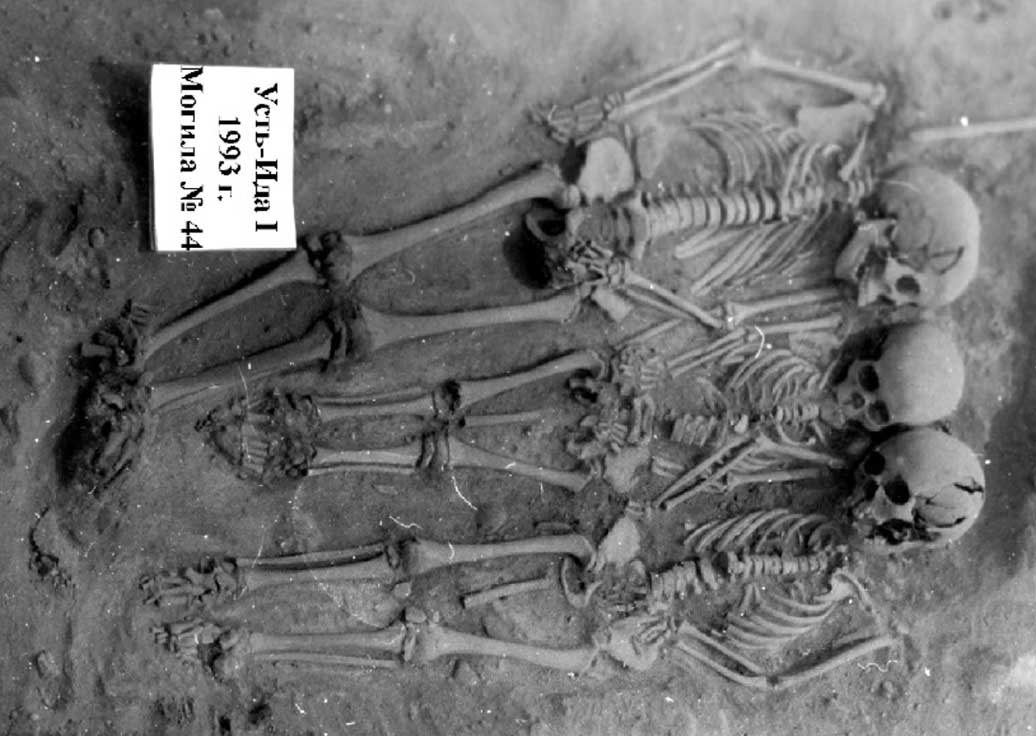
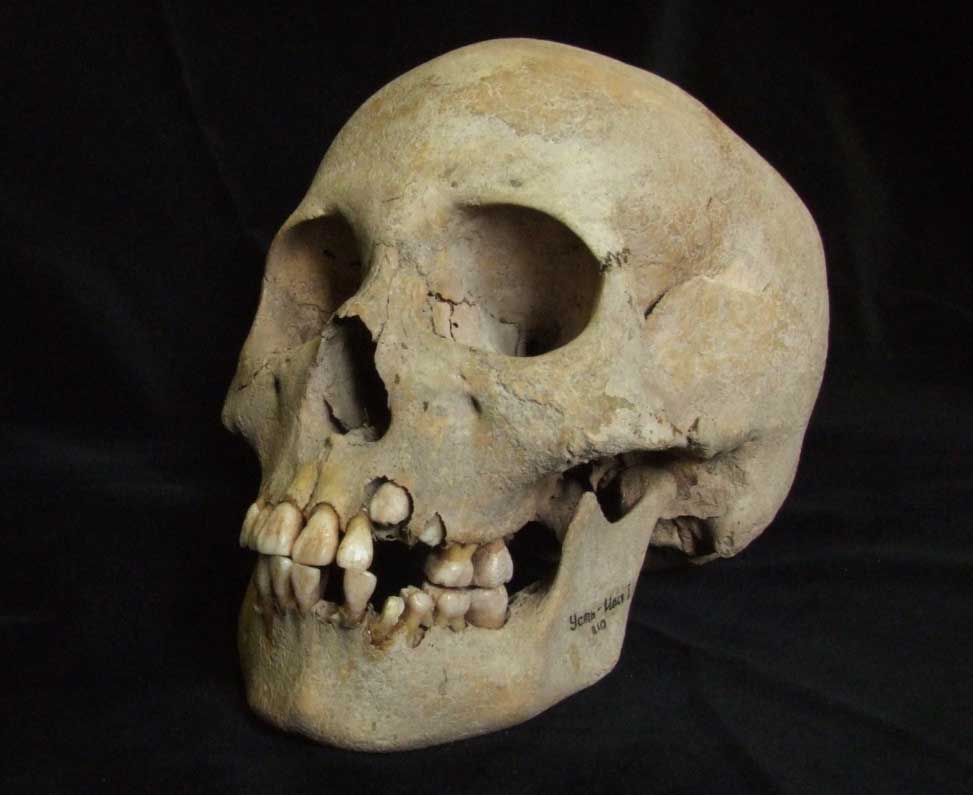
OXFORD, ENGLAND—The Guardian reports that evidence for an outbreak of plague some 5,500 years ago has been identified in DNA samples taken from the remains of hunter-gatherers buried in cemeteries in southeastern Siberia. A second outbreak likely occurred between 400 and 600 years later. Ruairidh Macleod of the University of Oxford and an international team of researchers suggest that the hunter-gatherers were infected by the plague bacteria (Yersinia pestis) through butchering or eating raw marmots, a type of ground squirrel that can act as a reservoir for plague today. The disease likely then spread from person to person in the form of pneumonic plague, which affects the lungs. At least two-thirds of the dead at two of the cemeteries in the study were under 15 years of age at the time of death, and many of them shared graves with siblings or other family members. To read more research into early plague outbreaks go to "Bronze Age Plague."