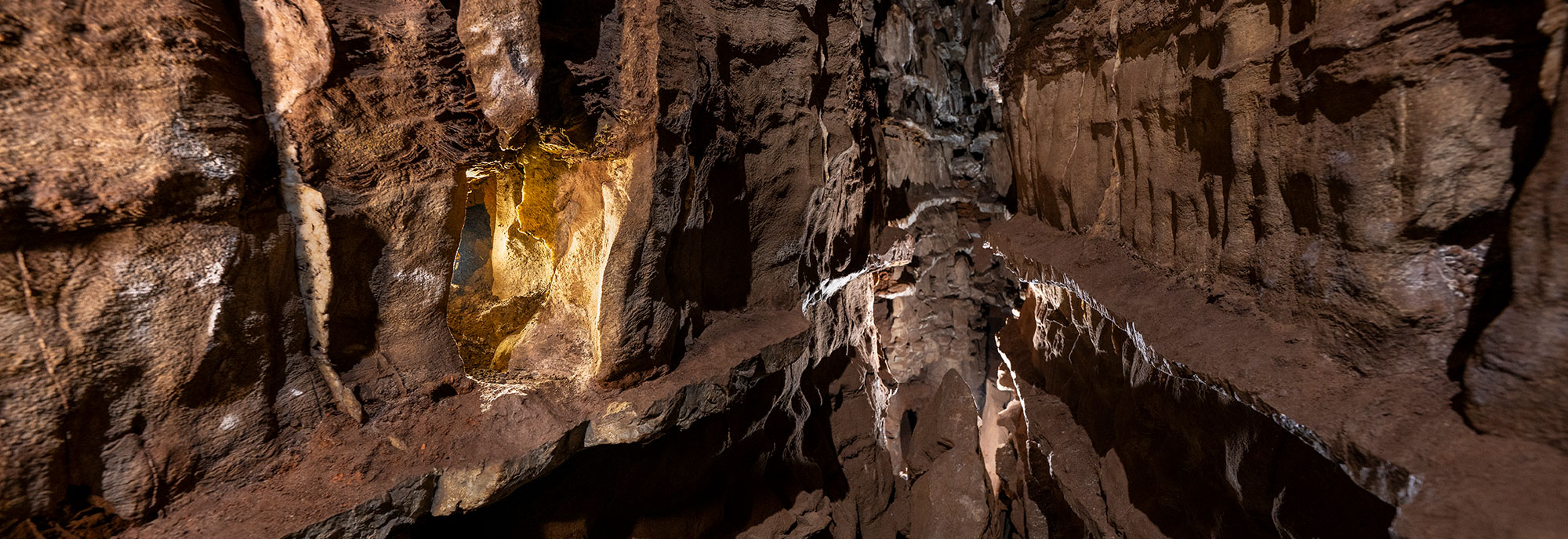
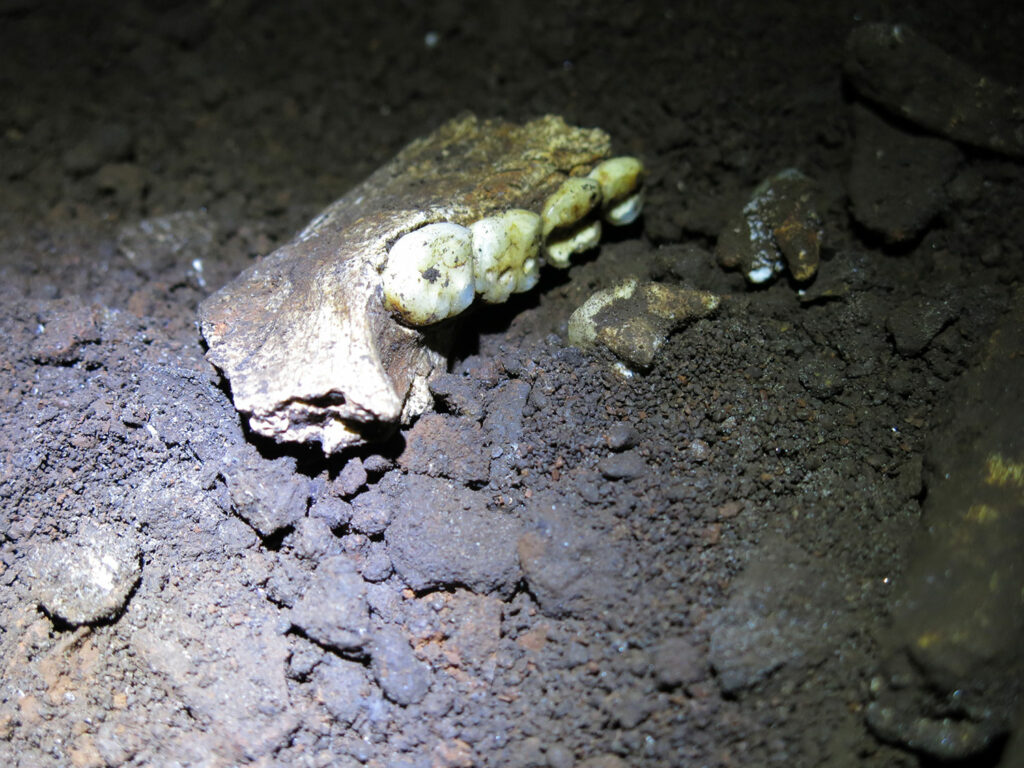
LEIPZIG, GERMANY—Live Science reports that proteomic analysis of 20 Homo naledi teeth determined that all of the individuals to whom they belonged were female, since they each lacked a gene variant found only in biological males. The 300,000-year-old hominin fossils were discovered in 2013 in a remote chamber in South Africa’s Rising Star cave system by Lee Berger of the University of the Witwatersrand and his colleagues. Study of the bones suggests that they represent nearly two dozen individuals who had small brains and upper bodies, but faces, hands, and lower limbs that were more like those of modern humans. Berger and his colleagues had previously suggested that the Homo naledi individuals recovered from the cave had been buried there, but critics replied that such complex behavior would be unusual for hominins with such small brains. “The most likely reason for these robust results are, in my opinion, cultural selection after death for burial by sex and perhaps gender,” Berger said. The proteomic analysis also shows that Homo naledi shared a gene variant related to collagen production with Paranthropus robustus, a human relative with a massive face and teeth that lived in South Africa from about one to two million years ago. It is unclear how the two species may have been related. “It is early days for sampling fossil hominins with ancient proteins, and until we build a better, bigger sample, we just don’t know,” Berger explained. Overall, the study has helped researchers to understand why so little variation was observed among the remains of the Homo naledi individuals. “It’s probably because they could have all belonged to one sex,” said Palesa Madupe of the Max Planck Institute for Evolutionary Anthropology. For more on the Homo naledi remains recovered from the Rising Star cave system, go to "Cradle of the Graves."