

PARIS, FRANCE—IFL Science reports that Jérôme Isle de Beauchaine of France’s National Natural History Museum and his colleagues analyzed 30,000-year-old teeth discovered in southwestern France in the mid-twentieth century. It had been previously suggested that these teeth from Les Rois Cave belonged to a Neanderthal child butchered by Paleolithic modern humans, who then wore the teeth as a necklace. But the new evaluation determined that the incisors are not “shovel shaped,” as is characteristic of Neanderthal incisors, and the enamel is much thicker than that usually found in Neanderthal teeth. Rather, the incisors feature a “flat labial surface,” a typical feature of modern human incisors, and the thickness of the tooth enamel falls within the normal modern human range. The teeth do have some Neanderthal characteristics, however, and may reflect a mosaic of ancient and modern traits in Paleolithic humans. Isle de Beauchaine concluded that all of the human bones that have been unearthed at Les Rois are the remains of modern humans. Wearing the teeth of the deceased as jewelry may have been a funerary tradition, he speculated. Read the original scholarly article about this research in the American Journal of Biological Anthropology. To read more about hominin dentition, go to "Consider the Craniums."
Paleolithic Child’s Teeth Reexamined
News September 8, 2026
Recommended Articles
Digs & Discoveries July/August 2020
Twisted Neanderthal Tech
Digs & Discoveries January/February 2017
Proteins Solve a Hominin Puzzle
Digs & Discoveries September/October 2016
Gimme Middle Paleolithic Shelter
More to Discover
-
Features September/October 2026
A Change in Fashion
Hoards of lavish gold and silver neck rings buried on an English hill reflect dramatic social change
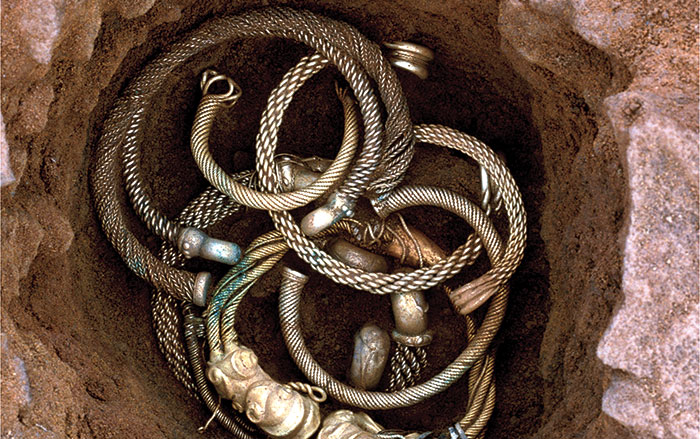 Photo © 2026 The Trustees of the British Museum
 -
Features September/October 2026
Cultivating Fields of Stone
Peru’s ancient farmers used intricate rock maps to plan for the future
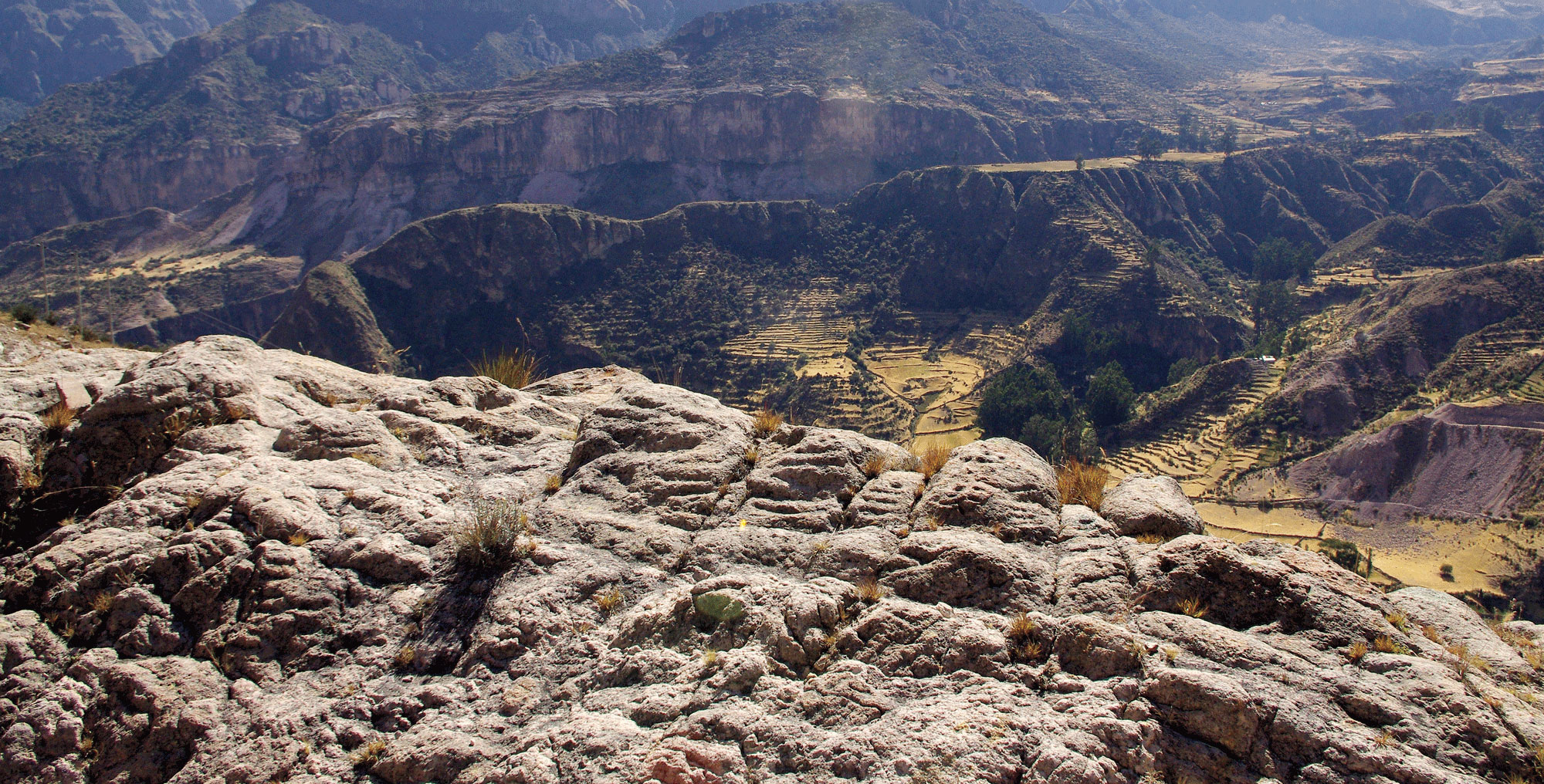 Courtesy Patricia Aparicio Martínez
 -
Features September/October 2026
Where Was Ancient Egypt Born?
Archaeologists are reimagining a time before the first pharaohs
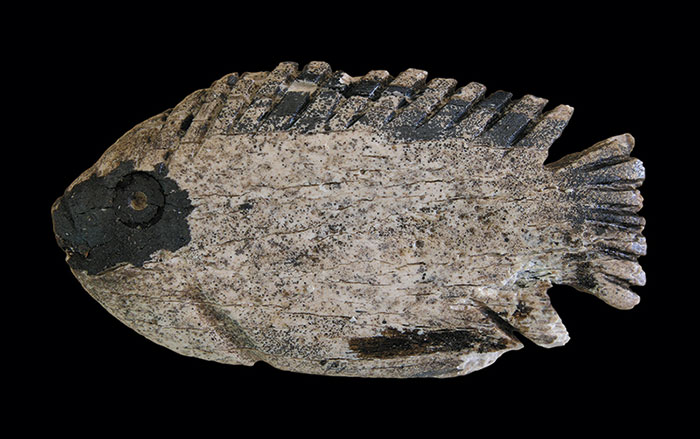 Courtesy Robert Słaboński/Tell el-Farkha Expedition
 -
Features September/October 2026
2,000 Years Under the Sea
The story of Greece’s famed Antikythera wreck is finally being revealed
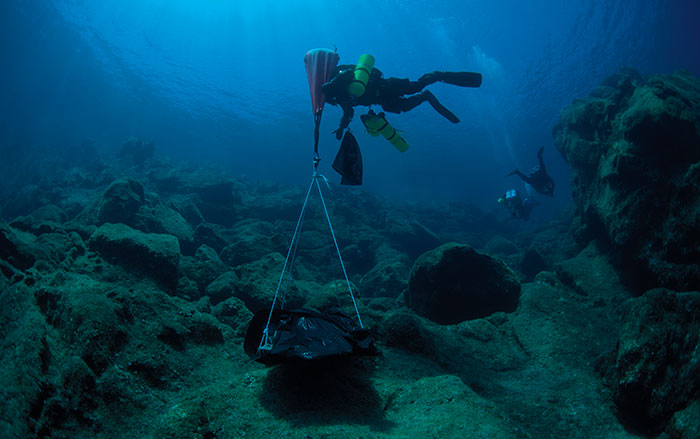 © ESAG/UNIGE