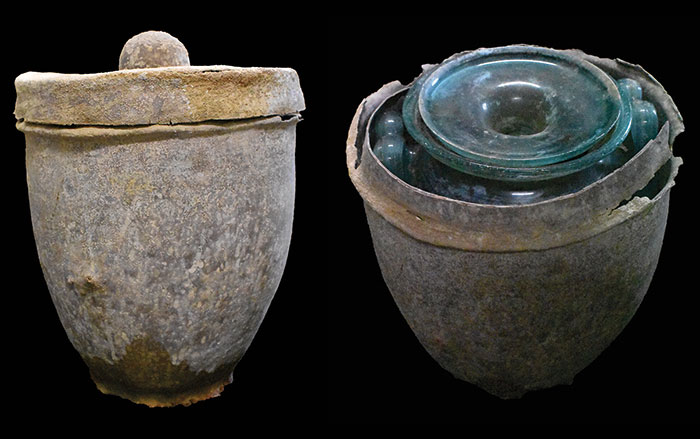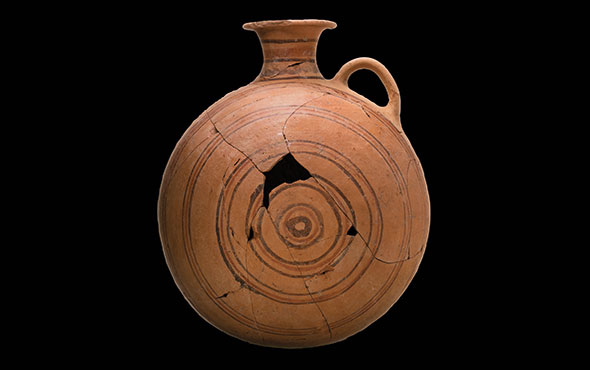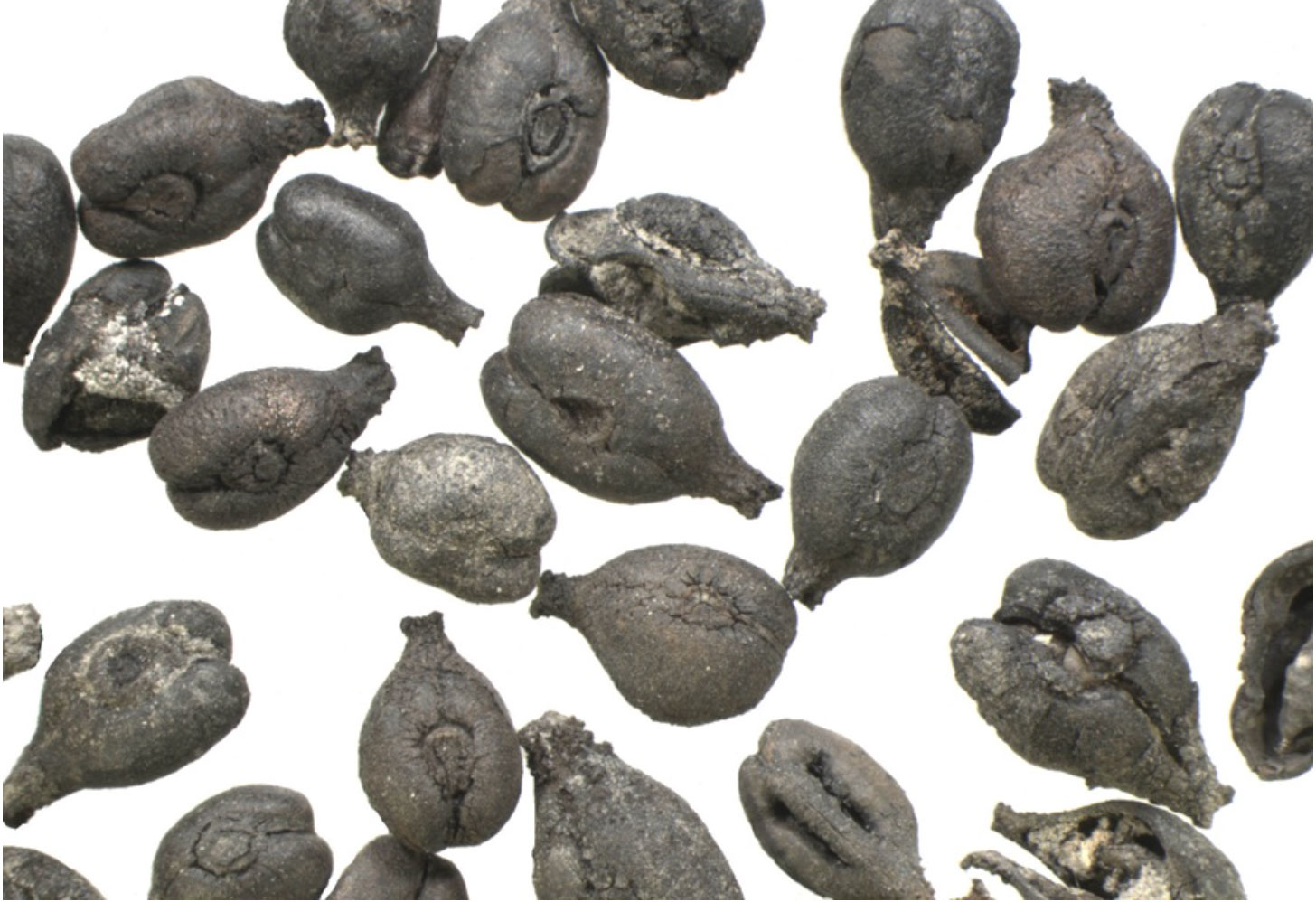
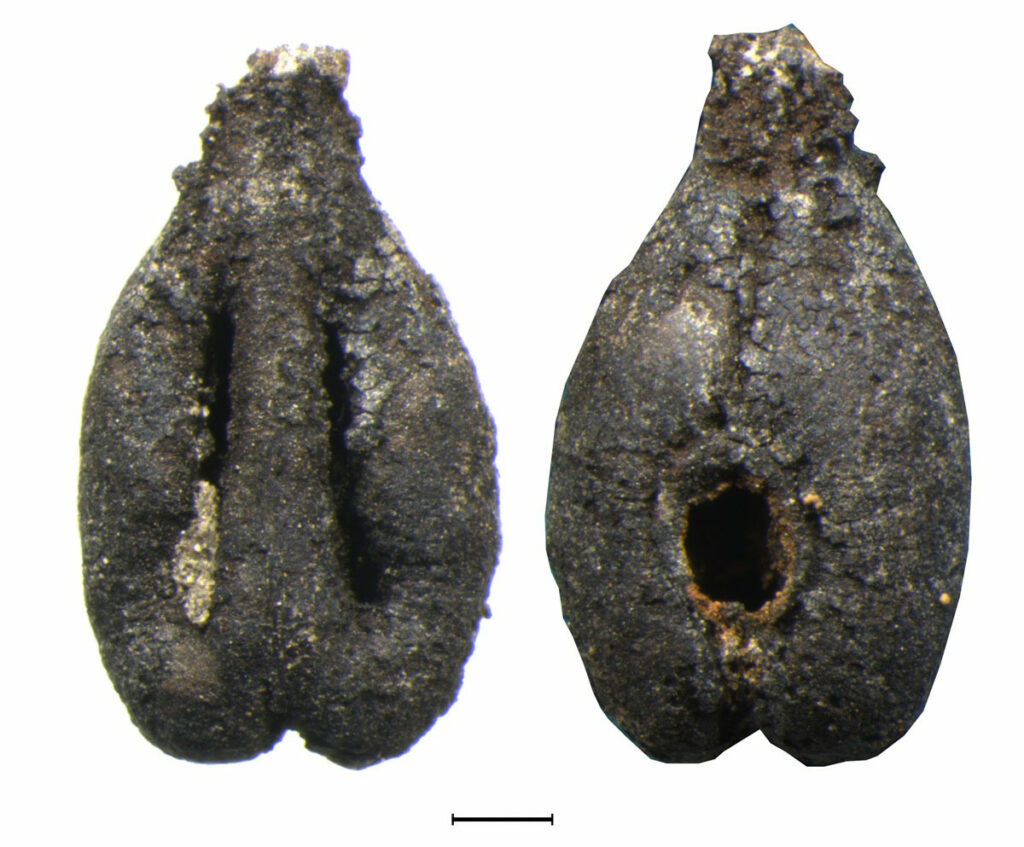
VALENCIA, SPAIN—Researchers had long suspected that Iberia’s thriving wine industry had its historical roots in the Roman conquest of Iberia beginning in the third century b.c. The importance of viticulture to the Romans is well established—wherever they went, vines seemed to have followed. However, according to a statement released by the University of Valencia, the first cultivated vines date back much further than that, having arrived with Phoenician settlers 3,000 years ago. An international team conducted DNA analysis of 28 grape seeds from archaeological sites around the Iberian Peninsula and Sardinia. They determined that the earliest varieties are genetically related to grapes that were grown in the eastern Mediterranean. These strains were then quickly bred with local wild Iberian grapevines, creating brand-new varieties. “The results show that these first grapevines crossed at an early stage with local wild populations, contributing to the formation of the genetic lineages that would give rise to many of the traditional varieties of the Iberian Peninsula,” said University of Valencia researcher Guillem Pérez-Jordà. One of the study’s most surprising conclusions concerns the persistence of certain strains over the centuries. For example, the heben grape has been continually cultivated for the past 1,100 years. Read the original scholarly article about this research in Current Biology. To read about wine found preserved in a Roman mausoleum in southwestern Spain, go to "A Nightcap for the Ages."