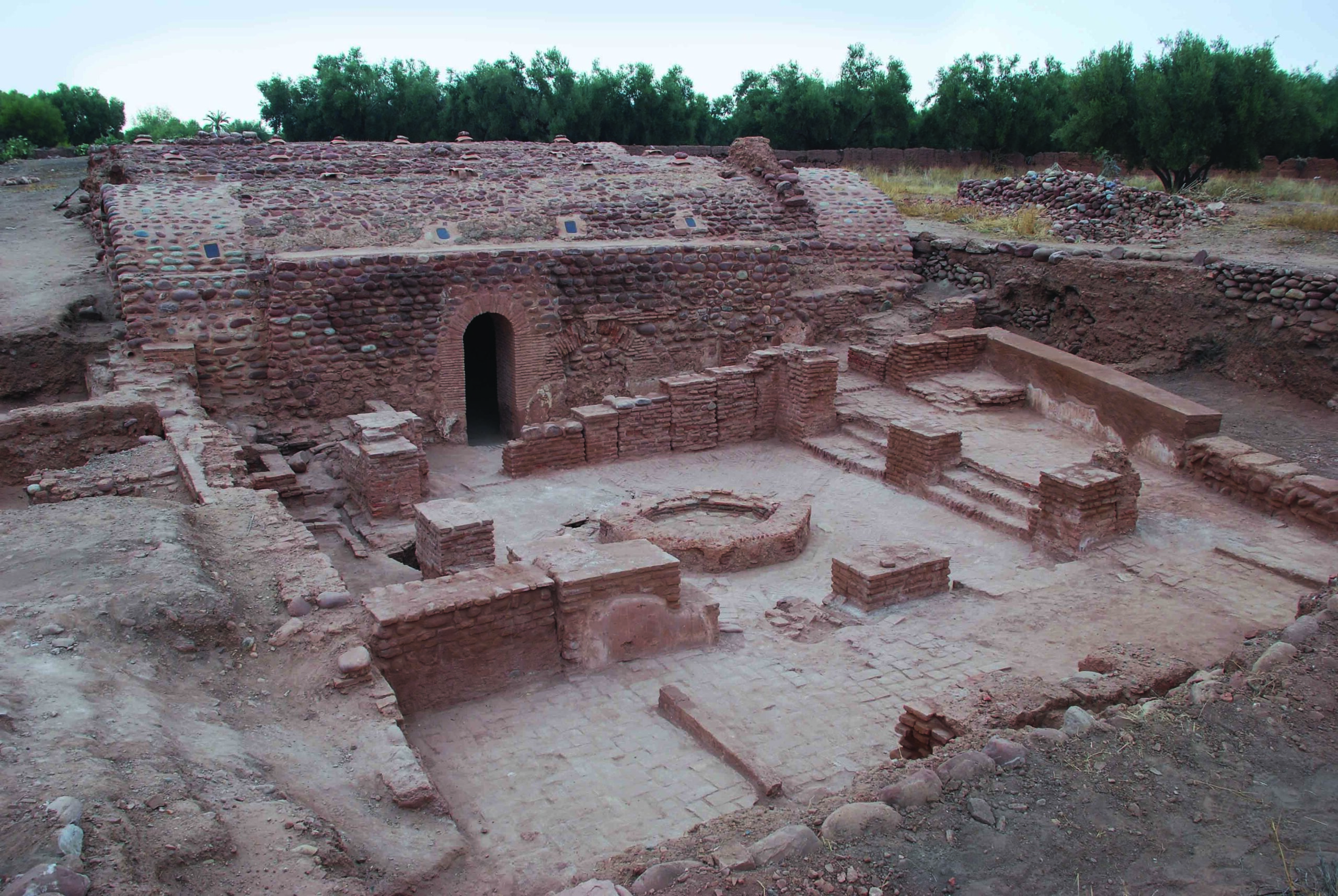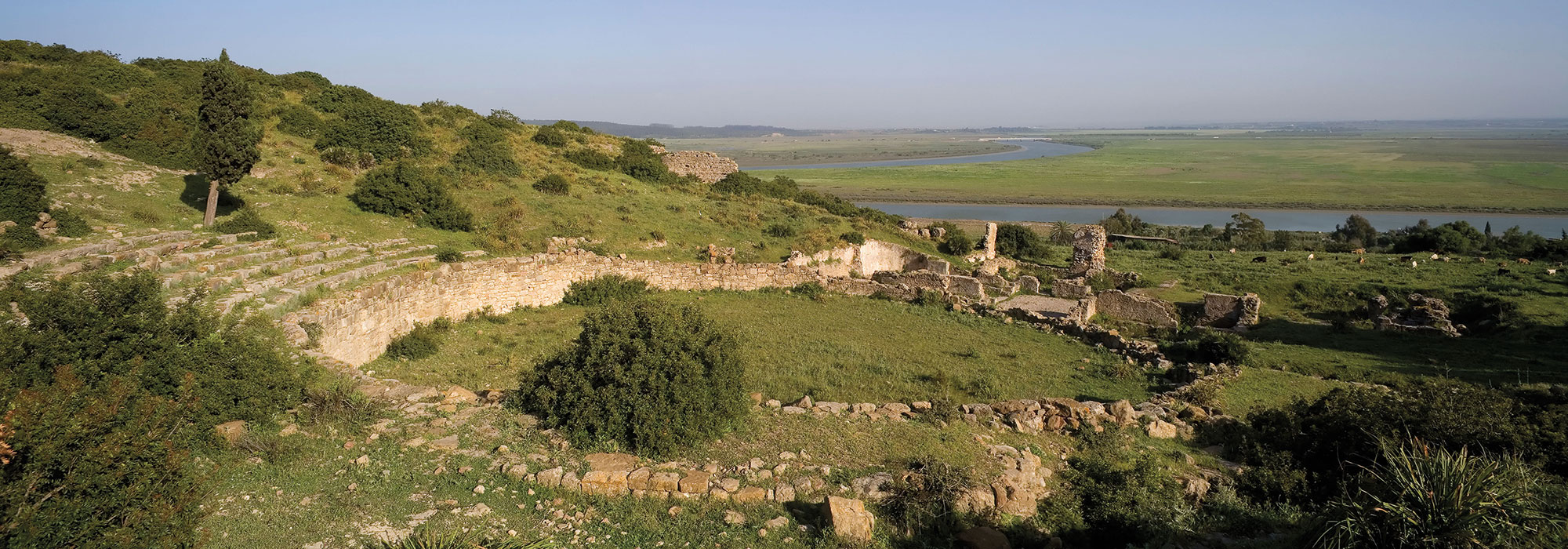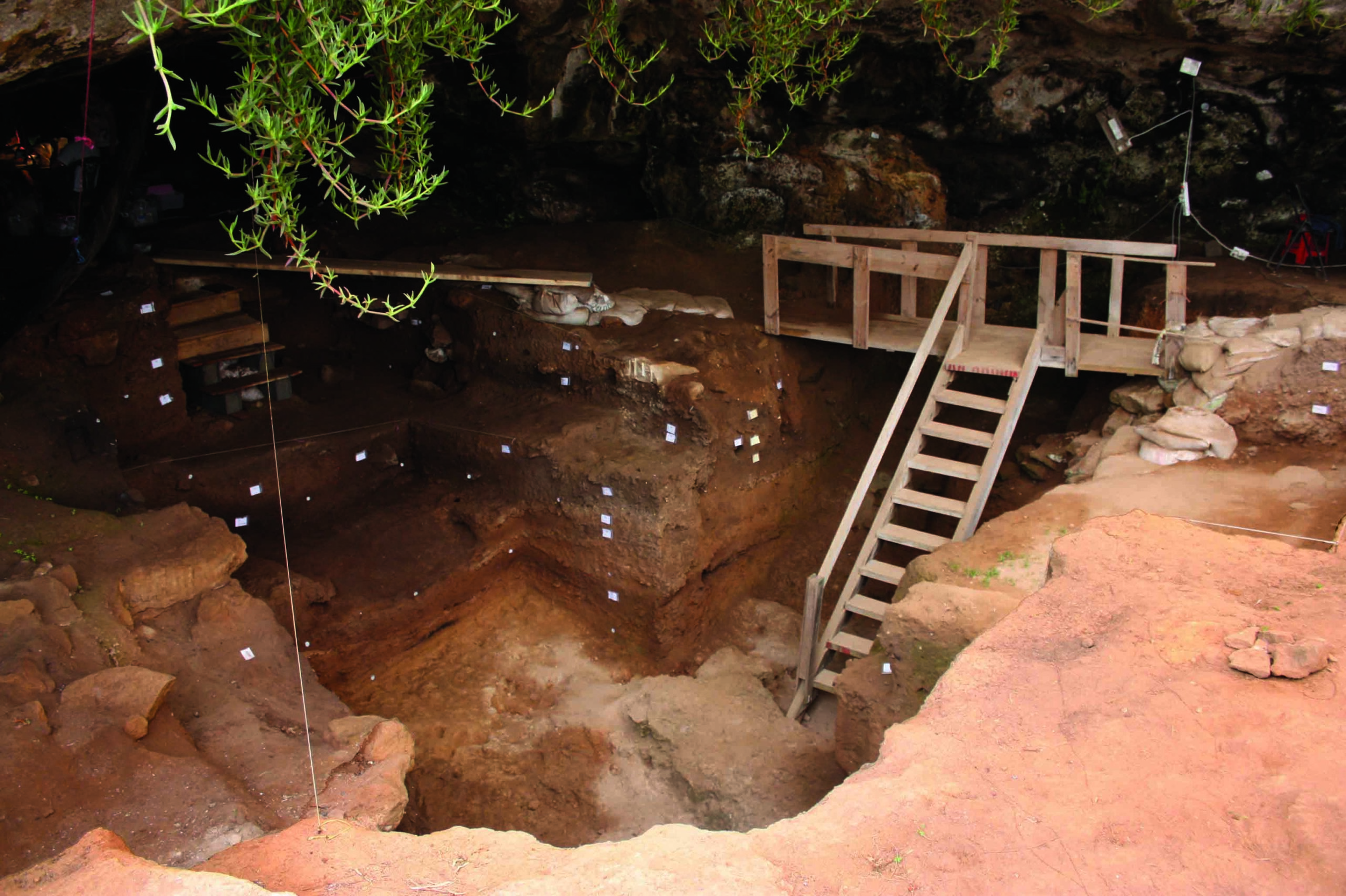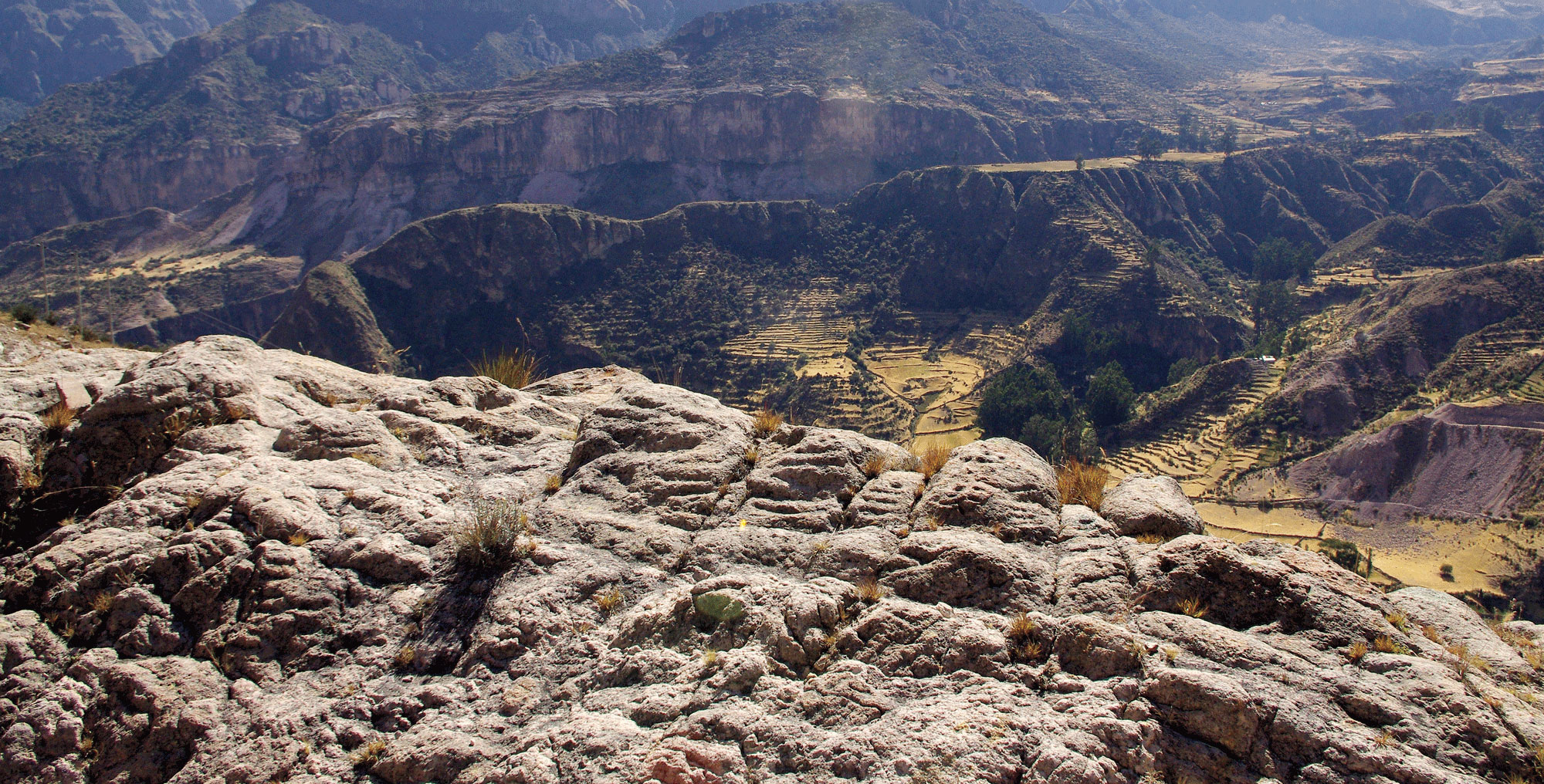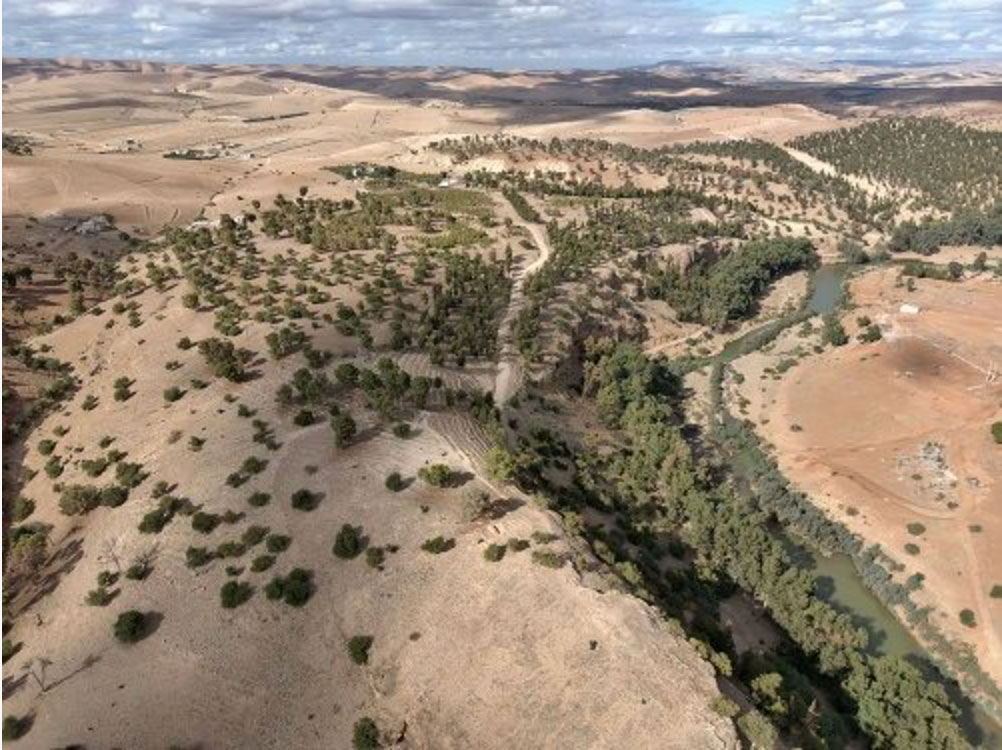
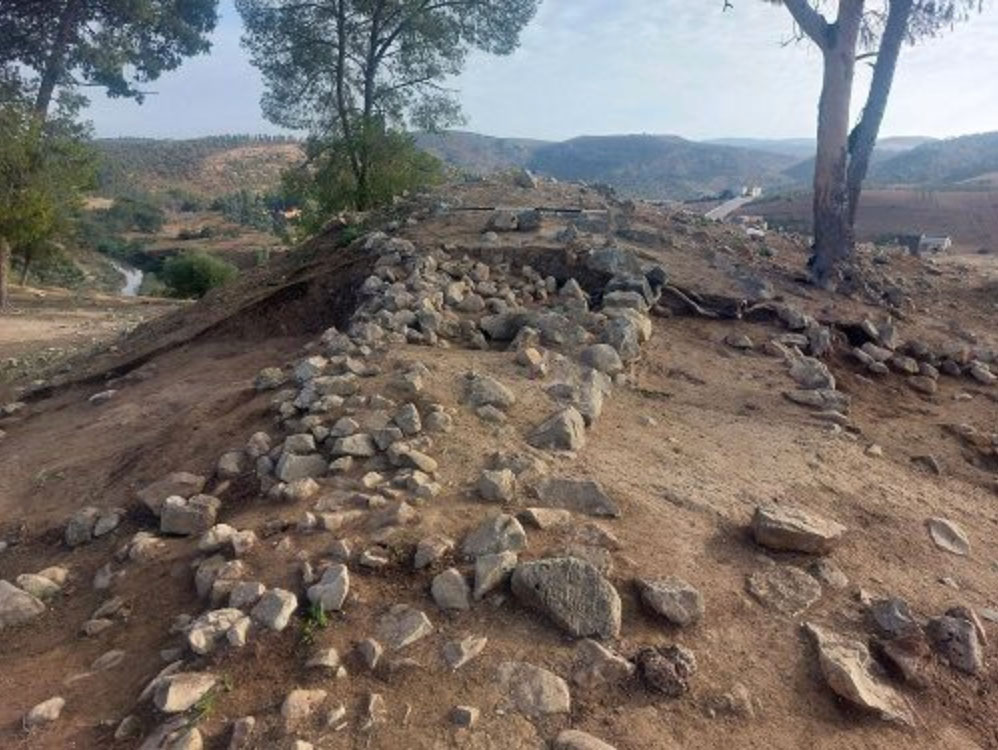
ROME, ITALY—According to a statement released by the National Research Council of Italy (CNR), an international team of archaeologists has identified the oldest defensive complex in Africa beyond the Nile Valley. The 3,500- to 4,000-year-old ditch-and-rampart structure is located around 60 miles from the Atlantic coast at the site of Oued Beht, Morocco, in North Africa’s Maghreb. Although the ancient enclosure was first noted in the 1930s, the recent study was finally able to date it to the early to mid-second millennium b.c. Several years ago, the same team made headlines when they uncovered evidence that Oued Beht was home to a thriving late Neolithic farming community, the largest one in Africa at the time outside of Egypt. Researchers do not yet know exactly why the defensive complex was built––whether it was intended to repel invaders, to control movement through the landscape, or was a response to increased competition for land. “The system blocked access to the southern end of the settlement, taking advantage of the natural topography of the ridge and making the area more easily defended,” said CNR archaeologist Giulio Lucarini. “The communities of the north-western Maghreb in the second millennium b.c. were therefore capable of conceiving and carrying out major construction works on a scale that had not previously been documented.” Read the original scholarly article about this research in the journal Libyan Studies. To read about other finds from Oued Beht, go to "Around the World: Morocco."