A Tomb of One's Own

Features November/December 2026

Life behind the scenes in Egypt’s Valley of the Kings
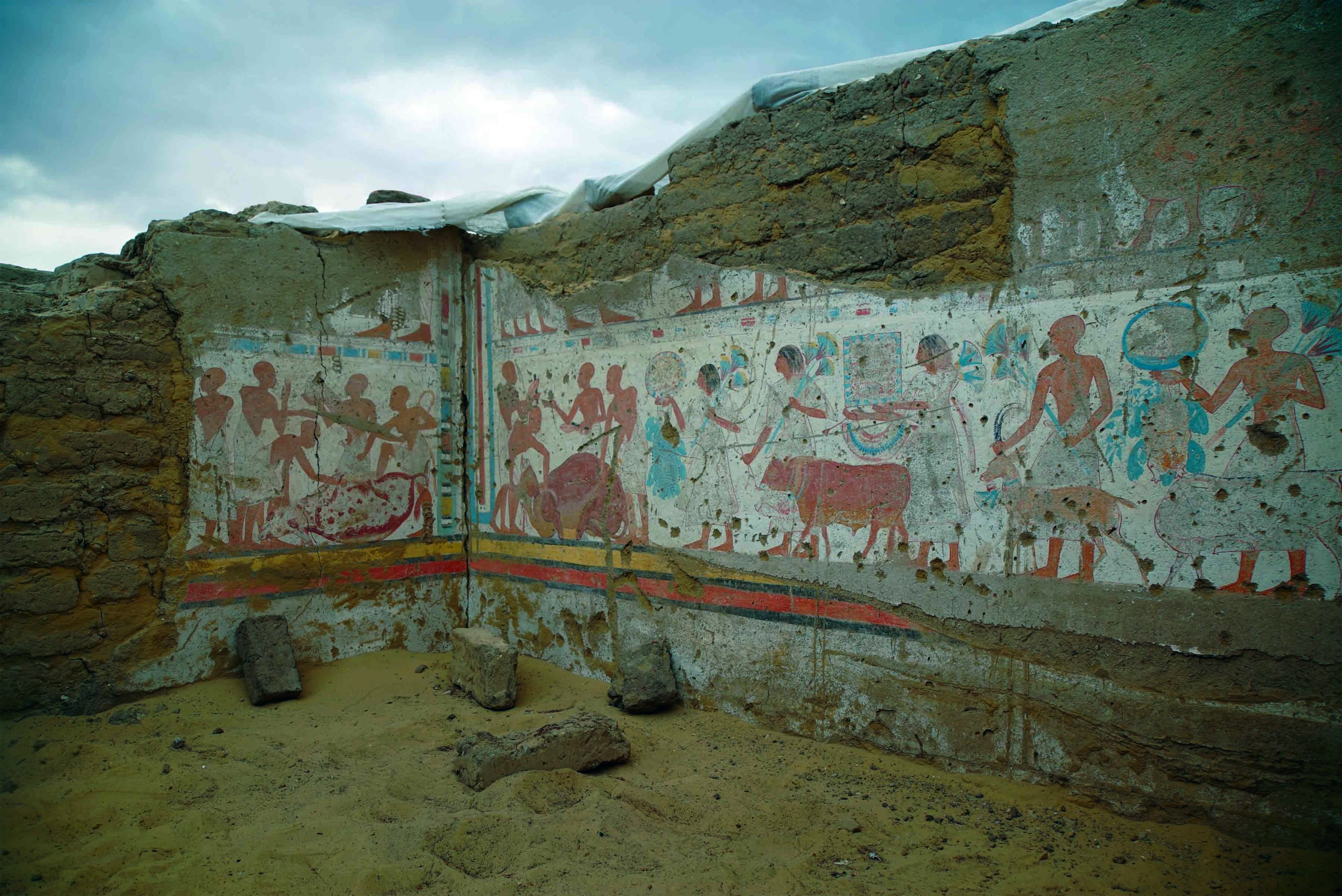
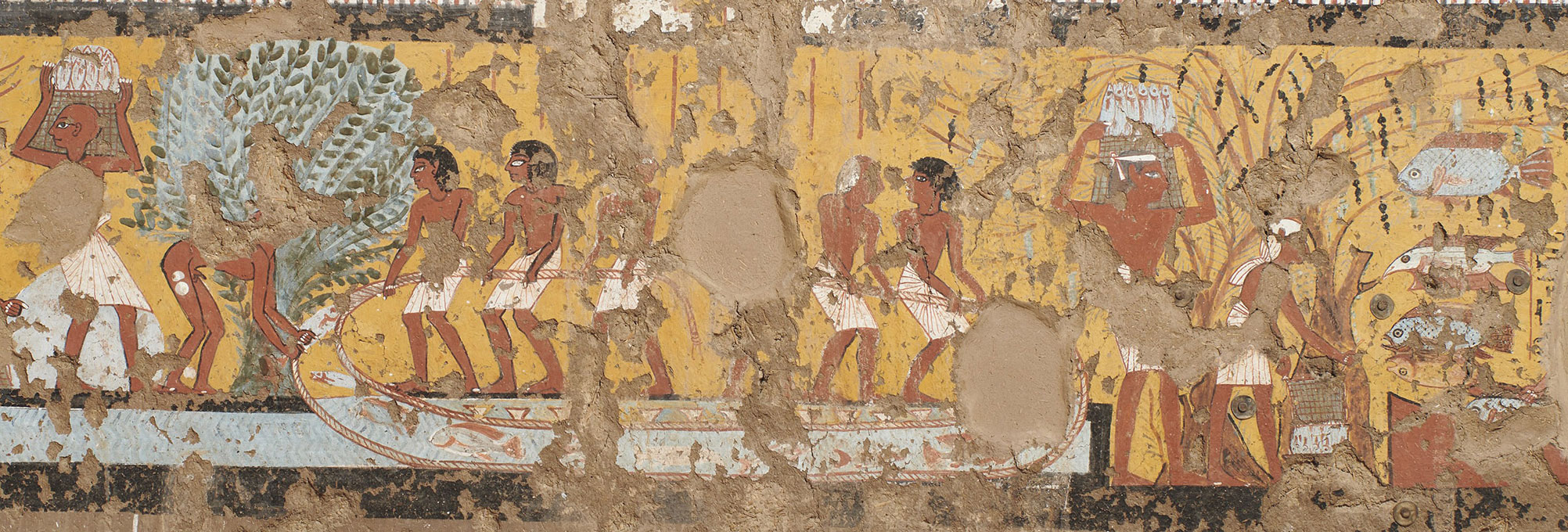
Painted scene from Ipuy's chapel depicting men catching fish from a boat
© Matjaz Kacicnik/Project TT 217–The Tomb of the Sculptor Ipuy in Context (JGU Mainz, IFAO Cairo)
SHARE:

The village of Deir el-Medina on the west bank of the Nile in southern Egypt was established out of necessity. The pharaohs of the New Kingdom, which spanned the 18th, 19th, and 20th Dynasties, decreed that their tombs, and those of their wives and children, be cut from the rocky desert near Thebes in what came to be known as the Valley of the Kings and the Valley of the Queens. Located between the valleys, Deir el-Medina likely began as a temporary camp for artisans tasked with building and, la
Become a Digital Subscriber Today

Get full access to all content on the ARCHAEOLOGY website and our PDF archive going back to the first publication in March 1948.

Already a Subscriber? Sign In

  • Features November/December 2026

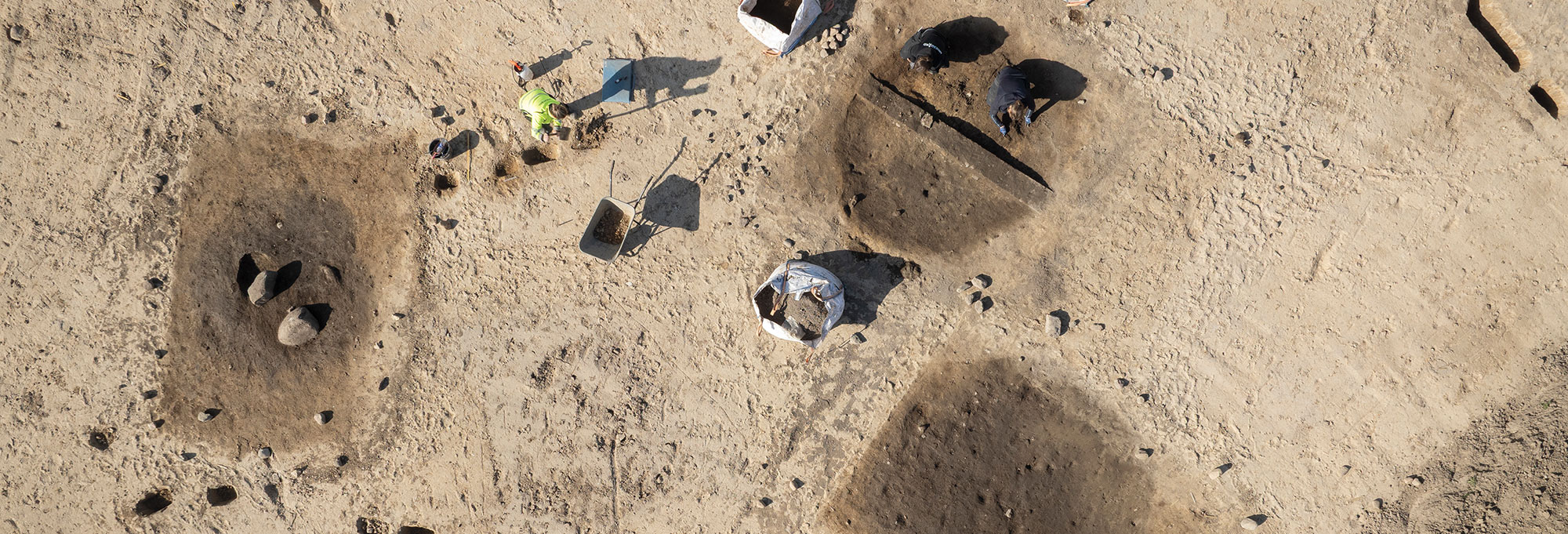
    Outfitting Viking Voyagers

    In Denmark, archaeologists have discovered a massive factory that equipped an innovative fleet

    Read Article
    Aerial view of excavation of three pit house foundations, Soften, Denmark
    Moesgaard Museum
  • Features November/December 2026

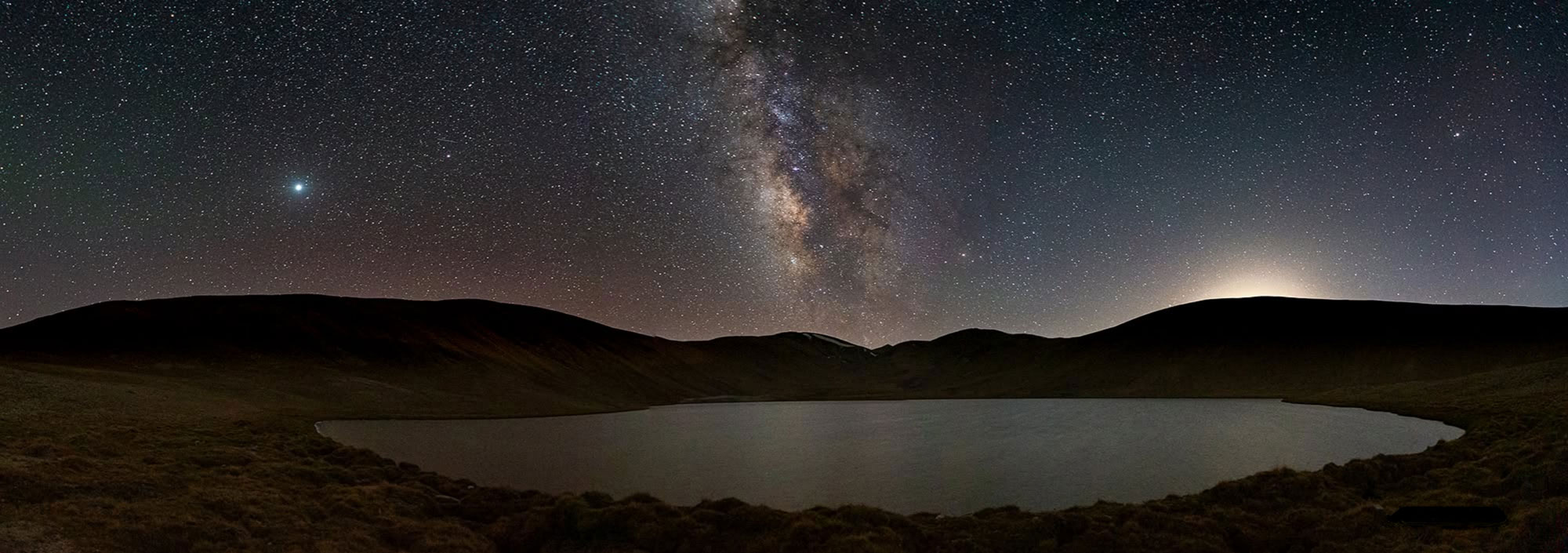
    Stone Age Stargazers

    Did artists 12,000 years ago illuminate a cave in Tajikistan with their vision of the Milky Way?

    Read Article
    ˝© Nodir Tursun-Zade
  • Features November/December 2026

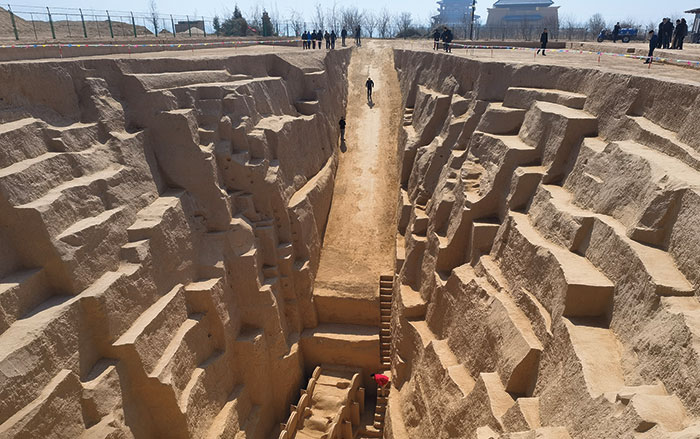
    Unearthing the Outlanders

    New discoveries challenge ancient prophecies about the peoples living on China’s borders three millennia ago

    Read Article
    Courtesy Shaanxi Provincial Institute of Archaeology
  • Letter from Cape Canaveral November/December 2026

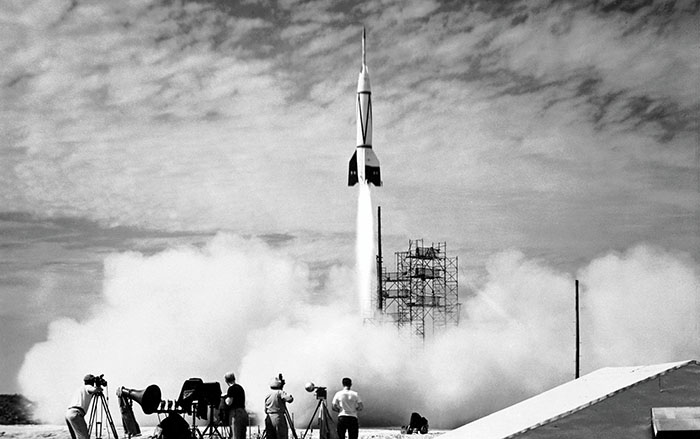
    Dawn of the Space Age

    Archaeologists have made surprising discoveries spanning 3,000 years at the birthplace of American space exploration

    Read Article
    The first rocket launched from Cape Canaveral, on Florida's Atlantic Coast—called the Bumper—took flight on July 24, 1950.
    Courtesy Cape Canaveral Space Force Museum