

WARSAW, POLAND—According to a Phys.org report, a 400-year-old shipwreck has been discovered in northern Germany’s Bay of Greifswald. The remnants of the vessel were identified in 2023 during work to prepare for the construction of an underwater gas pipeline. A rescue team of five archaeologists, including Michał Grabowski of the University of Warsaw, completed 22 dives over 12 days to recover as much as possible from the wreckage, which rested in heavy silt under 25 feet of water. Fragments of the ship’s hull showed that it had been made with planks held together with iron nails and a mix of tar and animal hair. Tree-ring analysis of one of the timbers revealed that the tree had been cut down between 1626 and 1639. In all, archaeologists recovered shoe soles, a stitched leather strap, pulley blocks, an anchor, rope, barrel staves, and a hollowed-out oak trunk that may have been used as the ship’s bilge pump. Carpentry tools, such as the handle of a hand drill, suggest that the vessel was equipped with a workshop for repairs on long voyages. An unusual clay brick with holes placed inside a wooden block may have been used for sharpening tools. “I had no idea what it was, but I really wanted to solve the mystery,” Grabowski said. “And I still very much want to.” With so little of the ship recovered, it is impossible to identify it or know why it sank, though some of the timbers are charred. Grabowski and his colleagues plan to look for more pieces of the shipwreck in the area. Until then, the site has been covered with sandbags and the pipeline has been rerouted. Read the original scholarly article about this research in the International Journal of Nautical Archaeology. To read about the luxurious cargo of a seventeenth-century shipwreck off the coast of the Netherlands, go to "An Elegant Enigma."
Clinker Ship Found in Germany’s Bay of Greifswald
News September 28, 2026
Recommended Articles
Features September/October 2026
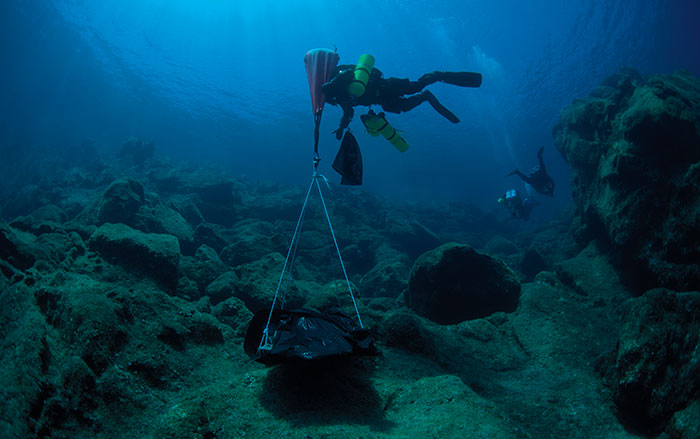
2,000 Years Under the Sea
The story of Greece’s famed Antikythera wreck is finally being revealed
Digs & Discoveries March/April 2026
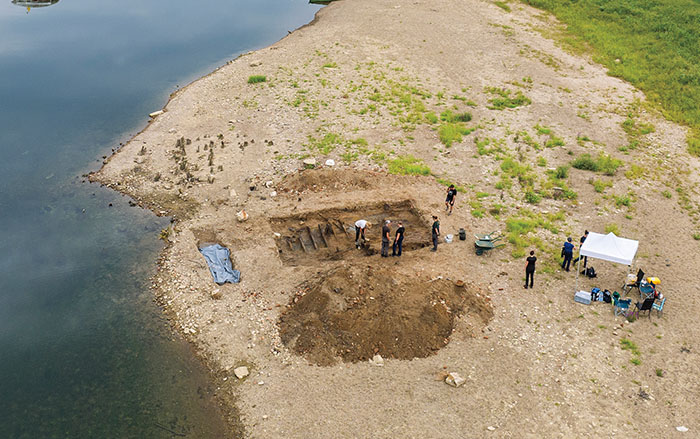
Roman River Barge
Digs & Discoveries November/December 2024
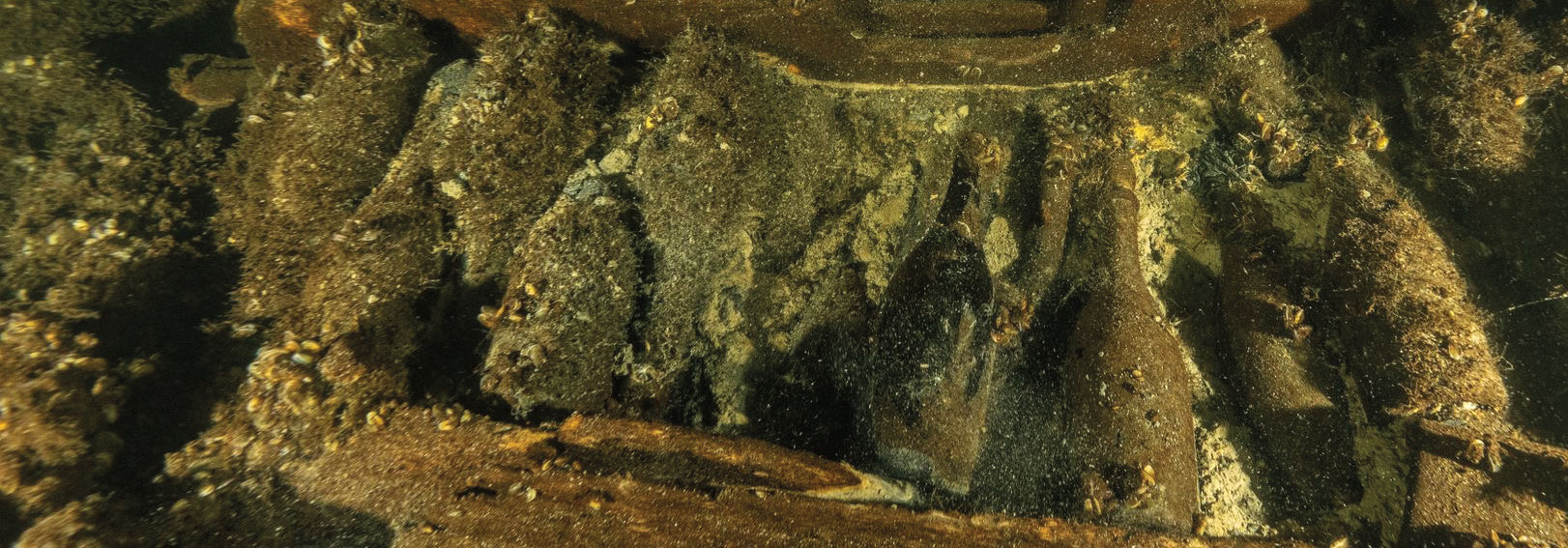
Nineteenth-Century Booze Cruise
Digs & Discoveries September/October 2024
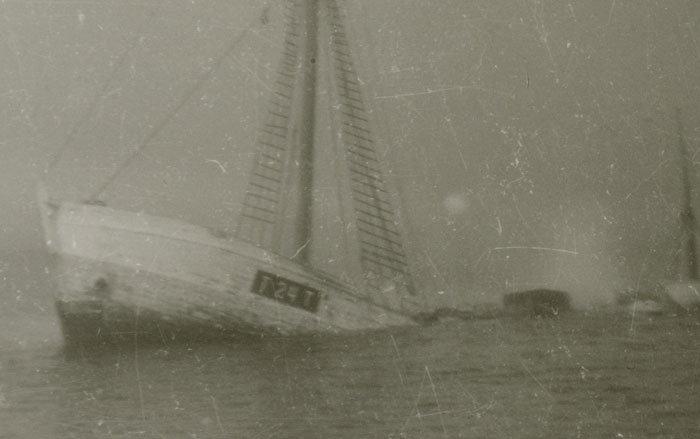
Shackleton's Last Try
More to Discover


-
Features September/October 2026
A Change in Fashion
Hoards of lavish gold and silver neck rings buried on an English hill reflect dramatic social change
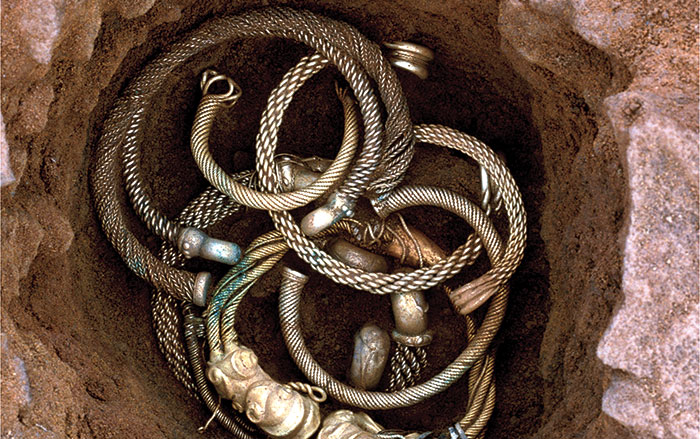 Photo © 2026 The Trustees of the British Museum
 -
Features September/October 2026
Cultivating Fields of Stone
Peru’s ancient farmers used intricate rock maps to plan for the future
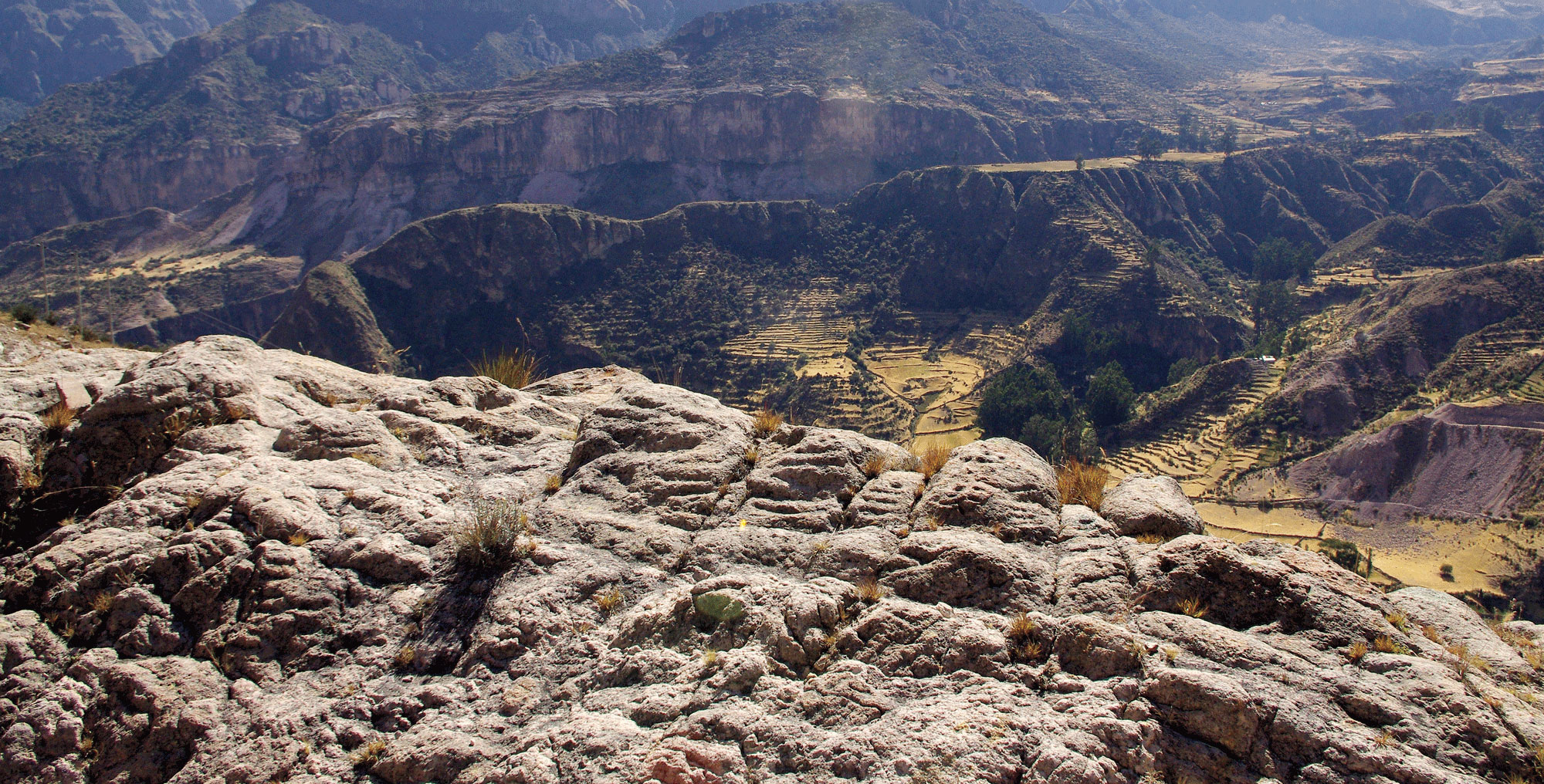 Courtesy Patricia Aparicio Martínez
 -
Features September/October 2026
Where Was Ancient Egypt Born?
Archaeologists are reimagining a time before the first pharaohs
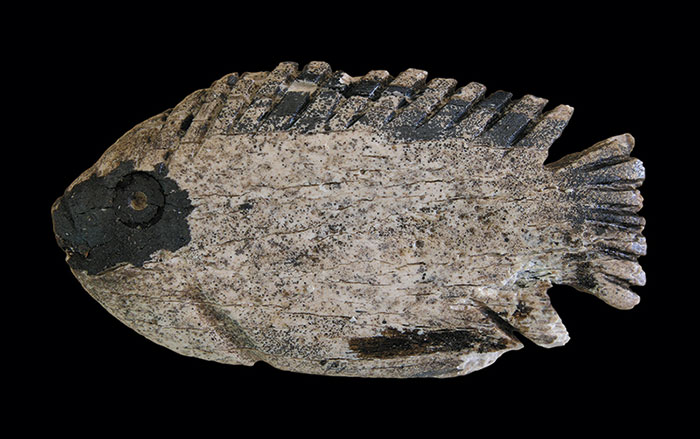 Courtesy Robert Słaboński/Tell el-Farkha Expedition
 -
Letter from Ireland September/October 2026
A War Between Friends
How IRA volunteers survived the Irish Civil War in a secret mountain hideout
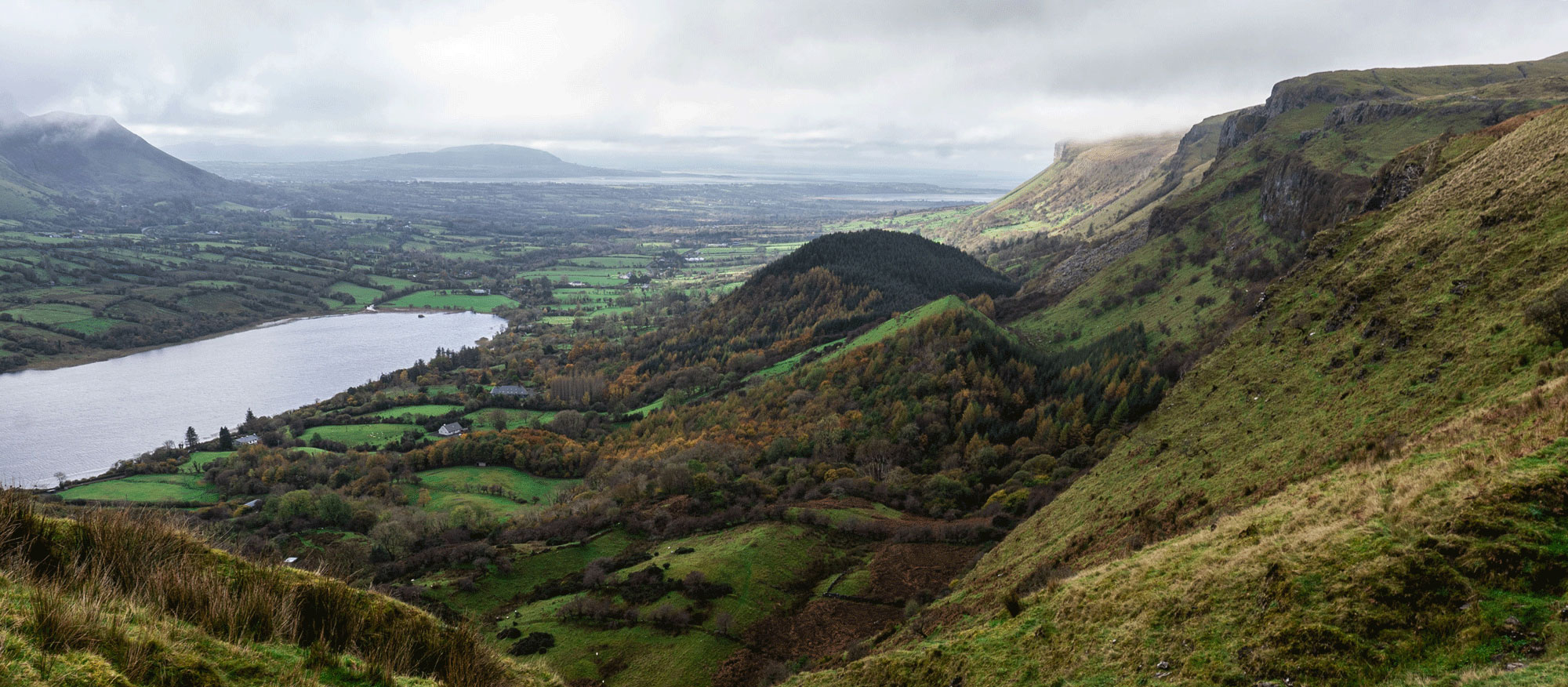 James Bosnall