Butchered Bones in Chile Dated to 13,000 Years Ago

News September 29, 2026

Digital reconstruction of extinct mammals that inhabited the vicinity of the former Lake Tagua Tagua, Chile
Mauricio Álvarez
SHARE:

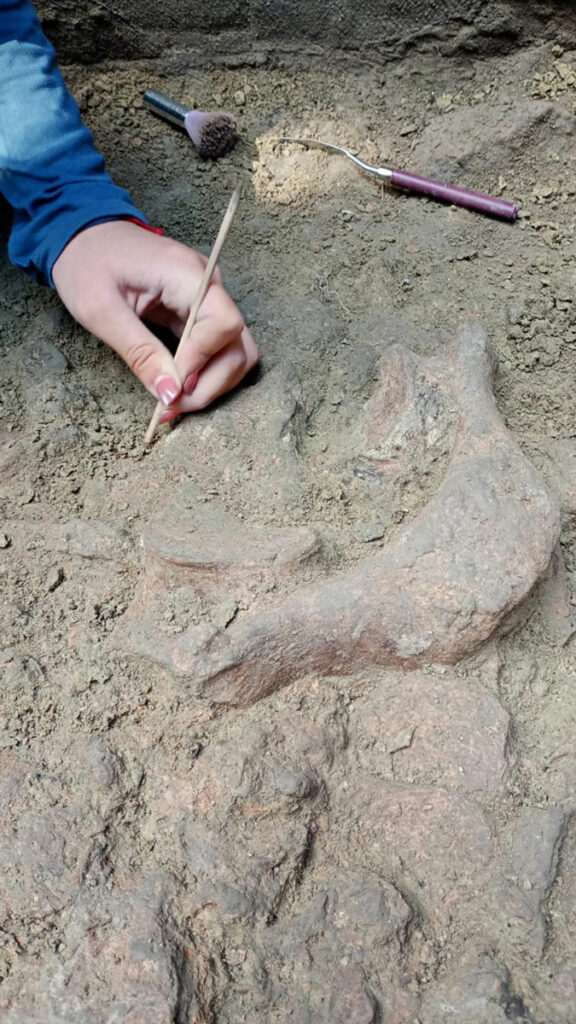
TARRAGONA, SPAIN—Live Science reports that cut marks have been detected on the bones of gomphotheres recovered from the basin of central Chile's ancient Lake Tagua Tagua by researchers from the Catalan Institute for Human Paleoecology and Social Evolution (IPHES-CERCA). The archaeologists also uncovered stone tools at the site, indicating that people butchered the now-extinct tusked mammals between 12,000 and 13,000 years ago. The bones of extinct horses and deer species, also bearing cut marks and signs of burning, have been discovered in the Lake Tagua Tagua basin during previous excavations. Scientists will continue to analyze the bones and sediment samples from the lake basin to study how some of the first people to reach the Southern Cone of South America lived. To read about gomphothere bones found at a site in Sonora, go to "Around the World: Mexico."


  • Features September/October 2026

    A Change in Fashion

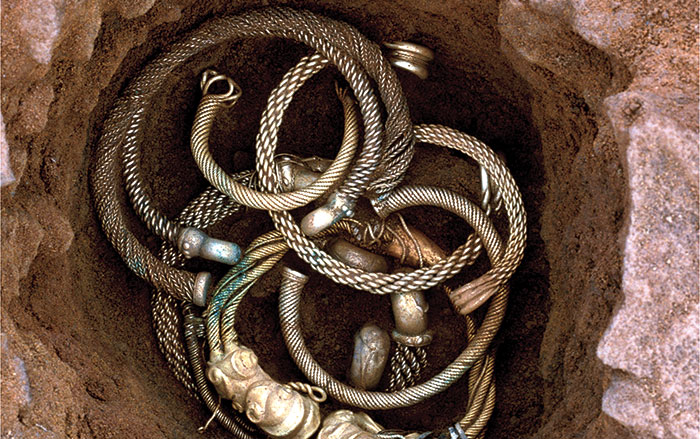
    Hoards of lavish gold and silver neck rings buried on an English hill reflect dramatic social change

    Read Article
    Torc hoard
    Photo © 2026 The Trustees of the British Museum
  • Features September/October 2026

    Cultivating Fields of Stone

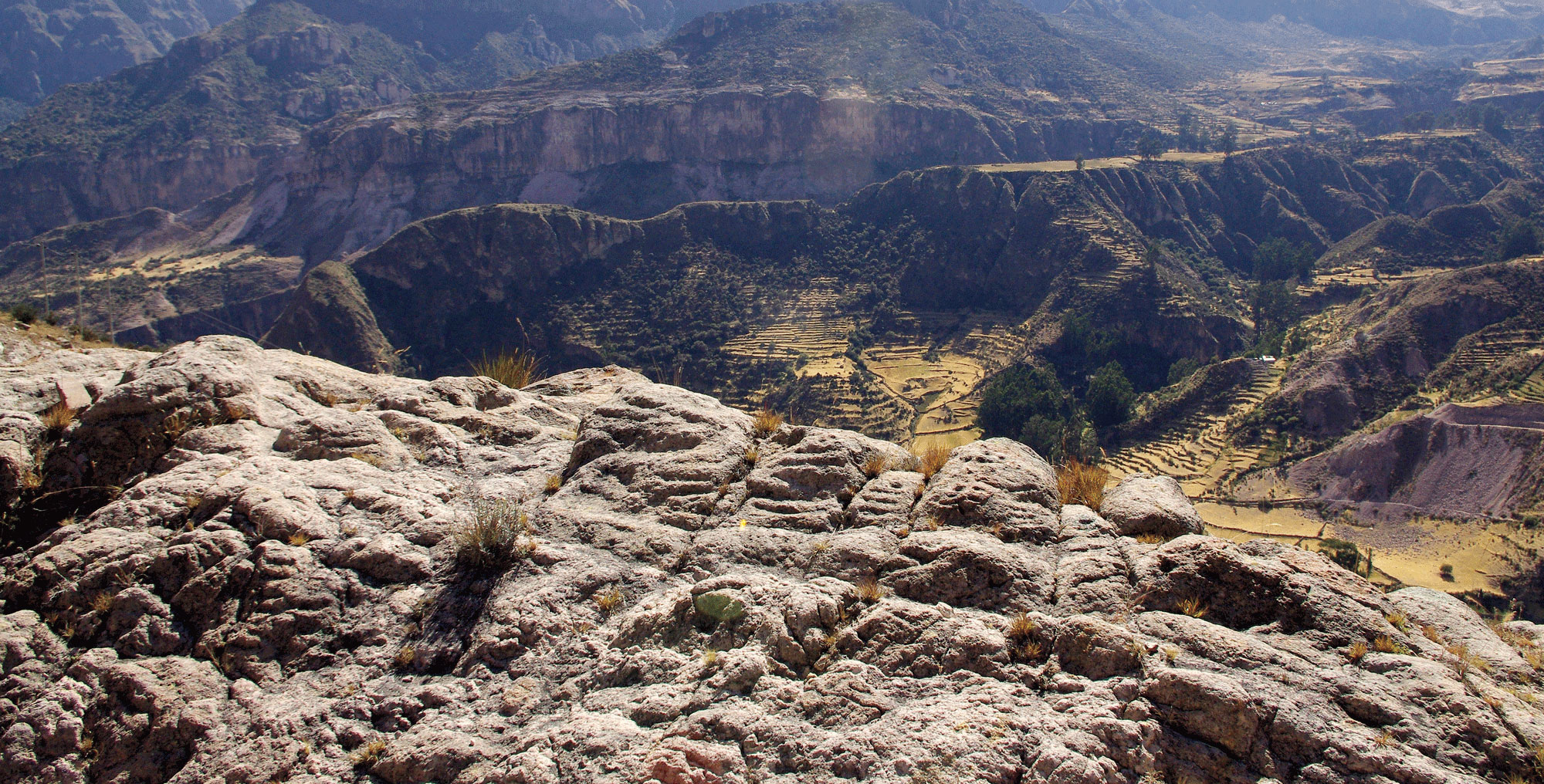
    Peru’s ancient farmers used intricate rock maps to plan for the future

    Read Article
    Courtesy Patricia Aparicio Martínez
  • Features September/October 2026

    Where Was Ancient Egypt Born?

    Archaeologists are reimagining a time before the first pharaohs

    Read Article
    Courtesy Robert Słaboński/Tell el-Farkha Expedition
  • Features September/October 2026

    2,000 Years Under the Sea

    The story of Greece’s famed Antikythera wreck is finally being revealed

    Read Article
    © ESAG/UNIGE