

MISEEDA, SUDAN—According to the Greek Reporter, Joanna A. Ciesielska of the University of Warsaw and her colleagues think that a life-sized petroglyph at the site of Miseeda in northern Sudan may depict an ancient Kushite ruler. A church was built around the carving during the seventh century A.D., suggesting that the location continued to be important to the people of the area. The petroglyph may have marked a border area, like a similar carving of the Meroitic king Sherkarer at Gebel Qeili, but the identity of the possible Nubian ruler and the age of the carving at Miseeda have yet to be confirmed. Large images of a lion, a possible rhinoceros, and an elephant have been found on the hill surrounding the ruins of the later church. Other carvings include crosses and ships dating to the Christian period, human figures that have not been dated, and animal carvings dating to the Kerma period, from about 2500 to 1500 B.C. Read the original scholarly article about this research in Antiquity. For more on Kushite rulers, go to "A Nubian Kingdom Rises."
Ancient Carving May Represent Nubian King
News September 29, 2026
Recommended Articles
Features September/October 2020
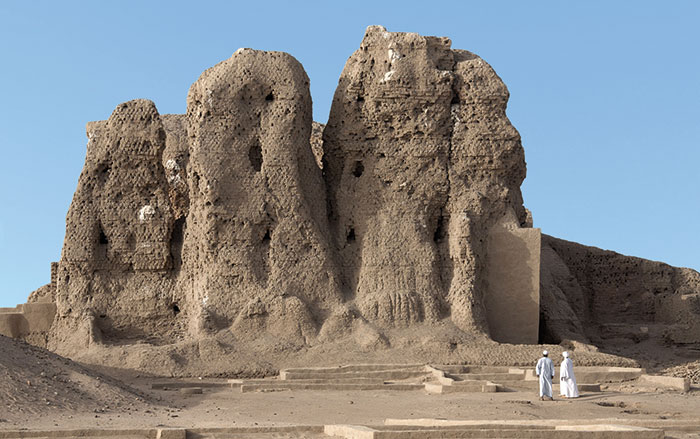
A Nubian Kingdom Rises
Excavations at a city on the Nile reveal the origins of an ancient African power
Digs & Discoveries September/October 2025
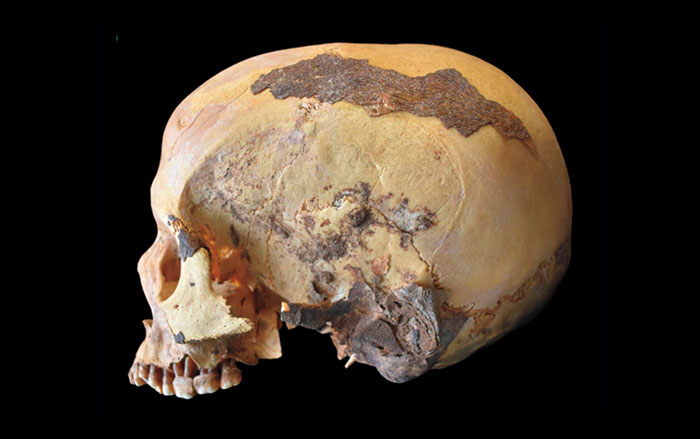
The Things They Carried
Digs & Discoveries July/August 2024
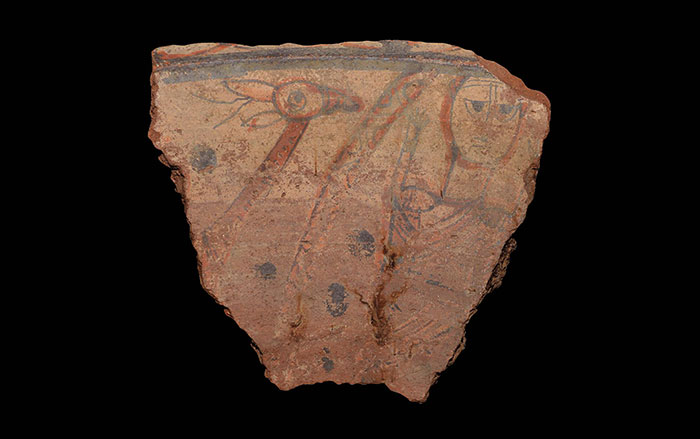
Sticking Their Necks Out
Features November/December 2021
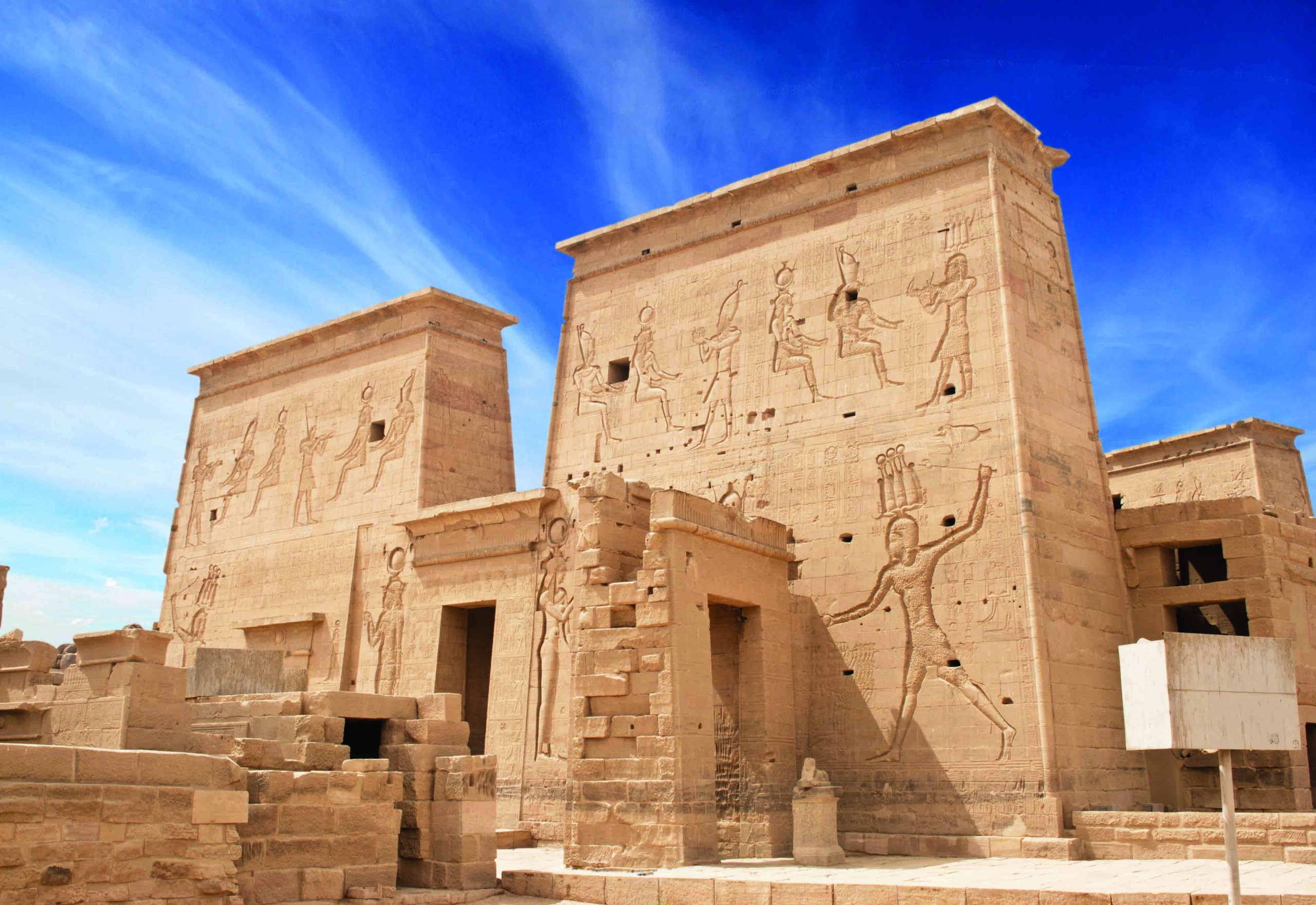
When Isis Was Queen
At the ancient Egyptian temples of Philae, Nubians gave new life to a vanishing religious tradition
More to Discover
-
Features September/October 2026
A Change in Fashion
Hoards of lavish gold and silver neck rings buried on an English hill reflect dramatic social change
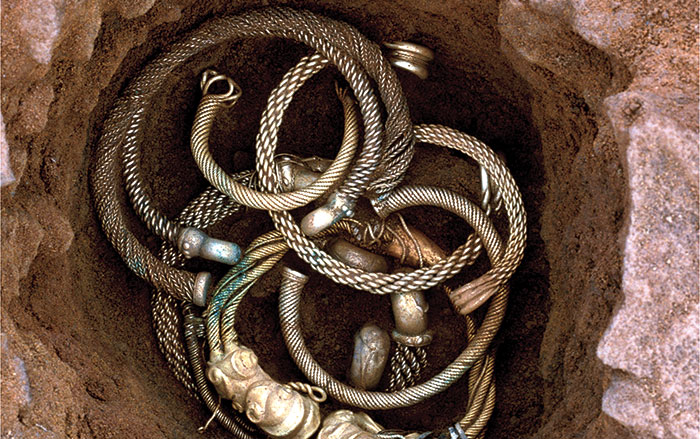 Photo © 2026 The Trustees of the British Museum
 -
Features September/October 2026
Cultivating Fields of Stone
Peru’s ancient farmers used intricate rock maps to plan for the future
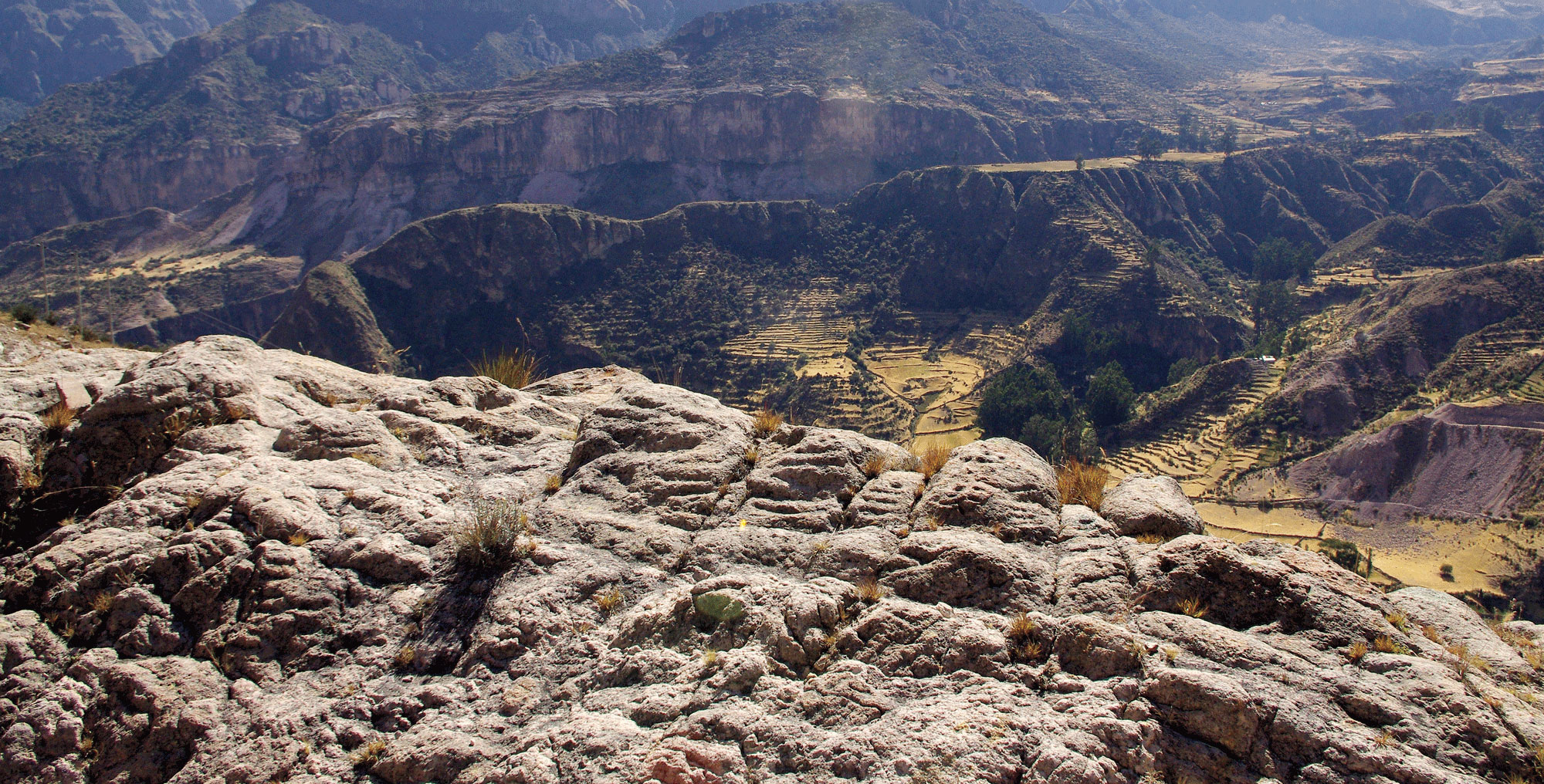 Courtesy Patricia Aparicio Martínez
 -
Features September/October 2026
Where Was Ancient Egypt Born?
Archaeologists are reimagining a time before the first pharaohs
 Courtesy Robert Słaboński/Tell el-Farkha Expedition
 -
Features September/October 2026
2,000 Years Under the Sea
The story of Greece’s famed Antikythera wreck is finally being revealed
 © ESAG/UNIGE