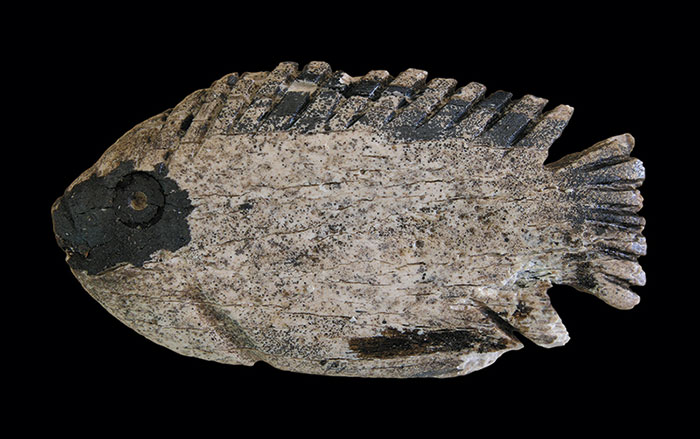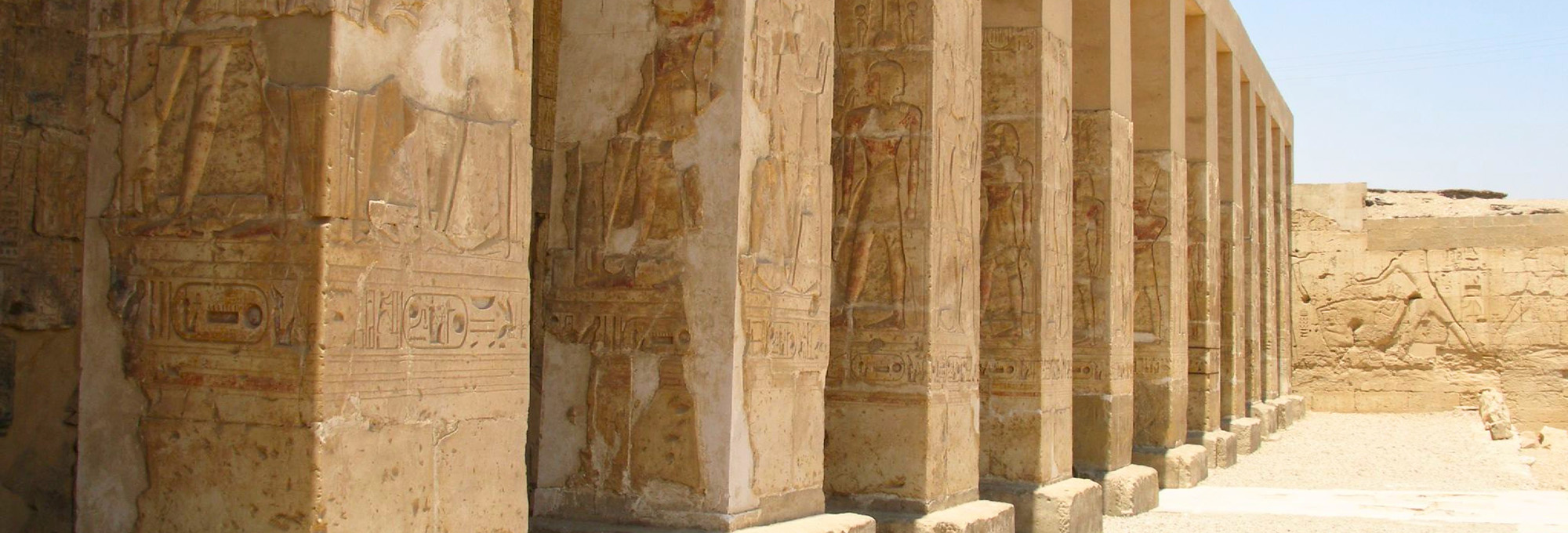
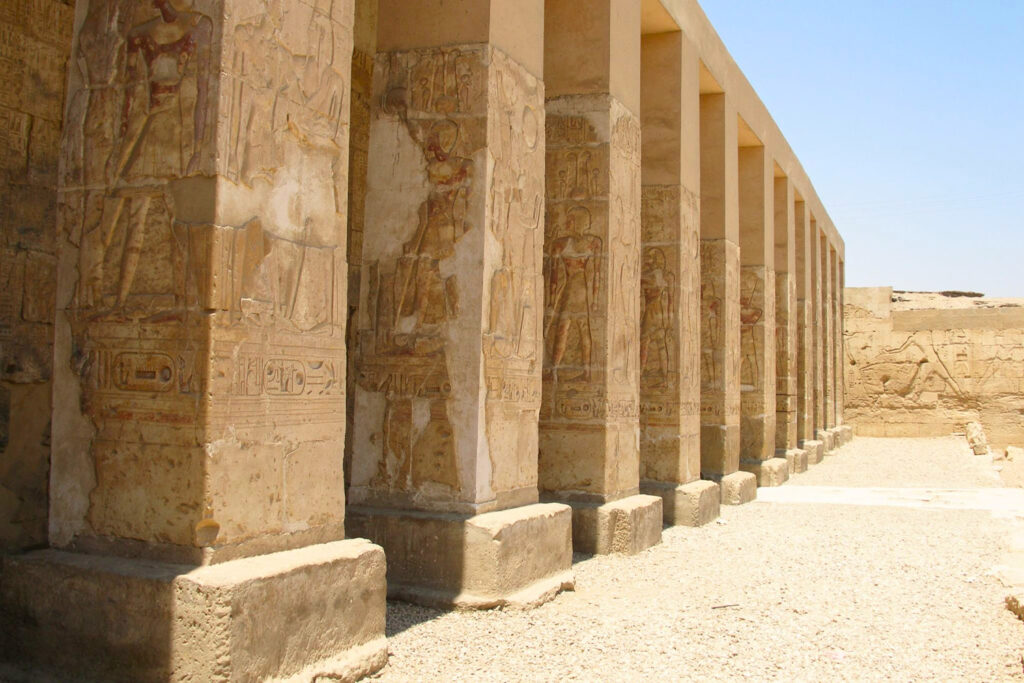
ABYDOS, EGYPT—In the 4th Dynasty (ca. 2575–2465 B.C.) of Egypt’s Old Kingdom, pharaohs were building the most impressive funerary monuments on earth, the pyramids. Their predecessors in the 1st Dynasty (ca. 3078–2900 B.C.) also constructed grand tombs surrounded by hundreds of subsidiary burials at the Umm el-Qa’ab cemetery of Abydos. According to a report in The Guardian, a new study has revealed that the people in these lesser burials certainly seem to have paid dearly. When Egyptologist Flinders Petrie excavated the modest burials arrayed near Abydos’ royal tombs in the 1920s, he determined that they were the graves of household servants, low-level officials, and artisans, many of whom were buried with a few ceramic vessels, copper tools, or ivory figurines. It struck Petrie as suspicious that hundreds of people employed by each pharaoh died at the same time the pharaoh did, but he could find no evidence of injury on the skeletons. He reburied most of the remains and sent some of the skulls home to the United Kingdom.
Bioarchaeologist Roselyn Campbell of Purdue University recently examined 46 of these skulls at the University of Cambridge, using modern forensic analysis. Eighteen of them, she found, showed evidence of significant trauma. “The injuries on the preserved crania are generally linear fractures, which would likely cause rapid unconsciousness, internal bleeding, and death,” Campbell said. A few also bore sharp-force trauma marks, including, in one instance, a chopping wound to the eye. The people who propped up the royal apparatus, called retainers, had been sacrificed violently, dying with the first rulers of unified Egypt. “In many cultures, retainer sacrifice is practiced because of beliefs that the sacrificed individuals will continue to serve the ruler in some kind of afterlife,” says Campbell, “but retainer sacrifice can also be a visceral display of the ruler’s power.” Read the original scholarly article about this research in Frontiers in Environmental Archaeology. The 1st Dynasty pharaohs are buried at Abydos, but the location of their seat of power is less certain; for more, go to “Searching for Lost Cities: Egypt’s First Capital?”