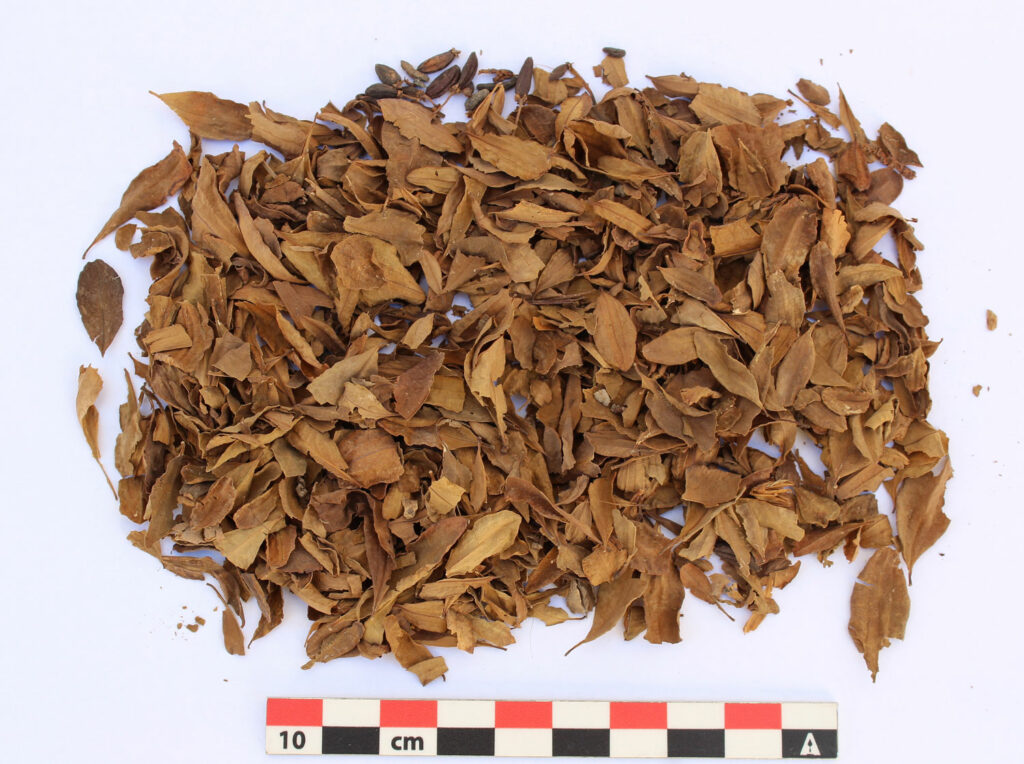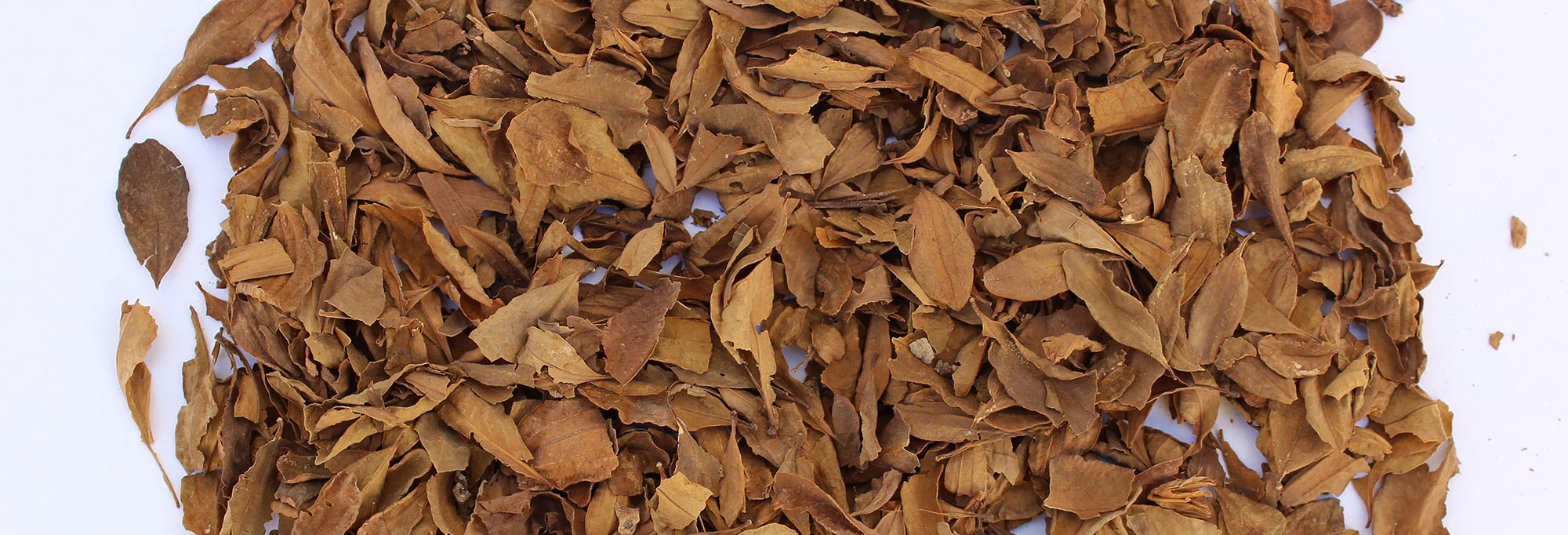
CALGARY, CANADA—According to a Phys.org report, coca leaves have been found in the fur of sacrificed llamas at the site of Tambo Viejo, a fortified site built in southern Peru’s Acarí Valley by the Inca, who annexed the territory into their empire in the early fifteenth century. “Above all, coca was a sacred plant to the Incas and according to [Spanish] written records was used in almost every single ritual activity,” said Lidio Valdez of the University of Calgary. He explained that although coca leaves and seeds have been previously unearthed in storage areas at Peruvian archaeological sites, this is the first time that they have been discovered in a ritual context. The leaves were found in the wool of three young llamas that had been decorated with tassels and red markings. Their legs had been tied in a folded position. River sand was poured over the bodies of the llamas, and then four guinea pigs were laid on top of the sand. More sand was added, and then a fire was lit before the deposit was sealed under a clay floor. “I would imagine the sacrificial animals (llamas) [being] paraded in a procession in the main plaza and the leaders of the rituals given rousing speeches to those present,” Valdez said. To read about coca plants recovered from the hair of mummified people in southern Peru, go to "Earliest Ayahuasca Trip."