
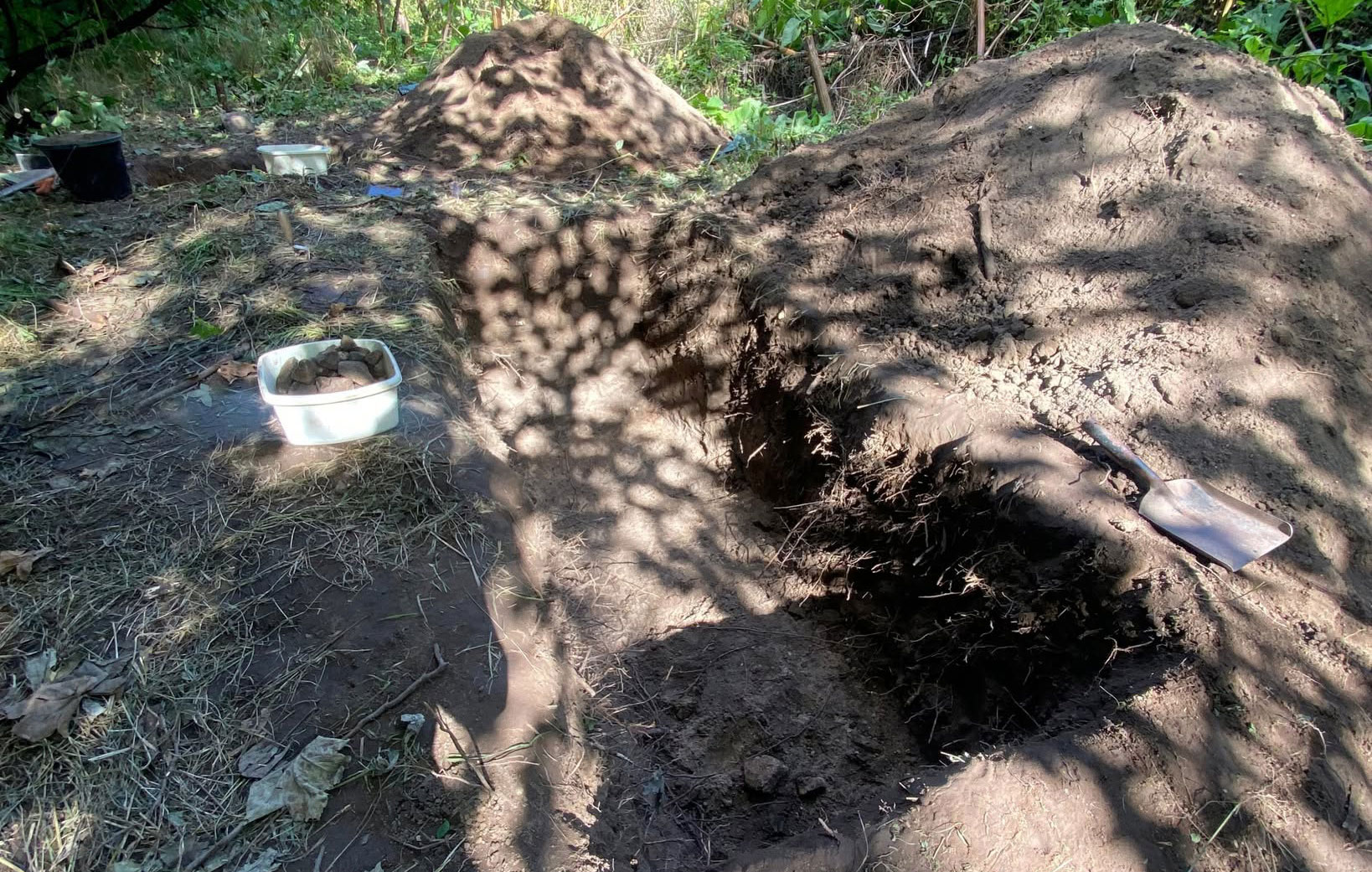
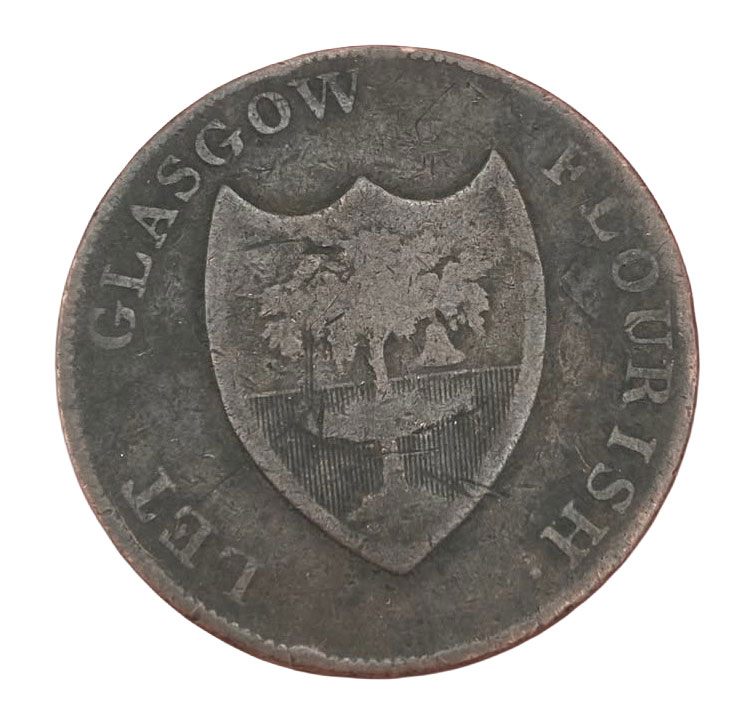
GLASGOW, SCOTLAND—According to a report in the Glasgow Times, a team of researchers from the Glasgow Building Preservation Trust, Glasgow City Council, Glasgow Life, Archaeology Scotland, and historian Chris Whatley of the University of Dundee uncovered the remains of “Harvie’s Dyke” on the banks of the River Clyde. The 12-foot walls were built in the early 1820s by Thomas ‘Lang Tam’ Harvie, a distiller in the Dalmarnock neighborhood in Glasgow’s East End. Topped with iron spikes, broken glass, and an armed watchtower, the structure blocked a public path beside the river. In 1823, a crowd gathered to tear down the walls, initiating a six-year legal battle. The House of Lords eventually ruled in favor of the public’s right of way. The excavation revealed a token inscribed with the city’s motto, “Let Glasgow Flourish,” which may have been intentionally buried at the site by protestors. The researchers also found mortar, floor surfaces, roof slates, and plaster fragments thought to have been part of a summerhouse seen in illustrations of the defensive structure. To read about traces of an illicit whisky distillery unearthed south of Glasgow, go to “Still Standing.”