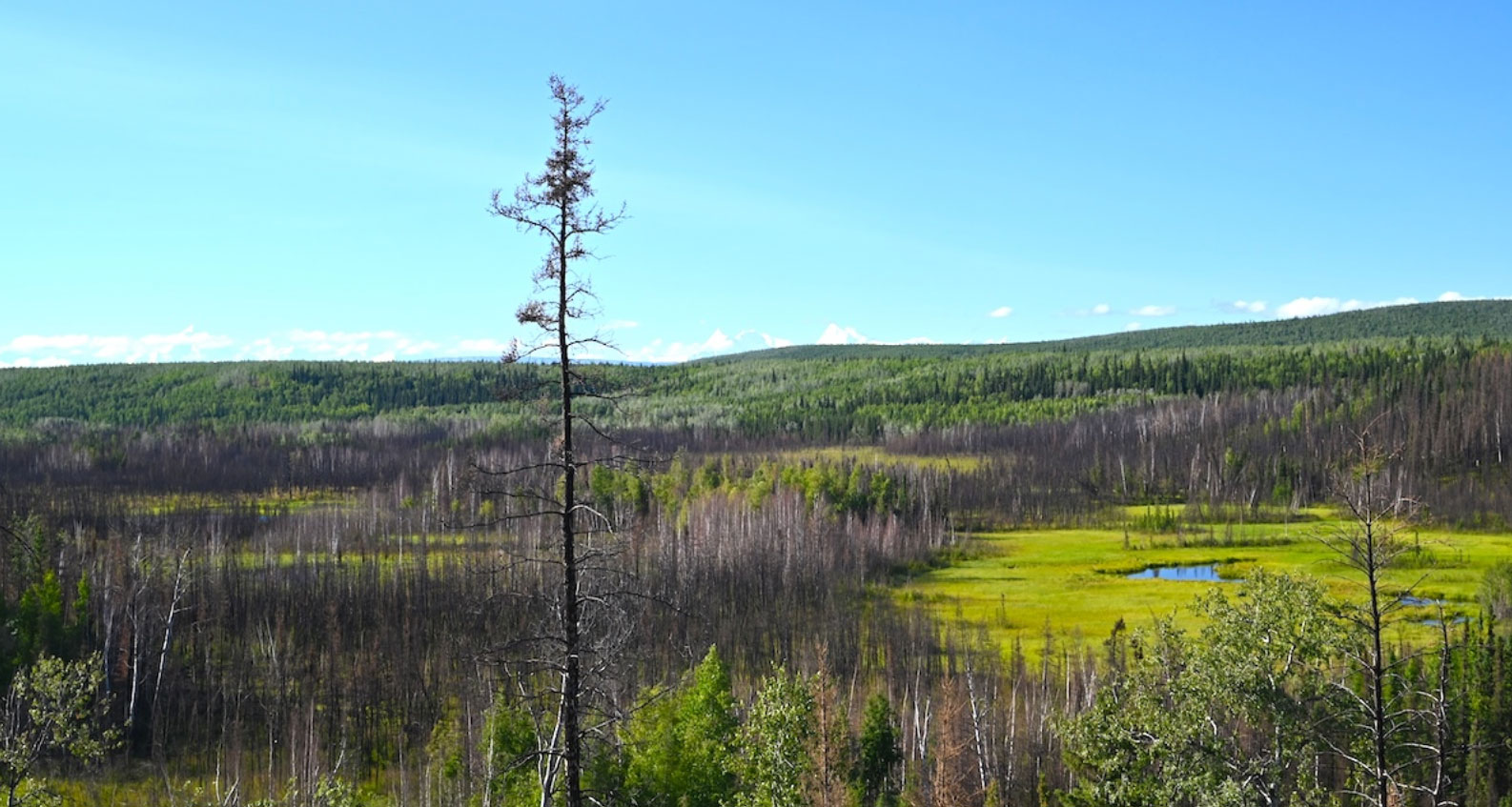
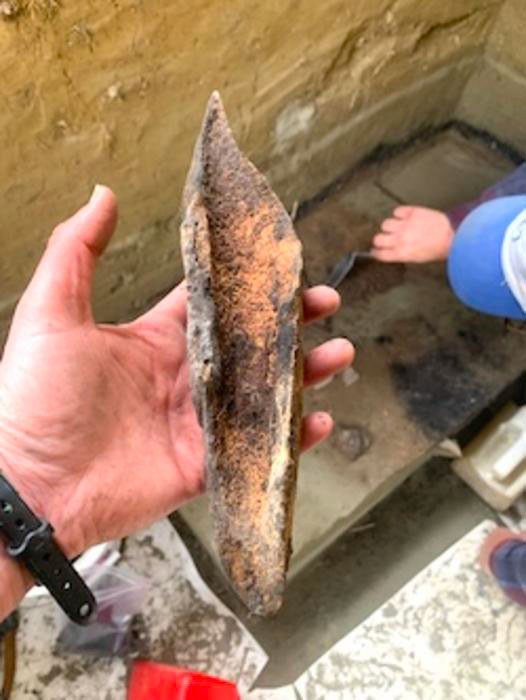
FAIRBANKS, ALASKA—According to a Gizmodo report, Shég’ Xdaltth’i’, an archaeological site in Alaska, has been dated to 13,800 years ago by Kelly Graf of the University of Kansas and her colleagues. The researchers have recovered thousands of artifacts at the site, suggesting that it had been used as a long-term camp before the Bering Land Bridge was submerged by rising sea levels. The objects include an anvil, hammerstones, animal bones, a pit, and a hearth inside a dwelling. The team also found diamond-shaped projectile points that have previously only been unearthed at two sites from the same time period in Russia, now located on the other side of the Bering Strait. Obsidian and rhyolite discovered at Shég’ Xdaltth’i’ are thought to have been sourced from an area to the west, as well, Graf added. She suggests that the groups who used these sites may have shared a cultural identity. Carrying their tools, hunters may have traveled east and camped at Shég’ Xdaltth’i’ while following migrating animals. Older archaeological sites may yet be found in Alaska, she concluded. Read the original scholarly article about this research in Science Advances. To read about prehistoric hunting grounds in North America, go to “Where the Ice Age Caribou Ranged.”