

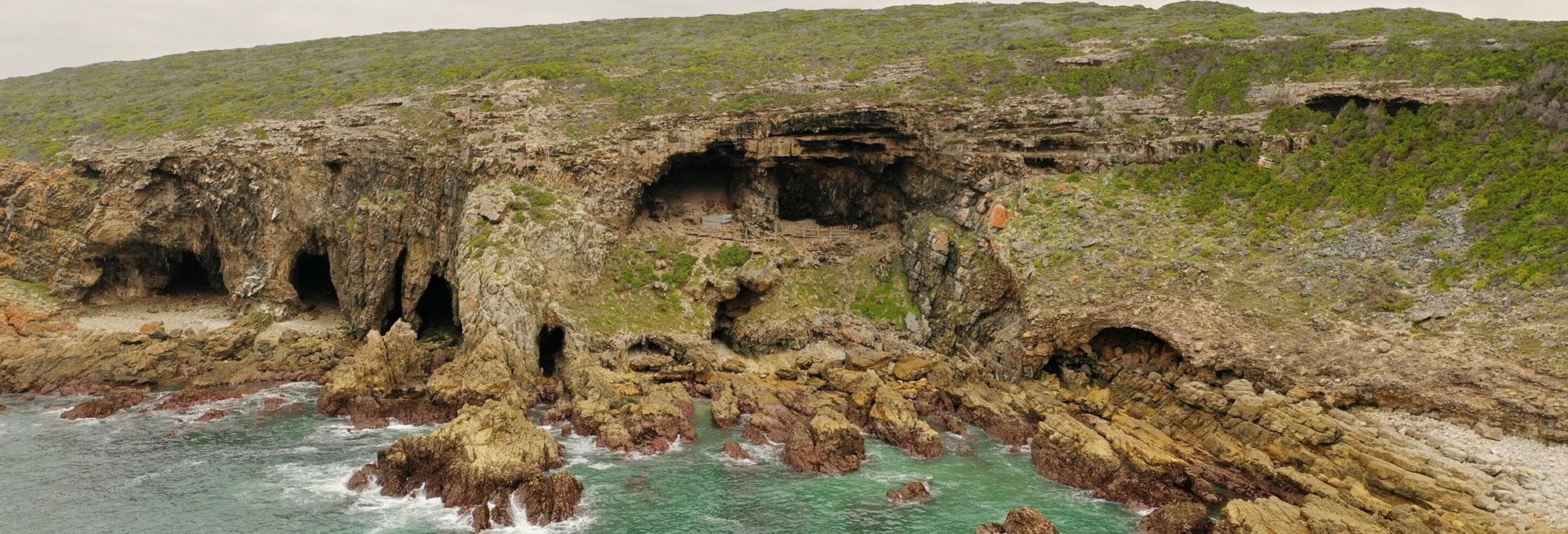
FUKUOKA, JAPAN—According to a statement released by Kyushu University, an international team of scientists found a rare mix of animal collagen and ocher in samples taken from 60,000-year-old ocher-rich sediments at the Kilpdrift Complex archaeological site in South Africa’s De Hoop Nature Reserve. Using paleoproteomics, the researchers determined that the collagen protein comes from a species of antelope called the common eland (Taurotragus oryx). The study suggests that people mixed materials derived from these large antelopes with ocher powder, or perhaps that they used ocher-treated hides at the cliffside site. Read the original scholarly article about this research in Proceedings of the Royal Society B: Biological Sciences. To read about an ocher pigment production workshop unearthed in South Africa’s Blombos Cave, go to “Stone Age Art Supplies.”
60,000-Year-Old Animal Proteins Mixed With Ocher Identified in South Africa
News October 26, 2026
Recommended Articles
Top 10 Discoveries of 2018 January/February 2019
Oldest Sketch
Blomboschfontein Nature Reserve, South Africa
Digs & Discoveries May/June 2022
Cradle of the Graves
Digs & Discoveries May/June 2021
Consider the Craniums
Top 10 Discoveries of the Decade January/February 2021
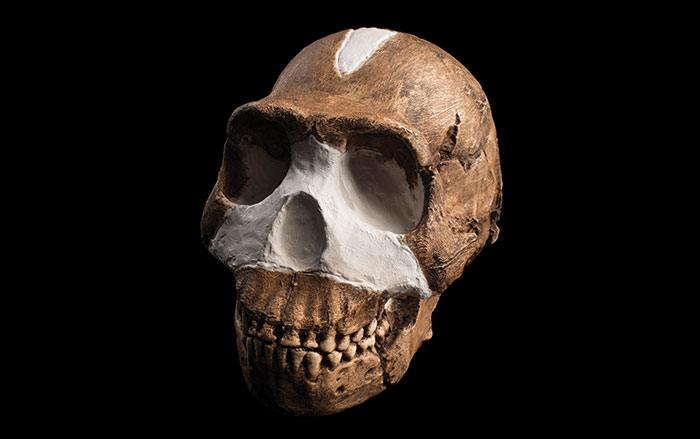
Homo Naledi
Rising Star Cave, South Africa, 2015
More to Discover
-
Features September/October 2026
A Change in Fashion
Hoards of lavish gold and silver neck rings buried on an English hill reflect dramatic social change
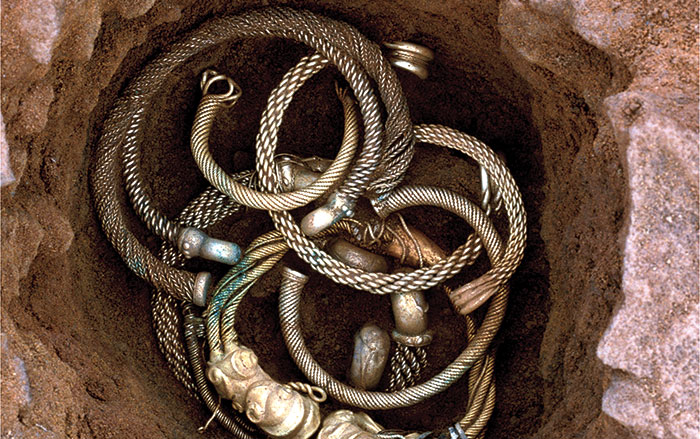 Photo © 2026 The Trustees of the British Museum
-
Features September/October 2026
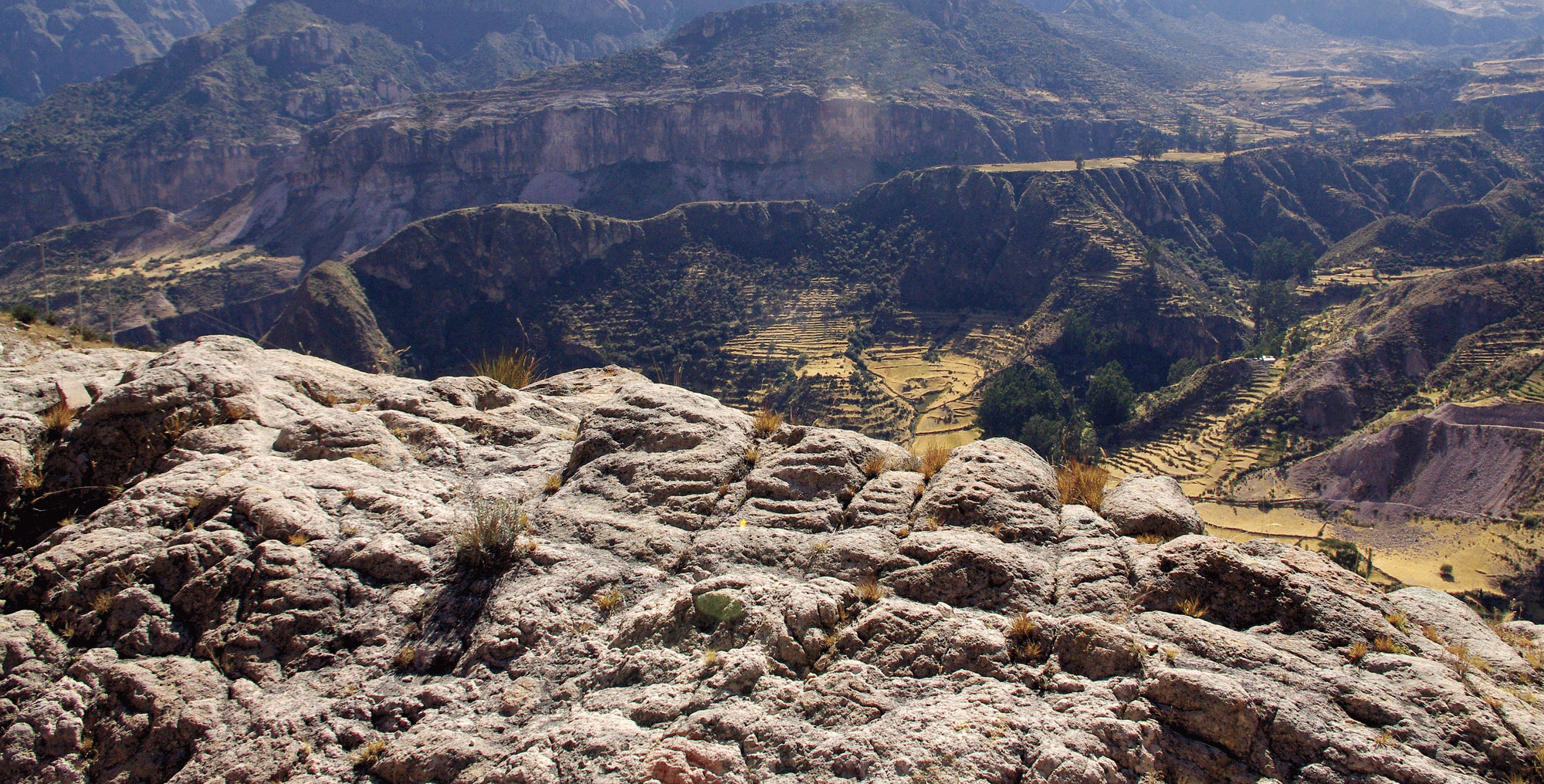
Cultivating Fields of Stone
Peru’s ancient farmers used intricate rock maps to plan for the future
 Courtesy Patricia Aparicio Martínez
-
Features September/October 2026
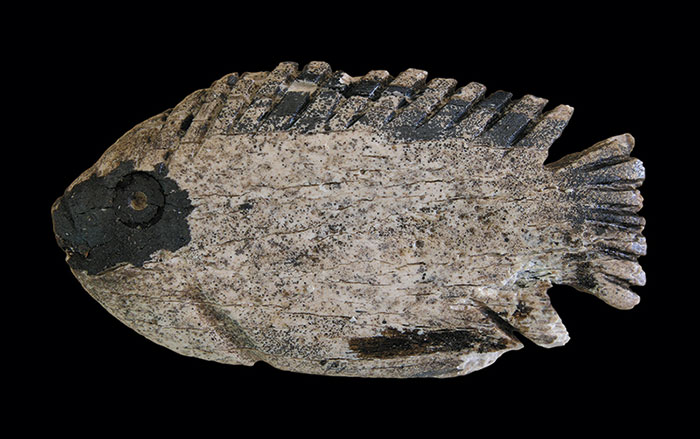
Where Was Ancient Egypt Born?
Archaeologists are reimagining a time before the first pharaohs
 Courtesy Robert Słaboński/Tell el-Farkha Expedition
-
Features September/October 2026
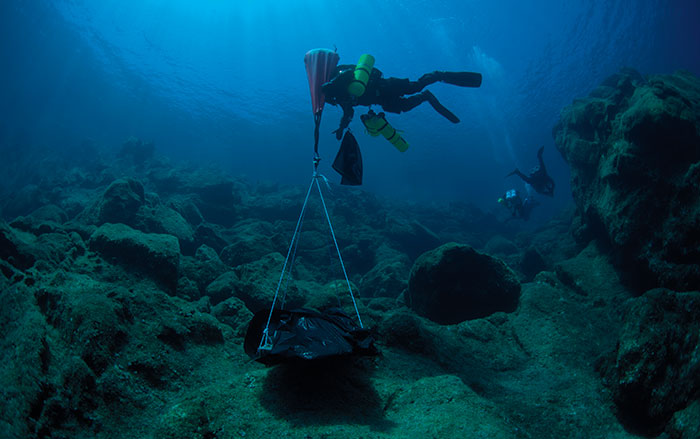
2,000 Years Under the Sea
The story of Greece’s famed Antikythera wreck is finally being revealed
 © ESAG/UNIGE