

NEW YORK, NEW YORK—According to a Science Alert report, Thomas Snyder of New York University and Haagen Klaus of George Mason University analyzed the remains of more than 1,600 individuals recovered from different sites in Peru’s Lambayeque Valley. The individuals lived between about 1500 B.C. and A.D. 1500. During this period, a series of El Niño events brought drought and flooding. Previous studies have shown that El Niño events led to mass ritual sacrifices by the Moche and Sicán peoples of the Lambayeque Valley. The researchers suggest that ecological stress may have also brought on violence between people in competition for resources, as has been observed in human remains unearthed at other archaeological sites in the Andes Mountains. Examination of the skeletal remains identified wounds on the skulls of 25 individuals that are thought to be associated with violence, and wounds on the bodies of 77 individuals that Snyder and Klaus posit are associated with accidents. They said that no statistical relationship linked environmental stress with violence or accidents in the sample, however. Rather, they suggest that communities in the Lambayeque Valley may have turned to the ocean as an alternative source of food. “In Lambayeque there’s 6,000 years of creative adaptations to El Niño and longer-term changes in climate, and widespread violence wasn’t one of them,” Snyder concluded. Read the original scholarly article about this research in Frontiers in Environmental Archaeology. To read about a ritual game played by ancient Peruvians, go to “Bringing Back Moche Badminton.”
Study Suggests Ancient Peruvians Adapted to Environmental Stressors
News November 13, 2026
Recommended Articles
Digs & Discoveries November/December 2026
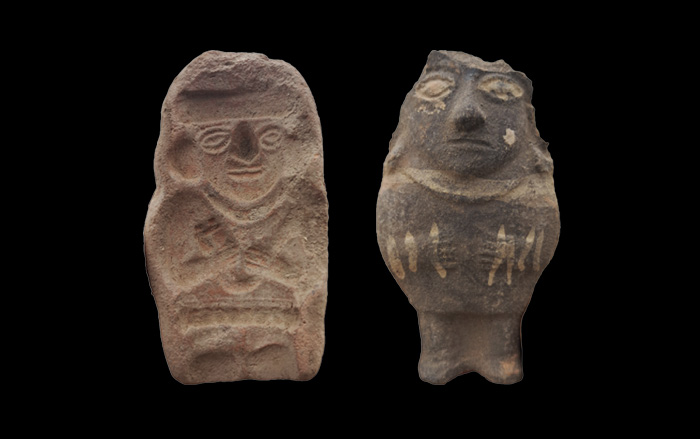
Moche Pottery Pros

Features May/June 2025
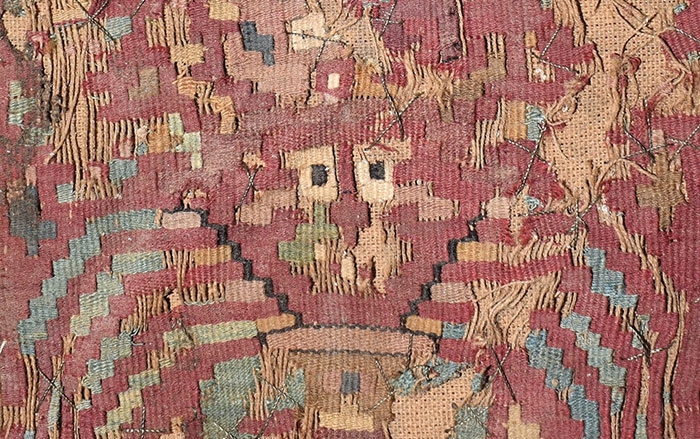
Peru’s Timeless Threads
More than 1,000 years ago, master weavers kept the ancient traditions of the Moche culture alive
More to Discover
Features November/December 2026
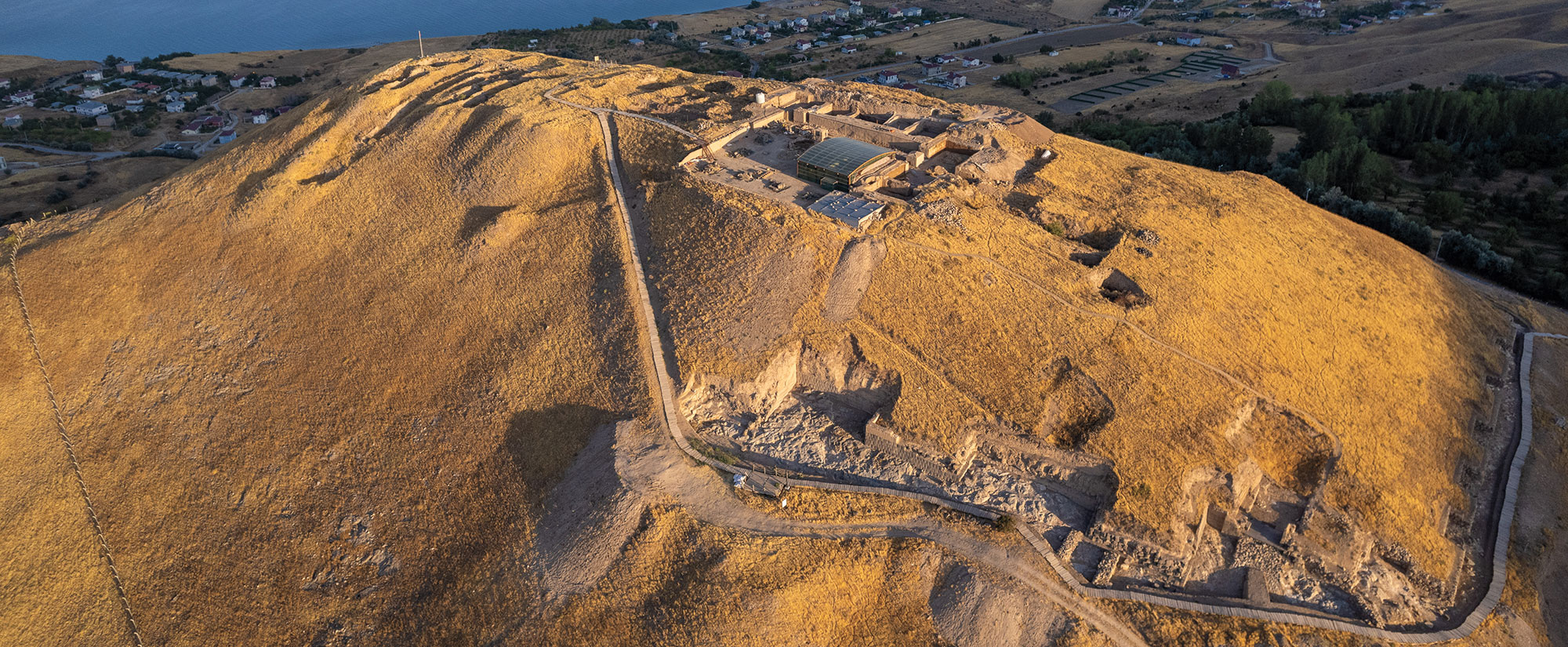
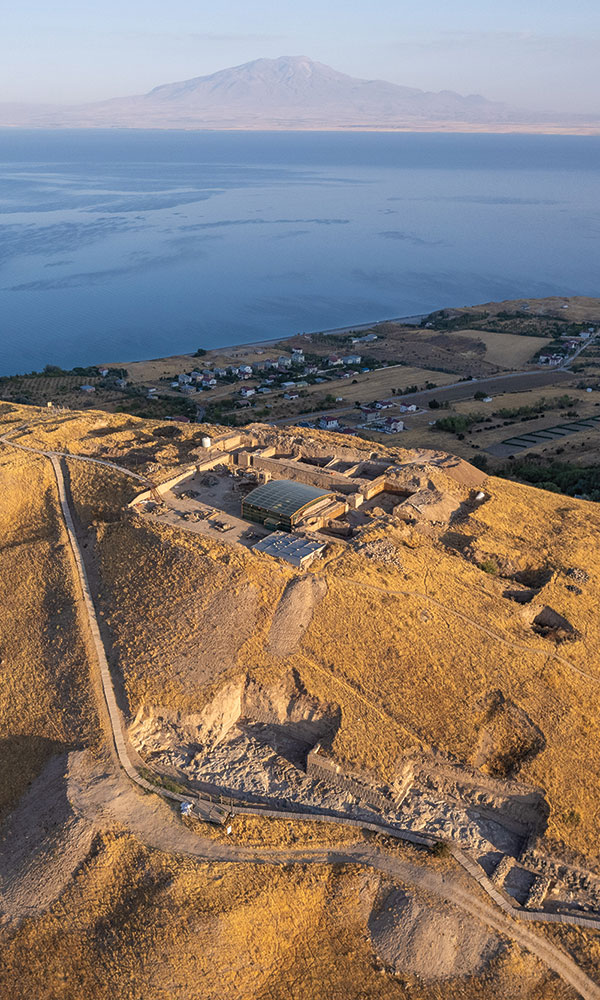
Kingdom of Fortresses
How diverse and far-flung Iron Age chiefdoms united to challenge the Assyrian Empire
-
Features November/December 2026
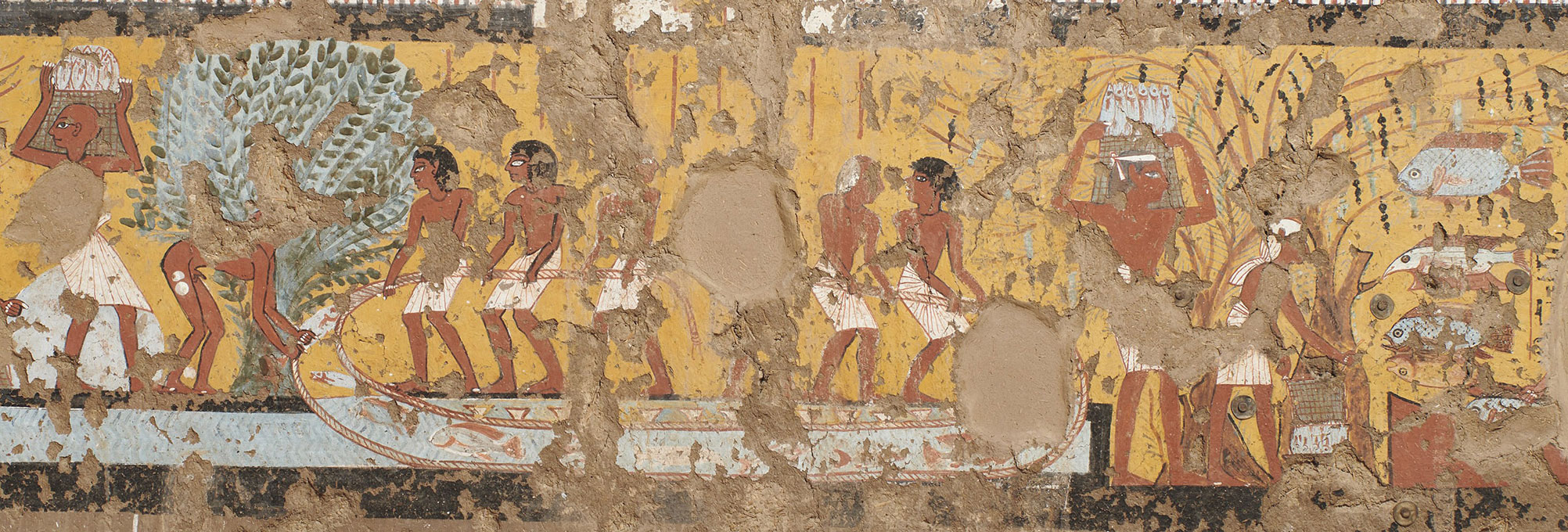
A Tomb of One’s Own
Life behind the scenes in Egypt’s Valley of the Kings
 © Matjaz Kacicnik/Project TT 217–The Tomb of the Sculptor Ipuy in Context (JGU Mainz, IFAO Cairo)
-
Features November/December 2026
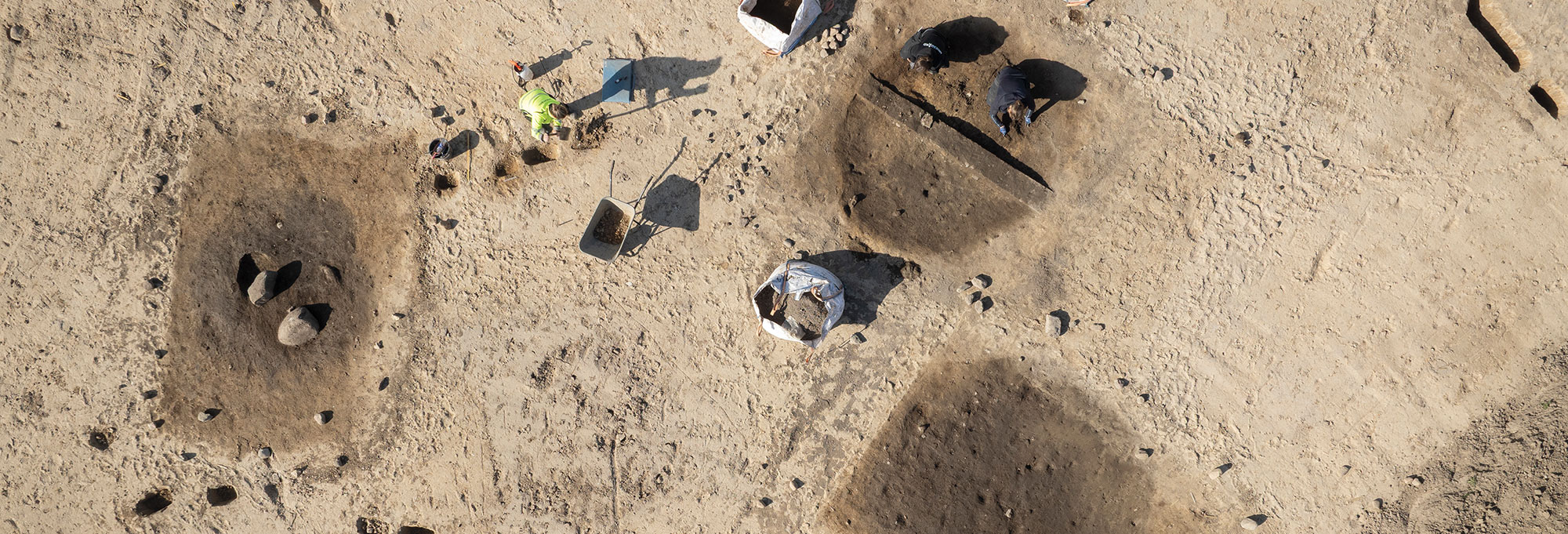
Outfitting Viking Voyagers
In Denmark, archaeologists have discovered a massive factory that equipped an innovative fleet
 Moesgaard Museum
-
Features November/December 2026
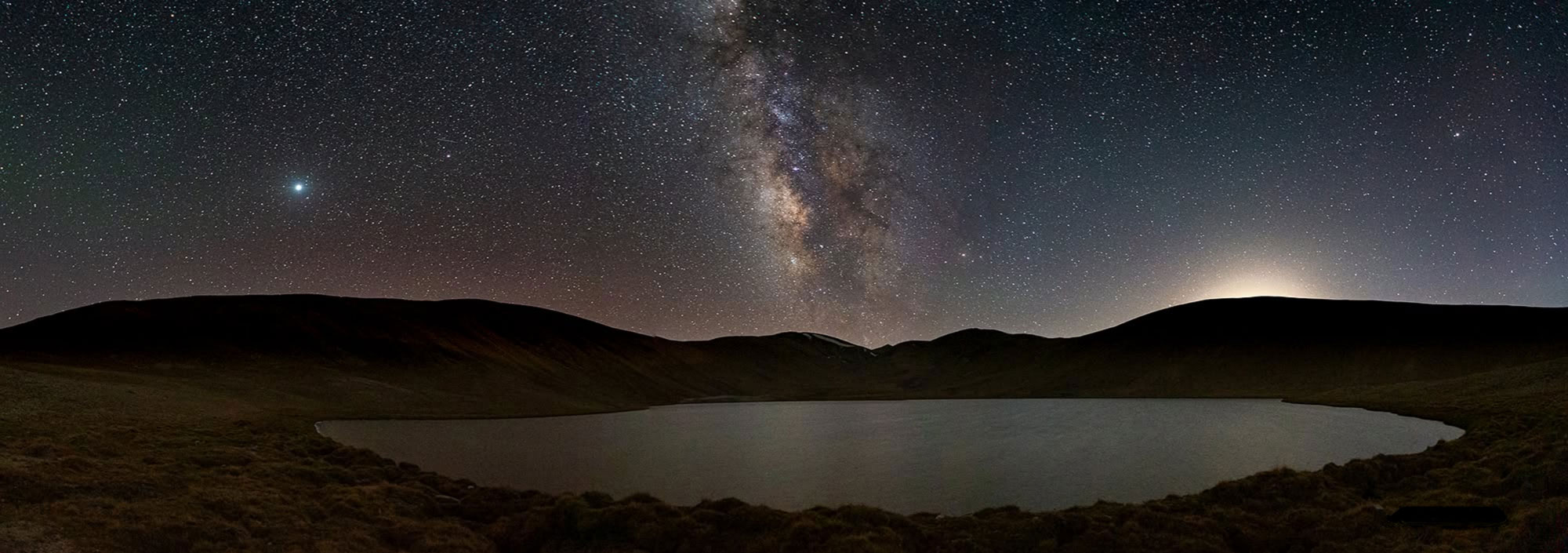
Stone Age Stargazers
Did artists 12,000 years ago illuminate a cave in Tajikistan with their vision of the Milky Way?
 ˝© Nodir Tursun-Zade
-
Features November/December 2026
Unearthing the Outlanders
New discoveries challenge ancient prophecies about the peoples living on China’s borders three millennia ago
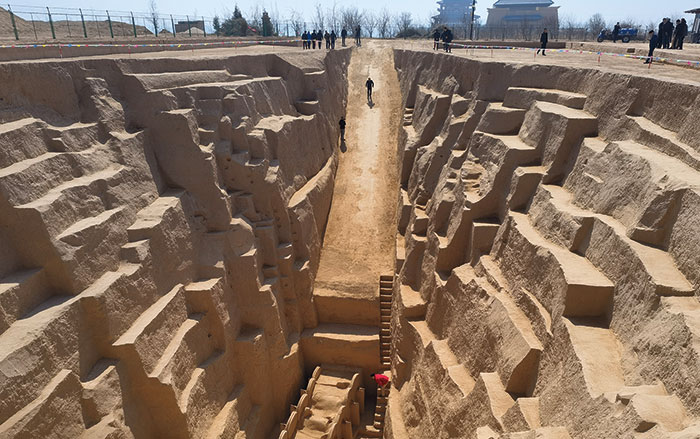 Courtesy Shaanxi Provincial Institute of Archaeology